Can Niacinamide Replace Sunscreen? The Truth About Its UV Protection
Niacinamide, often known as vitamin B3, is a popular skincare component for its anti-inflammatory, anti-aging, and skin barrier-strengthening effects. While it has several skin benefits, it cannot be used instead of sunscreen. In this blog, we will look at using nacinamide to replace sunscreen.
Understanding Niacinamide: What Makes It a Skincare Powerhouse?
Niacinamide (commonly known as vitamin B3) has become one of the most popular skincare compounds, and with good reason. It's a multipurpose powerhouse that addresses a wide range of skin types and issues. Niacinamide is unique and popular in many skincare routines because it reduces inflammation and redness, improves skin barrier function, regulates oil production, fights hyperpigmentation and dark spots, and reduces fine lines and wrinkles; it is gentle yet effective, works well with other ingredients, improves skin texture, and provides additional sun protection.
The Science Behind Niacinamide and Its Skin Benefits
The science behind niacinamide's skin advantages stems from its ability to improve skin barrier function, reduce inflammation, regulate oil production, increase collagen synthesis, and decrease hyperpigmentation. It's antioxidant qualities and ability to increase skin hydration reinforce its reputation as a go-to substance for boosting skin health and appearance. It is a safe and effective ingredient for all skin types, and its versatility makes it a valuable addition to any skincare regimen. Whether you have acne, aging, hyperpigmentation, or sensitive skin, niacinamide can help improve skin texture, tone, and appearance.
Niacinamide’s Role in Strengthening the Skin Barrier
Niacinamide is known for its ability to strengthen and restore the skin barrier, making it an essential component of effective skincare regimes. The skin barrier, also known as the stratum corneum, is the skin's outermost layer. It protects the body from external aggressors such as pollution, pathogens, allergies, and UV radiation. It also helps retain moisture, which keeps the skin hydrated and prevents dryness. It plays an important role in strengthening and supporting the skin barrier by increasing ceramide production, improving the skin's lipid barrier, reducing water loss, improving skin elasticity, reducing inflammation and redness, repairing the skin barrier, preventing and alleviating skin sensitivity, and enhancing overall skin health.
How Niacinamide Helps Combat Environmental Stressors

Niacinamide combats these stressors while keeping your skin healthy and resilient, which include:
-
Niacinamide strengthens the skin's barrier function, which is one of the key ways it combats environmental stresses. The skin barrier, composed of lipids such as ceramides, cholesterol, and fatty acids, serves as the body's first line of protection against external dangers. Niacinamide stimulates the creation of ceramides, which are necessary for forming a robust and protective skin barrier. A healthy skin barrier minimizes moisture loss, reduces irritation, and keeps dangerous pollutants and bacteria from entering the skin.
-
Environmental factors frequently cause inflammation in the skin, resulting in redness, irritation, and flare-ups of disorders such as eczema, rosacea, or acne. Niacinamide contains potent anti-inflammatory properties that help soothe the skin and lessen the inflammatory response induced by environmental causes.
-
Niacinamide can supplement sun protection by lowering the effects of UV radiation on the skin. Niacinamide has been found to help repair UV-induced skin damage, such as sunburn and sunspots. It works by making the skin more resistant to UV radiation and lowering DNA damage induced by UV exposure.
-
Environmental contaminants, UV radiation, and tobacco all produce free radicals, which are unstable chemicals that can harm skin cells and accelerate the aging process. Niacinamide has antioxidant qualities, which means it helps neutralize free radicals and protects the skin from oxidative stress.
-
Environmental stresses such as dry air, high temperatures, and severe winds can dehydrate the skin, leaving it feeling dry, tight, and irritated. Niacinamide increases the skin's natural moisture barrier by promoting the production of ceramides and other lipids, which assist the skin in retaining hydration.
-
Pollution is one of the most prevalent environmental stressors that can harm the skin. It contains hazardous particles, including particulate matter (PM), heavy metals, and poisons that can enter the skin, causing oxidative stress, inflammation, and clogged pores. Niacinamide protects the skin from the harmful effects of pollution by acting as an antioxidant and decreasing the inflammatory response generated by contaminants.
-
Environmental factors such as humidity and temperature can influence skin oil production. In hot, humid weather, the skin may become excessively greasy, resulting in clogged pores and acne. In contrast, dry surroundings can cause the skin to overproduce oil in order to compensate for dehydration, resulting in unbalanced, oily skin.
-
It is well known that niacinamide speeds up the skin's healing processes, which is especially beneficial when the skin has been damaged by external stimuli. Niacinamide speeds up skin healing by encouraging cell turnover and the formation of new skin cells, whether the damage is from pollution, dryness, or sunburn.
-
The skin can be negatively impacted by extreme weather conditions as heat, humidity, and cold winds. By strengthening the skin's barrier and increasing its capacity to hold onto moisture, niacinamide helps shield the skin from environmental harm. Because of this, it is an excellent ally in shielding the skin from the harsh effects of summer heat and sun exposure as well as the drying effects of winter weather.
Can Niacinamide Offer UV Protection? Separating Fact from Fiction
One of the most well-liked and successful skincare products, niacinamide is hailed for its advantages. However, there is considerable misunderstanding regarding the function of UV protection. Although niacinamide has a number of benefits for skin health and healing, it cannot take the place of sunscreen or provide adequate defense against damaging UV rays on its own. The following are the science and interactions between niacinamide and UV exposure:
-
Niacinamide helps repair UV-induced damage and can increase the skin's tolerance to sun exposure.
-
Sunscreen with SPF is still required to block UV radiation and protect skin from sun damage.
-
For the best protection, combine niacinamide with sunscreen. Niacinamide is an effective supplementary component for reducing inflammation, pigmentation, and promoting skin restoration following sun exposure.
Niacinamide and Free Radical Defense Against Sun Damage
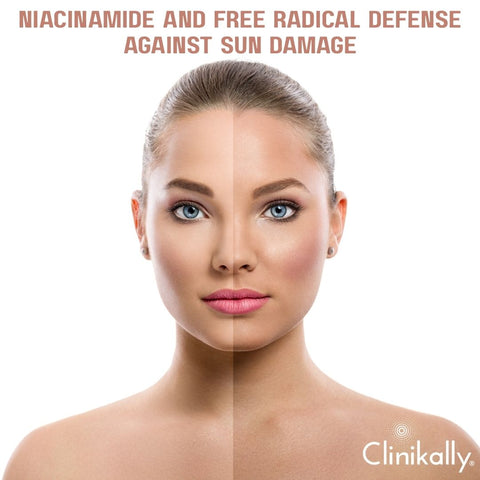
While niacinamide is not a sunscreen and does not provide direct UV protection, it is an effective antioxidant against free radical damage induced by UV radiation and other environmental stresses. Niacinamide is essential for protecting the skin from UV damage and promoting skin health since it neutralizes free radicals, supports DNA repair, reduces inflammation, and addresses hyperpigmentation. To enhance the effects of niacinamide, it should be combined with a broad-spectrum sunscreen to provide both immediate UV protection and long-term skin healing. This combination keeps your skin protected, healthy, and robust to the damaging effects of sun exposure and environmental toxins.
The Truth About Niacinamide’s Role in Preventing Sunburn

Niacinamide does not prevent sunburn or serve as an alternative to sunscreen. However, it is an extremely beneficial component for decreasing the damage caused by sun exposure. Niacinamide reduces inflammation, repairs UV-induced DNA damage, and soothes sunburned skin, making it an ideal ingredient for post-sun care. It also helps to reduce hyperpigmentation and enhances overall skin health. To avoid sunburn, use a broad-spectrum sunscreen with SPF 30 or greater frequently, even on cloudy days. Niacinamide can be used in conjunction with sunscreen to promote skin healing and general skin health after sun exposure.
Niacinamide vs. Sunscreen: Understanding the Key Differences
The key differences between sunscreen and niacinamide:
-
Niacinamide (vitamin B3) is largely utilized as a skincare therapy component. It offers numerous skin advantages, including reduced inflammation and redness, improved skin barrier function and moisture retention, reduced hyperpigmentation and uneven skin tone, promoted skin healing and regeneration, and neutralized free radicals. Sunscreen, on the other hand, is intended to shield your skin from ultraviolet light, which is the leading cause of sunburn, premature aging, and skin cancer. Sunscreen works by blocking or absorbing UV radiation (UVB and UVA), so preventing rapid skin damage. Sunscreen is normally graded by its SPF (Sun Protection Factor) and PA (UVA Protection Grade).
-
Niacinamide does not block UV radiation directly. Instead, it works internally within the skin to improve its ability to repair and protect itself from the consequences of sun exposure. Its antioxidant and anti-inflammatory characteristics assist in minimizing oxidative stress, stimulate the skin's natural repair processes, and soothe irritation and redness after sun exposure. Sunscreen, on the other hand, forms a protective barrier on the skin that absorbs or reflects UV radiation before it can penetrate. To achieve this effect, sunscreen often contains either physical (mineral) components (such as zinc oxide or titanium dioxide) or chemical filters (such as avobenzone or octinoxate). This is the primary line of defense against sunburn and UV-induced damage.
-
Sunscreen is a preventive measure. It is intended to block UV radiation and protect your skin before damage begins. Sunscreen is essential for avoiding sunburn, skin aging, and UV-induced DNA damage. Sunscreen should be applied before going out in the sun to protect your skin. On the other hand, niacinamide is more of a repair agent. While it does not protect against UV exposure or sunburn, it does assist in repairing skin damage caused by UV radiation and other environmental stressors. Niacinamide is beneficial for post-sun care since it prevents hyperpigmentation and helps the skin's natural repair processes.
-
Sunscreen offers quantitative UV protection, with SPF levels indicating how well it prevents sunburn. Sunscreens with a higher SPF (such as SPF 30 or 50) provide better protection from UVB radiation, which is the primary cause of sunburn. PA ratings show UVA ray protection, which helps to prevent photoaging (wrinkles, fine lines) and skin cancer. However, niacinamide has no demonstrable UV protection or SPF rating. While it can lower the skin's inflammatory response and help repair DNA damage, it cannot protect against UV radiation in the same way that sunscreen does. Niacinamide should never be used as a substitute for sunscreen.
-
Niacinamide has other skin advantages beyond UV protection, such as enhancing the skin barrier and hydration, balancing out skin tone by reducing redness and dark spots, lowering the appearance of fine lines and wrinkles, and minimizing the appearance of pores. While sunscreen is important for UV protection, it lacks the reparative and skin-improving qualities of niacinamide. Sunscreen is primarily intended to protect UV-induced skin damage, not to treat other skin issues.
How to Incorporate Niacinamide into a Sun-Safe Routine

Including niacinamide in your sun protection regimen improves your skin's resistance to UV rays, lowers inflammation, and speeds up the healing process after exposure. Niacinamide and sunscreen work together to support healthy, radiant skin over the long term, with sunscreen serving as the primary barrier against UV rays. Niacinamide can help you fight premature aging, lower your risk of sun damage, and maintain the quality of your skin when used with daily sun protection. The following are the essential steps for developing a niacinamide-based sun safety skincare regimen:
-
Cleanse.
-
Apply niacinamide serum.
-
Moisturize.
-
Finish with a broad-spectrum sunscreen.
By consistently following these steps, you provide your skin with the best protection and care it requires to remain healthy and radiant.
Layering Niacinamide with Sunscreen: Best Practices
Layering niacinamide with sunscreen might be an effective combination in your skincare routine because each serves a different purpose: niacinamide improves skin health, whereas sunscreen protects against dangerous UV rays. To get the most out of both, make sure you use the proper layering order and best practices. Here's how to layer niacinamide and sunscreen:
-
Begin with clean, dry skin: Before using niacinamide or sunscreen, cleanse your skin completely. Use a gentle, non-stripping cleanser to remove debris, oils, and any leftover skincare from the day. A clean, fresh face allows the chemicals in niacinamide and sunscreen to operate more effectively.
-
Apply niacinamide first: Niacinamide should be applied immediately after cleansing to give it the best opportunity to penetrate the skin and work its magic. Niacinamide Serum is often a lightweight, fast-absorbing solution, so using it before sunscreen helps it to deliver its benefits directly to your skin without being obstructed by the thicker sunscreen layer.
-
Wait for Niacinamide to Absorb: Although niacinamide penetrates fast into the skin, it's best to wait it 1-2 minutes to fully absorb and perform its magic before applying sunscreen. This helps to prevent pilling (small balls of substance accumulating on your skin) when you put sunscreen on top.
-
Apply Sunscreen as the Final Step: Apply sunscreen as the final step in your morning regimen. It protects your skin from UV rays, which can cause sunburn, premature aging, and skin cancer. Applying sunscreen as a last layer helps to form a protective barrier on the skin.
-
Reapply sunscreen every two hours: Reapplication is a crucial part of sun protection. Even if you used sunscreen in the morning, it may lose effectiveness after a few hours, especially if you sweat, swim, or wipe your face.
-
Additional tips for layering niacinamide and sunscreen: Additional advice for layering niacinamide with sunscreen includes selecting a broad-spectrum sunscreen, contemplating a niacinamide-infused sunscreen, utilizing non-comedogenic products, using a soft formula, and patting rather than rubbing.
-
Niacinamide and Sunscreen for Special Skin Concerns: Niacinamide with sunscreen can help with hyperpigmentation, sensitive skin, and acne.
Combining Niacinamide with Other Sun-Protective Ingredients
To effectively combine niacinamide with other key sun-protective ingredients, include:
-
Niacinamide + Vitamin C: Vitamin C is a powerful antioxidant that helps neutralize free radicals produced by UV exposure. It also stimulates collagen formation, brightens the skin, and reduces sunspots and hyperpigmentation. Combining niacinamide and Vitamin C strengthens the skin's defenses against oxidative stress and UV damage. Niacinamide and Vitamin C combine synergistically to provide both preventive and restorative advantages. While vitamin C helps to prevent UV-induced damage, niacinamide reduces inflammation and repairs existing damage.
-
Niacinamide + Sunscreen: Sunscreen is necessary to protect your skin from the dangerous UV rays that cause sunburn, photoaging, and skin cancer. When coupled with niacinamide, sunscreen protects and repairs your skin. Niacinamide helps to heal skin after UV exposure, and its anti-inflammatory characteristics can alleviate sun damage-induced redness and inflammation. Niacinamide also helps prevent post-sun hyperpigmentation, which is necessary for an even skin tone and sunspot reduction.
-
Niacinamide + Zinc Oxide: Zinc oxide, a physical sunscreen component, offers broad-spectrum UVA and UVB protection. It functions as a shield on the skin's surface, deflecting ultraviolet light. Niacinamide works well with zinc oxide because it soothes irritation, reduces redness, and strengthens the skin barrier, particularly after sun exposure. Zinc oxide can occasionally leave a white cast on the face; however, niacinamide's moisturizing and brightening characteristics can help mitigate this effect.
-
Niacinamide + Antioxidants: Antioxidants such as green tea and resveratrol help to combat the effects of free radicals caused by UV radiation, pollution, and environmental stresses. These antioxidants protect against oxidative damage, which hastens skin aging and leads to the creation of sunspots. Niacinamide works together with antioxidants to reduce inflammation and improve skin tone, while antioxidants protect the skin from damage.
-
Niacinamide + Hyaluronic Acid: Hyaluronic acid is a moisturizer that attracts and retains moisture in the skin. It works well with niacinamide since it plumps and hydrates the skin, which is especially useful if you're wearing sunscreen or have been exposed to the sun. Niacinamide helps to maintain the skin's moisture barrier, and hyaluronic acid keeps your skin hydrated, making this an ideal combination for dehydrated or sun-damaged skin.
-
Niacinamide + Retinol: Retinol is a strong exfoliator that promotes cell turnover and collagen formation, making it effective for treating sun damage, fine lines, and uneven texture. Niacinamide can relieve retinol irritation, particularly in sensitive skin types, and it helps to maintain the skin's barrier while lowering redness.
-
Niacinamide + Peptides: Peptides are short amino acid chains that stimulate collagen formation and improve skin suppleness. When combined with niacinamide, they can reinforce the skin barrier and aid in recovery from sun-induced damage. Niacinamide improves peptide performance by lowering inflammation and increasing overall skin health.
Common Myths About Using Niacinamide as a Sunscreen Alternative
Some of the most popular myths and the truths behind them are:
-
Myth 1: Niacinamide Can Replace Sunscreen for Complete UV Protection. Truth: Niacinamide cannot substitute sunscreen. Niacinamide is known for its anti-inflammatory effects and capacity to improve skin barrier function, but it lacks the broad-spectrum protection required to prevent harmful UV radiation from the sun. Sunscreen, particularly broad-spectrum sunscreen with an SPF of 30 or higher, protects your skin from UVA and UVB radiation, which cause sunburn, photoaging, and skin cancer.
-
Myth 2: Niacinamide protects the skin against sunburn. Truth: Niacinamide does not prevent sunburn. While niacinamide can help minimize redness and inflammation produced by UV exposure, it cannot prevent UVB-induced burning. Sunscreen, particularly physical sunscreens with chemicals such as zinc oxide and titanium dioxide, physically block UV radiation and protect the skin from burning. Niacinamide, on the other hand, is more effective at mending sun-damaged skin than it is at preventing it.
-
Myth 3: Niacinamide Alone Can Prevent Skin Cancer. Truth: Niacinamide does not prevent skin cancer. UV light destroys the DNA in skin cells over time, causing mutations that lead to cancer. Sunscreen is the best approach to avoid this type of harm. While niacinamide has antioxidant qualities that can help repair UV-induced damage and reduce oxidative stress, it cannot replace sunscreen's role in the prevention of skin cancer. Sunscreen protects the skin from UV radiation that can cause DNA damage.
-
Myth 4: Even without sunscreen, niacinamide will shield your skin from the sun. Truth: The truth is that niacinamide alone won't shield your skin from UV rays. Niacinamide does not provide the same rapid protection as sunscreen, but it does strengthen the skin barrier, lower inflammation, and encourage healing. Niacinamide won't stop the immediate harm that UV rays do when you're exposed to the sun, but it can help lessen the long-term effects of UV exposure, such as hyperpigmentation. Sunscreen shields the skin from UV radiation by acting as a chemical or physical barrier.
-
Myth 5: Niacinamide is all you need to complete your sun protection routine. Truth: Niacinamide alone is insufficient for comprehensive sun protection. Some feel that niacinamide can be used as a main defense against sun damage since it reduces inflammation and repairs sun-damaged skin. However, without sunscreen, your skin is still vulnerable to dangerous UV radiation.
-
Myth 6: Niacinamide can provide the same level of protection as SPF 50 sunscreen. Truth: Niacinamide does not give SPF protection. SPF (sun protection factor) refers to how much protection a sunscreen provides against UVB rays, which cause sunburn. Niacinamide has no SPF and cannot be used to block UV rays in the same way that sunscreen can.
-
Myth 7: Niacinamide Alone Can Prevent Sun-induced Premature Aging. Truth: Niacinamide can aid with sun-induced aging, but sunscreen is still required. Niacinamide can help decrease fine wrinkles, improve skin texture, and fade photoaged sunspots. It also provides antioxidant protection and can restore sun-damaged skin.
Final Verdict: Can Niacinamide Replace Sunscreen?
Niacinamide is an effective skin care component, however, it cannot replace sunscreen. It helps to maintain skin health by calming inflammation and healing UV-induced damage. Sunscreen should always be your first line of defense when it comes to sun protection, but niacinamide is a fantastic complimentary skincare product.