Cassava Plant: Unlocking Its Nutritional and Skincare Benefits
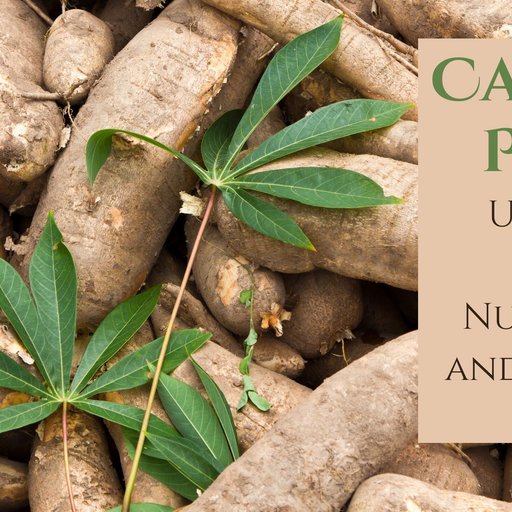
Cassava, a root vegetable, contains vitamins C and copper. It may potentially contain hazardous compounds if consumed fresh. Cassava is a root vegetable that is popular in many countries throughout the world. It contains a variety of critical nutrients, including resistant starch, which may have health benefits. This blog analyzes the unique properties of cassava plant.
Understanding the Cassava Plant: A Nutritional Powerhouse
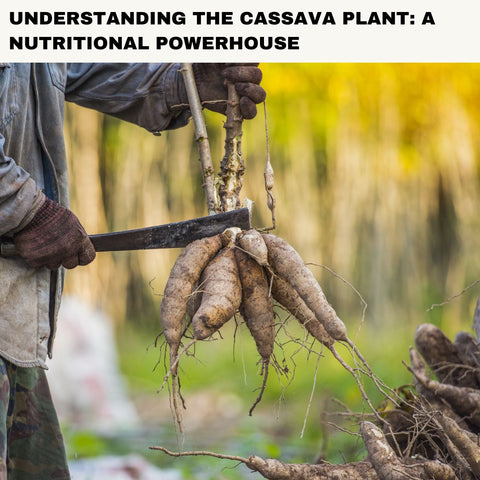
Cassava is a nutty-flavored, starchy root vegetable or tuber. It is native to South America and is a major source of calories and carbohydrates for many people worldwide. Nigeria, Thailand, and Indonesia are the world's top cassava producers. It is grown in tropical regions all over the world because of its ability to withstand tough growing conditions. Indeed, it is among the most drought-tolerant crops. Although both sweet and bitter cassava varieties exist, sweet cassava is more common in the United States, where it is also known as yuca, manioc, or Brazilian arrowroot. The cassava plant's root is the most commonly consumed part, and it is incredibly versatile. It can be eaten whole, grated, or ground into flour for bread or crackers. Cassava root is also used to manufacture tapioca, a starch, and garri, a tapioca-like product. Cassava root is gluten, grain, and nut-free, making it suitable for cooking and baking by persons with food sensitivities. It is critical to note that cassava root must be prepared before consumption because it is toxic if eaten raw.
Cassava Root vs. Cassava Leaves: Key Differences
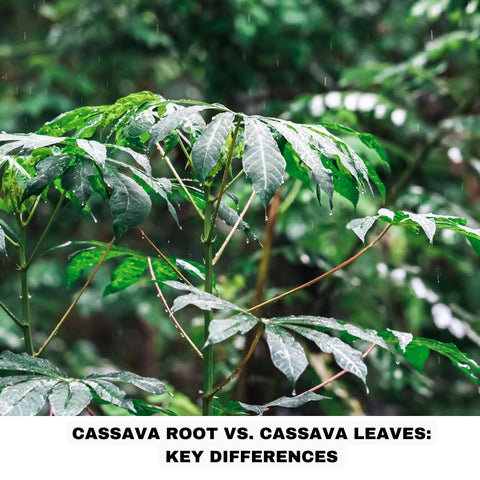
The primary distinctions between cassava roots and cassava leaves are:
-
Nutritional composition: Cassava root is high in carbohydrates, particularly starch, which is why it is widely utilized as a staple diet in many places. In contrast, cassava leaves are higher in nutrient density than the root. They are commonly used as a vegetable in a variety of cuisines and provide substantial health advantages due to their high vitamin, mineral, and protein content.
-
Toxicity and Preparation: Cassava root is edible and commonly consumed, but it must be carefully treated to remove naturally present toxins, including cyanogenic glycosides, which can produce cyanide when consumed in high quantities. However, cassava leaves contain cyanogenic chemicals that can be harmful if taken raw or incorrectly processed. However, cooking detoxifies these poisons.
-
Culinary uses: Cassava root is typically used as a starchy side dish or as the main element in a variety of culinary preparations. It is a versatile item that can be cooked, baked, fried, and ground into flour. Cassava leaves, on the other hand, are commonly used as a vegetable in a variety of traditional cuisines. They are commonly cooked and used in soups, stews, and casseroles, especially in African, Caribbean, and Southeast Asian cuisines.
-
Health benefits: Cassava root has several health benefits, including being an energy source, gluten-free, and good for digestion. Cassava leaves, on the other hand, provide numerous health benefits, including being high in micronutrients, anti-inflammatory, antioxidant-rich, and beneficial to bone health.
-
Availability and cost: Cassava root is commonly available in tropical and subtropical climates, as well as specialty stores around the world. It is reasonably priced and usually available in fresh, dried, or frozen forms. Fresh cassava root has a short shelf life, usually only a few days when stored at room temperature. To avoid spoiling, it must be consumed right away or stored carefully. Cassava leaves, on the other hand, are more region-specific; while they are widespread in tropical locations, they may be more difficult to find elsewhere. Dried cassava leaves are available at select specialty stores and internet vendors. Dried cassava leaves may be preserved for a long time and are commonly seen in international markets.
Essential Nutrients in Cassava for Overall Health
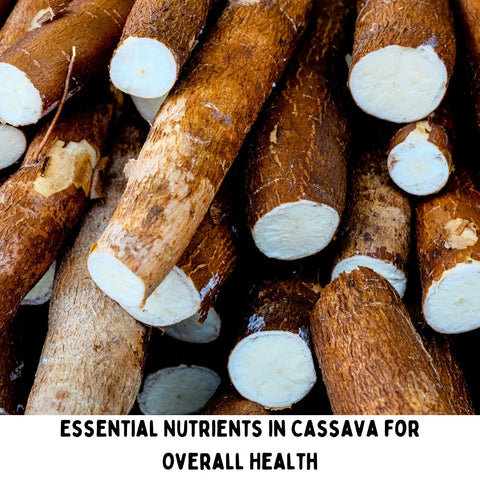
Cassava is a common root vegetable eaten in many parts of the world. Its high carbohydrate content, combined with a variety of vitamins, minerals, and other nutrients, make it a valuable source of energy and critical nutrients. While cassava is best known for its starchy roots, it also provides numerous health advantages that promote general well-being. Its essential components and health benefits are listed below:
-
Carbohydrates: Cassava's carbohydrates are largely complex carbohydrates (starch), which give a slow, constant release of energy, helping to maintain stable blood sugar levels. This makes cassava an excellent energy source for busy people, athletes, and those living in areas where other carbohydrate sources may be limited.
-
Dietary fiber: Fiber is essential for keeping your digestive tract healthy. It can also help regulate blood sugar levels by reducing sugar absorption into the bloodstream, which may contribute to decreasing cholesterol.
-
Vitamin C: Adequate vitamin C intake is required for wound healing, skin elasticity, and preventing scurvy. Furthermore, vitamin C's antioxidant qualities assist in counteracting oxidative stress, which can lower the risk of chronic diseases.
-
Vitamin A: It aids in the formation of retinol (the active form of vitamin A), which is required for proper vision, skin regeneration, and mucous membrane maintenance. It also contains antioxidants, which protect the body from oxidative harm.
-
Folate (Vitamin B9): It helps to prevent neural tube abnormalities in pregnant women and promotes general cellular health. It is also beneficial to heart health, as it may lower the risk of birth abnormalities, anemia, and cardiovascular disease.
-
Potassium: It helps to regulate blood pressure, lowering the risk of hypertension and strokes. It also helps muscles and nerves function properly and is essential for keeping the heart healthy.
-
Magnesium: It participates in more than 300 metabolic activities in the body, including protein synthesis, muscle and neuron function, and blood sugar management. It also improves bone health by promoting calcium absorption.
-
Iron: It is critical for avoiding iron-deficiency anemia, which can cause fatigue, weakness, and poor cognitive performance. It also improves immunological function and promotes collagen formation.
-
Calcium: It is vital for avoiding osteoporosis, preserving bone density, and promoting general skeletal health. Adequate calcium consumption also contributes to a healthy cardiovascular system.
-
Phosphorus: It is required for the production of ATP (adenosine triphosphate), the body's main energy molecule. It is also required for DNA, RNA, and protein synthesis, making it critical for total cell development and repair.
-
Antioxidants: It neutralize damaging free radicals in the body, lowering oxidative stress and inflammation. This could help prevent chronic diseases such as heart disease, cancer, and neurological disorders like Alzheimer's.
Common Myths About Cassava Consumption
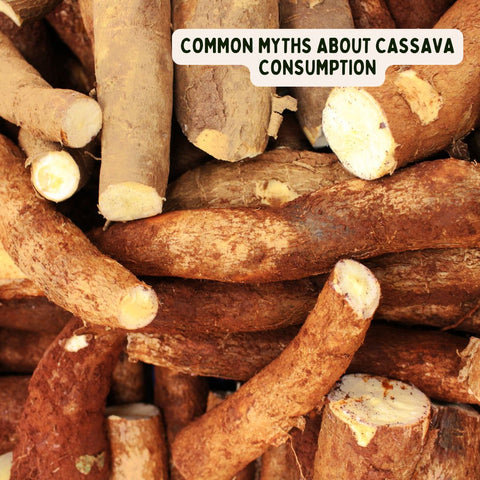
Some of the most common myths about cassava consumption and set the record straight.
-
Myth: Cassava is dangerous to eat without preparation.
-
Reality: While it’s true that cassava contains cyanogenic compounds (specifically cyanogenic glycosides) that can release cyanide when consumed in large amounts, proper preparation can eliminate this risk.
-
Myth: Cassava is low in nutrients and provides no health benefits.
-
Reality: Cassava is often regarded as an empty-calorie food due to its high carbohydrate content, but it contains a wide range of important nutrients.
-
Myth: Cassava should be avoided on gluten-free diets.
-
Reality: Cassava is naturally gluten-free, making it an ideal option for people with celiac disease or those following a gluten-free diet.
-
Myth: Cassava causes weight gain.
-
Reality: While cassava is calorie-dense due to its high carbohydrate content, it is not inherently fattening. Like any food, cassava's effects on body weight depend on the portion size and the overall balance of the diet.
-
Myth: Cassava is a poor choice for people with diabetes.
-
Reality: Although cassava has a high glycemic index (GI) due to its starch content, it can still be consumed in moderation by people with diabetes when combined with other foods that balance blood sugar levels.
-
Myth: Cassava is only useful as a starch source.
-
Reality: While cassava is primarily known for its starchy roots, it has a variety of other uses, particularly the leaves.
The Skincare and Beauty Benefits of Cassava
-
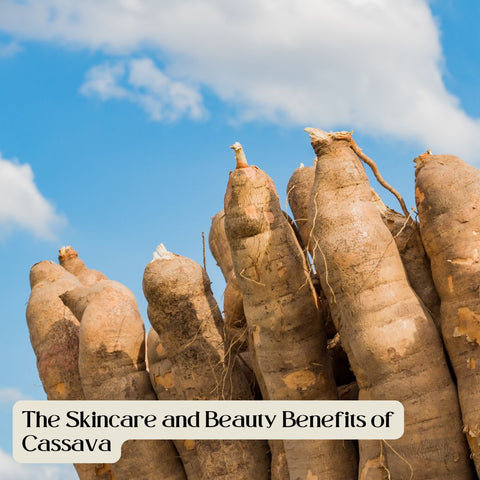
Rich in antioxidants for skin protection: Cassava is high in antioxidants, which help protect the skin from the oxidative stress generated by free radicals. These antioxidants include vitamin C, vitamin A, and flavonoids, all of which help to fight premature aging and damage from environmental causes including pollution, UV rays, and pollutants.
-
Moisturizing and moisturizing properties: Cassava is high in water content and can help keep your skin hydrated if ingested regularly. Proper hydration is vital for keeping skin soft and supple while avoiding dryness and flakiness.
-
Collagen development: Cassava is high in vitamin C, which is essential for collagen production. Collagen is an essential protein that contributes to the structure and flexibility of the skin. Collagen production naturally diminishes with age, resulting in wrinkles and a loss of firmness.
-
Even skin tone: Cassava includes vitamin C and flavonoids, both of which are known to brighten the complexion. Cassava consumption on a regular basis can help to even out skin tone and lessen the appearance of dark patches, hyperpigmentation, and unevenness.
-
Acne and skin inflammation: Cassava's anti-inflammatory qualities can help reduce skin irritation and redness caused by conditions including acne, eczema, and psoriasis.
-
Healing and repairing skin: Cassava includes vital nutrients for skin health, including iron, magnesium, and calcium. These minerals help to heal wounds, regenerate cells, and mend skin.
-
Topical applications: In addition to its health benefits, cassava is used topically in a variety of ways to improve cosmetic practices.
-
Hair health: Cassava's benefits extend beyond the skin. Cassava has vitamins and minerals that can help promote healthy hair development and scalp health.
Cassava for Hydrated and Radiant Skin
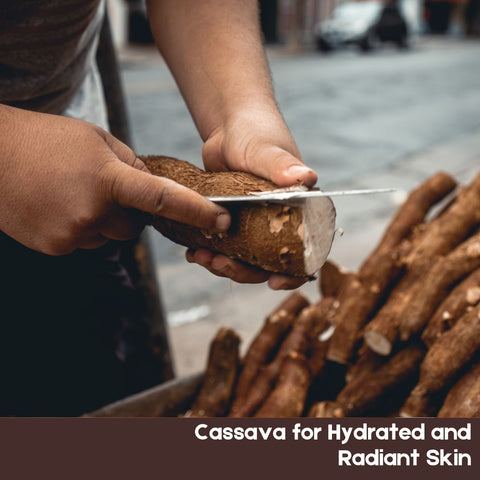
Cassava is a popular root vegetable that has been consumed for ages in various regions of the world due to its nutritional and health benefits. Aside from its culinary applications, cassava is becoming increasingly famous for its potential to promote healthy, moisturized, and beautiful skin. Cassava is high in important vitamins, minerals, and antioxidants, and it has numerous beauty benefits that can help improve the appearance and condition of your skin.
Cassava Extract in Skincare: How It Works
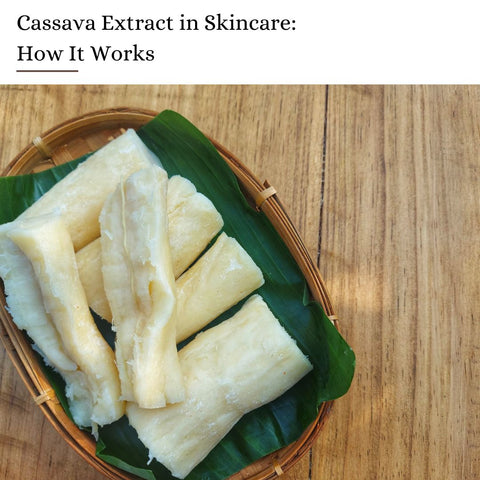
Cassava extract is an efficient, mild, and multi-functional substance that can assist a wide range of skin conditions. It can address a variety of skincare concerns, including increased hydration, improved skin elasticity, anti-aging properties, and soothing sensitive skin.
-
Hydration helps to keep the skin moist and plump.
-
Anti-aging treatments stimulate collagen production and improve skin firmness.
-
Protection provides an antioxidant defense against free radicals.
-
Soothing lowers inflammation and irritation.
-
Exfoliation gently removes dead skin cells, resulting in a smoother texture.
Including cassava extract in your skincare routine will help you attain healthier, more radiant, and youthful skin. Cassava extract, whether used as a primary component in moisturizing moisturizers, anti-aging serums, or soothing masks, offers a natural answer to a variety of skin ailments.
DIY Cassava Face Masks for Glowing Skin

Some simple and effective DIY cassava face masks you can try at home include:
-
Cassava and honey hydrating face mask: Combine 2 tablespoons cassava powder (or paste), 1 tablespoon raw honey, and 1-2 teaspoons water or rose water (for a smoother consistency). In a bowl, combine the cassava powder and honey. Add water or rose water gradually until the paste is smooth and spreadable. Apply the mixture to your face, concentrating on the areas that are dry or want additional hydration. Leave the mask on for 15 to 20 minutes. Rinse with lukewarm water, then wipe dry with a clean towel.
-
Cassava and turmeric brightening face mask: Combine 2 tablespoons cassava powder or paste, 1 teaspoon turmeric powder, 1 tablespoon yogurt (for added hydration) or water, and 1 teaspoon honey (optional). In a bowl, combine the cassava powder, turmeric powder, and yogurt (or water) and mix until smooth. If you want more hydration and a relaxing effect, add some honey. Apply the mixture to your face and leave for 10-15 minutes. Rinse gently with lukewarm water and dry with a towel.
-
Cassava and aloe vera soothing face mask: Combine 2 teaspoons cassava powder or paste, 2 tablespoons aloe vera gel (fresh or store-bought), and 1 teaspoon honey (optional). In a bowl, combine the cassava powder and aloe vera gel until a smooth paste develops. If needed, add honey to provide additional soothing and hydration. Apply the mask on your face, concentrating on any areas that are irritating or inflamed. Leave the mask on for 15 to 20 minutes. Rinse with lukewarm water, then gently pat dry.
-
Cassava and lemon juice exfoliating face mask: Combine 2 tablespoons cassava powder or paste, 1 teaspoon fresh lemon juice, 1 teaspoon honey (optional), and a few drops of water (to modify consistency). Combine the cassava powder, lemon juice, and honey in a bowl. Add a few drops of water to create a smooth, paste-like consistency. To gently exfoliate your face, apply the mask in a circular motion. Leave it on for 10-15 minutes, then rinse with warm water. Pat dry with a towel.
-
Cassava and green tea anti-aging face mask: Combine 2 tablespoons cassava powder or paste, 1 tablespoon cooled green tea, and 1 teaspoon honey or yogurt (optional). Brew a cup of green tea and let it cool. Combine the cassava powder and the cooled green tea until you get a smooth mixture. If you want to add more moisture, mix in some honey or yogurt. Place the mask on your face and leave it for 15-20 minutes. Rinse with lukewarm water, then pat dry.
-
Cassava and avocado nutritious face mask: Combine 2 tablespoons cassava powder or paste, 1/2 ripe avocado, and 1 teaspoon honey (optional). Mash the ripe avocados until smooth. Mix the mashed avocado with the cassava powder or paste to get a thick, creamy mixture. Place the mask on your face and let it sit for 15-20 minutes. Rinse with lukewarm water, then pat dry.
Health Benefits of Cassava Beyond Nutrition
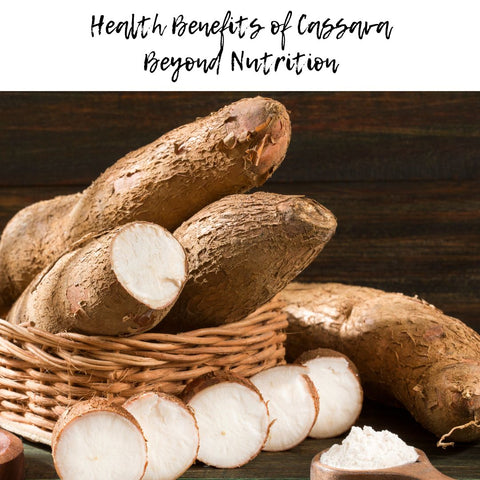
Cassava has health benefits beyond its nutritional value. This humble root vegetable has numerous health benefits, including improved skin, digestive health, immune function, and even weight control, making it an ideal addition to a well-balanced, healthy diet. With its numerous vitamins, minerals, and beneficial compounds, it provides essential nutrients and supports a wide range of biological activities, making it more than just a tasty food; it is a natural ally for overall health and wellness.
How Cassava Supports Digestive Health
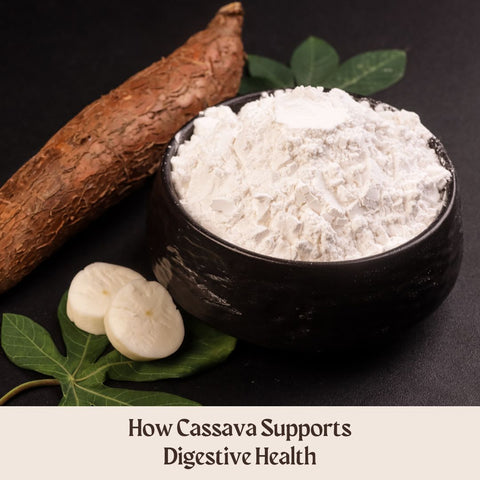
Cassava, a popular root vegetable worldwide, has several health benefits in addition to its nutritional worth. One of its most notable effects is on gastrointestinal health. Cassava's unique composition, which includes fiber, carbohydrates, and prebiotic properties, making it an excellent diet for improving digestive health. Here's how cassava promotes gut health:
-
Rich in dietary fiber: Cassava is high in dietary fiber, which helps with digestion. Fiber regulates bowel motions, increases stool consistency, and enhances overall gut health.
-
Resistant starch for gut health: Cassava includes a lot of resistant starch, which is a form of carbohydrate that isn't completely digested in the small intestine. Instead, it enters the colon, where it functions as a prebiotic.
-
Relieve constipation: Cassava's fiber and resistant starch content can help treat constipation by bulking up the stool and increasing its transit through the digestive tract.
-
Gut microbiome balance: Cassava's resistant starch and high fiber content aid in balancing the gut microbiome by promoting the growth of helpful bacteria while inhibiting the growth of harmful bacteria. This equilibrium is crucial for proper digestion.
-
Alleviates bloating and gas: Bloating and gas are frequent digestive symptoms that can be alleviated. Because cassava includes a moderate amount of resistant starch, it can help with digestion without creating significant bloating, which is common with starchy foods.
-
Supports a healthy liver and detoxification: Cassava's high fiber content not only aids digestion, but also promotes liver function. A functioning liver is crucial for detoxifying the body and breaking down waste products such as excess lipids and poisons.
-
Alkalizing effect on the stomach: It has an alkalizing impact on the stomach, which is excellent for those who suffer from acid reflux or heartburn.
-
Sustained energy for digestive processes: It is a complex carbohydrate that releases glucose into the bloodstream slowly and steadily, providing the body with constant energy. This can be especially beneficial for maintaining the digestive system's regular operations.
Cassava’s Role in Boosting Immunity
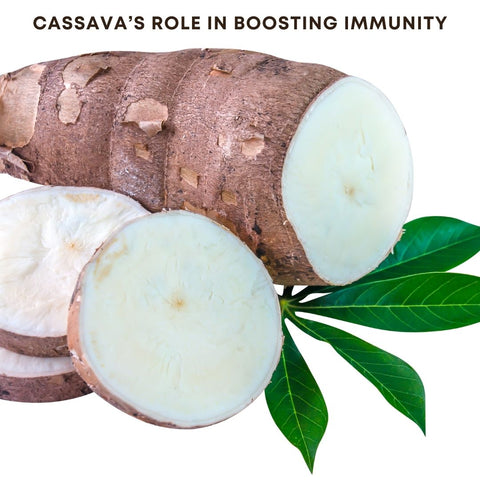
Cassava is more than simply a carbohydrate-rich root vegetable; it's also an important ally in maintaining a robust and functional immune system. It is abundant in vitamin C, anti-inflammatory chemicals, fiber, minerals, and antioxidants, which aid to:
-
Strengthen immune cell production and function.
-
Promote a healthy gut microbiome.
-
Reduces inflammation and oxidative stress.
-
Detoxify the body and promote liver health.
By adding cassava to your diet, you can improve your general health, strengthen your immune system's capacity to fend off illnesses and infections, and increase your body's natural defenses.
Cassava for Hair Strength and Growth
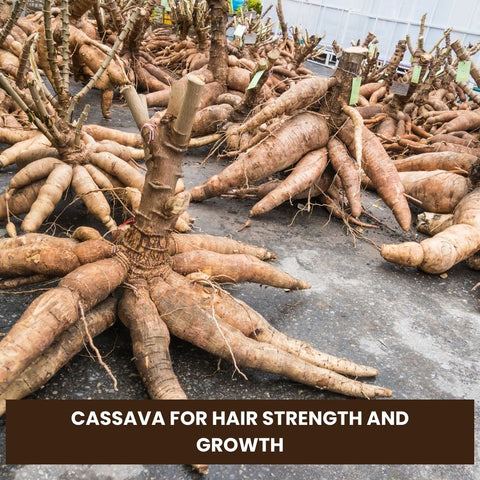
Cassava is more than simply a nutrient-dense root vegetable; it's an effective ally in creating thicker, better, and longer hair. Cassava contains vitamins, minerals, antioxidants, and natural starches that help to build hair follicles, nourish the scalp, minimize breakage, and improve the overall appearance of your hair. It, ingested as part of your diet or applied topically in DIY hair treatments, can be a powerful natural therapy for boosting hair health, preventing hair loss, and stimulating growth. By incorporating cassava into your wellness routine, you may maximize its potential for hair strength and development.
Is Cassava Right for You? Final Thoughts on Incorporating It into Your Routine
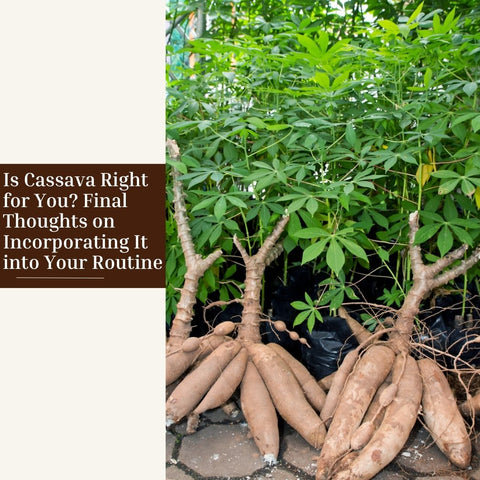
Cassava provides a variety of health benefits, including improved digestive health, better skin and hair care, and increased immunity. It's a versatile and nutritious cuisine that may easily be incorporated into your everyday routine, whether for meals or beauty treatments. However, before incorporating cassava into your diet, make sure you understand the right preparation procedures and consider any dietary restrictions you may have. As with any food, balance is essential—incorporating cassava into a broad, well-rounded diet will allow you to gain the advantages without going overboard.