Choosing the Right Calcium: Plant-Based vs. Carbonate vs. Citrate
Calcium is required for bone health, muscular function, nerve transmission, and other biological activities. There are numerous types of calcium supplements available, and selecting the proper one can affect absorption, effectiveness, and digestive comfort. Calcium carbonate, calcium citrate, and plant-based calcium are the three most often used calcium supplements. This article will explain each choice so you can make an informed decision.
Understanding Different Calcium Forms: Plant-Based, Carbonate, and Citrate
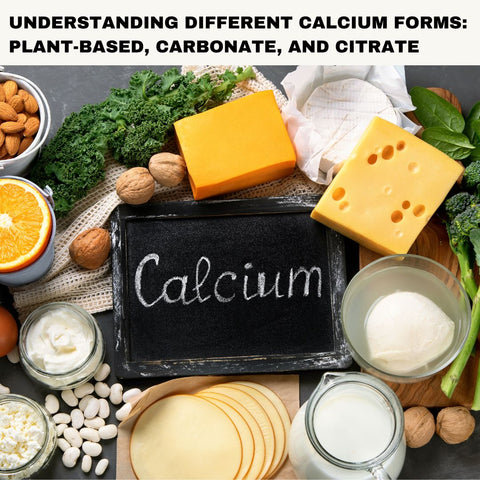
Your health demands, digestive function, and dietary preferences determine your optimal calcium supplement. Calcium carbonate is a strong and inexpensive alternative, but it requires stomach acid to absorb and may cause digestive issues. Calcium citrate has a faster absorption rate and is easier on the stomach, although it is more expensive. Plant-based calcium is a natural source of calcium with added benefits such as trace minerals; nevertheless, it is usually lower in calcium concentration and more expensive.
Plant-Based Calcium: Benefits and Sources
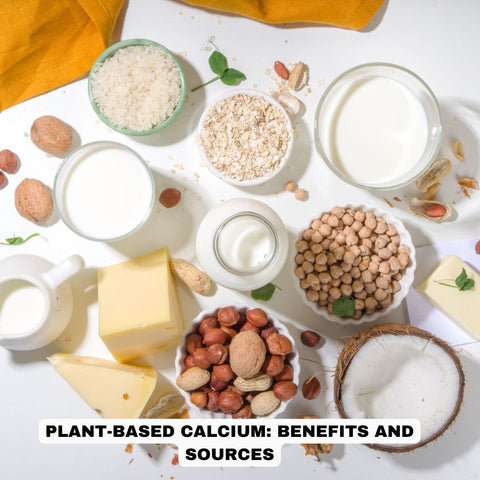
Plant-based calcium supplements are made from natural ingredients such as plants, algae, and seaweed. These products provide a more comprehensive approach to calcium supplementation, frequently including additional minerals and nutrients that promote overall bone health. Understanding the advantages and natural sources of plant-based calcium supplements will help you make an informed choice.
Benefits
-
Plant-based calcium is often more readily absorbed by the body than synthetic versions such as calcium carbonate. This is because it is derived from natural food sources, which contain additional minerals and vitamins that help calcium absorption. Calcium from algae or seaweed is frequently associated with other helpful trace elements such as magnesium, potassium, and boron, which work together to boost bone health and the body's ability to absorb calcium.
-
Plant-based calcium is generally easier on the digestive system than other types of calcium, such as calcium carbonate. It is less likely to result in digestive problems such as bloating, constipation, or gas. This makes it an excellent alternative for people with sensitive stomachs or who have trouble digesting conventional calcium supplements.
-
Plant-based calcium is free of synthetic additives and fillers that other calcium supplements may have. For those who would rather stay away from synthetic chemicals, this makes it a more comprehensive choice.
-
Many plant-based calcium supplements, particularly those derived from algae, contain additional minerals that promote bone health, including magnesium, vitamin D, vitamin K, and phosphorus. These minerals are essential for bone strength and proper calcium absorption. Magnesium, for example, is required for calcium metabolism and bone growth, but vitamin D promotes calcium absorption in the intestine.
-
Some studies suggest that plant-based calcium is less likely to contribute to kidney stone formation than calcium carbonate because it is more accessible and does not require stomach acid for absorption.
-
For those on a vegetarian or vegan diet, plant-based calcium is a great option. For those who prefer a plant-based diet, it offers a calcium source devoid of animal products, which is highly advantageous. Moreover, compared to calcium mining or synthetic production methods, algae-based calcium is thought to be more environmentally friendly and sustainable.
Sources
-
AlgaeCal is a popular plant-based calcium supplement derived from sea algae. It is commonly touted for both its high calcium content and its additional minerals, which include magnesium, vitamin D3, and boron. This form of calcium is extremely bioavailable and widely recognized as one of the best natural calcium sources.
-
Seaweed is an excellent natural source of calcium and other vital minerals. Kelp, wakame, and dulse are marine vegetables rich in calcium as well as trace minerals such as iodine, magnesium, and potassium, all of which are good for general health. Seaweed can be ingested in a variety of ways, including dried, in soups, and as supplements.
-
While leafy greens like spinach, kale, collards, and others contain calcium, they also contain oxalates, which can reduce the absorption of calcium. Despite this, they are a great way to get calcium from plants, especially if you eat them regularly as part of a healthy diet. While they may not contain as much calcium as other sources, these greens are high in other minerals such as vitamin C, A, and K, which promote bone health.
-
Broccoli, bok choy, Brussels sprouts, and other cruciferous vegetables are high in calcium. They also contain other vitamins and minerals that enhance overall health, such as vitamins K and C. Calcium in these vegetables is more bioavailable than in other plant-based sources, especially when cooked.
-
Oranges, blackberries, figs, and dried apricots all contain considerable levels of calcium. While not as high in calcium as veggies or algae, they can help you meet your daily requirements, especially if consumed regularly as part of a well-balanced diet. These fruits also include fiber, antioxidants, and vitamins, which promote bone health and overall well-being.
-
Many plant-based milks (such as almond, soy, and oat milk) are calcium-fortified, making them an ideal choice for those who avoid dairy. Fortified plant-based milks usually include calcium and other nutrients like vitamin D, which aid in calcium absorption.
-
Tofu and tempeh, both prepared from soybeans, are great providers of plant-based calcium. Depending on how the tofu is made, its calcium content might vary; certain types contain calcium sulfate, which makes them high in calcium. These are versatile, high-protein dishes that are high in calcium and other essential nutrients and may be employed in many different types of cooking.
-
Chia and sesame seeds are high in calcium and include omega-3 fatty acids, fiber, and antioxidants. A small serving of these seeds can meet a large percentage of your daily calcium requirements. These seeds can be used for smoothies, baked goods, and salads.
Calcium Carbonate: Pros and Cons
Due to its low cost and high calcium content, calcium carbonate is one of the most often used calcium supplements. But like any supplement, it has advantages and disadvantages. Here's a closer look at the Pros and Cons of calcium carbonate to help you decide if it's the best choice for your calcium needs.
Pros
-
One of the greatest calcium concentrations seen in any supplement form is found in calcium carbonate, which has roughly 40% calcium by weight. This makes it more effective at supplying your daily calcium needs because you receive a large amount of calcium in a lower dose.
-
Calcium carbonate's low cost is one of its most significant advantages. It is commonly available and less expensive than other types of calcium, such as calcium citrate or plant-based calcium.
-
Calcium carbonate is one of the most popular calcium supplements on the market, making it easy to find in stores or online. It is available in a variety of forms, such as powders, chewables, and pills.
-
Calcium carbonate consumption regularly strengthens bones, lowers the risk of osteoporosis, and promotes bone health by raising blood calcium levels.
-
In addition to supplements, calcium carbonate is available in fortified foods such as orange juice, breakfast cereals, and plant-based milk. This makes it simple to integrate into your regular diet.
Cons
-
One significant drawback of calcium carbonate is that it requires stomach acid for optimal absorption. This means it should be taken with food to aid in the breakdown and absorption of calcium. Calcium carbonate may not be absorbed effectively in people with low stomach acid (such as elderly people or those using acid-reducing drugs), which would decrease its effectiveness.
-
Some people may experience gastrointestinal side effects such as bloating, gas, constipation, or indigestion when taking calcium carbonate, especially at higher doses. It can be more difficult for people with delicate digestive systems, although this can be alleviated by dividing doses or taking it with meals.
-
There is some evidence that calcium carbonate may be associated with an increased risk of kidney stones in certain people. This is owing to its high calcium content and ability to elevate calcium levels in the urine. While kidney stones are not a common side effect for everyone, those who are predisposed to them should investigate alternative forms of calcium supplements.
-
Because calcium carbonate contains so much calcium, taking too much of it could result in an overdose. Hypercalcemia, or high blood calcium levels, can result from excessive calcium consumption and induce symptoms like nausea, vomiting, and disorientation. It's critical to strictly adhere to dosage guidelines and get advice from a healthcare professional if you're not sure what the appropriate dosage is for you.
-
Calcium carbonate may not be the best choice for people with certain medical conditions, such as gastritis or acid reflux, since it requires stomach acid for absorption and can exacerbate these conditions. People on medications that lower stomach acid (like proton pump inhibitors or antacids) may not absorb calcium carbonate well, potentially reducing its effectiveness.
Calcium Citrate: Advantages and Uses
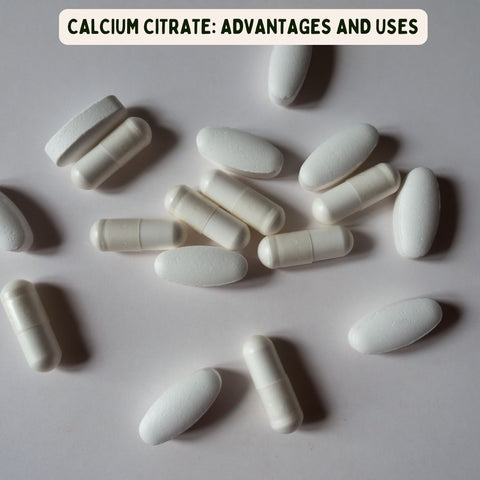
One of the most often used calcium supplements is calcium citrate because of its high absorption and safe effects on the digestive tract. For many people, calcium citrate is the best option because it doesn't require stomach acid to be absorbed, unlike other types of calcium like calcium carbonate. The main advantages and uses of calcium citrate are as follows.
Advantages
-
Calcium citrate is more readily absorbed by the body than other forms of calcium, such as calcium carbonate. It doesn't require stomach acid to be broken down, making it appropriate for persons with low stomach acid or those on stomach acid-reducing drugs, such as proton pump inhibitors (PPIs). The absorption is not significantly impacted by food, so it can be taken with or without meals, offering more flexibility in dosing.
-
Unlike calcium carbonate, which may cause digestive discomfort such as bloating, gas, and constipation, calcium citrate is gentler on the digestive system. It is a suitable option for those with sensitive stomachs or illnesses like acid reflux or gastritis because it is less prone to induce gastrointestinal adverse effects.
-
As stomach acid production decreases with age, calcium citrate becomes a preferred form of calcium for older adults. Since it doesn’t require stomach acid for absorption, it is more easily absorbed in individuals with reduced gastric acidity, helping them maintain adequate calcium levels for bone health.
-
Some studies suggest that calcium citrate may have a lower risk of contributing to kidney stones compared to other forms of calcium, like calcium carbonate. This is because calcium citrate has a less pronounced effect on urinary calcium levels, which is a major factor in kidney stone formation.
-
While calcium carbonate needs to be taken with food to aid absorption, calcium citrate can be taken on an empty stomach. This makes it a more convenient option for people who need to space out their calcium intake throughout the day.
-
Calcium citrate delivers a moderate amount of calcium per dose (usually 21% calcium by weight), lowering the danger of calcium overdose (hypercalcemia) as compared to high-concentration supplements such as calcium carbonate, which contains 40% calcium by weight.
-
Because it’s better tolerated by the digestive system, calcium citrate rarely causes gas, bloating, or constipation, which are common complaints with other calcium supplements, particularly calcium carbonate.
Uses
-
Calcium citrate is commonly used to help prevent and treat osteoporosis, a condition characterized by weak, brittle bones. Consuming calcium regularly lowers the risk of fractures and preserves bone density, particularly as people age. Calcium citrate can boost bone health because calcium is necessary for bone production and maintenance. This is especially true when paired with other nutrients like vitamin D, which improves calcium absorption.
-
People with hypochlorhydria (low stomach acid) and those who use antacids or proton pump inhibitors (PPIs) may have trouble absorbing calcium carbonate. In such circumstances, calcium citrate is a better option because it does not require stomach acid for absorption. Calcium citrate is also ideal for people recovering from gastric surgery which may affect stomach acid production.
-
Calcium is vital during pregnancy and breastfeeding for the development of the baby’s bones and teeth. Since calcium citrate is well absorbed and gentle on the digestive system, it is a suitable option for pregnant women who need to meet their increased calcium needs. It can help prevent calcium deficiency, which is essential for maintaining bone density and ensuring healthy fetal development.
-
For people who are vegetarian or vegan, lactose intolerant, or those who don’t consume enough dairy products, calcium citrate is a useful supplement to ensure they are getting adequate calcium intake for muscle function, nerve health, and bone strength. For those with digestive problems who have trouble absorbing calcium from meals, calcium citrate is frequently the recommended option.
-
Beyond bone health, calcium citrate can support the maintenance of the body's ideal calcium levels, which are necessary for a number of processes. Calcium plays a role in muscle contraction, nerve signaling, and blood clotting. Therefore, adequate calcium intake is critical for overall health.
How to Decide Which Calcium Type is Best for You
-
Calcium Carbonate is best for individuals with normal stomach acid production who can tolerate its digestive effects and need a high-dose supplement in fewer pills. It is also a more affordable option for those on a budget.
-
For those with little stomach acid, digestive issues, or a higher risk of kidney stones, calcium citrate is a preferable option. Although it might take more pills to achieve their calcium needs, it is also a good choice for those who prefer a gentler supplement that can be taken with or without food.
Finally, the optimal calcium supplement for you will depend on your health, lifestyle, and tolerance. If you're not sure which type is ideal for you, a healthcare expert or nutritionist can assist you choose the finest option for your specific needs.
Absorption Rates: Comparing Calcium Options
The form of calcium you take will determine how quickly it is absorbed, so it's important to know your digestive system and any particular health requirements. Calcium lactate or citrate may be the best choices if you have low stomach acid or are worried about digestive pain. It might be a more practical and economical option, though, if you can handle calcium carbonate and would rather take fewer pills.
Digestive Tolerance and Side Effects

When selecting a calcium supplement, it is essential to consider digestive tolerance to avoid discomfort such as constipation, bloating, or acid reflux. Calcium citrate is the most digestible choice, particularly for those with sensitive stomachs or low stomach acid. Calcium carbonate may be a decent choice for those who do not have digestive troubles, but it can also cause constipation or indigestion. If calcium carbonate causes digestive discomfort, calcium lactate or calcium gluconate may be softer options.
Suitability for Vegan and Vegetarian Diets

It's crucial to take the source of a calcium supplement into account when selecting one, particularly for those on vegetarian or vegan diets. While some calcium supplements are synthetic or plant-based, others come from animal sources. The following summarizes which forms of calcium are appropriate for vegetarian and vegan diets:
-
Calcium Carbonate: Vegetarians are generally acceptable, but check the source to ensure it is not produced from marine species. Vegans are generally unsuitable unless clearly stated that it is derived from limestone or a plant-based origin.
-
Calcium Citrate: Most vegetarians can use vegetarians, but it's always advisable to double-check the calcium source. Generally speaking, vegans are tolerant to synthetic materials made from limestone or plants.
-
Calcium Lactate: Vegetarians are generally suitable, but ensure that the lactic acid is plant-based. Vegans are not often vegan unless clearly stated as plant-based.
-
Calcium Gluconate: Vegetarians are suitable for vegetarians. Vegans are suitable for most vegans, as it is synthesized and not derived from animal sources.
-
Algae-Based Calcium (Plant-Based): Vegetarians are suitable for vegetarians, particularly those who prefer plant-based sources of calcium. Vegans are suitable for most vegans, as it’s derived from marine plants rather than animals.
-
Fortified Plant-Based Milk (Calcium-Fortified): Vegetarians are suitable for vegetarians. Vegans are suitable for vegans, as long as the milk is plant-based and the calcium is plant-derived.
Calcium and Bone Health: Ensuring Optimal Absorption

Maintaining healthy bones and avoiding diseases like osteoporosis require optimal calcium absorption. To optimize the absorption of calcium:
-
Choose the right calcium supplement (calcium citrate is often the best option).
-
Take calcium at the recommended times (in divided doses, with meals if necessary).
-
Combine calcium and vitamin D for optimal absorption.
-
Eat a well-balanced diet that includes other minerals such as magnesium and vitamin K2.
-
Maintain a healthy lifestyle with exercise and weight management.
By following these measures, you can guarantee that your body absorbs and uses calcium effectively to maintain bone health throughout your life.
Role of Vitamin D in Calcium Absorption
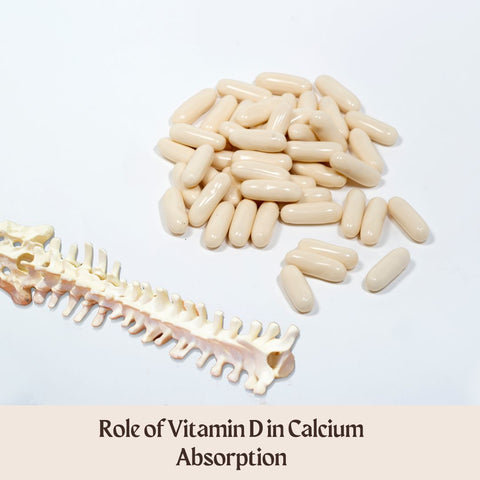
Vitamin D is an essential mineral that promotes calcium absorption and bone health. It aids in the absorption of calcium from meals and supplements, making calcium available for bone mineralization and maintenance. Without enough vitamin D, the body cannot absorb calcium properly, resulting in weakening bones and an increased risk of fractures. Here's how vitamin D improves calcium absorption and bone health:
-
Vitamin D enhances calcium absorption in the gut: The small intestine is where vitamin D primarily aids in calcium absorption by facilitating the movement of calcium from the digestive tract into the bloodstream. Intestinal cells produce more calcium-binding proteins when vitamin D is present. These proteins aid in the passage of calcium into the bloodstream through the gut wall. The body's capacity to absorb calcium from diet is enhanced when vitamin D is present. Without adequate vitamin D, the intestinal absorption rate of calcium is reduced by up to 30-40%.
-
Regulation of calcium levels in the blood: Vitamin D regulates calcium levels in the blood, which helps the body maintain calcium equilibrium. It accomplishes this by influencing calcium intake as well as calcium release and storage in the bones. When blood calcium levels are low, vitamin D stimulates the release of calcium from the bones, increasing calcium levels in the blood. It also stimulates calcium reabsorption by the kidneys, hence reducing excessive calcium loss in urine.
-
Bone mineralization and strength: Calcium is correctly deposited in the bones for mineralization thanks to vitamin D. Additionally, it encourages bone remodeling and development. Together with calcium, vitamin D aids in the formation of the mineral matrix that makes up bone tissue. Insufficient vitamin D can cause bones to become brittle, mushy, and prone to abnormalities (such osteomalacia in adults or rickets in youngsters). Because older persons are more likely to have bone loss, vitamin D helps maintain bone density and lowers the risk of osteoporosis.
-
Vitamin D deficiency and its impact on calcium absorption: Even if there is enough calcium in the diet, the body cannot absorb it adequately unless it has adequate vitamin D. This can cause a range of health complications, including hypocalcemia, osteoporosis, osteomalacia, and rickets.
-
Sources of vitamin D: To ensure optimal calcium absorption, you need to maintain adequate levels of vitamin D. The two main sources of vitamin D are Sunlight, Dietary Supplements, and Sources.
-
Vitamin D and calcium supplementation: When using calcium supplements, it's usually advised to combine them with vitamin D. To ensure that the body uses the calcium in your supplement efficiently, vitamin D greatly improves the absorption of calcium from the intestines. Calcium and vitamin D work together to strengthen bones, with vitamin D making sure that calcium is taken up, moved, and used for bone maintenance and growth.
-
Recommended vitamin D intake: The amount of vitamin D needed varies depending on age, geographic location, and lifestyle. The general recommendations for daily vitamin D intake are Adults under 70 should take 600 IU per day. Adults over 70 should take 800 IU per day. Pregnant or breastfeeding women need 600 IU per day. For kids aged 1 to 18, 600 IU daily In some cases, higher doses of vitamin D may be necessary, especially if you are deficient. A blood test can determine your vitamin D levels, and a healthcare provider can recommend the appropriate dosage.
Tips for Maximizing Calcium Intake
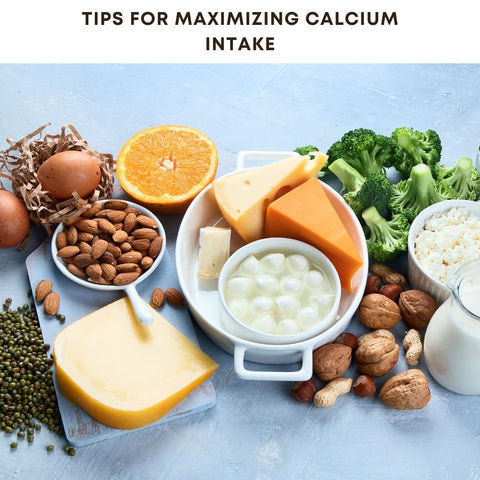
Calcium is necessary for strong bones, healthy teeth, and normal muscle and nerve function. Ensuring proper calcium consumption is critical for bone health, especially as we age. Here are some practical strategies to help you maximize your calcium consumption. include Calcium-rich foods in every meal, pair calcium with vitamin D, divide calcium intake throughout the day, be mindful of calcium absorption inhibitors, consider calcium supplements (if necessary), stay active with weight-bearing exercises, limit alcohol consumption, maintain healthy body weight, support bone health with other nutrients, and monitor your calcium levels.
Calcium Supplementation: Timing and Dosage

To maximize the effects of calcium supplements, consider both time and dosage. To improve absorption, take calcium in smaller, split doses throughout the day, preferably with meals. Maintain a sufficient vitamin D intake to improve calcium absorption, and always consult with a healthcare expert to identify the best amount and kind of supplement for your unique needs.
Choosing the Right Calcium: A Personalized Approach
Choosing the proper calcium supplement requires taking into account your age, digestive health, nutrition, exercise level, and any existing health concerns. Understanding how your body absorbs calcium and how it interacts with other critical nutrients such as vitamin D can make a big difference in bone health. It is always important that you consult with a healthcare expert to verify that you select the best form, dosage, and timing for your unique needs. Whether you require calcium citrate, calcium carbonate, or a plant-based supplement, tailored supplementation can help you achieve your calcium requirements efficiently.