

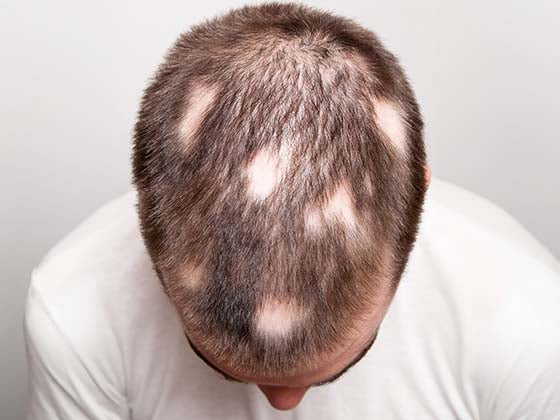



Comprehensive care for transgender hair health entails knowing the unique demands and obstacles that transgender people encounter in maintaining healthy hair. In this blog, we will look at several important elements to consider.
The Importance of Hair Health in the Transgender Community

Addressing hair health in the transgender population is critical for confirming gender identification, improving mental health, and increasing overall well-being. It entails recognizing the specific impacts of hormonal medication, offering access to affirming hair care options, and creating a supportive community context.
Unique Hair Challenges Faced by Transgender Individuals

Transgender people confront several specific hair-related issues that originate from both their gender transition and cultural circumstances. To address these issues, a comprehensive approach is required, which includes medical support for hormone therapy side effects, access to affirming hair care services, education and advocacy for transgender-specific hair care needs, and the promotion of inclusive and supportive environments within the community and society as a whole.
The Role of Hormone Therapy in Hair Health

Hormone therapy (HRT) has a substantial impact on transgender people's hair health, influencing both growth patterns and hair texture. Here's an in-depth look at how hormone therapy impacts hair health:
1. Estrogen Therapy (for Transgender Women): Estrogen therapy often causes a loss in scalp hair thickness and oiliness. This can cause softer, finer hair growth on the scalp. Estrogen frequently lowers body hair development, including facial hair, however, it may not completely remove it. Many transgender women report that estrogen therapy causes their body hair to become less coarse and grow more slowly over time.
2. Testosterone Therapy (for Transgender Men): Testosterone therapy does not often alter scalp hair growth patterns. However, some transgender males may notice a minor increase in hair thickness and oiliness. Testosterone therapy often causes increased body and facial hair growth. This can involve the development of male-pattern baldness in genetically prone people.
3. Effects on Hair Growth Cycle: Hormone therapy might affect the hair growth cycle. For example, testosterone can shorten the resting period (telogen) of hair growth, resulting in more hair in the active growth phase (anagen). Estrogen, on the other hand, may extend the anagen phase and slow hair shedding, perhaps resulting in thicker and longer-lasting hair.
4. Hair Loss and Regrowth: Both estrogen and testosterone treatments can influence hair loss patterns. Reduced testosterone levels in transgender women can help slow male-pattern baldness. For transgender males, testosterone can aggravate existing hair loss or cause male-pattern baldness. Some people may get hair loss as a side effect of hormone therapy. This can be upsetting and may demand extra therapies or changes to hormone levels.
5. Monitoring and Adjustments: Transgender people who are undergoing hormone therapy should have their hormone levels and hair health checked regularly. Healthcare providers can monitor any changes in hair growth patterns and modify hormone dosages accordingly.
6. Combination Therapies: Some transgender people may choose a mix of hormone therapy and hair restoration medications (such as minoxidil or finasteride) to address specific hair issues. These treatments should be addressed with a healthcare physician to confirm their safety and efficacy when used in conjunction with hormone therapy.
Emotional and Psychological Impact of Hair Changes

Hair changes, whether caused by natural processes, medical disorders, or treatments such as hormone therapy, can have a significant emotional and psychological influence on people. These effects can be especially significant in the case of transgender people because hair and gender identity are inextricably linked. Understanding the emotional and psychological effects of hair changes on transgender people emphasizes the significance of comprehensive support networks that address both physical and mental health concerns. By creating open and affirming settings, society can help transgender people navigate their journeys with dignity and resilience.
Effective Hair Care Tips for Transgender Individuals

Understanding the specific needs and challenges that transgender persons encounter, particularly those influenced by hormone therapy and gender expression, is critical for good hair care. Understand hormonal effects, choose gender-affirming styles, maintain scalp health, use conditioners and moisturizers, avoid heat damage, nutrition, and supplements, regular trims, protective styling, be gentle with wet hair, and consult with hair care professionals. By implementing these suggestions into your hair care routine, you may help maintain healthy and affirming hair that reflects your gender identification and overall well-being.
Choosing the Right Hair Care Products

Choosing the correct hair care products is critical for maintaining healthy hair, particularly for transgender people who may have specific hair difficulties as a result of hormone therapy. Here's a guide that will help you choose the best products:
1. Identify Your Hair Type: Determine if your hair is dry, oily, normal, curly, straight, fine, or thick. Understanding your hair type will help you choose products that meet your demands.
2. Consider Hormonal Effects: If you're using hormone therapy, think about how estrogen or testosterone might be impacting your hair texture, thickness, and oiliness. Look for goods that can counterbalance these changes.
3. Choose Gentle Formulations: Look for shampoos and conditioners that are free of sulfates and parabens. These are softer on the hair and scalp, which reduces the possibility of irritation or dryness.
4. Moisturising Products: If your hair is dry, look for shampoos and conditioners that hydrate and nourish. Shea butter, coconut oil, and argan oil are all potentially useful ingredients.
5. Volumizing Products: For fine or thinning hair, use volumizing products to enhance body and thickness without weighing it down. Look for lightweight formulations that increase volume.
6. Styling Products: Choose styling goods based on your desired hairdo. Whether you choose gels, mousses, creams, or serums, make sure they provide the desired grip and definition without producing buildup or flaking.
7. Heat Protectants: If you use heat styling tools, consider investing in a heat protectant spray or serum to protect your hair from heat damage.
8. Scalp Care: If you have scalp difficulties including dryness, itching, or dandruff, consider using scalp-specific products. Look for products that include calming components such as tea tree oil or salicylic acid.
9. Hair Masks and Treatments: Use monthly or biweekly hair masks or treatments to deeply condition and strengthen your hair. Choose treatments that address your hair's needs, such as mending damaged strands or increasing shine.
10. Consult Professionals: Seek guidance from hair care professionals who have worked with transgender people or understand various hair kinds and demands. They can recommend goods that address your specific concerns.
Importance of a Consistent Hair Care Routine

A consistent hair care routine is essential for keeping healthy hair and general well-being, particularly for transgender people who may experience specific problems as a result of hormone therapy and gender expression. Here are a few reasons why consistency in hair care is essential:
-
Regular hair care practices such as cleansing, conditioning, and moisturizing keep the hair and scalp clean and hydrated. This helps prevent common issues like dryness, dandruff, and split ends.
-
Transgender individuals undergoing hormone therapy may experience changes in hair texture, growth patterns, and thickness. A consistent routine allows for better management of these changes, ensuring that the hair remains healthy and manageable.
-
Regular trims and the use of protective products like heat protectants and conditioners can prevent damage from styling, environmental factors, and hormonal changes. This reduces the risk of breakage and split ends.
-
Consistently caring for your hair helps achieve and maintain a hairstyle that aligns with your gender identity. This can be affirming and boost self-confidence, helping you feel more comfortable and authentic in your appearance.
-
A routine that includes scalp care (such as exfoliation and moisturizing) can prevent issues like scalp dryness, itchiness, and dandruff. A healthy scalp is essential for healthy hair growth.
-
Knowing that you have a routine in place can reduce the stress and anxiety associated with hair care. This is particularly important for transgender individuals who may already face significant emotional and psychological challenges.
-
Using products consistently allows them to work more effectively. Hair care products often require regular use to deliver optimal results, whether it’s for moisture, strength, or growth.
-
A consistent routine fosters discipline and self-care habits that can extend to other areas of personal care and well-being. It creates a sense of normalcy and stability, which can be particularly beneficial during times of transition.
-
By sticking to a routine, you can better monitor how your hair responds to different products and treatments. This enables you to make informed adjustments based on what works best for your hair’s needs.
-
Taking care of your hair regularly can improve your overall appearance, leading to increased self-esteem and confidence. Feeling good about your hair can positively impact your mental health and social interactions.
Managing Hair Loss and Promoting Growth

Managing hair loss and encouraging growth is especially important for transgender people, as hair determines gender expression and confidence. Here are some strategies and recommendations for preventing hair loss and encouraging healthy hair growth:
Hair Care

- Use a mild shampoo and conditioner that suits your hair type. Avoid sulfates and parabens, which can strip natural oils and damage hair.
- Keep your scalp clean and free of build-up. Consider scalp massages to stimulate blood flow and promote hair growth.
-
Limit the use of heat styling tools and chemical treatments that can weaken hair and lead to breakage.
Professional Treatments

- Platelet-rich plasma (PRP) therapy involves injecting your platelets into the scalp to stimulate hair growth. Consult with a dermatologist to see if this treatment is suitable for you.
-
For significant hair loss, hair transplant surgery may be an option. This involves moving hair follicles from one part of the body to the thinning or balding area.
Nutrition and Supplements for Optimal Hair Health

Proper nutrition and the correct vitamins can greatly improve hair health, particularly for transgender people who are undergoing hormone therapy. Protein, Biotin (Vitamin B7), Iron, Vitamin D, Zinc, Omega-3 Fatty Acids, Vitamin E, and Vitamin C are all vital nutrients and supplements for good hair health.
Tips for Optimal Hair Health

-
Aim for a balanced diet that includes a variety of nutrients. Focus on whole foods rather than processed options.
-
Drink plenty of water to keep your body and hair hydrated.
-
Reduce the intake of sugary snacks, refined carbohydrates, and excessive alcohol, as these can negatively impact hair health.
-
Before starting any supplement regimen, consult with a healthcare provider, especially if you are undergoing hormone therapy or have any underlying health conditions.
-
Keep track of your dietary intake and hair health. Adjust your diet and supplements based on any noticeable changes in hair texture, growth, or loss.
By incorporating these nutrients into your diet and considering appropriate supplements, you can support optimal hair health and address specific needs that may arise from hormone therapy and other factors.
Essential Vitamins and Minerals for Hair Growth

To promote healthy hair growth, it's important to ensure you're getting an adequate supply of essential vitamins and minerals. Here's a detailed list of these nutrients and their sources:
A. Essential Vitamins
-
Vitamin A promotes the production of sebum, which moisturizes the scalp and maintains hair healthy. Sources include carrots, sweet potatoes, spinach, kale, and pumpkins.
-
Biotin (Vitamin B7) is essential for healthy hair development and keratin production. Other B vitamins promote healthy hair by increasing red blood cell synthesis, which transports oxygen and nutrients to the scalp. Sources include eggs, nuts, seeds, leafy greens, avocados, and whole grains.
-
Vitamin C promotes the development of collagen, a crucial component of hair structure, and aids in iron absorption. Citrus fruits, strawberries, bell peppers, and broccoli are all potential sources.
-
Vitamin D aids in the formation of new hair follicles and contributes to overall hair health. Sources include fatty fish, fortified milk, egg yolks, and sun exposure.
-
Vitamin E functions as an antioxidant, lowering oxidative stress and promoting healthy hair development. Avocados, almonds, spinach, and sunflower seeds are also good sources.
B. Essential Minerals
-
Iron helps red blood cells transport oxygen to hair follicles. Iron deficiency can result in hair loss. Sources include red meat, poultry, fish, lentils, spinach, and fortified cereals.
-
Zinc promotes hair tissue growth and repair while also maintaining the oil glands that surround hair follicles. Sources include meat, shellfish, beans, nuts, and dairy products.
-
Magnesium promotes follicular hair growth and helps keep hair healthy. Sources include nuts, seeds, spinach, and whole grains.
-
Selenium protects the hair from oxidative damage and is necessary for the growth of new hair. Brazil nuts, shellfish, eggs, and seeds are also potential sources.
Dietary Tips for Stronger Hair

Diet has a significant impact on the health and strength of your hair. Eat a balanced diet, protein-rich foods, omega-3 fatty acids, vitamins and minerals (such as vitamin A, vitamin B (particularly Biotin), vitamin C, vitamin D, and vitamin E), iron-rich foods, zinc and selenium, hydration, healthy fats, avoid nutrient deficiencies and limit Unhealthy Foods. By following these nutritional suggestions and eating a well-balanced diet, you may greatly increase the strength and health of your hair.
The Role of Supplements in Hair Care

Supplements can play an important role in maintaining hair health, especially when food intake alone does not deliver all of the required nutrients. Here's an in-depth look at how supplements can improve hair care:
-
Nutrient shortages: If blood tests reveal shortages in vitamins and minerals required for hair health.
-
Poor Diet: When food intake is insufficient to meet nutritional requirements.
-
Specific Hair Concerns: Conditions such as hair thinning, sluggish growth, or hair loss may benefit from specific supplementation.
-
Medical Conditions: Specific conditions or therapies that impair nutrition absorption or raise nutrient requirements.
Final Thoughts on Maintaining Healthy Hair as a Transgender Individual

Maintaining good hair as a transgender person necessitates a comprehensive approach that takes into account each individual's unique challenges and demands. Some last considerations to help you on your path include personalized hair care, hormone therapy, hair health, nutritional support, effective hair care practices, protective styles, and treatments, managing hair loss, and emotional and psychological well-being. As a transgender person, you may keep healthy, vivid hair while also improving your overall well-being by following a complete approach to hair care that includes medical, nutritional, and emotional support.