Conquering Diaphoresis-Driven Skin Woes: Solutions for Lasting Relief
Diaphoresis, or excessive sweating, can cause a variety of skin problems, including irritation, rashes, and infections. To give long-term comfort and maintain skin health, diaphoresis must be managed in a multidimensional manner. In this blog, we will look at several practical methods and tactics for dealing with excessive sweating-related skin issues.
Understanding Diaphoresis: Causes and Effects on Skin
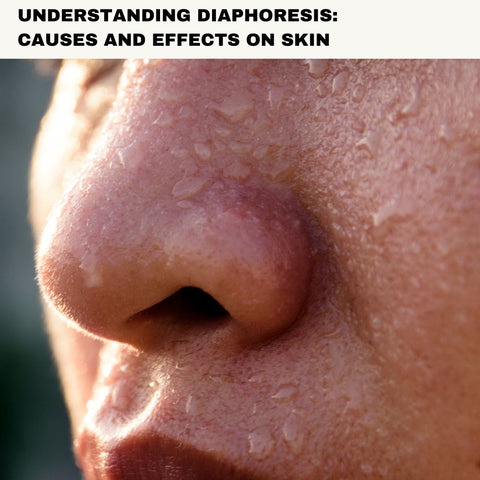
Diaphoresis is a condition marked by an abnormal increase in perspiration over what is required for temperature regulation. This phenomenon can have a significant impact on the skin and overall comfort, causing several issues if not managed properly. Those who suffer from diaphoresis must grasp its causes and effects on their skin.
What is Diaphoresis? Causes and Triggers

Diaphoresis is a medical word referring to excessive sweating caused by a variety of physiological, environmental, and psychological variables. While sweating is a natural and necessary physical activity that keeps the body cool, diaphoresis happens when this process becomes excessive, causing pain and serious skin problems. Diaphoresis can be caused by a variety of underlying illnesses or variables, including medical problems, hormonal changes, drugs, environmental factors, and psychological issues.
How Sweating Impacts Skin Health
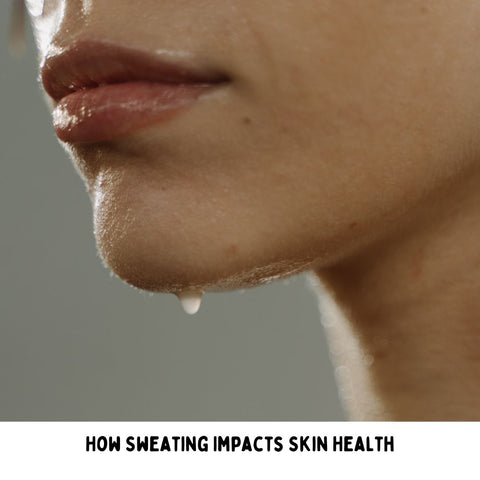
Sweating has a dual impact on skin health, providing both benefits and problems. Excessive sweating, while beneficial for detoxification, hydration, and circulation, can also cause skin irritation, infections, and acne. Understanding these effects and using good management measures will help you keep healthy skin while enjoying the benefits of this natural body function.
Recognizing Signs of Skin Conditions Linked to Sweating
-
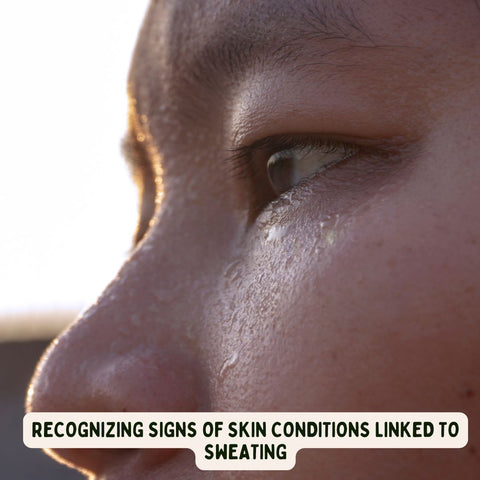
Heat Rash (Miliaria): Small red, itchy pimples or blisters appear on the skin. It occurs in areas where sweat might become trapped, such as the underarms, neck, and groin. More probable in hot, humid weather or during heavy physical activity. Itching and prickling sensations. The skin may feel painful when touched.
-
Folliculitis: Red, inflammatory lumps around hair follicles, which resemble acne. There may be pus-filled blisters in the centre. It can occur anywhere on the body, but it is most frequent in locations where people sweat excessively. Itching or tenderness around affected areas. Painful or burning sensations in some cases.
-
Fungal Infections: Red, ring-shaped rash with raised edges and clear center. Itching, burning, and redness between the toes or on the soles of the feet; may also cause peeling skin. Red, itchy rashes in skin folds (e.g., underarms, groin) with a shiny appearance and small bumps. Intense itching or burning. Discomfort in affected areas, especially in warm or humid environments.
-
Intertrigo: Red, inflamed skin in skin folds (e.g., under breasts, groin, or armpits). It may appear moist and shiny, with probable breaking or bleeding. Itching, burning, and discomfort in the affected areas. Infection may cause an unpleasant odour.
-
Acne: Particularly in sweaty regions (such as the face, back, and shoulders), pimples, blackheads, or cysts develop. clogged pores and increased oiliness. sensitive or painful lesions, especially those that are inflammatory. discomfort or itching close to the breakouts.
-
Eczema (Atopic Dermatitis): Dry, red, itchy patches that may ooze or crust over. Commonly appears in flexural areas (e.g., inside elbows, behind knees) and can be exacerbated by sweating. Intense itching that may worsen with sweating. The skin may feel rough or scaly.
-
Psoriasis: Thick, red patches with silvery-white scales are usually found on the elbows, knees, and scalp. Heat and sweating can both cause or exacerbate the condition. Itching or soreness in the affected areas. Pain or discomfort due to thicker skin.
-
Contact Dermatitis: Red, itchy rash in places exposed to irritants (such as soaps, textiles, or perspiration). There may be blisters or crusty regions. Burning or stinging feeling in the affected region. Sweating causes increased irritation.
Common Skin Issues Caused by Excessive Sweating
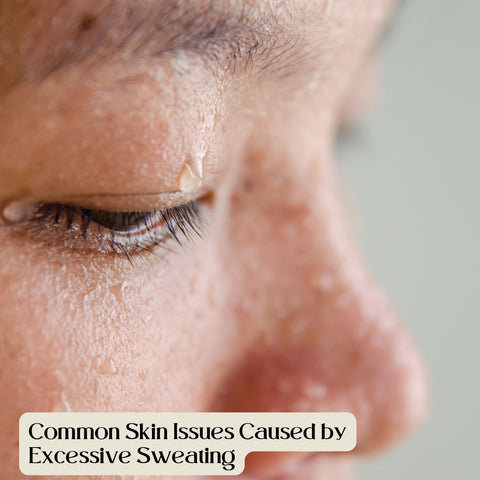
Excessive sweating can cause a variety of skin disorders that are both painful and harmful to one's overall health. Recognising these common problems and implementing preventative measures can help maintain skin health and alleviate symptoms. If your skin problems persist or worsen, see a healthcare professional or dermatologist for correct treatment.
Heat Rash: Symptoms, Prevention, and Treatment
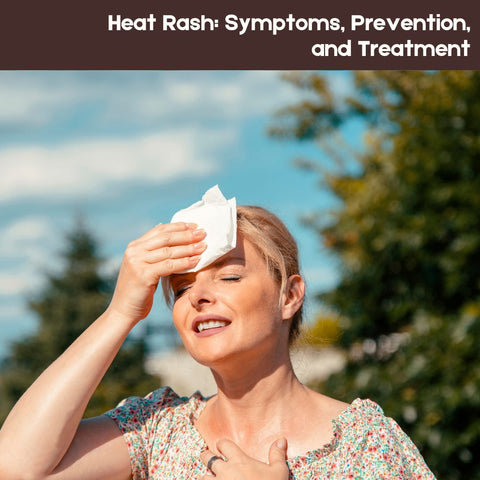
Excessive sweating, also known as diaphoresis, can produce a variety of skin problems that are both uncomfortable and detrimental to general skin health. Heat rash, foliculitis, fungal infections, intertrigo, acne, eczema, psoriasis, contact dermatitis, skin dehydration, and chafing are some of the most frequent skin disorders caused by excessive sweating.
Sweating-Induced Acne and Bacterial Infections
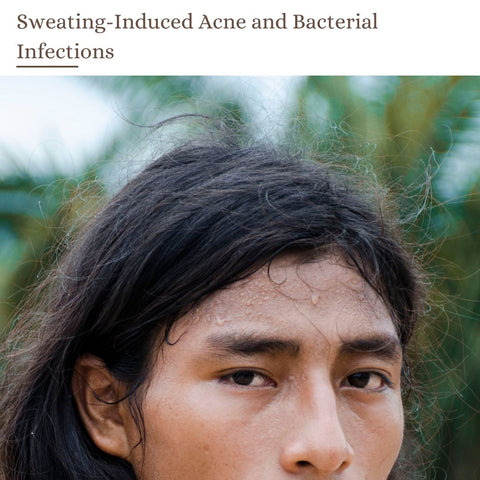
Due to clogged pores, discomfort, and a heated environment that encourages bacterial development, excessive perspiration can aggravate acne and bacterial infections. Maintaining healthy skin and avoiding complications can be achieved by knowing how to treat these conditions with topical medications, good hygiene, and lifestyle modifications. For individualised treatment choices, it is advised to speak with a dermatologist or other healthcare provider if skin problems worsen or continue.
Managing Fungal Skin Infections from Sweat
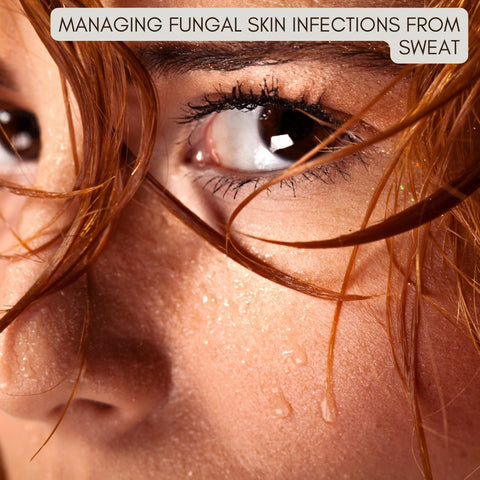
Keeping oneself clean, dressing appropriately, and using antifungal medications effectively are all important components of managing fungal skin infections that result from perspiration. The risk of fungal infections can be considerably decreased and healthy skin can be maintained by taking proactive steps to keep the skin clean and dry. It's critical to see a healthcare provider for specialised treatment if infections intensify or persist.
Solutions for Diaphoresis-Induced Skin Problems
-
Maintain Proper Hygiene: Shower daily and after activities that cause sweating to remove sweat, bacteria, and dirt. Use a gentle, antibacterial soap to help keep the skin clean. After bathing or sweating, dry the skin completely, especially in areas prone to moisture accumulation.
-
Use Antiperspirants: To lessen perspiration, use clinical-strength antiperspirants, which have higher aluminium chloride concentrations. Before going to bed, use antiperspirants so that the active ingredients can operate while the sweat glands are not as active.
-
Wear Breathable Clothing: To assist keep perspiration off the skin, choose loose-fitting apparel made of breathable materials like cotton or moisture-wicking textiles. Clothing that is too tight can cause rashes and irritation by increasing friction and trapping moisture.
-
Keep Skin Dry: To absorb moisture and prevent friction in sweaty regions, use talc-free or antifungal powders. Look for items that include components like cornflour or baking soda. To calm the skin, consider applying cooling body sprays or skin gels with menthol or aloe vera.
-
Moisturize Regularly: Apply a mild, non-comedogenic moisturiser to keep skin hydrated without clogging pores. To avoid greasy skin, use oil-free or gel-based moisturisers.
-
Address Specific Skin Conditions: To relieve inflamed skin, apply hydrocortisone cream or calamine lotion.To treat ailments like jock itch or athlete's foot, use over-the-counter antifungal lotions or powders.Products containing benzoyl peroxide or salicylic acid may be useful for treating breakouts that are made worse by perspiration.
-
Manage Stress: Since emotional stress can trigger diaphoresis, incorporating relaxation techniques such as deep breathing, meditation, or yoga may help manage sweat production.
Choosing the Right Skincare Products for Sweaty Skin
When selecting skincare products for perspiration-prone skin, look for lightweight, non-comedogenic, moisturising formulations with antibacterial qualities. Even in humid and muggy weather, you can help keep your skin clear and healthy by understanding its specific needs and selecting the correct products.
Home Remedies for Sweat-Related Skin Issues
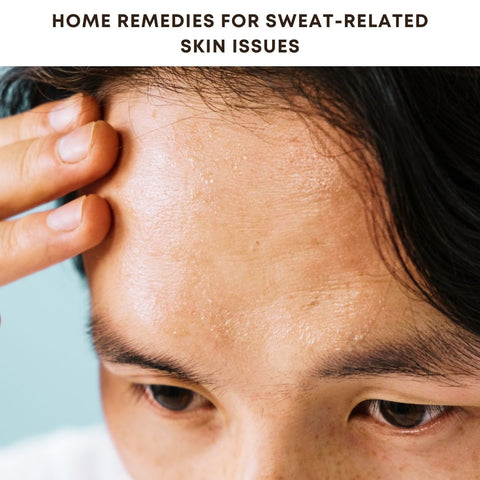
Home remedies can be effective for managing sweat-related skin issues, such as irritation, rashes, and infections. Here are some natural solutions you can try at home:
-
Oatmeal Baths: Oatmeal's calming qualities can help reduce sweat-induced discomfort and itching. Add plain oats to your bathwater after grinding them into a fine powder. Rinse after 15 to 20 minutes of soaking.
-
Aloe Vera Gel: Aloe vera is known for its soothing and anti-inflammatory characteristics, which make it ideal for relieving sensitive skin. Apply fresh aloe vera gel directly from the leaf to affected areas after showering or when the skin is inflamed.
-
Witch Hazel: It is an astringent that lowers inflammation and soothes irritated skin. Apply witch hazel to the skin with a cotton ball, focussing on areas prone to sweat-related irritation.
-
Baking Soda Paste: It can help absorb moisture and reduce irritation. To make a paste, combine baking soda and a little water. Apply it to the affected regions for 15-20 minutes, then rinse.
-
Apple Cider Vinegar: It possesses antibacterial and antifungal effects, making it beneficial at preventing infections. Dilute apple cider vinegar with water (1:1) and apply to the skin with a cotton ball. Rinse after 20 minutes.
-
Coconut Oil: It moisturises and has antibacterial properties, which assist to soothe skin and prevent infections. After showering, apply a thin layer of virgin coconut oil to areas that sweat easily.
-
Tea Tree Oil: It possesses natural antifungal and antibacterial qualities, which make it useful for reducing sweat-related infections. Tea tree oil can be diluted with a carrier oil (such as coconut oil) and applied to afflicted areas. Perform a patch test first to determine sensitivity.
-
Cornstarch or Arrowroot Powder: Both are natural absorbents that can help keep skin dry and reduce friction. Dust cornstarch or arrowroot powder on areas prone to sweating to help absorb moisture.
-
Herbal Infused Oils: Calendula or chamomile-infused oils can help calm inflamed skin. Add dried calendula or chamomile flowers to a carrier oil, such as almond or olive oil. After straining, apply the oil to regions that are irritated.
-
Hydration and Diet: Skin health can be enhanced by eating a balanced diet and drinking plenty of water. To promote skin health, eat foods high in antioxidants, such as fruits and vegetables, and drink lots of water.
Medical Treatments and Professional Advice
When dealing with sweat-related skin diseases, consulting with a healthcare professional can provide valuable insights and treatment options tailored to your unique needs. Combining medication therapy with proper skincare and lifestyle adjustments can help you manage these conditions and improve your skin. If you have specific concerns or symptoms, consult an expert for the best results.
Practical Tips for Maintaining Healthy Skin with Diaphoresis
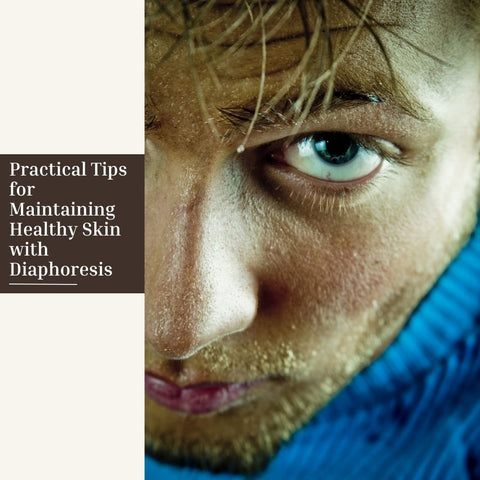
Maintaining healthy skin when dealing with diaphoresis (excessive perspiration) requires a proactive strategy based on sanitation, hydration, and correct skincare routines. Establish a regular skincare routine, moisturise wisely, choose the right antiperspirants, wear breathable fabrics, stay cool and hydrated, manage sweat-induced irritation, keep skin dry, avoid heavy makeup, monitor diet and lifestyle, and schedule regular dermatological checkups. Implementing these practical tips will help you manage skin health while dealing with diaphoresis. Establishing a consistent skincare practice, wearing appropriate clothing, and remaining hydrated will help to prevent sweat-related skin concerns.