Understanding Cortisol Face: How Chronic Stress Reshapes Your Skin

Have you seen TikTok raving about "cortisol face"? According to this viral trend, stress-induced cortisol increases can cause puffiness and bloating on the face. While the word has prompted debate over the relationship between stress and beauty, experts warn the narrative may not be as simple as social media portrays. Could cortisol levels be causing the puffiness on your face? What other considerations are at play? Let's look into what's causing this skin care concern and what specialists have to say.
What Exactly Is Cortisol Face? Breaking Down the Buzz
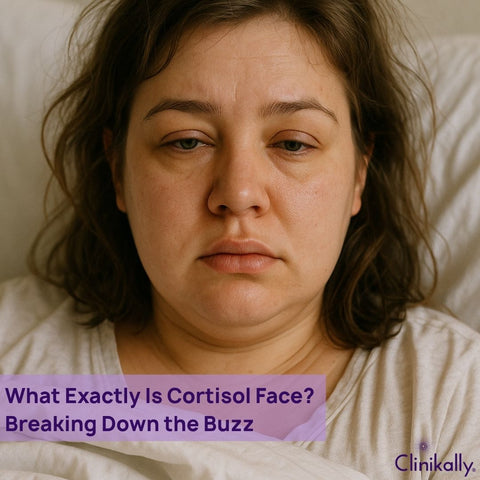
"Cortisol Face" is a TikTok word used to describe facial puffiness and bloating that is thought to be produced by stress and increased cortisol, the body's main stress hormone. While the trend has sparked interest in the effects of stress on our appearance, experts point out that this word is not a medical condition. Cortisol, the stress hormone, is produced by the adrenal glands and plays an important role in metabolic regulation, inflammation reduction, and stress response preparation. Cortisol levels naturally fluctuate throughout the day, spiking in the morning to excite the body and decreasing at night to promote sleep. In response to stress, the body momentarily raises cortisol synthesis to deliver a boost of energy and alertness. While this mechanism is necessary for survival, prolonged or excessive cortisol release can have larger health consequences, such as changes in fat distribution and water retention.
Cortisol 101: The Stress Hormone’s Role in the Body
Cortisol, also known as the "stress hormone," is a steroid hormone generated by the adrenal glands that regulates several body activities, including metabolism, immunological response, and blood pressure. It is released in response to stress and aids the body's preparation for a "fight-or-flight" response, but it also serves other vital tasks in overall health. Cortisol's Role in the Body:
-
Stress response: Cortisol is an important part of the body's stress response system. When confronted with a perceived threat, the body produces cortisol, which raises blood sugar levels, improves the brain's usage of glucose, and gives the body energy to deal with the stressful circumstance.
-
Metabolism: Cortisol regulates metabolism, which includes the way the body consumes carbs, lipids, and proteins. It aids in the conversion of stored foods into glucose for energy and may have an effect on hunger.
-
Immune system: Cortisol serves to regulate the immunological response. While cortisol helps reduce inflammation in the short term, chronic high levels can have a deleterious impact on immunological function.
-
Blood pressure and blood sugar: Cortisol regulates blood pressure and blood sugar levels, ensuring that the body has the resources it requires.
-
Sleep-wake cycle: Cortisol levels naturally fluctuate throughout the day, with the highest levels occurring in the early morning, contributing to arousal and alertness.
-
Mood and motivation: Cortisol regulates mood and motivation, as well as helping the body respond to fear and other emotional responses.
Where Skincare Meets Stress: How Cortisol Impacts the Skin
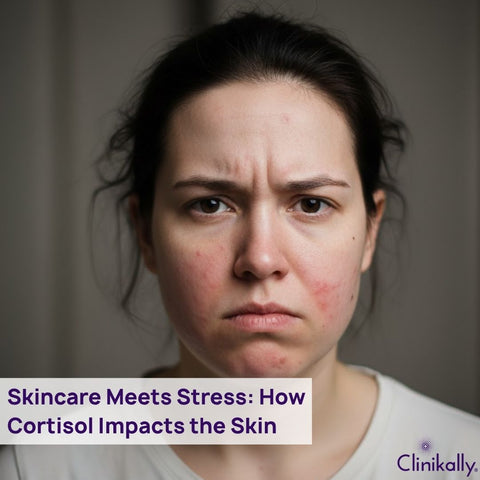
Your skin reflects not only your skincare routine, but also your stress levels. Cortisol, the body's primary stress hormone, is key to this link. While cortisol is necessary for short-term survival, persistent stress raises cortisol levels, which can adversely impair skin health.
-
Breakouts and acne flare-ups: Cortisol increases oil (sebum) production, which can clog pores and cause inflammation, particularly in acne-prone individuals.
-
Weakened skin barrier: High cortisol levels reduce lipid production (such as ceramides), making your skin more sensitive, dry, and prone to irritation.
-
Inflammation and redness: Chronic stress can exacerbate inflammatory skin disorders such as rosacea, eczema, and psoriasis.
-
Dullness and dehydration: Cortisol reduces the skin's capacity to retain moisture, resulting in a loss of brightness and plumpness.
-
Collagen breakdown: Elevated cortisol accelerates collagen degradation, causing wrinkle development and skin drooping.
-
Delayed healing: Cuts, pimples, and inflammation heal more slowly when stressed, resulting in longer-lasting blemishes and uneven texture.
What TikTok Gets Right and Wrong About Cortisol Face
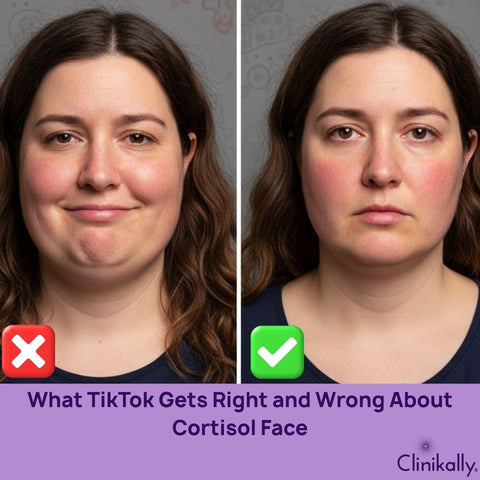
TikTok is somewhat correct when it comes to "cortisol face," as stress-related cortisol can cause facial puffiness and bloating, but it is not a recognized medical disease, and other causes are often more likely to blame. While the platform highlights stress as the primary reason, experts point out that diet, sleep, and exercise all play a part in facial fullness, and that actual, long-term facial alterations are most likely caused by diseases such as Cushing's syndrome.
Right:
-
Stress and cortisol: TikTok accurately recognizes that stress can cause high cortisol levels, which can contribute to facial puffiness and bloating.
-
Importance of stress management: The platform emphasizes the potential benefits of stress reduction practices such as meditation, exercise, and sleep for overall well-being, which can have an indirect impact on face appearance.
Wrong:
-
"Cortisol Face" is a diagnosis: The term "cortisol face" is not an accepted medical diagnostic. It's a social media craze that oversimplifies the intricate relationship between stress, cortisol, and face attractiveness.
-
Stress as the sole Cause: While stress can exacerbate facial puffiness, it is rarely the major cause. Diet, sleep, exercise, and genetics all contribute significantly to facial fullness and weight distribution.
-
Exaggerated impact: Social media frequently portrays elevated cortisol levels as having a significant and exaggerated effect on face appearance, causing undue worry and perhaps hazardous self-diagnosis.
-
Misinformation regarding diet: Some TikTok material claims that specific dietary adjustments can significantly lower cortisol levels and facial puffiness, which is frequently inaccurate and unsupported by scientific research.
How to Tell if Stress Is Showing on Your Skin
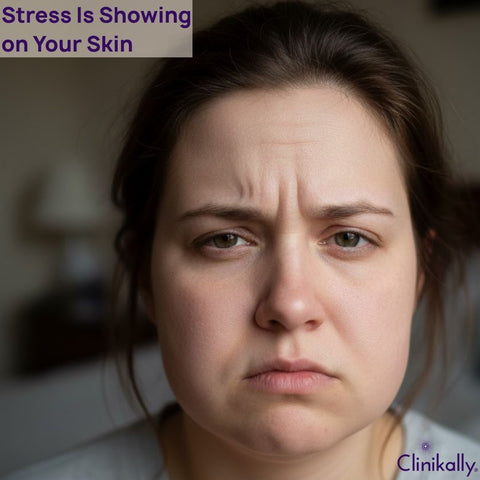
Your skin reflects your inner world, particularly when you are under chronic stress. When cortisol (your body's principal stress hormone) levels remain up for an extended period of time, your skin will often reflect that you are mentally or physically exhausted. The most typical symptoms of stress on your skin are:
-
Breakouts at unusal locations: Stress can cause sudden acne on the jawline, cheeks, or forehead (especially if you're not prone to acne). Elevated cortisol levels stimulate oil production and inflammation, resulting in clogged pores and hormonal flare-ups.
-
Dullness or lack of glow: Even with a consistent routine, if your skin seems flat, grayish, or lifeless, stress may be affecting blood flow and cell turnover, depriving it of oxygen and nutrients.
-
Excess oil + dryness: Stress can confuse your skin's barrier, causing it to overproduce oil and lose moisture. You may experience greasy spots and dry flakes, especially if your skin is generally well-balanced.
-
Puffiness: Cortisol affects fluid retention and circulation, which can cause under-eye bags, facial puffiness, and a bloated jawline, particularly in the morning.
-
Redness, rashes, or increased sensitivity: Stress can decrease your skin's barrier, increasing the likelihood of eczema, rosacea, or random irritation. Even trusted items can unexpectedly hurt or burn.
-
Slower healing or lingering marks: Chronic cortisol may be interfering with your skin's repair cycle and collagen formation, causing pimples, wounds, or flare-ups to heal more slowly or leave persistent marks.
Common Symptoms: From Puffiness to Skin Texture Changes
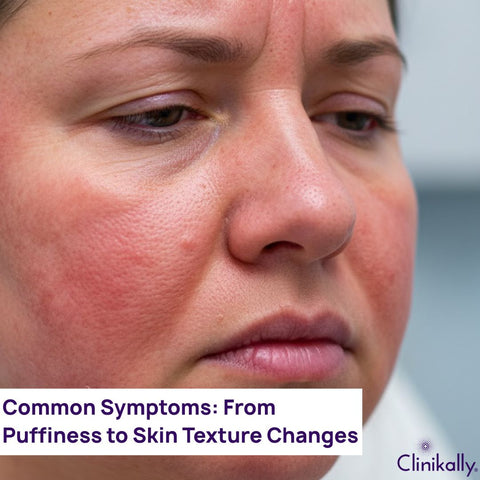
Chronic stress not only affects your mood and sleep, but it also has a visible effect on your skin. Elevated cortisol and systemic inflammation can impair your skin's natural function, resulting in a variety of physical complaints. Here's what to look for:
-
Puffiness and face edema: Most noticeable near the eyes, cheeks, or jawline. Caused by excessive fluid retention and inadequate lymphatic drainage. Worse in the morning or after a night's restless sleep.
-
Dullness and lack of radiance: Skin seems gray, weary, or flat. Decreased circulation and delayed cell turnover diminish luminosity. Stress diverts nutrients away from the epidermis and into important organs.
-
Sudden changes in oil production: Your skin may feel greasier than normal, particularly in the T-zone. Cortisol activates the sebaceous glands, boosting oil production. Even in previously dry skin, this can result in shine, plugged pores, or acne.
-
Uneven texture: The skin may feel bumpy, flaking, or rough. Stress damages the skin barrier, resulting in dehydration and sensitivity. It can cause eczema, perioral dermatitis, and keratin accumulation.
-
Increased sensitivity or redness: Products that were previously fine may now hurt or irritate. Rosacea-like symptoms may manifest as red patches, blotchiness, or flare-ups. Stress makes the skin more sensitive and prone to irritation.
-
Enlarged pores: Excess oil combined with a weaker barrier might cause pores to seem bigger. Texture appears uneven or crowded, particularly on the nose and cheeks.
The Science of Collagen Breakdown and Facial Swelling
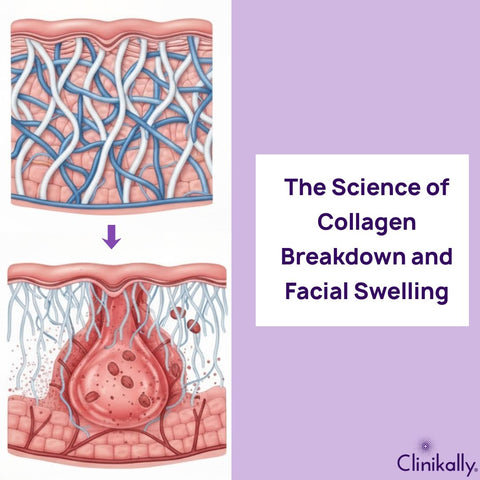
Collagen breakdown, particularly in facial tissues, can lead to edema, although it is not the only cause. Age-related collagen loss, inflammation, and certain lifestyle variables such as sun exposure and smoking can all degrade collagen structures, rendering skin more vulnerable to swelling from a variety of causes.
-
Collagen's role: Collagen is a protein that gives structure and support to the skin, bones, tendons, and other connective tissues. It improves the firmness and suppleness of the skin of the face.
-
Collagen breakdown: As we age, collagen production gradually declines, and remaining collagen may become damaged or fragmented. Sun exposure, smoking, and a poor diet all contribute to the acceleration of this process.
-
Collagen and swelling: When collagen fibers degrade, the skin's structural integrity deteriorates. This can raise the risk of edema from a variety of factors, including inflammation, injury, and even allergic reactions.
-
Inflammation and collagen: Chronic inflammation, which is commonly associated with illnesses such as arthritis or poor sleep, can breakdown collagen and cause edema.
When to See a Dermatologist About Stress-Linked Skin Changes
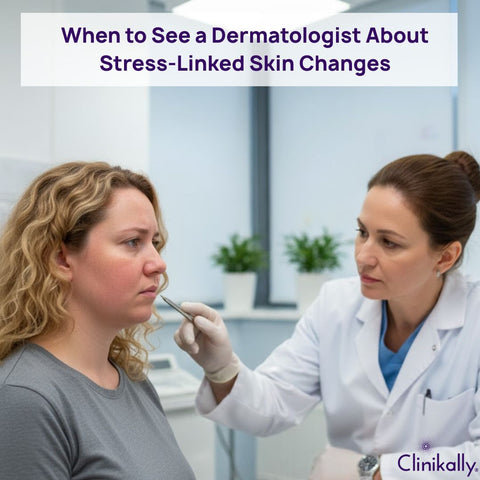
While many stress-related skin concerns can be treated with modest skincare and lifestyle changes, the symptoms might often indicate something more serious. If your skin is consistently acting up, it may be time to see a dermatologist to rule out any underlying causes and undergo focused therapy. Consult a dermatologist about stress-related skin changes such as chronic or worsening acne, persistent redness, burning, or flare-ups, excessive dryness or peeling that won't go away, obvious aging + fast volume loss, and how mental health affects skin-care adherence.
Managing Cortisol for Healthier, Calmer Skin
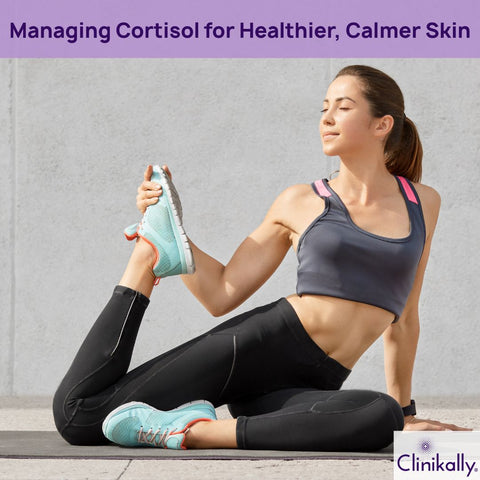
Chronic stress not only affects your mood, but also your skin. High cortisol levels, your body's primary stress hormone, can cause breakouts, dullness, puffiness, and even premature aging. What is the good news? Learning how to manage cortisol can help restore your skin's radiance, reduce inflammation, and promote long-term skin health. Elevated cortisol levels can cause oil production, clogged pores, and acne, damage the skin barrier, dryness, sensitivity, and redness, delay healing and repair, and accelerate collagen breakdown, resulting in fine lines and drooping. Lowering cortisol naturally provides skin benefits such as:
- Prioritize restorative sleep: Aim for 7-9 hours every night. Poor sleep increases cortisol levels and inhibits skin regeneration. Try magnesium-rich foods, limiting blue light exposure, and maintaining consistent sleep-wake intervals.
- Create a stress-reducing ritual: Engage in daily mindfulness, breathwork, or yoga. Even 5-10 minutes of deep breathing reduces cortisol levels.
-
Exercise smartly: Regular activity lowers baseline cortisol—but avoid excessive high-intensity workouts, which might boost it temporarily. To improve balance, incorporate walking, stretching, or pilates exercises.
Skincare Ingredients That Help Counter Cortisol Damage
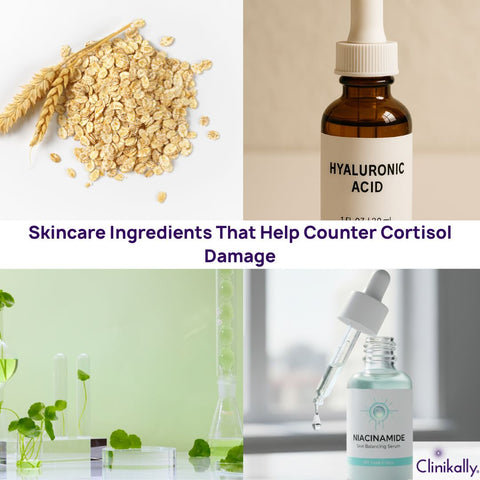
Chronic stress and high cortisol levels can make your skin seem inflammatory, reactive, dull, oily, or dry all at once. While stress management is essential, the appropriate skincare components can help repair damage, strengthen your barrier, and restore your natural glow.
-
Niacinamide (vitamin B3): It balances sebum production (ideal for stress breakouts), strengthens the skin barrier, decreases irritation and redness, and brightens dull, uneven skin. Recommended for all skin types, particularly oily, sensitive, or acne-prone skin.
-
Centella asiatica (Cica): Reduces inflammation and redness, accelerates up wound healing, contains antioxidants that fight oxidative stress, and promotes collagen formation. Suitable for reactive, sensitive, or barrier-damaged skin.
-
Peptides: It signal the skin to rebuild collagen and elastin. Help to restore firmness and smoothness while also strengthening the skin's repair mechanisms. Ideal for skin with symptoms of stress-aging, loss of suppleness, or thinning.
-
Ceramides: It help to restore the skin's lipid barrier. Lock in moisture, prevent TEWL (transepidermal water loss), and protect skin from external and internal stresses. Ideal for dry, irritated, or flaky skin that has recently turned sensitive.
-
Colloidal oatmeal: It reduces inflammation and itching, relaxes stress-related flare-ups (eczema, redness, rashes), and improves barrier function. Suitable for stressed, irritated, or reactive skin disorders.
-
Hyaluronic Acid (HA): Deeply moisturizes without clogging pores. Supports plump, robust texture and prevents dehydration induced by cortisol increases. Suitable for all skin types, particularly dry or dull skin.
-
Adaptogenic extracts: It include ashwagandha, reishi, and rhodiola. Help to relieve apparent indications of stress on the skin. Antioxidant-rich and anti-inflammatory. May improve skin's capacity to cope with environmental and emotional pressures. Ideal for skin with chronic stress, frequent flare-ups, or stress aging.
Lifestyle Tips: Reducing Stress for a Healthier Complexion

Your skin does not exist in a vacuum; it responds to your mood, sleep, nutrition, and surroundings. When stress goes unchecked, your body creates more cortisol, which causes breakouts, dullness, sensitivity, and premature aging. However, the appropriate lifestyle behaviors can reduce stress, balance hormones, and allow your skin to repair and thrive.
-
Prioritize restful and consistent sleep: Aim for 7 to 9 hours per night. Sleep is when your skin restores collagen and combats inflammation. Try magnesium-rich meals, minimize screens before bedtime, and maintain a consistent sleep routine.
-
Practice daily stress-relief: Daily stress management techniques such as meditation, breathwork, yoga, and journaling can help to relax your nervous system and lower cortisol levels. When feeling overloaded, use guided applications or practice 4-7-8 breathing. Even taking a walk outside may refresh your skin and mind.
-
Consume skin-friendly, anti-inflammatory foods: Focus on omega-3s (flaxseed, walnuts, salmon), vitamin C, magnesium, and antioxidants. Reduce your intake of sweets, coffee, and processed meals, which can all raise cortisol levels and cause breakouts. Stay hydrated—water helps eliminate stress chemicals and promote the skin's suppleness.
-
Simplify your skincare routine: Use soft, moisturizing products to avoid further discomfort. Concentrate on ceramides, niacinamide, and hyaluronic acid. When your skin is reactive, avoid using harsh actives or exfoliants.
-
Connect, laugh, and move: Social support, laughter, and even dancing or stretching might help to produce endorphins and reduce cortisol levels. Try mixing skincare and relaxation: Facial massage, aromatherapy, or a warm bath with relaxing music.
Long-Term Strategies to Keep Cortisol in Check

Chronic stress can raise cortisol levels, altering everything from sleep to immunity—and, yes, even your skin health. While short-term solutions can assist, long-term cortisol management is the true key to glowing skin, improved focus, and overall well-being. Long-term solutions for cortisol control include starting your day with sleep, developing a daily stress-reduction practice, moving often but thoughtfully, nourishing to regulate, nurturing emotional resilience, and topical skin support.
Personalized Skincare Tips to Tackle Cortisol Face
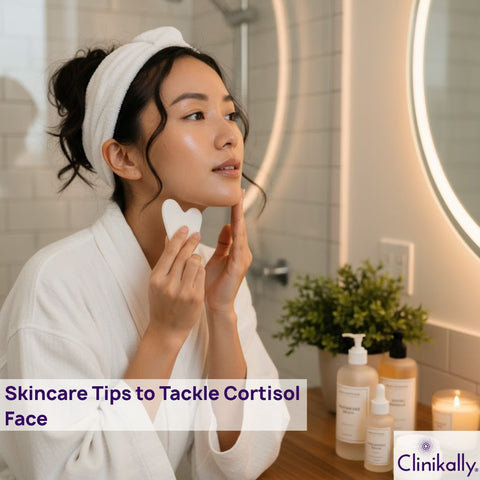
To combat "cortisol face," combine stress management with focused skincare. Ceramides, hyaluronic acid, and niacinamide, as well as antioxidants like vitamin C, can help to relax and reinforce the skin's barrier. To manage cortisol levels internally, focus on relaxation techniques, good sleep hygiene, and a nutritious diet. Personalized skincare tips for the cortisol face:
-
Identify stress-related skin issues: Recognize whether your skin is showing signs of breakouts, dryness, irritation, dullness, or increased fine lines and wrinkles.
-
Strengthen the skin barrier: Use skincare products containing ceramides, hyaluronic acid, and niacinamide to repair and reinforce the skin's natural protective layer, reducing irritation and sensitivity.
-
Incorporate antioxidants: Vitamins E and C help protect against oxidative damage produced by high cortisol levels.
-
Consider soothing ingredients: Products with colloidal oatmeal, holy basil, squalene, or caffeine can help reduce inflammation and puffiness.
-
Prioritize hydration: Hyaluronic acid serum and lightweight moisturizer can help with dryness and elasticity.
-
Sunscreen is crucial: Protect your skin from sun damage with a sunscreen SPF 30 or greater, especially if you have increased sensitivity.
-
Be gentle: Avoid using harsh exfoliants or active chemicals that may irritate sensitive skin.