Dermatologist or Esthetician? Choosing the Right Expert for Your Skin Needs
If you have a skin care concern, you can visit with one of two types of experts: estheticians or dermatologists. While both are skincare professionals, their areas of specialization differ, and they provide various types of services. An esthetician, or skin care specialist, offers services to improve the exterior appearance of your skin. A dermatologist focuses on the health of your skin. Dermatologists are doctors who are trained to identify and treat certain skin disorders. They may prescribe prescription drugs or do in-office treatments such as cyst and growth removal or skin cancer biopsies. Estheticians, on the other hand, provide treatments that focus on the surface of your skin, such as facials and moderate chemical peels. Understanding the distinction between estheticians and dermatologists can help you determine which professional is best suited to fixing your individual skin issues. Here's all you need to know about these specialists so you can make an informed selection.
Understanding the Scope: What Each Expert Brings to Skincare
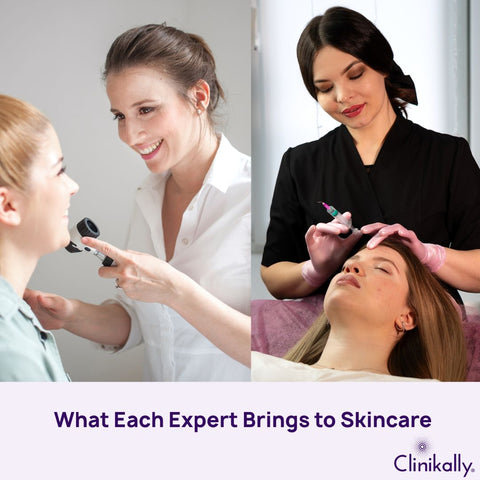
Dermatologists are the go-to experts for medical skin issues and sophisticated treatments, whereas estheticians specialize in cosmetic upkeep and skin appearance. They work together to establish a holistic approach, combining medical research with everyday skincare wellbeing.
Estheticians: Licensed Professionals for Cosmetic Skincare
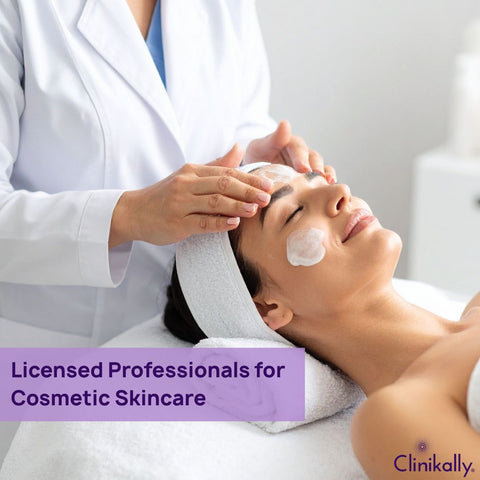
Estheticians (or aestheticians) are trained and licensed skincare experts who focus on enhancing the appearance, health, and function of the skin using non-medical cosmetic treatments. They contribute significantly to skin wellness by emphasizing maintenance, prevention, and education, assisting you in developing routines and behaviors that promote long-term skin health. An esthetician is a state-licensed practitioner (or regionally licensed, depending on the nation) who has undergone formal skincare training. Their schooling usually includes:
-
Anatomy and physiology of the skin
-
Knowledge concerning cosmetics
-
Protocols for treatment (masks, facials, peels,)
-
Sanitation and infection control
-
Hands-on practice and license exams
Dermatologists: Medical Doctors for Skin, Hair, and Nails
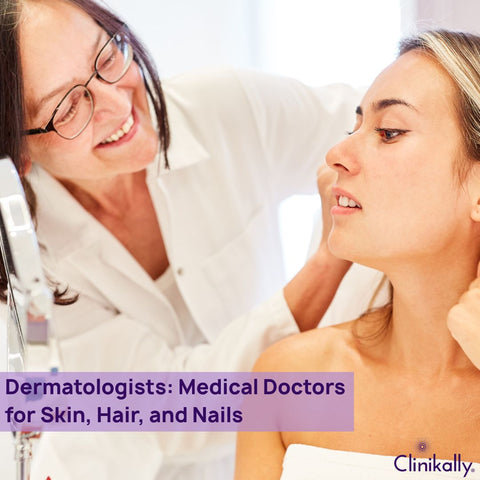
Dermatologists are medical specialists who focus on skin, hair, and nail diseases. They diagnose and treat a wide range of problems, from acne and eczema to more serious ones like skin cancer. Dermatologists not only treat medical conditions but also handle cosmetic issues with the skin, hair, and nails. Dermatologists specialize in the following areas:
-
Dermatologists diagnose and treat a wide range of skin conditions, including rashes, acne, eczema, psoriasis, infections, and cancer.
-
Hair conditions include hair loss, alopecia, and other hair-related issues.
-
Dermatologists treat nail conditions such as fungal infections, ingrown nails, and nail dystrophy.
-
Dermatologists provide treatments for wrinkles, scars, unwanted hair, and other cosmetic concerns.
When to see a dermatologist:
-
If you have a skin rash, persistent itching, or any other unusual skin conditions.
-
If you are concerned about hair loss or any other hair-related issues.
-
If you have nail issues such as fungal infections or ingrown nails.
-
If you have cosmetic issues with your skin, hair, or nails.
Education and Training: Clinical vs Aesthetic Foundations
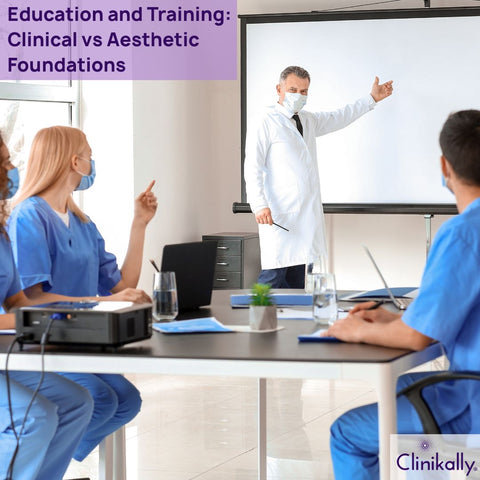
In clinical settings, the emphasis is on treating medical issues and restoring function, whereas aesthetic training focuses on improving look and addressing cosmetic concerns with non-invasive or minimally invasive techniques. Clinical training is a longer, more structured road that frequently requires a medical degree, whereas aesthetic training can be obtained through a variety of specialized courses and certificates.
Clinical training:
-
Focus: Treating medical conditions and restoring function, which frequently requires surgical or invasive procedures.
-
Educational background: Typically, a medical degree (MBBS, MD) is required, with additional specialization in dermatology, plastic surgery, or related fields.
-
Training duration: Residency and fellowship training can last several years. Examples include the treatment of skin diseases, reconstructive surgery, and complex medical procedures.
Aesthetic training:
-
Focus: Improving appearance and addressing cosmetic concerns through non-invasive or minimally invasive procedures.
-
Educational background: People from a variety of backgrounds, including nursing, dentistry, and even non-medical fields, can pursue this career.
-
Training durations range from short-term courses and certifications to longer diploma programs. Examples include Botox injections, dermal fillers, laser treatments, and other cosmetic procedures.
Treatment Capabilities: From Facials to Prescription Therapies
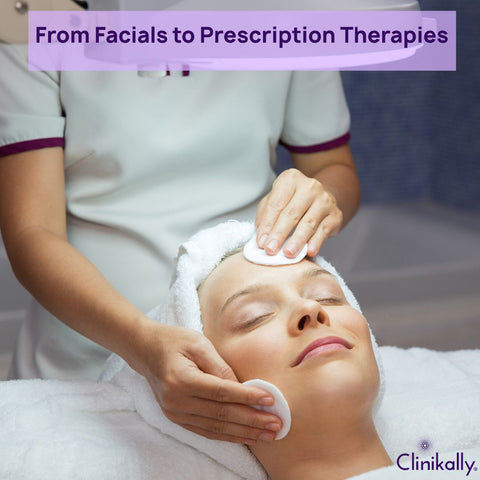
When choose between skincare providers, it's critical to understand what treatments each can offer — and how their skills complement rather than compete with one another. While estheticians specialize in cosmetic and maintenance treatments, dermatologists provide clinical, prescription-based solutions, often working together to improve both the health and beauty of your skin. Both estheticians and dermatologists play important but distinct roles in skincare:
-
Estheticians specialize in surface-level cosmetic care, helping you look and feel better with regular, non-invasive treatments and education.
-
Dermatologists address underlying medical reasons, provide innovative treatments, and apply potent solutions to manage difficult or recurring disorders.
Services Offered by Estheticians: Facials, Peels, and More
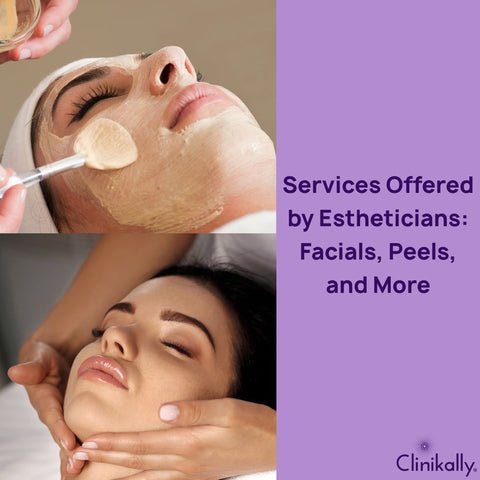
Estheticians are qualified skincare specialists that provide a variety of non-invasive cosmetic treatments to improve the appearance, feel, and functionality of your skin. While they do not diagnose or cure medical disorders, their services are essential for routine maintenance, boosting radiance, and preventing typical skin issues such as dullness, clogged pores, dryness, and uneven texture. A competent esthetician can provide the following popular and successful services:
-
Facials: Facials are the foundation of esthetic practice, specifically customized to your skin's requirements and goals. Facials can be classified into classic facials (cleanse, exfoliate, steam, massage, mask, moisturize), acne facials (target breakouts with extractions and antibacterial products), hydrating facials (replenish moisture, ideal for dry or dehydrated skin), anti-aging facials (include collagen-boosting massage, peptides, or firming masks), brightening facials (uses vitamin C, enzymes, or gentle peels to boost radiance), and sensitive skin facials (soothing, fragrance-free botanicals, (e.g., aloe, oat).
-
Chemical peels (superficial): Estheticians can use superficial-grade chemical peels to gently exfoliate the skin's surface layer, revealing smoother, brighter skin underneath. Glycolic acid (refines texture and reduces fine lines), lactic acid (hydrates and brightens dull skin), salicylic acid (decongests oily or acne-prone skin), mandelic acid (great for sensitive or darker skin tones), and enzyme peels (from papaya and pineapple) are all gentle and suitable for sensitive skin. Deep or medical-grade peels are only performed by dermatologists or medical estheticians who are supervised by a physician.
-
Extractions (pore clearing): The manual removal of blackheads, whiteheads, and non-inflamed acne. Estheticians remove dirt with sterilized equipment and precise techniques that do not cause damage or scars. This is typically used in acne or detox facials.
-
Skincare consultations and regular guidance: Estheticians are skilled in skin analysis and product expertise and can assist you in identifying your skin type and condition, understanding how to layer and combine products, selecting the appropriate cleanser, serums, exfoliants, and moisturizers, and avoiding overuse of actives or irritants. Many estheticians provide regular building as a stand-alone service or as part of a treatment plan.
-
Exfoliation treatments: In addition to peels, estheticians may use enzyme masks for sensitive skin, manual scrubs (with smooth particles such as jojoba beads), dermaplaning (which removes dead skin and peach fuzz with a sterile blade), and microdermabrasion (mechanical exfoliation with a diamond tip or crystals).
-
Lymphatic drainage and face massage: These procedures are frequently used in facials to promote detoxification, reduce puffiness, enhance circulation, relax, and relieve tension.
-
Waxing and hair removal (non-laser): Most estheticians are certified to conduct facial waxing (brows, upper lip, chin), body waxing (arms, legs, bikini), threading (in specific areas), and brow tweezing and shaping.
What Dermatologists Treat: From Acne to Skin Cancer
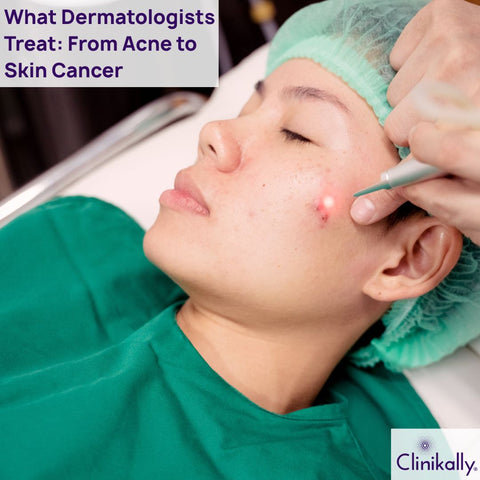
Dermatologists are medical professionals who specialize in diagnosing, treating, and preventing skin, hair, and nail diseases. They treat a wide range of problems, from minor irritations like acne and eczema to more serious illnesses like skin cancer. Dermatologists commonly treat the following conditions:
-
Dermatologists treat a variety of acne types, from mild to severe, such as acne vulgaris, cystic acne, and acne scars.
-
Eczema, also known as atopic dermatitis, is a skin condition that causes itchy, inflamed skin. They treat it.
-
Dermatologists can diagnose and treat various types of hair loss, including androgenetic alopecia (male or female pattern baldness), alopecia areata, and telogen effluvium.
-
Nail problems include nail fungus, ingrown nails, and other nail conditions.
-
Psoriasis is a skin condition characterized by red, scaly patches. Dermatologists treat it.
-
They specialize in the diagnosis, treatment, and prevention of skin cancers such as basal cell carcinoma, squamous cell carcinoma, and melanoma.
-
Dermatologists treat rosacea, which causes facial redness and visible blood vessels.
Overlap and Boundaries in Skincare Practices
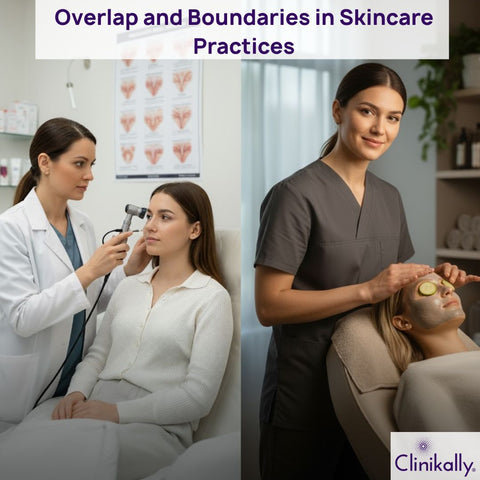
Dermatologists are trained to diagnose, treat, and manage skin conditions, whereas estheticians focus on cosmetic upkeep, appearance, and education.
-
If you have a skin problem, persistent acne, pigmentation, or require medical treatment, consult a dermatologist first.
-
A professional esthetician can help you with everyday maintenance, facials, glow-boosting treatments, and developing a skincare program.
When to Choose an Esthetician or Dermatologist
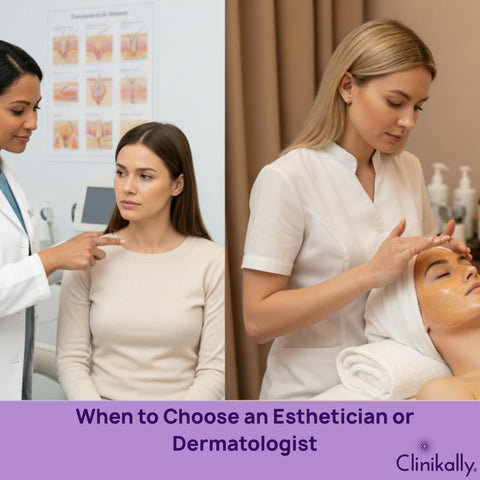
The main distinction is in their training and scope of practice. Dermatologists are medical professionals who diagnose and treat skin disorders, whereas estheticians specialize in cosmetic treatments and skincare upkeep. Consider seeing a dermatologist if you have persistent acne, rashes, moles, or other skin changes. An esthetician is an excellent choice for general skincare, facials, and cosmetic procedures such as peels and microdermabrasion.
When to Choose a Dermatologist:
-
Medical skin conditions: If you have a rash, persistent acne, eczema, psoriasis, or any other skin condition that is causing discomfort or is not responding to over-the-counter treatments, consult a dermatologist.
-
Changes in moles or skin: Any sudden or unexplained changes in the size, shape, color, or texture of a mole or skin patch should be evaluated by a dermatologist, as they may be indicative of skin cancer.
-
Hair loss or thinning: If you are experiencing unusual hair loss or thinning, a dermatologist can help you identify the cause and recommend the best treatment.
-
Allergic reactions: Allergic skin reactions can be diagnosed and treated by dermatologists.
-
Skin cancer screenings: It is recommended to have regular skin cancer screenings, especially if you have a history of skin cancer or have spent a lot of time in the sun.
When to Choose an Esthetician:
-
Routine skincare and facials: Estheticians can offer a variety of facial treatments, including deep cleansing and exfoliation, to improve skin texture and appearance.
-
Cosmetic treatments: They can use chemical peels, microdermabrasion, and micro-needling to treat acne scarring, fine lines, and pigmentation.
-
Hair removal: Estheticians are trained in a variety of methods, including waxing and laser hair removal.
-
General skincare advice: They can provide tailored skincare advice and product recommendations to keep your skin healthy.
-
Preparing for cosmetic operations: Estheticians can help prepare your skin for more advanced cosmetic procedures performed by dermatologists.
Signs You Need Medical Help for Skin Conditions
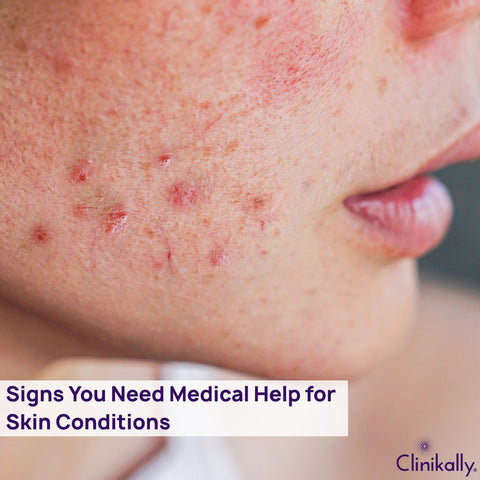
While many skin conditions may be treated with over-the-counter medications and regular esthetic treatments, some necessitate professional medical attention. Ignoring warning signals or attempting to self-treat significant skin disorders can cause delays in receiving adequate care and may potentially exacerbate the problem. Persistent or worsening acne, sudden or unexplained rashes, suspicious moles or skin lesions, excessive hair loss or bald patches, chronic skin conditions, skin infection signs, pigmentation issues that persist or worsen, nail or scalp abnormalities, skin pain, tingling, or numbness, and skin that does not heal normally are all red flags that it is time to see a dermatologist or physician.
Goals for Skin Maintenance and Cosmetic Results
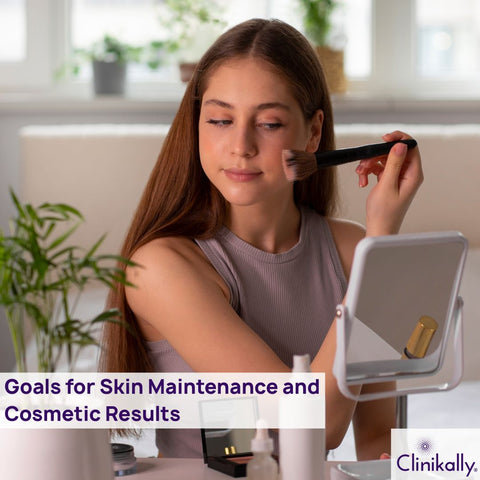
Skin care is more than just problem treatment; it is about developing long-term resilience and shine. Whether your aim is daily maintenance or dramatic results, personalize your objectives to your skin type, problems, lifestyle, and budget.
How to Navigate Your Skincare Journey Wisely

The world of skincare may be confusing, with so many products, treatments, and advice coming from all directions. Understanding your skin, making informed decisions, and modifying your strategy as your needs change are all necessary for a successful skincare journey. The complete guide to help you stay focused, avoid common pitfalls, and build a personalized routine that actually works, including knowing your skin, starting simple, being patient and consistent, avoiding common skincare pitfalls, knowing when to ask for help, understanding ingredients before you use them, adjusting as your skin evolves, tracking progress, and trusting yourself.
Choosing the Right Skincare Professional: A Personalized Approach
When it comes to your skin, there is no one-size-fits-all solution, and choosing the right skincare professional might make the difference between quick fixes and long-term results. Whether you have acne, aging, dullness, or just want a healthy glow, the key is to match your skin concerns and goals with the right professional. Understanding your needs is the first step in choosing the ideal skincare specialist.
-
Understanding your skin type: Before getting into products and routines, you should first identify your skin kind. Whether your skin is oily, dry, mixed, sensitive, or normal, the first step is to identify its needs. Remember that your skin type might change owing to a variety of factors such as age, hormones, and climate.
-
Importance of ingredients: The beauty market is brimming with products infused with a plethora of ingredients. While some ingredients are universally praised, such as hyaluronic acid for hydration or vitamin C for brightening, not all ingredients are suitable for every skin type. Before incorporating a product into your routine, conduct research and, if possible, patch-test it.
-
Less can mean more: In the age of 10-step skincare procedures, it's easy to believe that more products mean better results. However, sometimes a simple approach is more effective, allowing your skin to breathe and repair.
-
Professional counsel: While online resources and DIY treatments may be appealing, nothing surpasses the advise of a dermatologist or skincare specialist. They can provide specialized insights based on your specific wants and problems.
-
Adapt and Listen: Your skin's requirements can vary. It is critical to be alert and willing to adjust your skincare program as needed. If a product causes breakouts or irritation, take a step back and reconsider.
-
Holistic care: Skincare is more than simply topical treatments. A well-balanced diet, plenty of water, sun protection, and stress management are all important in keeping your skin healthy.