


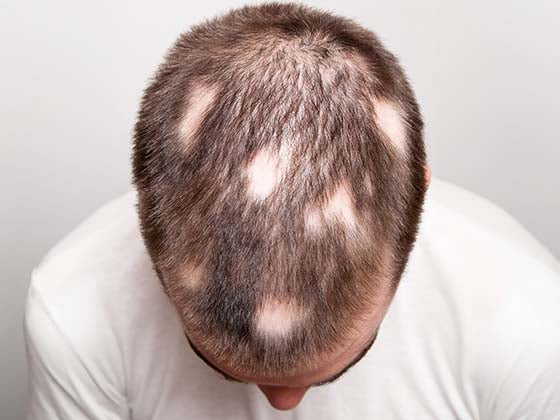



If you have started taking amlodipine and noticed more hair in your brush or shower drain, you may wonder whether the medication is causing your hair loss. The short answer is yes, amlodipine may cause hair loss, but this is a rare side effect. However, hair thinning can have many causes, and the medication is not always responsible.
Do not stop taking amlodipine without speaking to your doctor, since uncontrolled high blood pressure can lead to serious health problems. In this blog, we will discuss the link between amlodipine and hair loss, how common it is, why it may happen, the signs to watch for, how it is diagnosed, and the treatment options that may help support healthy hair growth.
What is Amlodipine?

Amlodipine is a prescription medicine that belongs to a group of drugs called calcium channel blockers. Doctors commonly prescribe it to treat high blood pressure (hypertension) and certain heart conditions, including angina, a type of chest pain caused by reduced blood flow to the heart.
It works by relaxing the muscles in your blood vessels, allowing blood to flow more easily. This helps lower blood pressure, reduces the workload on the heart, and lowers the risk of complications such as heart attack and stroke.
Amlodipine is generally well tolerated, and most people take it without experiencing serious side effects. However, like all medicines, it can occasionally cause unwanted effects. Although hair loss is considered rare, some people notice increased hair shedding after starting amlodipine and wonder whether the medication is responsible.
Can Amlodipine Cause Hair Loss?

The short answer is yes, but it is rare. Hair loss, also known medically as alopecia, is not considered a common side effect of amlodipine, and most people who take this medication for high blood pressure do not notice any changes in their hair growth or hair density.
Some people have reported increased hair shedding after starting amlodipine. However, current evidence has not established a clear cause and effect relationship between the medication and hair loss. More research is needed to determine whether amlodipine directly contributes to hair loss in some individuals.
If you notice increased hair shedding after starting amlodipine, do not stop taking the medication without consulting a dermatologist or a healthcare professional. They can evaluate other possible causes and decide whether your treatment plan needs to be adjusted.
How Common Is Hair Loss with Amlodipine?

Hair loss associated with amlodipine is considered rare. Most people who take this medication for high blood pressure do not experience increased hair shedding or noticeable changes in hair thickness. Because only a limited number of cases have been reported, researchers cannot accurately determine how often this side effect occurs.
Your doctor will consider your medical history and the timing of your symptoms before determining whether the medication may be contributing.
If hair shedding begins soon after starting amlodipine and no other clear cause is found, your doctor may consider the medication as a possible contributing factor. However, this is usually a diagnosis made after ruling out more common causes of hair loss.
Why Might Amlodipine Cause Hair Loss?

The exact reason why amlodipine may contribute to hair loss is not fully understood. Unlike some medications that are known to affect hair growth, there is currently no proven mechanism linking amlodipine directly to permanent hair loss.
One possible explanation is medication induced telogen effluvium, a temporary type of hair loss that occurs when a trigger causes more hair follicles than usual to enter the resting phase of the hair growth cycle. This usually leads to increased hair shedding about two to three months after the triggering event rather than immediate hair loss.
However, there is limited evidence that amlodipine directly causes telogen effluvium. Most of the available information comes from individual case reports rather than large clinical studies. As a result, researchers have not confirmed a clear cause and effect relationship between amlodipine and hair loss, and more research is needed to better understand this possible association.
What Does Amlodipine-Related Hair Loss Look Like?

If hair loss occurs while taking amlodipine, it usually appears as diffuse hair thinning across the scalp rather than well defined bald patches. This pattern is commonly seen in telogen effluvium, a temporary type of hair loss in which more hair follicles than usual enter the resting phase of the hair growth cycle.
Hair shedding often becomes noticeable two to three months after the triggering event rather than immediately after starting the medication. You may notice more hair falling out while brushing, washing, or styling your hair, along with a gradual reduction in overall hair volume. Unlike some other hair disorders, medication related hair loss does not usually cause pain, itching, or scarring of the scalp.
How Is It Diagnosed?
There is no single test that can confirm whether amlodipine is causing your hair loss. Instead, your doctor will review your symptoms, medical history, and the timing of your hair shedding to identify the most likely cause. They may also recommend tests to rule out other conditions. During the evaluation, your doctor may:
-
Review Your Medication History: They will check when you started amlodipine, whether the dose has changed, and if you are taking any other medicines that may contribute to hair loss.
-
Order Blood Tests: These may include tests for iron levels, ferritin, thyroid function, vitamin B12, vitamin D, or other deficiencies that can affect hair growth.
-
Examine Your Scalp: Your doctor will look for signs of inflammation, fungal infections, scarring, or genetic pattern hair loss that may explain your symptoms.
If no other cause is identified and the timing matches the start of amlodipine treatment, your doctor may consider the medication as a possible contributing factor.
What Should You Do If You Notice Hair Loss?

If you notice increased hair shedding after starting amlodipine, do not stop taking the medication without speaking to your doctor. Stopping treatment on your own may cause your blood pressure to become uncontrolled, increasing the risk of serious health problems. Instead, take these steps:
-
Consult Your Doctor: They can evaluate your symptoms, identify the underlying cause, and recommend the most appropriate treatment.
-
Track Your Symptoms: Note when the hair shedding started, whether it has become worse over time, and if it began after starting amlodipine or changing the dose.
-
Review Your Lifestyle: Consider recent stress, illness, changes in diet, rapid weight loss, or new medications that may also contribute to hair loss.
-
Follow a Gentle Hair Care Routine: Avoid excessive heat styling, harsh chemical treatments, and tight hairstyles that can increase hair breakage. While these measures do not treat medication-related hair loss, they can help protect your existing hair.
Early evaluation can help identify the cause of your hair loss and ensure you receive the most appropriate treatment.
Treatment Options for Amlodipine-Related Hair Loss

If your doctor determines that amlodipine may be contributing to your hair loss, the treatment plan will depend on your symptoms, overall health, and blood pressure control. Possible treatment options include:
-
Medication Review: Your doctor may review your current dose and determine whether any changes to your treatment plan are appropriate. Do not adjust or stop your medication without medical advice.
-
Switching Medications: If clinically appropriate, your doctor may recommend a different blood pressure medication if they believe amlodipine is contributing to your hair loss.
-
Treating Underlying Conditions: If tests reveal conditions such as iron deficiency, thyroid disorders, or vitamin deficiencies, treating them may help reduce hair shedding and support healthy hair growth.
-
Medical Hair Growth Treatments: In some cases, a dermatologist may recommend treatments such as topical minoxidil if they are appropriate for your type of hair loss.
-
Support Healthy Hair Growth: Following a gentle hair care routine, eating a balanced diet, and managing stress can help maintain healthy hair while the underlying cause is being addressed.
In many cases, medication-related telogen effluvium is temporary, and hair growth gradually improves once the underlying trigger has been identified and managed.
Other Possible Causes of Hair Loss While Taking Amlodipine

Hair loss that develops while taking amlodipine is not always caused by the medication itself. Many medical conditions, lifestyle factors, and other medicines can contribute to hair thinning. Before linking your symptoms to amlodipine, your doctor will consider other possible causes, including:
-
Genetic hair loss: Male and female pattern hair loss is the most common cause of gradual hair thinning and is usually unrelated to medication.
-
Nutritional deficiencies: Low levels of iron, vitamin D, vitamin B12, zinc, or inadequate protein intake can affect healthy hair growth.
-
Thyroid disorders: Both an underactive and overactive thyroid can disrupt the normal hair growth cycle.
-
Hormonal changes: Pregnancy, menopause, and conditions such as polycystic ovary syndrome (PCOS) can contribute to increased hair shedding.
-
Physical or emotional stress: Illness, surgery, rapid weight loss, or prolonged stress can trigger telogen effluvium, leading to temporary hair shedding.
-
Other medications: Some medicines are more commonly associated with hair loss than amlodipine and may need to be considered during evaluation.
-
Hair care practices: Frequent heat styling, chemical treatments, or tight hairstyles can damage the hair shaft and increase breakage, making hair appear thinner.
Identifying the correct cause of hair loss is important because the most effective treatment depends on the underlying reason for the shedding.
Final Thoughts
Although some people notice increased hair shedding after starting amlodipine, current evidence suggests that this side effect is uncommon, and a direct link has not been firmly established. In many cases, hair loss may be related to another underlying condition rather than the medication itself.
If you notice persistent or excessive hair shedding after starting amlodipine, speak to your doctor for a proper evaluation. They can identify the underlying cause, recommend appropriate treatment if needed, and ensure your blood pressure remains well managed.
With the right diagnosis and care, many cases of temporary hair shedding improve over time, allowing healthy hair growth to gradually return.











1 comment
Rena Noble
I’m stress and I take amlodipine, my hair is coming out bad in the top of my head.. I need help
I’m stress and I take amlodipine, my hair is coming out bad in the top of my head.. I need help