The Hidden Ingredient in Collagen That Triggers Acne
Collagen has made a huge impact on the health and beauty industry. Known as the most abundant protein in the human body, it is frequently marketed for its purported benefits for skin, joint discomfort, bone health, and weight loss. This blog will go into great detail on collagen, acne, and how they are related.
The Science of Collagen: Why It Matters for Skin Health

Collagen is commonly referred to as the "skin scaffolding"—and with good cause. It is the most prevalent structural protein in the body and is essential for maintaining skin strength, suppleness, and moisture. Understanding how collagen works, why it depletes, and how to maintain it is critical for healthy, resilient, and youthful-looking skin. You can accomplish this through:
-
A collagen-supporting diet
-
Supplementation that is carefully considered
-
Topical Support (retinoids, peptides, antioxidants)
-
UV and Lifestyle Protection
Collagen’s Role in Skin Structure and Function

Collagen is a fibrous protein that provides your skin with firmness, flexibility, and structural stability. While collagen is frequently referenced in the context of anti-aging, it is necessary for all ages to maintain healthy, moisturized, and functional skin. Discover how collagen works in the skin, why it important, and what happens when levels fall.
-
Skin architecture: Your skin is divided into three major layers, the outermost of which is the epidermis. The dermis is the skin's middle layer, which contains collagen. The hypodermis is composed of fat and connective tissue. Collagen in the dermis generates dense, rope-like bundles, serves as a scaffolding network for skin cells, anchors blood vessels, hair follicles, and sweat glands, and promotes the formation of elastin (stretch) and hyaluronic acid (hydration).
-
Collagen's key functions in skin: Collagen's key functions in the skin include structural support (provides strength and firmness), elasticity maintenance (works with elastin to prevent sagging), hydration retention (helps hyaluronic acid maintain moisture balance), skin renewal and healing (promotes tissue repair after injury or inflammation), and barrier function.
-
What happens when collagen production declines: Beginning in your mid-20s, collagen production naturally decreases by 1-1.5% per year. This deterioration is accelerated by sun exposure (photoaging), hormonal changes (particularly menopause), smoking and pollution, chronic inflammation, and a poor diet. The effects of collagen loss include fine lines and wrinkles, a loss of skin elasticity and firmness, greater drooping (jawline, cheeks), slower wound healing, and more visible pores and textural defects.
-
Collagen works with other skin components: Collagen collaborates with other skin components, including elastin (which works with collagen to give skin stretch and recoil), hyaluronic acid (which sits within the collagen matrix to retain moisture), fibroblasts (cells that produce collagen in response to signals), and keratinocytes. Collagen does more than only create skin; it also connects with other skin systems, impacting regeneration and strength.
-
Collagen can be rebuilt or protected: Nutritional and lifestyle support, including vitamin C (necessary for collagen synthesis), proline, glycine, zinc, and copper (cofactors), collagen peptides (supplements), antioxidants (prevent collagen degradation), and sunscreen (prevents UV-induced collagen breakdown). Topical and therapeutic support, including retinoids, stimulates collagen formation by fibroblasts. Peptides help the skin heal and renew collagen. Microneedling and lasers stimulate collagen through controlled damage. Advanced serums contain growth factors, as does PRP therapy.
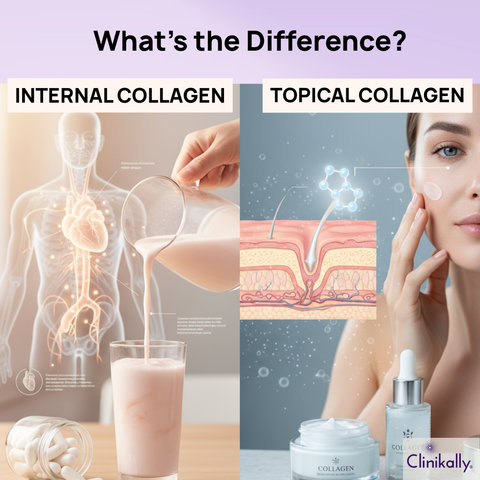
Internal vs. Topical Collagen – What’s the Difference?
-
Internal collagen: Oral collagen supplements, which are often available in powder, pill, or liquid form, include hydrolyzed collagen peptides originating from animal or marine sources. These are broken down into smaller amino acid chains to make them easier to absorb in the gut. Peptides ingested are absorbed into the bloodstream. They encourage dermal fibroblasts to create more collagen. May also stimulate the formation of hyaluronic acid and elastin. Proven benefits are better skin elasticity and hydration, decrease of fine lines and wrinkles, enhanced wound healing and scar repair, and strengthening of nails, hair, and joints.
-
Topical collagen: Topical treatments called "collagen creams" frequently comprise intact collagen (too large to penetrate skin), hydrolyzed collagen fragments (slightly smaller), and collagen-stimulating chemicals (peptides, retinoids). It can build a moisturizing film on the skin for a transient plumping effect, increase hydration and surface texture, and assist in preserving the skin's barrier.
How Collagen Supplements Work in the Body
Collagen supplements are typically manufactured from hydrolyzed collagen peptides (also known as collagen hydrolysate). These are short chains of amino acids generated from bovine (cow), marine (fish), porcine (pig), or vegan "collagen boosters" (which do not contain collagen but promote its synthesis). Hydrolysis breaks down big collagen molecules into smaller peptides, making them easier to digest and absorb. Step-by-step instructions:
-
Digestion and absorption: Once you ingest collagen which include it’s broken down into di- and tri-peptides (e.g., proline-hydroxyproline, glycine-proline). These small peptides are absorbed through the small intestine into the bloodstream.
-
Circulation and signaling: These peptides circulate in your blood and accumulate in skin, cartilage, and joints. They act as signals to fibroblasts (the cells that produce collagen in skin and connective tissue). This signaling stimulates collagen synthesis and reduces collagen breakdown.
-
Collagen remodeling: Over time (6–12 weeks), your body begins to remodel the collagen matrix in the dermis. This leads to increased collagen density, skin firmness, and elasticity.
-
Collagen supplement benefits in the body: Area which include Skin (Boosts collagen production, elasticity, hydration), joints (dupports cartilage regeneration, reduces pain), Hair/Nails (strengthens growth and structure), gut (supports gut lining) and Bones (May help bone density by improving collagen matrix).
-
Key nutrients that help collagen work better: For collagen peptides to be used effectively by your body, certain cofactors must be present, such as vitamin C (required for collagen synthesis), zinc (coenzyme for fibroblast activity), copper (supports cross-linking of collagen fibers), and proline and glycine (building blocks of collagen).
-
What to expect and when: Timeframe which include 1–2 weeks (improved skin hydration and texture), 4–6 weeks (stronger nails, slight skin firming), 8–12 weeks (visible improvements in elasticity, fine lines) and 3+ months (long-term dermal remodeling and scar healing).
-
Factors that can interfere with collagen benefits: Poor nutrition can interfere with the effects of collagen. Smoking, alcohol, and UV exposure (promote collagen breakdown), heavy sugar consumption (causes glycation—stiffening of collagen fibers), and chronic stress (elevates cortisol, which breaks down collagen).
Can Collagen Cause Acne? Exploring the Link
Collagen is unlikely to cause acne directly, but the shape it takes and how your body reacts to the whole supplement can make a significant difference. Choosing a clean, uncomplicated collagen source, supporting digestion and hydration, and avoiding acne-causing chemicals will help you achieve skin-repair benefits without breakouts.
Collagen and Sebum Production: Is There a Connection?

Collagen and sebum are both important factors in skin health, yet they perform quite different roles. While collagen gives structure and strength from the dermis, sebum, an oily material produced in the epidermis by sebaceous glands, moisturizes and protects the skin.
-
Collagen: It is a protein present in the dermis that helps to keep skin firm and elastic, keeps water in the extracellular matrix, and serves as a foundation for blood vessels and hair follicles. It has no direct influence on sebum production, which happens in dermal sebaceous glands that enter into hair follicles.
-
Sebum: Sebum production is primarily influenced by androgens (such as testosterone and DHT), dietary factors (particularly sugar, dairy, and high glycemic index meals), genetics, inflammation, and skin microbial balance. Collagen levels have no established role in either activating or inhibiting sebaceous gland activity. Indirect linkages may exist: Though collagen does not influence oil production, the two can interact indirectly in the following ways: Improved skin hydration = balanced sebum, which includes collagen aids dermal water retention, well-hydrated skin may lead to less compensatory sebum production, and some people with dry skin generate more oil in reaction. Collagen peptides may influence intestinal health (particularly glycine-rich forms). A healthier gut can result in reduced systemic inflammation, potentially restoring oil production. However, this is a long chain of indirect influence rather than a cause-and-effect link. Some collagen supplements contain biotin, which can cause oiliness and acne in some users, as well as sweets or dairy, which may raise insulin or testosterone levels, leading to increased sebum production. In such circumstances, the additives, rather than the collagen, are generating the oil imbalance.
Allergic Reactions vs. Purging: What’s Really Happening?

-
Purging: It is a transient deterioration of your skin caused by accelerated cell turnover. When a product speeds up exfoliation, clogged pores appear more quickly, giving the appearance of fresh acne or pimples. Common with retinoids (e.g., tretinoin, retinal, retinol), AHAs/BHAs (glycolic, lactic, salicylic acid), vitamin C (rarely), and exfoliating enzymes (e.g., papain). Old barriers come to the surface faster. Skin may worsen before improving. The condition lasts 2-6 weeks before clearing and improving. Typically in regions where you frequently break out.
-
Allergic reactions: An allergic or irritating reaction is your body's immunological response to a material that it perceives as threatening. This could be due to aroma, preservatives, plant extracts, or proteins (such as collagen derived from marine or bovine sources). Symptoms of an allergic response include a new itching rash or hives, swelling (particularly around the eyes/lips), burning or stinging, and red spots or dry, flaky areas that emerge in strange places and intensify with each application.
Ingredient Interactions That May Worsen Breakouts
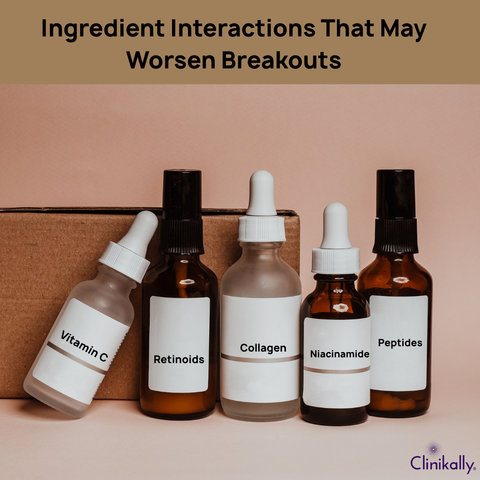
Even if you use high-quality skincare products, the improper chemicals might cause breakouts, irritation, or barrier disruption. Some substances that work well alone may conflict when combined, particularly on acne-prone or sensitive skin. The most common ingredient interactions that can aggravate breakouts—and how to prevent them.
-
Retinoids with severe exfoliants: Retinoids (such as tretinoin, retinal, and retinol) already promote cell turnover. Adding AHAs (glycolic, lactic acid) or BHAs (salicylic acid) on top can cause excessive exfoliation. This causes barrier damage, irritation, and increased acne. A better method is to use retinoids at night and exfoliate 1-2 times per week, but never on the same day as retinoids.
-
Niacinamide + vitamin C: While not necessarily a concern, unstable vitamin C (ascorbic acid) might react with niacinamide in poorly designed formulations. This might cause flushing, irritation, or even excess oiliness. Safer Strategy: Use vitamin C in the morning for antioxidants and UV protection and niacinamide at night for barrier repair and oil control. Look for formulations that contain both and are pH-balanced by the manufacturer.
-
Biotin + Collagen Supplements: Many collagen powders contain added biotin, which in high doses (5,000–10,000 mcg) may cause cystic acne and oil gland overactivity. The skin may purge or react if you’re not deficient in biotin. Choose biotin-free collagen, stick to 2.5–5g collagen peptides/day and support with hydration and zinc to reduce inflammation.
-
Occlusive ingredients plus active acne: Heavy oils (e.g., coconut oil, lanolin) or petrolatum mixed with closed pores. Occlusives can retain sebum and microorganisms in previously congested skin. This exacerbates inflammatory acne and closed comedones. If you have oily or acne-prone skin, avoid using occlusive moisturizers. Choose non-comedogenic moisturizer, gel-based hydrators.
-
Benzoyl peroxide plus retinoids: Both are effective acne-fighting agents, although retinoids are prone to oxidation, and benzoyl peroxide may deactivate some retinoids (including tretinoin). Use benzoyl peroxide in the morning and retinoid at night, or use adapalene (Differin), which is compatible with benzoyl peroxide.
-
Overuse of active ingredients: combining acids, retinoids, vitamin C, peptides, AHAs, and BHAs all at once. Causes irritation, excess oil production, barrier damage, and subsequent breakouts. Simplify your skincare routine to include cleansing, 1-2 actives (max), moisturizer, and sunscreen (AM).
-
Alcohol-based toners with exfoliants or retinoids: Alcohols, such as denatured alcohol or SD alcohol, strip the skin. When used with exfoliants or retinoids, they produce micro-tears and irritation. Use toners that are alcohol-free and have calming components (such as centella, green tea, and panthenol).
Managing Breakouts While Taking Collagen

Even if you have acne, you can still benefit from collagen's skin firming, healing, and moisturizing properties. With the appropriate formula, skincare, and nutrition, you can manage breakouts and gradually grow stronger, healthier skin.
Choosing the Right Type of Collagen Supplement
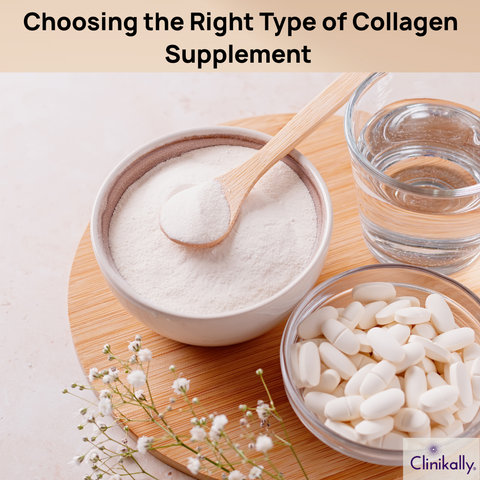
Not all collagen is created equal, and using the incorrect type may diminish benefits or increase the risk of adverse effects including as bloating, breakouts, or allergic reactions. Understanding the many forms, suppliers, and formulations of collagen will help you make a more informed, skin- and body-friendly decision. The finest collagen supplement for your skin type, sensitivity level, and lifestyle.
-
Understand the different types of collagen: There are at least 28 forms of collagen, but the three most important in supplements are type I (skin, tendons, bones), type II (joint and cartilage health), and type III (skin elasticity, organs, veins). Types I and III apply to the skin, hair, and nails. For joints: Type II
-
Choose the right collagen source: Each source has its advantages and allergic considerations. Marine collagen (skin, anti-aging, hair/nails), bovine collagen (skin, muscle, gut support), chicken collagen (joints and cartilage), and vegan collagen boosters (support for collagen synthesis).
-
Choose the correct form: Choose the right form. Hydrolyzed powder (very bioavailable, easy to combine, cost-effective), liquid collagen (convenient, flavorful, no mixing), capsules (no flavor, ideal for sensitive stomachs), and gelatin (natural and lightly processed).
-
Check the ingredient list carefully: Look for hydrolyzed collagen peptides (easy to absorb), vitamin C (helps with collagen synthesis), zinc, silica, and hyaluronic acid (optional).
-
Much collagen do you really need: Goals include skin firmness and elasticity (2.5-5g/day of hydrolyzed collagen), hair and nails (2.5-10g/day), joint and bone health (5-10g/day), and wound/scar healing (5-10g/day with vitamin C support).
-
Consider clean labeling and testing: To ensure safety and quality, select a collagen supplement that has been third-party tested for heavy metals and purity. Grass-fed (for beef) or wild-caught (for seafood). Free of gluten, dairy, soy, and GMOs.
How to Spot Acne-Safe Collagen Products
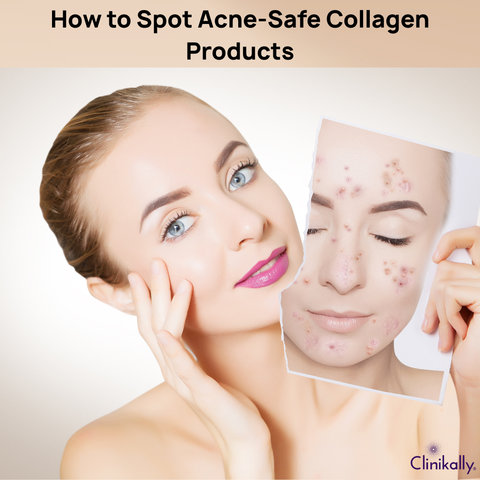
The simpler the formula, the better it is for acne-prone skin. Collagen Products can be a game changer for skin suppleness and healing—but only if the product works with, not against, your skin.
Lifestyle Tips to Minimize Breakout Risk

Even the purest collagen supplement won't work if your regular behaviors cause breakouts. Acne is influenced by hormones, stress, sleep, nutrition, and hygiene, in addition to what you put on your skin or in your body. Here's how to improve your lifestyle to decrease breakouts while still receiving the full advantages of collagen.
-
Prioritize sleep for skin repair: Sleep is when your skin repairs and regenerates—and insufficient sleep raises cortisol levels, resulting in inflammation and oil overproduction. To reduce cortisol, strive for 7-9 hours of quality sleep, stick to a consistent sleep schedule, and avoid screens one hour before bedtime.
-
Watch your diet: Avoid high-glycemic foods, such as sugary cereals, white bread, pastries, and sweetened beverages, which might cause acne. Eat more anti-inflammatory, skin-supporting foods such as omega-3s (which reduce inflammation), zinc (which is antibacterial and reduces oil production), vitamin C (which supports collagen and brightens skin), antioxidants (which protect against oxidative stress), and fiber (which balances gut health).
-
Stay Hydrated: Maintains skin plumpness and prevents compensating oiliness. Promotes detoxification and collagen utilization. Drink 8-10 glasses each day, more if you are active. Add lemon, cucumber, or mint to your water for an antioxidant boost.
-
Maintain a clean skin and hair routine: Wash pillowcases and towels 2-3 times a week. Wash your face twice a day with a mild, low-pH cleanser. Avoid using thick leave-in hair products on your face. Tie back oily hair, especially at night.
-
Manage stress: Stress raises cortisol levels, causing inflammation, disrupting intestinal homeostasis, and stimulating oil glands. Meditation or deep breathing (10 minutes per day), light exercise (yoga, walking), and journaling, reading, or nature time are all stress-reducing methods.
-
Move your body—but be mindful of the sweat: Exercise is beneficial for circulation and detoxification, but always shower after sweating. Don't use makeup when exercising. If you can't wash your hands right after the gym, use a salicylic acid pad.
-
Avoid touching or picking at your skin: Hands contain bacteria and grease. Picking leads to irritation, scarring, and spread. Instead, use a spot treatment, such as benzoyl peroxide or sulfur.
-
Use sunscreen every day: UV exposure causes collagen breakdown and post-acne marks. Broad-spectrum SPF 30+. Non-comedogenic and lightweight formulations (gel-based or mineral)
Personalized Advice: Is Collagen Right for Your Skin?

Collagen can be an effective skin support supplement, but it is not a cure-all and is not appropriate for everyone at every stage. You can still try it if you're prone to breakouts, sensitive, or have digestive issues—just be cautious, selective, and use skin-safe products.