Does Your Hair Need a New Shampoo? Know When to Make the Switch
Sticking with your favorite shampoo may feel safe and uncomplicated at first, but your hair's requirements can change with time, and that familiar bottle may no longer offer the results you want. In this blog, we'll talk about when and why you should reconsider your shampoo.
Why Shampoo Fatigue Might Be Real
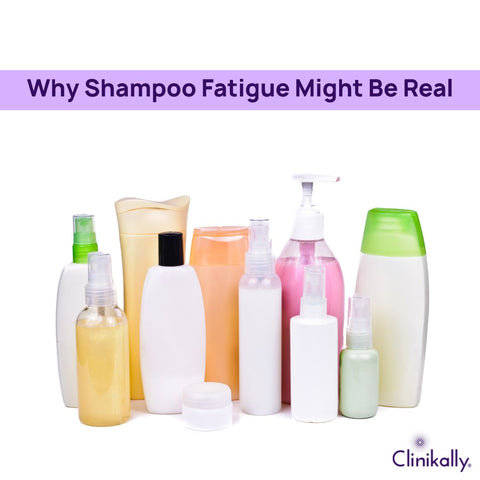
Have you ever felt that your once-perfect shampoo has stopped working? Even if you continue to use the same product, your hair seems limp, lifeless, or oily faster than before. That is not your imagination. Welcome to the concept of shampoo fatigue—and yes, it may be a real thing.
Shampoo fatigue is the progressive decline in efficiency of a hair cleaner over time. It occurs when your hair and scalp cease responding favorably to a shampoo you've been using for months or even years. The product has not changed, but you and your hair may have.
What actually happens when you use the same shampoo too long
Using the same shampoo for an extended period of time isn't always a bad thing—but over time, small changes in your scalp, hair, or surroundings might render that once-perfect formula ineffective. Here's what could be occurring underneath the surface:
-
Product buildup on the hair and scalp: Many shampoos contain conditioning ingredients, silicones, or oils that are not completely rinsed away. This residue collects and coats the hair shaft and scalp. Result? Dull, thick, limp hair with plugged follicles.
-
Scalp Microbiome Disruption: Repeating the same recipe, particularly one with harsh surfactants or an uneven pH, might damage your scalp's natural ecosystem. Irritation, flaking, excessive oil production, or sensitivity may develop with time, even if they did not appear at initially.
-
Hair adapts, but not in a positive way: Hair does not "get used to" items in the literal sense—your demands change, but your formula remains constant. What used to give your hair volume may suddenly make it flat. A moisturizing shampoo may now overmoisturize, resulting in frizz or lifelessness.
-
Environmental and lifestyle changes outpace your formula: Seasonal variations, hormonal changes, stress, changing water sources (such as moving to a hard water location), and even food can all influence how your hair behaves. Shampoo that worked in the cold may not work as well in the humid summer. Alternatively, a product that formerly balanced greasy roots now feels overly dry.
-
Ineffective Cleansing Over Time: Overuse of soft, non-clarifying shampoos might result in sweat, product residue, and sebum. Hair may feel dirtier faster, smell musty, or be resistant to styling products.
Signs your hair is no longer responding
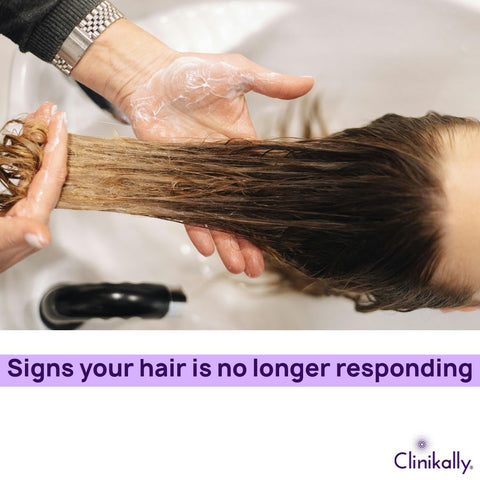
The most common indications that your hair is no longer responding to it:
-
Hair feels greasy faster: Your shampoo may not be washing efficiently, or your scalp is overproducing oil in response to irritation or accumulation. You need to wash more frequently than usual.
-
Hair seems dull and lifeless: Silicones, waxes, and proteins can cover the hair shaft and prevent light reflection. There is no shine, even after styling and conditioning.
-
Texture: Hair may be harsh, sticky, flat, or extremely soft. Your hair doesn't "behave" the way it used to—the curl pattern weakens, the volume fades, or the strands feel lifeless or dry.
-
Scalp Is Itchy, Flaky, or Irritated: An imbalanced pH or irritating ingredients may be triggering sensitivity over time. New or worsening dandruff, redness, or burning sensations.
-
Styling products are not working: Buildup might hinder styling products from absorbing or working effectively. Heat style does not hold, curls are flat, and products simply "sit" on the hair.
-
Hair Breaks More Easily: Your shampoo may be removing too much moisture or not protecting the hair shaft. More breakage during brushing, in the shower, or on your pillow.
-
Using More Product Without Better Results: You're making up for a lack of performance by using more shampoo—or doubling up on other items. Your regimen grows, yet your outcomes do not improve.
Is it your shampoo or your scalp that’s changed?
Sometimes it isn't the shampoo that has ceased working; it's your scalp that needs something different. The key is to learn to read the signs. By paying attention to variations in oil production, texture, and sensitivity, you may select the best shampoo for your hair's current needs.
How Often Should You Change Your Shampoo?
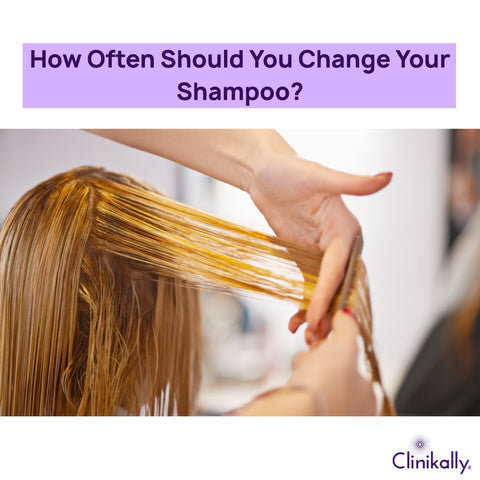
You don't need to change your shampoo all the time, but if your hair begins to act strangely, don't ignore it. Plan to reevaluate your routine every 6 to 12 months, or sooner if your scalp or strands begin sending SOS signals.
Expert-backed timelines based on hair type
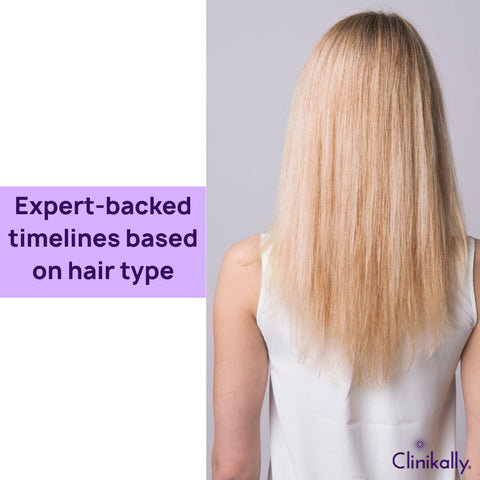
Guide based on insights from dermatologists and trichologists.
-
Curly or coily hair (Types 3–4): Rotate goods every 3–6 months. This hair type thrives on moisture, yet it can get too saturated or weighted down with time. If left untreated, accumulation from butters or oils might create scalp issues. Use a gentle, sulfate-free shampoo on a regular basis, and clarify once per month. If your curls have become lifeless, undefined, or frizzy, it's time to change your main shampoo.
-
Normal or balanced hair: Switch every 6-12 months (or as needed). If your scalp and hair aren't reacting negatively, there's no reason to be concerned—but seasonal or hormonal changes can still make your regular shampoo less effective. Don't wait for buildup or irritation. If your hair still feels "meh" after washing, try renewing your formula.
-
Curly or Coily Hair (Types 3-4): Rotate items every 3–6 months. This hair type thrives on moisture, yet it can get overly saturated or weighted down over time. If left untreated, buildup from butters or oils might cause scalp difficulties. Use a gentle, sulfate-free shampoo on a regular basis, and clarify once a month. If your curls become lifeless, undefined, or frizzy, it is time to refresh your main shampoo.
-
Normal or balanced hair: Switch every 6-12 months (or as needed). If your scalp and hair aren't reacting poorly, there's no need to worry—but seasonal or hormonal fluctuations can still make your regular shampoo less effective. Do not wait for accumulation or irritation. If your hair still feels "meh" after washing, consider refreshing your formula.
-
Fine or thin hair: Rotate every 2-3 months. Residue and dampness can easily weigh down fine strands. Volumizing shampoos might lose effectiveness over time if the accumulation is not removed. To keep hair bouncy and light, use volumizing and clarifying shampoos alternately.
-
Thick or coarse hair: Replace every 6-9 months. Coarse hair tolerates heavy products well, although it can become dry, frizzy, or stiff if over-washed or under-moisturized. If your hair starts fighting stylers or feels dry despite conditioning, it's time to switch up your formula.
Seasonal hair and scalp behavior changes
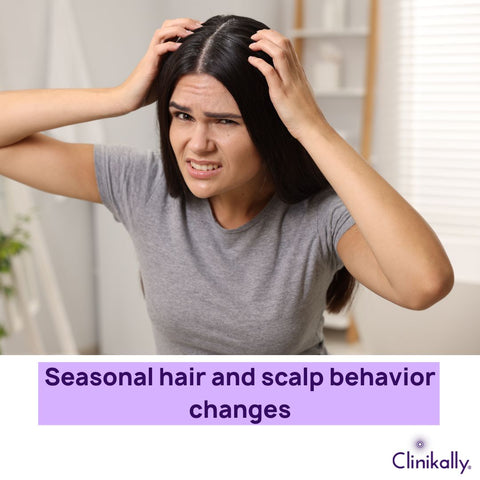
Seasonal changes have a big impact on your hair and scalp health. Here's an overview of how each season affects your hair and scalp, as well as what you can do to adjust your haircare routine accordingly:
-
Spring: Following winter dryness, your scalp may begin to produce more oil. Increased pollen can irritate the scalp and cause flakiness in allergy-prone people. Hair may shed slightly as it moves from "resting" to "growing" phase. To remove any winter product buildup, use a moderate clarifying shampoo. Begin using a lightweight scalp exfoliant to promote growth. A scalp serum can assist regulate oil production.
-
Summer: Higher temperatures stimulate perspiration and oil production, which can block follicles. UV rays damage the hair cuticle, resulting in dryness and breakage. Chlorine and seawater deplete hair's natural oils. To control oil and sweat, use a purifying or balancing shampoo around 2-3 times each week. Rinse your hair immediately after swimming. Consider using a UV-protective spray or leave-in conditioner. Choose light, airy hairstyles to reduce scalp heat.
-
Autumn: As hair moves out of the growth phase, it sheds seasonally. Dry air can irritate sensitive scalps. Post-summer damage (split ends, brittleness) is more noticeable. To strengthen strands, use a light, protein-rich shampoo. Deep conditioning is recommended once a week to heal damage. To increase circulation, try a scalp massage oil infused with rosemary or clary sage.
-
Winter: Cold air combined with interior heating causes excessive dryness. The scalp may become itchy, tight, and flaky (dry dandruff). Hair becomes more susceptible to static and breaking. Haircare ideas include using a hydrating shampoo and conditioner combo. Avoid overwashing; aim for 2-3 washes per week if possible. Apply a moisturizing scalp oil or serum (including jojoba, tea tree, or argan). Sleep with a humidifier and a satin pillowcase.
Factors like water hardness and weather
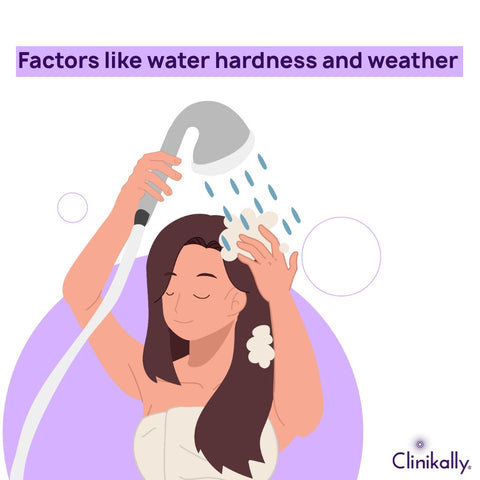
Both water hardness and weather influence how your hair and scalp behave. Here's an overview of how they affect your hair and how to modify your haircare routine accordingly:
1. Water hardness
Hard water is rich in minerals such as calcium and magnesium. It is ubiquitous in many metropolitan locations and can produce significant buildup over time. Effects on hair and scalp include accumulation on hair strands, which can make them feel heavy, scratchy, or coated. Scalp debris might result in flakes or plugged follicles. Minerals impede moisture absorption, causing color fading in chemically treated hair, as well as dryness and frizz.
2. Weather
-
Hot & Humid Climates: Hot and humid climates produce more oil and sweat, resulting in greasy roots and frizz. The scalp gets greasy or itching. Hair expands, resulting in puffiness or frizz.
-
Cold and dry climates: Dry air causes scalp flaking and stiffness. Static, breakage, and dullness. Reduced oil output, resulting in dry ends.
-
Rainy or Monsoon Weather: Rainy or monsoon weather can lead to fungal growth, resulting in dandruff and scalp odor. The hair feels sticky or limp. Pollution and precipitation can cause damage to the scalp barrier.
When Sticking to One Shampoo Is Actually Good
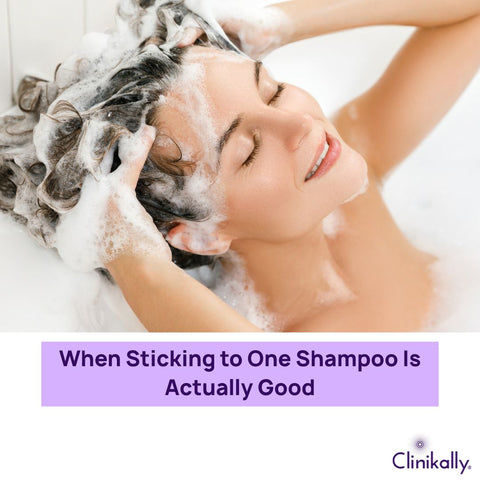
Sticking to one shampoo isn't necessarily a bad thing; in fact, it can be beneficial under some circumstances. The trick is to understand your hair's baseline and recognize when it changes.
Sensitive scalps and product consistency
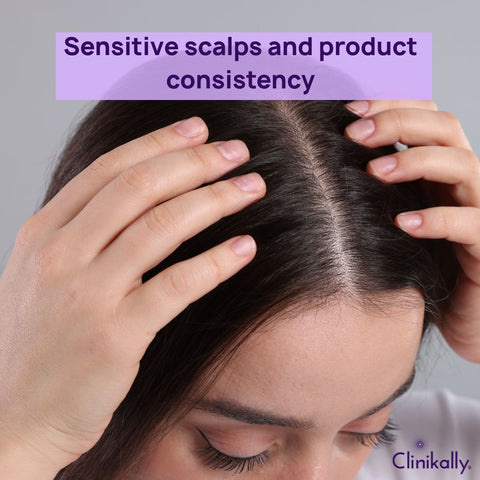
For those with sensitive scalps, consistency in haircare products can be a game changer. Here's why using the same gentle shampoo will help safeguard your scalp's delicate balance and avoid irritation:
-
Barrier vulnerability: Sensitive scalps frequently have a weakened skin barrier, leading to redness, itching, and inflammation. Switching goods regularly can exacerbate this obstacle.
-
Ingredient sensitivity: New shampoos may have unexpected compounds, such as perfumes, preservatives, or detergents, which might cause allergic or irritating reactions.
-
Scalp microbiome balance: Your scalp, like your gut, supports beneficial bacteria that flourish in a stable environment. Sudden product changes can disrupt this microbiota, resulting in flare-ups.
Benefits
-
Minimized irritation: Using a soft, hypoallergenic solution decreases the likelihood of contact dermatitis and scalp flare-ups.
-
Predictable results: When your scalp responds regularly, you can keep track of what works and save wasteful trial and error.
-
Improved barrier health: Regular use of moderate, pH-balanced shampoos promotes healing and enhances your scalp's natural defenses.
Ingredient stability and cumulative benefits
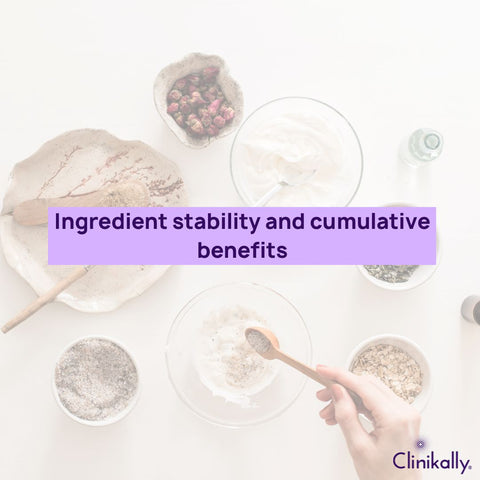
When it comes to haircare, the stability of active chemicals and their cumulative effects over time are important factors in why using the same shampoo (or product range) consistently yields the greatest results. Here's how these components function together:
Ingredient Stability
-
Formulation Integrity: Many active compounds, including as peptides, antioxidants, plant extracts, and mild acids, require a stable environment (appropriate pH, preservatives, and packaging) to be effective over time.
-
Avoiding Degradation: Changing products regularly exposes your hair and scalp to a new set of substances, some of which may be unstable or incompatible, diminishing overall efficacy.
-
Consistent Exposure: Using the same formula guarantees a consistent, dependable delivery of actives, allowing them to function properly.
Cumulative Benefits
-
Gradual Improvement: Ingredients such as keratin, ceramides, hyaluronic acid, and probiotic extracts frequently do not produce immediate results but gradually enhance hair and scalp health with continued use.
-
Barrier Repair & Strengthening: Many components work to strengthen the hair's protective layers or repair the scalp's microbiota over time and with constant application.
-
Prevention over Cure: Stable, continued use helps avoid harm (such as breaking or inflammation) before it occurs, rather than attempting to repair it after.
When less variety equals more harmony
Simplifying your haircare routine with fewer, carefully chosen products will help your scalp and strands thrive. Less variety reduces stress on your hair, enabling natural balance, cumulative benefits, and long-term health to thrive.
Final Word: Should You Change or Stay Loyal?

Using the same shampoo might seem convenient, but your hair's needs can change over time due to factors like age, weather, hormonal fluctuations, and product buildup. Signs that indicate it's time to switch include oily roots, dryness, breakage, dullness, or scalp irritation. Even a product that was once trusted can become less effective as your hair and scalp evolve.