Fucoidan Benefits for Skin: A Deep Dive into This Marine Extract
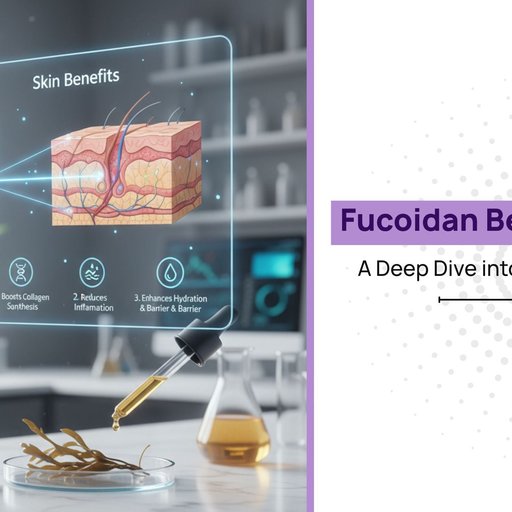
Fucoidan is a sulfated polysaccharide obtained predominantly from brown seaweeds including Fucus vesiculosus, Undaria pinnatifida (wakame), and Laminaria japonica. Fucoidan, which has long been used in Eastern medicine and marine biology, is now gaining popularity in dermatology and skincare because to its anti-inflammatory, antioxidant, and skin-regenerating characteristics. In this article, we shall investigate fucoidan's benefits for the skin.
What Is Fucoidan? The Marine Compound with Skin-Enhancing Potential
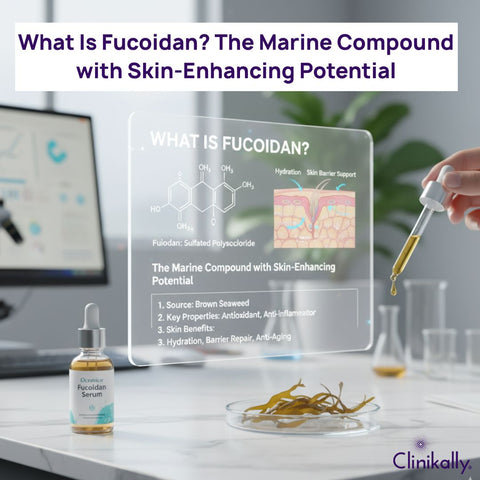
Fucoidan is a sulfated polysaccharide found in brown seaweed and certain marine crustaceans. It has been linked to potential skin benefits, such as antioxidant and anti-inflammatory qualities. It is also being studied for its potential use in the treatment of numerous disorders, including cancer, as well as its immunomodulatory and antiviral activities. Key features and benefits:
-
Source: Brown algae and several marine creatures' cell walls are the primary sources.
-
Chemical structure: It is a sulfated polysaccharide, which means it contains sulfate groups and fucose, as well as other sugars like galactose, glucose, xylose, and uronic acid.
-
Skin Benefits: Antioxidants protect skin cells from free radical damage. Anti-inflammatory medications can help reduce skin irritation and redness. Anti-aging treatments may help minimize the appearance of wrinkles and fine lines.
-
Other Potential Benefits: Some research indicate that it may have anticancer qualities. Antivirals may help battle viral infections. Immunomodulators can help to modulate the immune system. Wound care techniques may accelerate the healing process.
-
Pharmaceutical Applications: Fucoidan is being researched for its possible usage in a variety of pharmaceutical formulations and cosmetic products.
Where Fucoidan Comes From: Brown Seaweed and Its Derivatives

Fucoidan is a naturally occurring sulfated polysaccharide found in the cell walls of brown seaweeds, particularly those that live in cold, nutrient-rich maritime settings. Long used in traditional medicine throughout coastal Asia, this marine-derived chemical is currently gaining popularity in dermatology and cosmeceuticals due to its significant anti-inflammatory, antioxidant, and regenerative effects.The procedure often includes:
-
Harvesting brown algae from clean coastal waters.
-
Drying and Powdering the Seaweed
-
Fucoidan is isolated using aqueous extraction, which uses water or saline.
-
Purification and concentration—the removal of salts, proteins, and other non-fucoidan compounds
High-quality fucoidan used in cosmetics contains few impurities, is standardized by molecular weight, and is frequently sulfated to increase bioactivity. The composition of fucoidan varies according to seaweed species, harvesting location, season, and extraction method. This difference affects its sulfation level (which effects anti-inflammatory effectiveness), molecular weight (which dictates skin penetration), and purity (which is important for sensitive-skin formulations). Fucoidan may be labeled as "Fucoidan extract" or "Sulfated polysaccharide from brown algae" in skincare. There are two types of fucoidan: high-molecular-weight fucoidan (for surface barrier and hydration) and low-molecular-weight fucoidan.
The Molecular Composition That Makes Fucoidan Unique
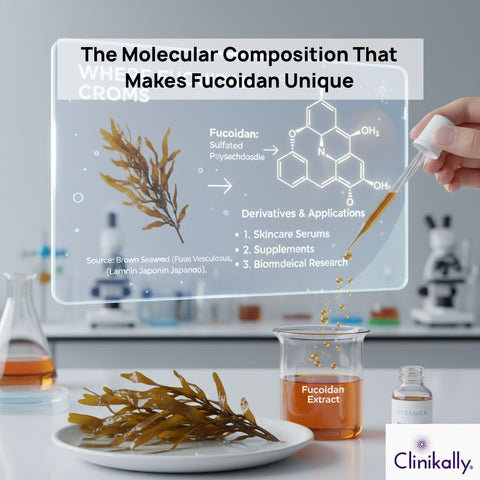
Fucoidan's unusual molecular structure, which is rich in fucose and sulfate groups, provides it with unparalleled bioactivity in skincare. It doesn't just sit on the surface; depending on its molecular weight, it can moisturize, reduce inflammation, stimulate collagen synthesis, and boost skin resiliency from the inside out. Its marine origin and complex sugar structure distinguish it as a true leader in advanced skin therapy.
How Fucoidan Interacts with Skin Cells at a Biochemical Level
Fucoidan, a sulfated polysaccharide found in brown seaweed, interacts with skin cells at the biochemical level via a variety of processes, with the primary effects being inflammation, oxidative stress, and collagen formation. It affects signaling pathways such as MAPK and NF-κB, lowering the generation of pro-inflammatory cytokines. Furthermore, fucoidan can reduce oxidative damage and stimulate collagen formation in skin cells, while also preventing melanogenesis. Here's a closer look at the biochemical interactions:
-
Signaling pathway modulation: Fucoidan has the ability to inhibit the activation of several pathways, which are essential for inflammation and cell signaling. Fucoidan inhibits pro-inflammatory cytokine production, including TNF-α, IL-1β, and IL-6, as well as the expression of iNOS. Fucoidan can suppress the TGF-β pathway, which promotes fibrosis and wound healing. This inhibition can reduce extracellular matrix protein accumulation.
-
Impact on oxidative stress: Fucoidan contains antioxidants that protect skin cells from free radical damage. Fucoidan has been shown in studies to inhibit particulate matter-induced oxidative damage in epidermal and dermal skin cells. Fucoidan can help maintain a healthy redox balance in skin cells by regulating signaling pathways and scavenging free radicals, which reduces oxidative stress.
-
Effects on collagen and elastin: Fucoidan can stimulate the production of pro-collagen, a precursor of collagen, in dermal skin cells. Fucoidan can reduce the expression of matrix metalloproteinases (MMPs), which are enzymes that destroy collagen and elastin. This helps to maintain the skin's structural integrity and prevents collagen degradation. Fucoidan, which influences collagen synthesis and MMP activity, can assist to maintain a healthy collagen balance in the skin.
-
Melanogenesis modulation: Fucoidan can reduce melanin formation in melanocytes by inhibiting the expression of tyrosinase and other melanin-producing proteins. Fucoidan can also inhibit microphthalmia-associated transcription factor (MITF), a critical regulator of melanogenesis.
-
Other interactions: Fucoidan can influence immune cell activity and cytokine production. According to certain research, fucoidan can help with wound healing by promoting cell proliferation and improving skin equivalent repair. Fucoidan can have anticoagulant properties, which may be useful in some skin disorders.
The Proven Skin Benefits of Fucoidan Backed by Science
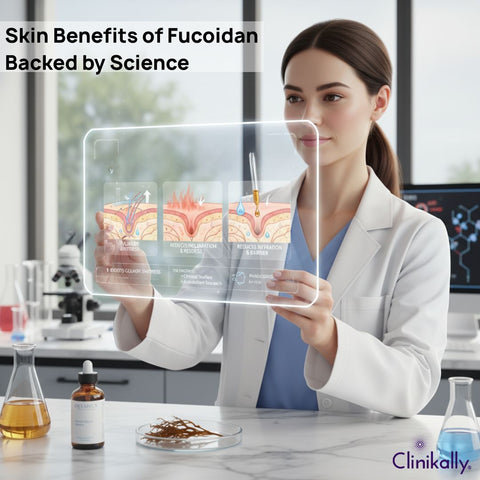
Fucoidan is gaining popularity as a potent skin-care product, according to an expanding body of peer-reviewed studies. Fucoidan provides multiple advantages for both impaired and aging skin, including barrier repair and anti-aging properties. The scientifically validated skin advantages of fucoidan, categorized by mechanism and supported by relevant studies.
-
Anti-inflammatory action: Fucoidan inhibits pro-inflammatory cytokines like TNF-α, IL-1β, and IL-6 via interfering with NF-κB and MAPK signaling pathways, which are key in inflammatory skin disorders.
-
Moisture retention and barrier repair: Fucoidan promotes hydration by strengthening the extracellular matrix (ECM) and mimicking endogenous glycosaminoglycans. It binds water and enhances the skin's tight junction proteins.
-
Stimulates collagen and wound healing: Fucoidan stimulates fibroblast proliferation, collagen synthesis, and keratinocyte migration, resulting in quicker skin regeneration and wound closure.
-
Antioxidant protection: Fucoidan has been shown to scavenge reactive oxygen species (ROS) and protect against UV-induced cell damage.
-
Immunological modulation and anti-allergic effects: Fucoidan regulates the immunological response in the skin by interacting with receptors such as selectins and TLRs. It decreases mast cell activation and histamine release during allergic responses.
-
Brightening and anti-pigmentation support: Fucoidan has been shown to inhibit tyrosinase, the enzyme responsible for melanin formation, and thereby diminish UV-induced pigmentation.
Fucoidan as an Antioxidant: Shielding Skin from Oxidative Stress
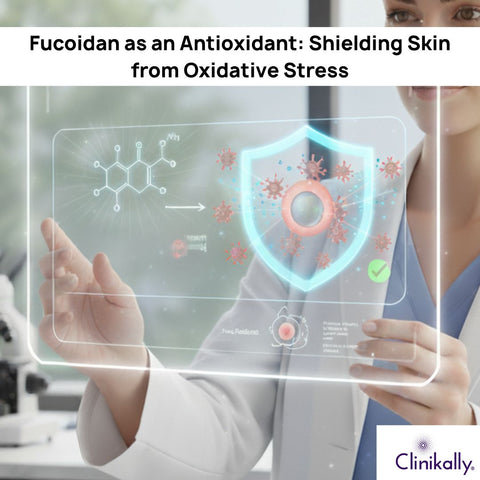
Fucoidan offers broad-spectrum antioxidant protection at both the surface and cellular levels. It provides a marine-derived protection against aging, inflammation, and environmental damage by scavenging free radicals, regulating mitochondria, and inhibiting collagen breakdown. Its antioxidant activity is especially useful for:
-
Skin that is sensitive or has an inadequate barrier.
-
After sun exposure, repair
-
Chronic skin disorders with oxidative inflammation.
-
Preventive anti-aging routines
Stimulating Collagen Synthesis for Firmer, Smoother Skin

Fucoidan boosts natural collagen formation while also preventing existing collagen from breakdown, which is unusual for a single component. Fucoidan, a science-backed, gentle alternative to harsher anti-aging actives, provides tighter, smoother, and more resilient skin, particularly for people with sensitive or inflamed skin.
Anti-Inflammatory Properties: Calming Redness and Sensitivity

One of fucoidan's most clinically important skincare benefits is its potent anti-inflammatory properties. Whether you have psoriasis, eczema, rosacea, or post-treatment sensitivity, fucoidan provides a naturally derived remedy that calms inflammation, decreases redness, and restores balance without hurting sensitive skin. Inflammation is the body's natural defense; but, when chronic or excessive, it causes:
-
Redness and flushing
-
Burning, stinging, or itching
-
Barrier breakdown
-
Hyperpigmentation
-
Premature aging
Conditions such as psoriasis, atopic dermatitis, acne, and rosacea are characterized by persistent inflammatory cytokine activity, and relaxing these pathways is critical for long-term skin healing.
Fucoidan and Wound Healing: Accelerating Skin Regeneration
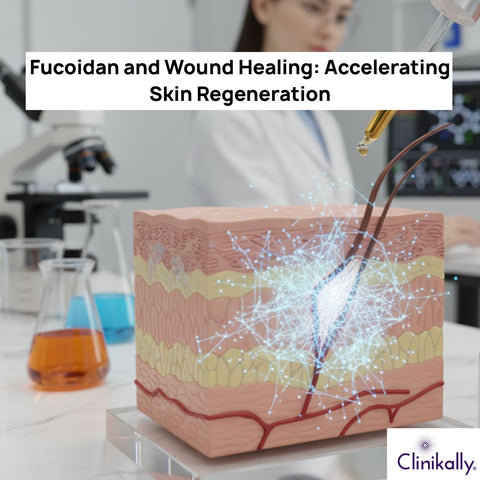
One of the most intriguing and well-studied applications of fucoidan in dermatology is its potential to improve wound healing and skin regeneration. Whether you have cracked, inflammatory skin from psoriasis, post-procedure healing, or small abrasions, fucoidan can help repair tissue, reduce scarring, and accelerate skin turnover—all while keeping inflammation under control.
-
Promotes fibroblast proliferation: Fibroblasts are the "architects" of healing, repairing the extracellular matrix and producing collagen. Fucoidan has been demonstrated to stimulate fibroblast proliferation and migration, increase type I and III collagen formation, and help organize the extracellular matrix (ECM).
-
Promotes keratinocyte migration: Keratinocyte migration is encouraged because keratinocytes are necessary for wound closure and epidermal restoration. Fucoidan promotes cell migration to the wound bed, differentiation for optimal skin layering, and the development of a stronger epidermal barrier.
-
Reduces inflammation and oxidative stress at the wound site: Chronic inflammation slowed healing. Fucoidan decreases inflammatory indicators (TNF-α and IL-6), reduces oxidative stress in fibroblasts and keratinocytes, and prevents MMPs from degrading nascent collagen.
-
Improves angiogenesis: Fucoidan binds to and stabilizes VEGF (vascular endothelial growth factor), which promotes the production of microcapillaries in the affected area. This enhances oxygen and nutrient supply, cellular waste elimination, and overall tissue oxygenation and regeneration.
-
Reduces scar formation: Fucoidan promotes balanced collagen remodeling and reduces excess inflammation, resulting in tighter collagen fiber alignment, lower keloid and hypertrophic scar risk, and smoother, flatter wound recovery.
Using Fucoidan in Skincare: Application, Safety, and Compatibility
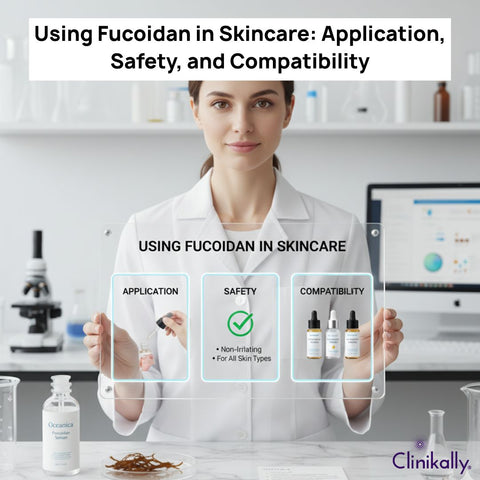
Fucoidan has earned a position in advanced skincare because to its anti-inflammatory, antioxidant, and collagen-boosting abilities. But how do you actually include it into your routine? Here's an overview of how to use fucoidan safely, what it works best with, and how to maximize its bioactive potential—especially if you have sensitive, irritated, or aging skin. Fucoidan is commonly found in serums, essences, lotions, and creams, and it is suitable for both morning and evening use.
-
Cleanse gently: Cleanse lightly with a non-stripping cleanser to prepare the skin.
-
Apply a fucoidan-containing product to wet skin: This enhances absorption, especially if the product is in serum or essence form.
-
Apply moisturizers and occlusives over it: Fucoidan works well with creams, balms, and face oils.
-
Use everyday for the greatest results: Fucoidan is safe to take continuously, even during flare-ups.
How to Incorporate Fucoidan into Your Skincare Routine
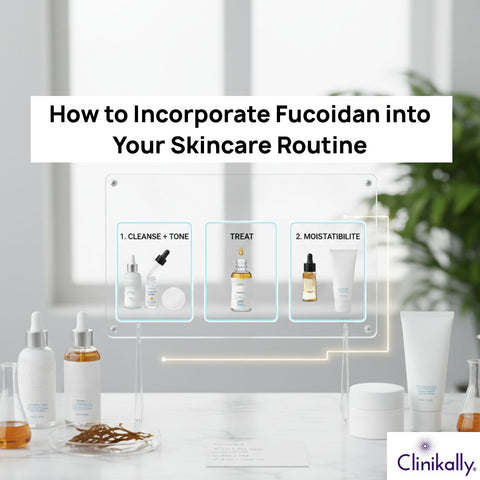
Fucoidan, a potent marine-derived substance, has numerous benefits for sensitive, irritated, or aged skin. To maximize its anti-inflammatory, collagen-boosting, and antioxidant properties, how you incorporate fucoidan into your skincare routine is critical. The step-by-step skincare routine using fucoidan is as follows:
-
Cleanse (AM and PM): Use a gentle, non-stripping cleanser, particularly if you have sensitive or damaged skin. Prepares skin for fucoidan without disrupting the skin barrier. Look for choices that are free of sulfates, fragrances, and have a pH balance.
-
Tone or spray (optional): Apply a hydrating mist or essence to soften the skin and promote ingredient absorption. If your fucoidan product is a serum or ampoule, put it on slightly moist skin to increase penetration.
-
Apply fucoidan serum, essence, or gel (AM and PM): This is your primary step. Fucoidan can be used to treat certain symptoms (redness, flare-ups, wounds). Alternatively, use a daily serum to address aging, dehydration, and sensitivity. Apply 1-2 pumps, or a pea-sized amount, and gently rub it into the skin.
-
Layer barrier repair actives: If your routine contains ceramides, niacinamide, panthenol, or peptides, apply them next. Fucoidan strengthens and relaxes, and these substances reinforce skin structure.
-
Moisturize (AM and PM): Apply a nutritious moisturizer appropriate for your skin type. For dry or sensitive skin, try a balm or cream with fatty acids. For oily skin, try a gel cream or light lotion.
-
Apply sunscreen (AM only): Always end your morning routine with a broad-spectrum SPF 30+. Fucoidan protects against photoaging, yet SPF remains your primary line of defense.
Synergy with Other Active Ingredients: Vitamin C, Hyaluronic Acid & More
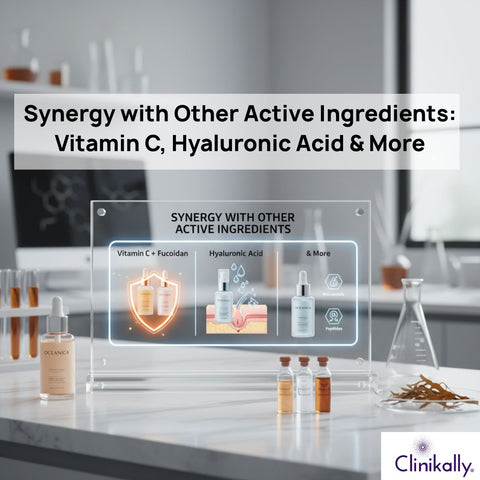
Fucoidan is more than simply a standalone powerhouse; it performs especially effectively when combined with other science-backed skincare components. Fucoidan's anti-inflammatory, antioxidant, and skin-repairing properties increase the advantages of companion actives while lowering the risk of irritation. We explain how fucoidan interacts with popular skincare components and how to layer them for best effects.
-
Fucoidan plus vitamin C (ascorbic acid): Brightening, antioxidant protection, and collagen production. Vitamin C stimulates collagen formation and inhibits pigmentation. Fucoidan protects skin cells from oxidative damage and inflammation, thereby maintaining the environment in which vitamin C can act. Benefits include increased photoprotection, brighter skin with less sensitivity, and greater collagen support for aging or UV-damaged skin. Apply vitamin C first thing in the morning, then wait 1-2 minutes before layering fucoidan serum to relax and hydrate.
-
Fucoidan + hyaluronic acid (HA): For deep hydration, skin plumping, and barrier repair. HA brings moisture into the skin, while fucoidan seals it in and reinforces the barrier, reducing trans epidermal water loss (TEWL). The benefits include long-lasting hydration, smoother, more supple skin, and less irritation in dry or damaged skin. Apply HA serum to moist skin first, followed by fucoidan to seal and reinforce.
-
Fucoidan + Niacinamide: Purposes include barrier restoration, redness reduction, and oil management. Niacinamide increases barrier function and pigmentation, whereas fucoidan promotes healing and reduces cytokine-induced inflammation. Benefits include reduced sensitivity and blotchiness, improved tolerance to active therapies (retinoids, acids), and support for rosacea, psoriasis, or eczema-prone skin. Use both together in the morning or afternoon. For the best outcomes, choose low-fragrance, minimum formulas.
-
Fucoidan + Peptides: Fucoidan + Peptides promotes firmness, anti-aging, and skin regeneration. Peptides stimulate collagen formation and improve elasticity, while fucoidan protects the new collagen matrix and encourages fibroblast proliferation. The benefits include smoother skin texture, improved wound healing and firmness, and reduced symptoms of environmental aging. To prepare the skin for your peptide cream or moisturizer, apply fucoidan serum first.
-
Fucoidan + retinoids: For anti-aging, acne control, and texture enhancement. Retinoids stimulate cell turnover but can cause irritation, peeling, and redness, while fucoidan decreases inflammation and promotes healing and collagen remodeling. The benefits include improved skin tolerance to retinoids, less adverse effects (dryness, redness, barrier degradation), and better anti-aging results. Apply retinoid at night, wait 10-15 minutes, and then apply fucoidan serum or cream to help buffer and soothe.
-
Fucoidan + ceramides and fatty acids: The purpose is to strengthen the barrier, repair flares, and prevent moisture loss. Ceramides help to restore the lipid layer, while fucoidan promotes cellular regeneration and reduces inflammation. Benefit is an excellent combination for psoriasis, eczema, and winter-damaged skin, and it helps restore tolerance to more active activities. Use ceramide creams after fucoidan in both the morning and evening routines.
What to Look for in Fucoidan-Enriched Products
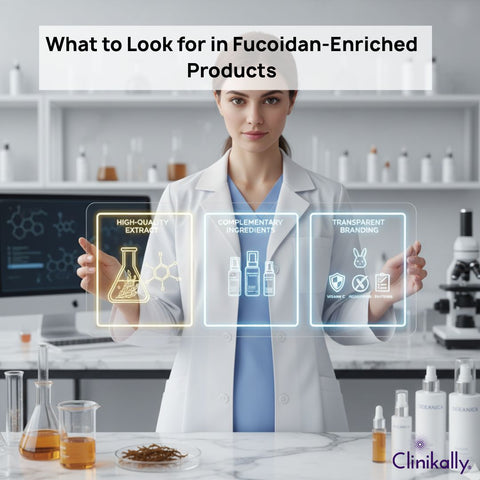
Fucoidan is a potent bioactive produced from brown seaweed, although its efficacy is highly dependent on concentration, source, extraction method, and supporting components. Ingredient listing, concentration matters, low or medium molecular weight fucoidan, clinical or laboratory validation, clean, minimalist formulas, bioactivity-preserving packaging, certifications, and brand transparency are all important factors to consider when purchasing a high-quality formulation with real skin benefits.
Personalized Skincare with Fucoidan: Is It Right for Your Skin Type?
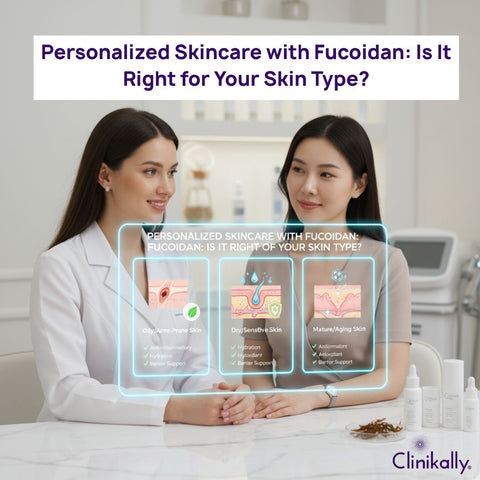
Fucoidan is a rare ingredient that offers multi-pathway support—calming inflammation, repairing the barrier, aiding healing, and boosting collagen—without harming sensitive or impaired skin. Fucoidan provides specialized assistance for practically every skin type, whether you're starting an anti-aging regimen, treating a chronic skin problem like psoriasis, or simply rebuilding your skin barrier.