Ghee and Shata Dhauta Ghrita: The Ancient Elixir for Radiant Skin
Doctor's Desk
Author
8 Dec, 2025
Ghee and Shata Dhauta Ghrita have long been valued in ancient Ayurvedic methods for their extraordinary skin health benefits. Both are praised not only for their internal health advantages but also for their ability to create healthy, beautiful skin. In this blog, we will learn about ghee and shata dhauta ghrita.
Understanding Shata Dhauta Ghrita: What Makes It Special?
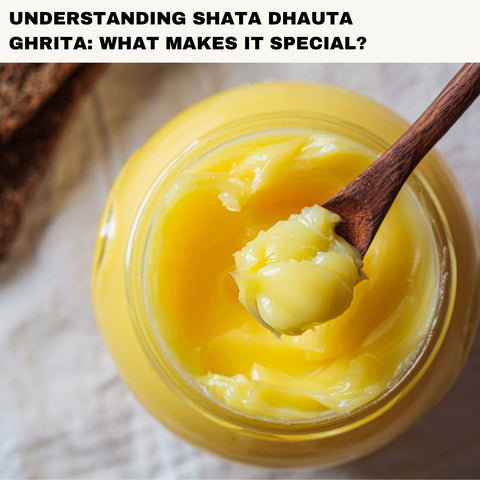
Shata Dhauta Ghrita is a well-regarded Ayurvedic composition noted for its outstanding ability to nourish and repair the skin. What distinguishes it from other skincare products is its unique preparation procedure and the profound therapeutic effects it provides. The phrase "Shata Dhauta Ghrita" comes from two words:
-
Shata means "100."
-
Dhauta means "washed."
-
Ghrita is ghee or clarified butter.
So, "ghee washed 100 times" is what Shata Dhauta Ghrita means. The procedure of washing ghee with pure water a hundred times is what gives it its unique features. The method yields a creamy, smooth, and highly therapeutic version of ghee that is both lightweight and effective for skin care.
The Ayurvedic Science Behind Shata Dhauta Ghrita
Shata Dhauta Ghrita is a standout product in Ayurvedic skincare, combining ghee's revitalizing characteristics with a rigorous 100-time washing process to produce a substance that is exceptionally balanced, nourishing, and therapeutic. Shata Dhauta Ghrita, with its dosha-balancing effects, cooling characteristics, and capacity to deeply feed and mend the skin, is an ancient yet ageless treatment for skin renewal, anti-aging, and healing in Ayurvedic medicine.
How 100 Times Washed Ghee Differs from Regular Ghee
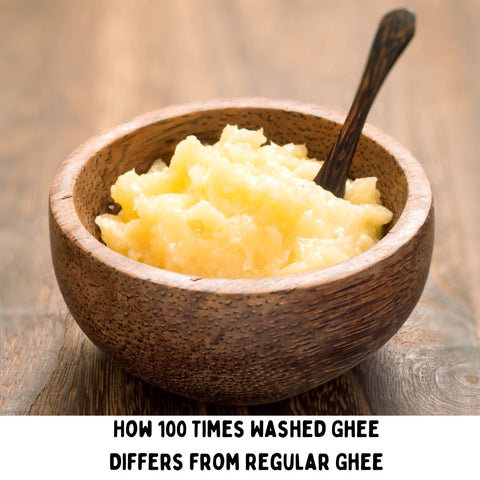
The difference between 100 times washed ghee and conventional ghee is in the production process, the texture of the finished product, and the enhanced therapeutic benefits it provides, particularly for skin. While ordinary ghee is a healthy food that may be used topically for specific advantages, Shata Dhauta Ghrita has been refined through a ritual of repeated washing to provide a gentler, softer, and more effective solution for skin renewal, healing, and hydration.
The Process of Making Shata Dhauta Ghrita at Home
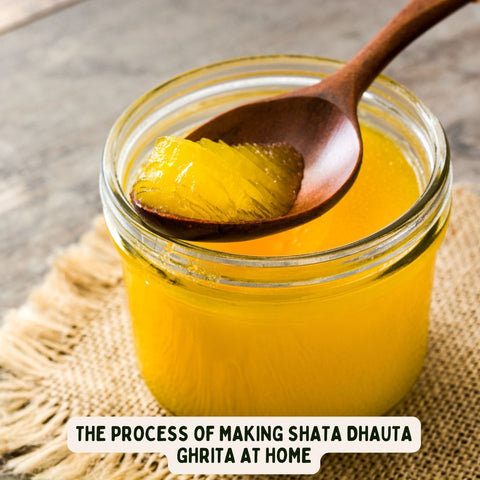
Making Shata Dhauta Ghrita (SDG) at home is a complex and labor-intensive process. This traditional Ayurvedic cure needs time, effort, and the appropriate tools. It's a stunning illustration of how Ayurveda uses science and art to develop restorative items. If you want to produce this rejuvenating ghee at home for cosmetic or medicinal purposes, here's a step-by-step method.
-
Step 1: Prepare the ghee: If you're starting with handmade ghee, you'll need to clarify the butter first. Simply melt unsalted butter in a pan over low heat. As it melts, the milk solids separate and can be skimmed out. After cooking, filter the liquid to eliminate any leftover particles, and you'll be left with pure ghee. If you use store-bought ghee, make sure it is high-quality, organic, and pure, with no additional preservatives.
-
Step 2: Begin the washing process: Pour ghee into a big glass or ceramic basin. You will need enough ghee to restart the washing operation. Pour the same amount of pure water into the ghee. For example, if you have 100 mL of ghee, add 100 mL of water. This produces a ghee-water combination. Using a wooden spoon or stirring stick, vigorously combine the ghee and water for 5-10 minutes. The idea is to combine the ghee and water, breaking it down and allowing impurities to be removed. Allow the mixture to settle for a few minutes. The water will naturally separate from the ghee, with the water layer settling at the bottom. After the ghee and water have separated, carefully drain the water. You can remove it with a clean cloth or a strainer, ensuring that only pure ghee remains in the bowl.
-
Step 3: Repeat the Process 100 Times: Repeat the ghee-water washing process 100 times. Each time, you’ll add fresh water to the ghee, stir it, and allow the water to settle before draining it off. This process can take hours, depending on how quickly you perform each step. It's essential to keep the water-to-ghee ratio equal in each cycle, as this ensures the proper purification process. By the end of this process, the ghee should feel much lighter and creamier, with a softer consistency compared to regular ghee.
-
Step 4: Final Straining and Drying: After the 100th wash, allow the ghee to cool and solidify slightly. Strain the final product to remove any remaining water content or impurities that may have escaped during the washing process. Dry the ghee using a soft, clean cloth or towel. Let it sit out for a few hours to ensure all water is absorbed or evaporated. The ghee should be smooth, creamy, and whiter than regular ghee.
-
Step 5: Storage: Transfer your freshly made Shata Dhauta Ghrita into airtight glass jars or containers. Store it in a cool, dry place, away from direct sunlight. The shelf life of SDG can vary, but it is typically several weeks or longer, depending on the purity and environment.
Unveiling the Benefits of Ghee for Skin
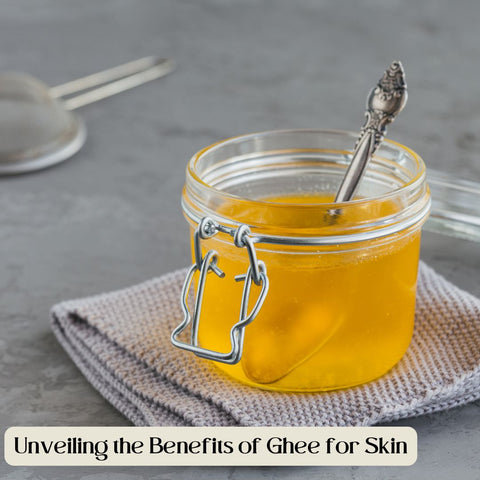
The numerous benefits of ghee for the skin and how it can improve your skincare routine.
-
Deep moisturization: Ghee contains omega-3 fatty acids and butyrate, which help the skin retain moisture and increase its natural barrier function. This makes it a great moisturizer for dry skin. Despite being fat, ghee is quickly absorbed into the skin and leaves no greasy behind, making it excellent for all skin types, especially oily skin, when applied sparingly. Applying ghee to dry spots like elbows, knees, and feet restores softness and elasticity, moisturizing and making them feel supple.
-
Anti-aging and skin rejuvenation: Ghee includes vitamins A and E, both of which are potent antioxidants that shield the skin from free radical damage. These antioxidants can help reduce the aging process by avoiding, sagging, fine lines and wrinkles. Vitamin A in ghee promotes collagen synthesis, which is necessary for skin suppleness. This makes the skin appear tighter and more young. Regular application of ghee to the skin helps enhance skin tone and provide an even, luminous complexion.
-
Soothing and healing properties: Ghee's cooling qualities soothe irritated or inflamed skin. It's especially good on sunburn, rashes, and eczema, delivering immediate relief while reducing redness and swelling. Ghee's natural healing characteristics make it ideal for application to minor wounds or abrasions, speeding up the healing process and preventing scarring. Despite its fat content, ghee is non-comedogenic (meaning it does not clog pores) and can help relieve acne-prone skin. Its anti-inflammatory qualities alleviate the redness and swelling associated with acne and other skin disorders.
-
Skin repair and regeneration: The necessary fatty acids and vitamin E in ghee stimulate the formation of new skin cells, making it an ideal choice for skin regeneration, particularly when dealing with hyperpigmentation, scars, or dark patches. It brightens the complexion and, when combined with other Ayurvedic substances such as turmeric or sandalwood, can reduce dark spots and uneven skin tone caused by sun exposure or acne scars.
-
Anti-bacterial and anti-fungal benefits: Ghee has antibacterial and antifungal properties that help protect the skin from infections, making it a natural antiseptic. It can be used to treat minor skin infections and wounds, reducing bacterial growth and improving healing. It can help manage skin conditions like psoriasis, eczema, and acne by lowering the risk of infection in cut or irritated skin.
-
Enhances skin glow: Ghee nourishes the skin and improves blood circulation, aiding in the natural development of beautiful skin. Regular application to the face can give your skin a natural, healthy glow. Ghee's nourishing characteristics benefit the skin's general health, revitalizing dull skin and revealing a bright complexion.
-
Gentle exfoliation: Ghee can be combined with gram flour (besan), turmeric, or honey to create exfoliating face masks. This combination helps to gently exfoliate the skin, remove dead skin cells, and brighten the complexion. Adding ghee to other exfoliants (such as sugar or salt) results in a gentle scrub that removes impurities and cleanses the skin without depleting its natural oils.
-
Improves skin texture: Ghee's high-fat content improves the overall texture of the skin, making it feel soft and supple. Regular use can help to smooth out rough patches, reduce the appearance of dry, flaky skin, and improve skin elasticity. Ghee's moisturizing properties help to reduce the appearance of stretch marks by improving skin elasticity and hydration.
Deep Moisturization and Hydration for Dry Skin
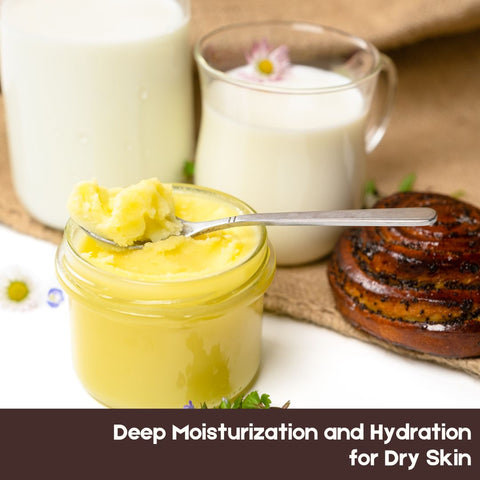
Dry skin can be tight, itchy, and irritating. The key to treating dry skin is to supply it with deep hydration and powerful moisturization that lasts all day. A good skincare routine, paired with the appropriate products and ingredients, can help restore your skin's natural moisture barrier, leaving it soft, smooth, and nourished. To effectively hydrate and moisturize dry skin, begin with a hydrating cleanser, exfoliate gently, apply a hydrating toner or essence, use a rich moisturizer, add a face oil or serum for extra hydration, remember to hydrate from within, use a humidifier in dry environments, protect your skin from the sun, consider overnight treatments, and be healthy for dry skin.
Strengthening the Skin Barrier for Protection
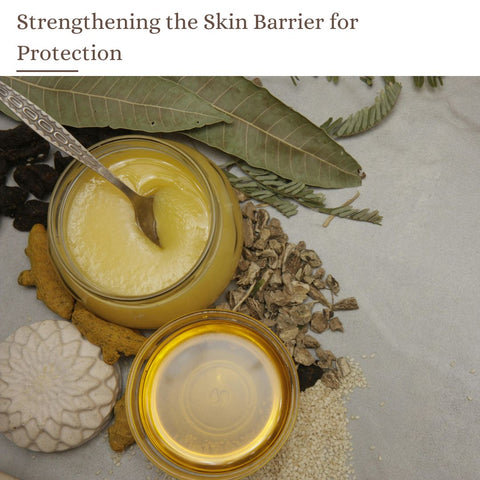
The comprehensive guide on how to restore and maintain a healthy skin barrier:
-
Role of the skin barrier: The skin barrier is mostly composed of lipids (fats) that are densely packed to form a protective shield. This shield protects against hazardous substances and prevents moisture loss. External irritants, excessive exfoliation or the use of harsh skincare products, dehydration or lack of hydration, and skin diseases like eczema or psoriasis can have an impact on the skin barrier.
-
Avoid over-cleaning and harmful ingredients: Cleaning your skin is necessary, but overdoing it or using products that deplete your skin's natural oils can weaken the barrier. Avoid using harsh soaps or cleaners with strong detergents. Choose hydrating, sulfate-free cleansers designed to cleanse the skin without stripping it of its natural oils. Most people find that cleansing their faces twice a day, in the morning and at night, is sufficient. Overcleaning can disrupt the skin barrier and cause dryness.
-
Restore moisture with hydrating ingredients: Hydration is essential for maintaining the skin barrier, as dry skin is more susceptible to harm. Hyaluronic acid, glycerin, ceramides, and aloe vera are all substances that help attract and lock moisture into the skin.
-
Use moisturizers with barrier-repairing ingredients: The appropriate moisturizer can supply necessary fatty acids and other critical components that protect and repair the skin barrier. -Ceramide helps to build the skin barrier. They serve to hold skin cells together and form a protective barrier to keep moisture in. Shea butter, jojoba oil, and squalane all contain essential fatty acids, which serve to repair the skin's natural lipids and boost its defenses against environmental stressors. Some moisturizers contain cholesterol, which is an essential component of the skin barrier and helps restore the skin's natural lipid balance.
-
Avoid harsh exfoliation and physical scrubs: Exfoliation can help remove dead skin cells, but over-exfoliation or using abrasive scrubs might harm the skin barrier. Use lactic acid or enzyme exfoliants to exfoliate dead skin cells without causing micro tears or discomfort. Physical exfoliants, such as sugar or salt scrubs, can be excessively abrasive on delicate skin, destroying its surface layers and increasing its susceptibility to irritation and dryness.
-
Include antioxidants to protect the skin barrier: Antioxidants help protect the skin from free radical damage, which can weaken the skin barrier over time. Vitamin C, a powerful antioxidant, helps neutralize free radicals and promotes collagen production, resulting in a firmer skin barrier. Vitamin E is known for its healing properties; it aids in moisture balance and protects against oxidative stress. Niacinamide (vitamin B3) improves the skin barrier by increasing the production of ceramides and other lipids. It also reduces inflammation and strengthens the skin's resilience.
-
Shield the skin from environmental stressors: Environmental factors like sun exposure, pollution, and cold weather can all damage the skin barrier. Protecting your skin from these stressors is essential for barrier health. Always use broad-spectrum sunscreen with an SPF of 30 or higher to protect your skin from UV radiation, which can weaken the skin barrier over time. In cold weather, a scarf or hat will protect your skin from drying winds. In polluted areas, consider using a pollution-fighting skincare routine to protect yourself from airborne toxins.
-
Add an overnight mask: Overnight masks are great for strengthening the skin barrier since they give prolonged hydration and repair while you sleep. Ceramide, hyaluronic acid, and glycerin masks are excellent for deeply moisturizing and healing your skin overnight. Masks made with aloe vera, shea butter, or calendula can help to soothe the skin's barrier.
-
Avoid hot showers or baths: Hot water can deplete the skin's natural oils, making it more susceptible to dryness and irritation. To protect the natural oils of the skin, use lukewarm water rather than hot water. Prolonged exposure to water can dry the skin, so take short showers (approximately 5-10 minutes).
-
Incorporate probiotics and omega-3 fatty acids: A healthy stomach can lead to healthy skin. Probiotics and omega-3 fatty acids contribute significantly to skin integrity. Yogurt, kimchi, and kombucha promote good gut bacteria, which can improve skin health. Salmon, chia seeds, and flaxseeds all help to maintain a healthy skin barrier by lowering inflammation and increasing moisture levels.
Anti-Aging Properties: How Ghee Boosts Collagen
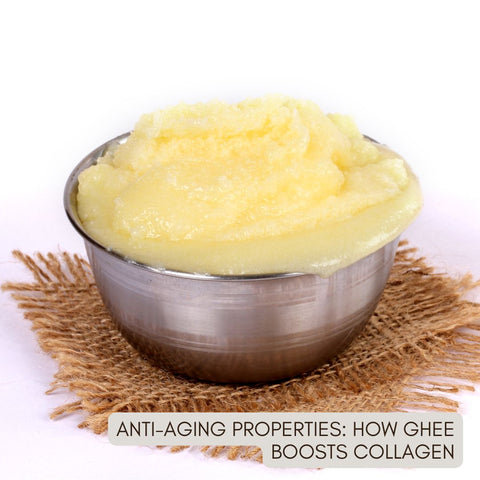
Ghee is not only a healthy superfood, but it is also an effective anti-aging agent. Its high concentration of vital fatty acids, vitamin A, antioxidants, and anti-inflammatory substances make it an effective tool for increasing collagen production while also maintaining skin suppleness, firmness, and moisture. By including ghee in your diet and skincare routine, you may naturally boost your skin's collagen production, decrease wrinkles, and keep your complexion looking young and vibrant. Enjoy the benefits of this ancient elixir and watch your skin glow with vitality!
Shata Dhauta Ghrita: A Multi-Purpose Skincare Wonder
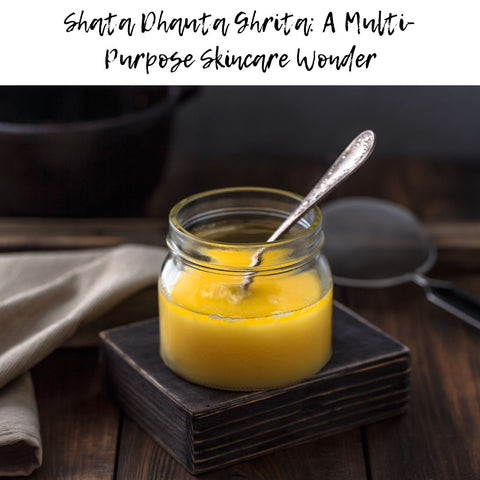
Shata Dhauta Ghrita, also known as 100 times washed ghee, is a sacred, potent Ayurvedic skincare ingredient known for its nourishing, healing, and anti-aging benefits. This ancient beauty elixir has been utilized in Ayurvedic practices for ages for its capacity to transform skin health, providing a variety of benefits that much exceed the usual use of normal ghee. Shata Dhauta Ghrita's unique preparation entails washing pure ghee (clarified butter) 100 times with water—a technique that renders it incredibly light and highly absorbable, allowing it to penetrate the skin deeply. The result is a calming, moisturizing, and renewing product that can treat a variety of skin issues, including dryness, wrinkles, blemishes, and skin inflammation.
Soothing Sensitive and Irritated Skin Naturally
The most effective natural remedies and strategies for soothing sensitive and irritated skin:
-
Aloe vera: It is one of the most popular and efficient natural treatments for irritated and sensitive skin. It is well-known for its cooling, anti-inflammatory, and healing characteristics, making it ideal for relieving redness, inflammation, and dryness caused by conditions such as sunburn, rashes, or general skin sensitivity. Aloe vera's antioxidant and anti-inflammatory qualities aid in soothe skin irritation, reduce redness, and promote healing. It also hydrates and moisturizes the skin without blocking pores; thus it is suitable for all skin types.
-
Oatmeal: Colloidal oatmeal, or finely powdered oats, has long been used to soothe sensitive skin. It includes natural saponins that gently wash the skin, as well as beta-glucan, which helps to retain moisture and promote healing. Oatmeal contains anti-inflammatory, antioxidant, and moisturizing characteristics that assist in alleviating itching, redness, and irritation. It is very effective for eczema, psoriasis, and rashes.
-
Coconut oil: It is a potent natural moisturizer that helps relieve and hydrate dry, sensitive skin. It contains fatty acids that help rebuild the skin's barrier, as well as anti-inflammatory and antibacterial characteristics. Coconut oil helps to retain moisture, promote healing, and reduce inflammation in sensitive skin. It's very effective for eczema, dry skin, and sunburn.
-
Chamomile: It is a delicate herb that has anti-inflammatory, relaxing, and antioxidant effects, making it suitable for treating sensitive skin. It works particularly well for reducing redness, inflammation, and swelling. Chamomile can help relieve skin irritation caused by rashes, bug bites, or allergies. Its natural qualities also help skin regenerate and mend.
-
Lavender oil: It is known for its calming and anti-inflammatory characteristics, which make it an excellent choice for soothing sensitive skin. It also helps to reduce stress, which can lead to skin flare-ups. Lavender oil soothes sensitive skin, reduces redness, and promotes healing. It contains mild antibacterial characteristics, making it ideal for skin prone to inflammation and minor infections.
-
Calendula: It is also known as marigold and has been used for ages to treat sensitive and irritated skin. It's a delicate but effective treatment with anti-inflammatory, antibacterial, and healing effects. Calendula helps to soothe skin irritation, reduce swelling, and stimulate tissue restoration. It's especially effective for eczema, rashes, and minor cuts or wounds.
-
Honey: Raw honey is a natural humectant that attracts moisture to the skin. It contains antibacterial, anti-inflammatory, and antioxidant qualities, making it ideal for irritated or inflamed skin. Honey soothes and moisturizes sensitive skin while promoting natural healing. It can also aid in bacterial elimination and tissue repair.
-
Green tea: Green tea contains an abundance of antioxidants and anti-inflammatory chemicals, making it ideal for soothing inflamed skin and reducing redness. Green tea's polyphenols combat free radicals, reduce inflammation, and protect the skin from environmental toxins. It works very well for rosacea, sunburn, and overall discomfort.
-
Rose water: Rose water has long been valued for its ability to moisturize and soothe sensitive skin. It's a gentle, non-irritating substance for refreshing and soothing the skin. Rosewater contains anti-inflammatory, antioxidant, and hydrating qualities. It can soothe redness, calm the skin, and create a pleasant sensation.
-
Jojoba oil: Jojoba oil closely mirrors the skin's natural oils, making it an excellent moisturizer for sensitive or irritated skin. It contains high levels of vitamins E and B and has anti-inflammatory and therapeutic qualities. Jojoba oil controls oil production, retains moisture, and reduces redness and irritation without clogging pores.
Healing Wounds, Acne Scars, and Hyperpigmentation
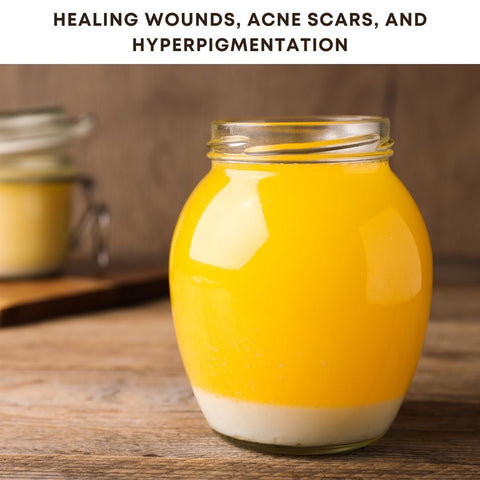
Natural wound healing, acne scar removal, and hyperpigmentation treatment can be both mild and successful. Using healing herbs and oils such as aloe vera, turmeric, rosehip oil, and lavender oil can help to speed up the healing process, decrease scars, and promote even skin tone. Remember that consistency and patience are essential when utilizing natural therapies, and you should always protect your skin from the sun during the healing process to prevent further pigmentation.
Enhancing Skin Glow and Even Tone with Ayurveda
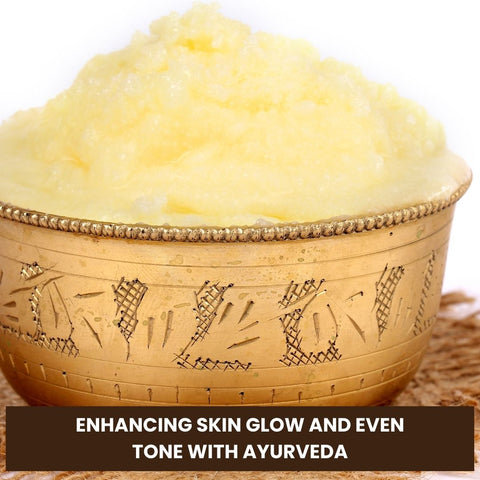
Ayurveda provides a holistic, natural method to having beautiful, smooth skin. By combining Ayurvedic herbs, oils, rituals, and lifestyle practices into your daily routine, you may improve the health of your skin, increase its natural brightness, and lessen the appearance of blemishes and pigmentation. Whether you use turmeric masks, coconut oil massages, or herbal beverages, Ayurvedic skincare promotes a strong connection between the body, mind, and skin, resulting in a more vibrant and beautiful complexion.
Integrating Ghee into Your Skincare Routine: Practical Tips
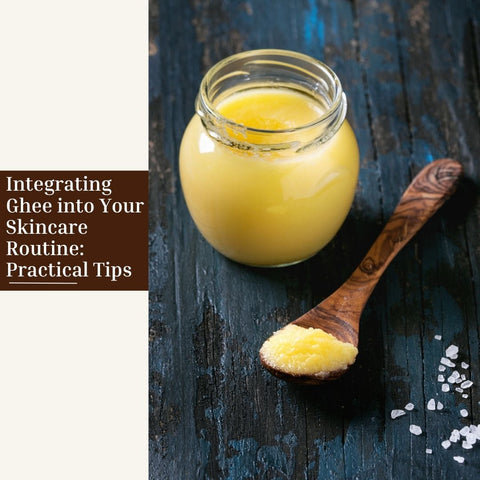
Using ghee in your skincare routine is a simple but powerful technique to naturally nourish, moisturize, and restore your skin. Whether you use it as a moisturizer, face mask, or hair treatment, ghee provides numerous advantages that will undoubtedly improve your beauty routine. It is effective for dry skin, anti-aging, calming irritations, and even improving skin tone. Add this ancient elixir to your skincare routine for naturally glowing, healthy, and vibrant skin!