The Power of Ginger Oil: Natural Benefits for Body Care
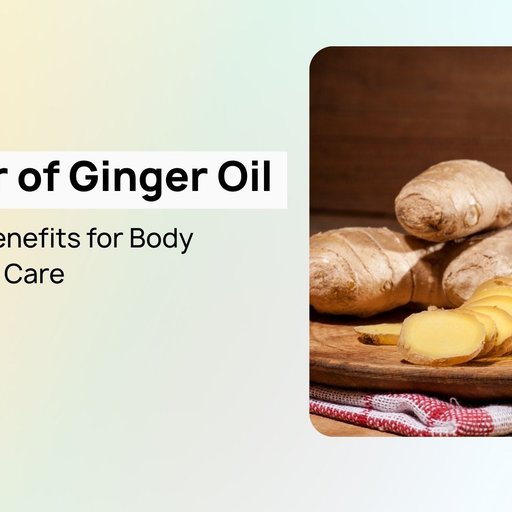
Essential oils such as ginger oil may provide health benefits. These may include inflammation and pain treatment, as well as nausea relief for youngsters and individuals who have undergone abdominal surgery. Ginger has a long history in traditional medicine. The rhizome is the plant component that serves these functions. While it may resemble a root, the rhizome is actually an underground stem from which roots branch. Continue reading to learn more about ginger oil, including its possible health advantages and how to use it properly.
Understanding Ginger Oil: Origins and Benefits for the Body
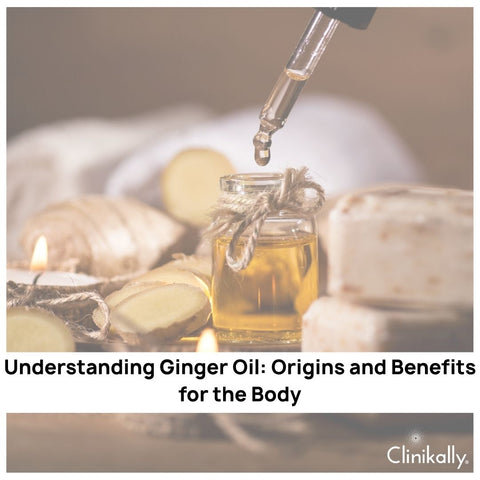
Ginger oil is a strong, multi-functional oil that is both warming and energizing, as well as extremely medicinal. Whether you want to ease stress, enhance circulation, or boost your mood, ginger oil is a natural powerhouse with few ingredients.
What is Ginger Oil?
Ginger oil is an essential oil extracted from the rhizome (root) of the Zingiber officinale plant, which produces culinary ginger. It is widely used in aromatherapy, natural medicine, and skincare because of its warming, calming, and healing properties. Ginger oil can be derived from fresh or dried ginger root using steam distillation or CO₂ extraction methods. The appearance and aroma are often light yellow to amber. It has a warm, spicy, slightly woody aroma with citrus top notes.
The Healing Properties of Ginger
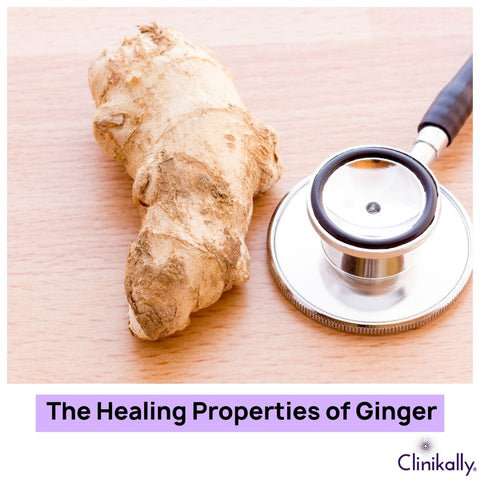
Ginger has been recognized for millennia in traditional medical systems such as Ayurveda, Traditional Chinese medical (TCM), and Unani for its diverse medicinal effects. Ginger, whether fresh, dried, or in the form of oil or extract, promotes both internal and external health. Ginger contains the following therapeutic properties:
-
Anti-inflammatory powerhouse: Ginger contains gingerols, shogaols, and parasols, which are known to suppress the body's inflammatory processes. It relieves arthritic and joint pain, muscular soreness and recuperation, and chronic inflammation-related disorders.
-
Natural cure for nausea and digestive problems: Ginger is one of the most effective natural medicines for gastrointestinal discomfort. Proven advantages include nausea relief from motion sickness, pregnancy, and chemotherapy; improved digestion; reduced bloating; and increased digestive enzymes.
-
Cardiovascular health support: Ginger promotes cardiovascular health in a variety of ways, including improved circulation, decreased blood pressure and cholesterol, and a reduced risk of blood clots due to its slight blood-thinning impact.
-
Antimicrobial and immune-boosting: Ginger has antiviral, antibacterial, and antifungal properties, making it useful in combating infections. Common uses include relieving sore throats and colds, boosting immunological resilience, and making immune elixirs with honey and lemon.
-
Cognitive and mental clarity support: Ginger's antioxidant qualities help protect brain cells from oxidative stress, which promotes cognitive and mental clarity. Potential advantages include increased mental alertness, reduced age-related cognitive loss, and improved mood by lowering inflammation associated with depression.
-
Blood sugar and metabolism regulation: Ginger has been shown in studies to help balance blood sugar and improve insulin sensitivity, which is beneficial for metabolic health and type 2 diabetes management.
-
Pain relief: Ginger has been demonstrated to relieve menstrual cramps, migraines, and tension headaches, as well as lessen muscle weariness after exercise.
How Ginger Oil Works on Your Body
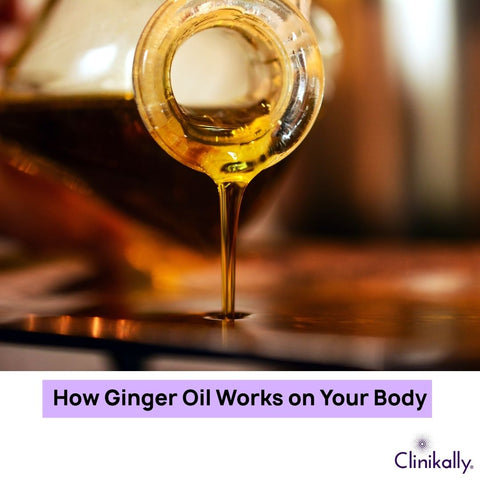
Ginger oil affects the body by a mixture of topical, aromatic, and physiological activities caused by its active components. When taken correctly, it has therapeutic advantages such as pain relief, increased circulation, reduced inflammation, and rejuvenating the senses.
-
Through its active compounds: Ginger oil includes potent natural molecules such as gingerol (anti-inflammatory and antioxidant), shogaol (pain relief, anti-nausea), zingiberene (circulatory and warming effects), beta-bisabolene, and camphene (antimicrobial and soothing). These molecules communicate with your body via skin receptors, sensory nerves, and even the limbic system via smell.
-
Topical application (massage, balms, compresses): When diluted in a carrier oil, ginger oil stimulates blood flow, creating a warming effect; aids in the loosening of tight muscles and joints; reduces swelling by encouraging lymphatic drainage; and penetrates tissues to relieve deep muscle discomfort. Sore muscles, stiff joints, cold extremities, and bloated abdomens benefit the most from this treatment.
-
Inhalation and aromatherapy use: When ginger oil is diffused or inhaled, the scent molecules excite the olfactory nerves, which connect to the limbic system of the brain. It improves mood, reduces fatigue, and relieves nausea. It can improve circulation and clear the sinuses.
-
Supports circulation and detox: Ginger oil promotes microcirculation and aids in warming chilly hands/feet, cleansing via lymphatic massage, and reducing fluid retention and puffiness.
-
Pain and inflammation relief: Ginger oil inhibits inflammatory pathways such as COX-2 and NF-kB, which helps to alleviate joint stiffness, menstrual cramps, and muscle strain due to overuse or stress. Combining it with turmeric, peppermint, or black pepper oil improves its effects.
-
Mild antibacterial and antioxidant defense: When applied topically, it can help maintain skin clarity and protect minor scrapes or blemishes, particularly when diluted and mixed with body oils, foot soaks, and cleansing scrubs.
Ginger Oil for Skin Health: A Natural Approach
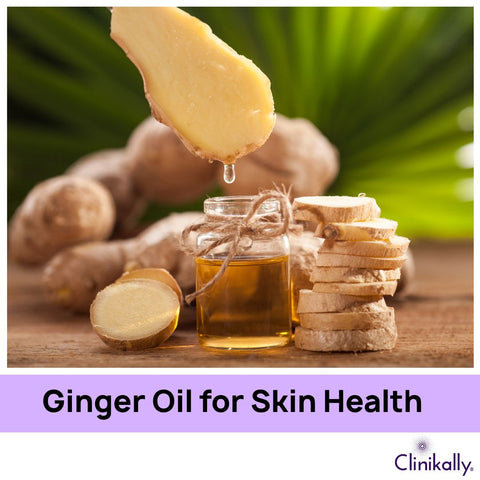
Ginger oil includes active ingredients such as gingerol (anti-inflammatory and antioxidant), shogaol (soothing and skin-calming), zingiberene (circulatory stimulant), and beta-bisabolene and camphene (antimicrobial and healing). These products work together to address a variety of skin issues, including dullness, irritation, uneven tone, and breakouts. The primary skin benefits of ginger oil are:
-
Anti-inflammatory and soothing: alleviates redness, irritation, and swelling. It helps relieve irritated or reactive skin, including pimples and mild dermatitis, and is perfect for sensitive skin when diluted properly.
-
Enhances circulation and radiance: Improves blood flow to the skin, promotes a natural, healthy glow, and can help fade scars and dark areas with regular usage.
-
Antioxidant protection: Neutralizes free radicals generated by contaminants and UV radiation. It reduces signs of aging, such as fine wrinkles and lackluster texture, and complements other antioxidants, such as vitamin C or green tea extract.
-
Purifies and clarifies skin: Its natural antibacterial characteristics make it ideal for blemish-prone skin. It reduces acne-causing germs and clogged pores, and it is frequently used in face oils or spot treatments for its detoxifying properties.
-
Supports skin firmness and tone: Supports skin firmness and tone by stimulating collagen activity when used in massage oils. It improves skin texture and elasticity over time and is perfect in anti-aging formulations or body-firming oils.
Ginger Oil for Moisturizing and Healing the Skin
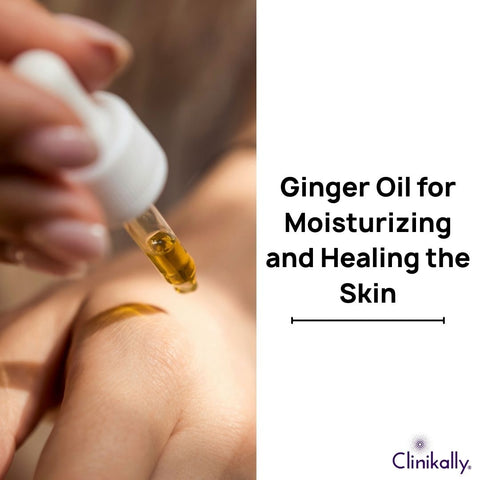
Ginger oil is more than just a warming or aromatic essential oil; when properly combined with carrier oils, it provides hydrating and therapeutic effects to the skin. Its natural components promote skin barrier repair, moisture balance, and tissue regeneration, making it ideal for dry, damaged, or inflammatory skin. Ginger oil is useful for hydrating and repairing the skin.
-
Hydration support: Although ginger oil is not a humectant or emollient, it improves the effects of moisturizing carrier oils such as jojoba, coconut, or sweet almond oil. It also stimulates microcirculation, allowing nutrients and moisture to reach deeper skin layers and reducing transepidermal water loss (TEWL) by supporting barrier function.
-
Healing and skin regeneration: Ginger oil contains gingerol and shogaol, which promote healing by lowering oxidative stress, suppressing inflammatory mediators, and assisting with tissue repair at the cellular level. These acts serve to reduce scars and hyperpigmentation, soothe small burns, dry patches, and rough skin, and speed up the healing of chapped or cracked areas, particularly on the hands, heels, and lips.
-
Skin barrier strengthening: When mixed with vitamin E, niacinamide, or squalane, ginger oil can increase lipid replenishment in the outer skin layers, improve skin resilience to external aggressors, and reduce sensitivity caused by inflammation and dryness.
-
Ideal areas for moisture and healing: It includes the face (in a 1% blend with rosehip or jojoba oil for overnight use), the body (add to body butters or massage oils to treat dry limbs), the lips and hands (blend with shea butter or coconut oil for spot healing), post-sun care (combine with aloe vera gel and vitamin E for relief), and stretch marks (mix with tamanu oil or cocoa butter for skin regeneration).
Combatting Acne and Reducing Scarring with Ginger Oil
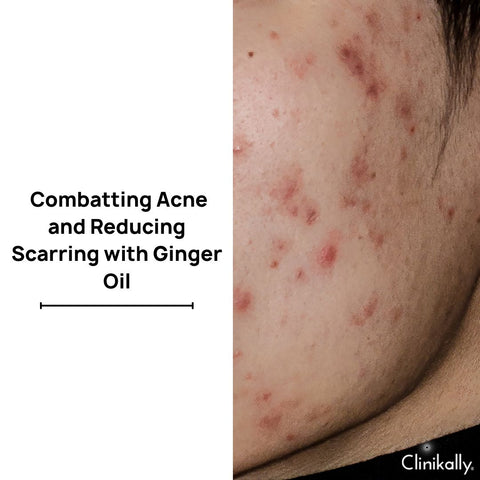
Ginger oil can combat acne and reduce scarring in the following ways:
-
Fights acne-causing bacteria: Ginger essential oil contains gingerol, shogaol, and zingiberene, which have antimicrobial properties against Propionibacterium acnes and other skin pathogens. It also has natural cleansing properties that help purify clogged pores and is a gentle, non-stripping alternative to synthetic antibacterials.
-
Reduces inflammation and redness: Ginger oil reduces inflammation and redness by targeting inflammatory pathways (such as COX-2) to soothe swollen, red breakouts, reduce discomfort and irritation, and aid in the prevention of post-inflammatory hyperpigmentation.
-
Promotes healing and scar fading: Its antioxidants and circulatory stimulation encourage skin regeneration by increasing collagen production and texture, erasing dark spots, acne scars, and discolouration, and improving nutrient delivery to injured skin.
Enhancing Skin Radiance with Ginger Oil
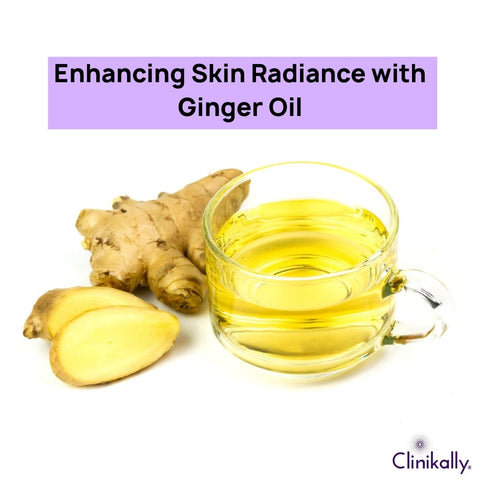
Ginger oil is a natural powerhouse for boosting skin radiance since it stimulates circulation, combats dullness, and revitalizes weary or uneven skin tones. Its warming, antioxidant-rich nature makes it especially useful in routines that target radiance, clarity, and even tone—all while remaining grounded in holistic care. Ginger oil includes a variety of skin-enhancing actives, including gingerol and shogaol (which combat oxidative stress and inflammation), zingiberene (which stimulates microcirculation and brightens the complexion), natural enzymes, and sesquiterpenes (which promote cell turnover and detoxification). These make your skin look brighter, more even-toned, and noticeably glowing and energetic. The key skin benefits for radiance are as follows:
-
Stimulates circulation: Ginger oil stimulates circulation by increasing blood flow to the skin's surface, resulting in a natural, healthy flush or glow, improved nutrient and oxygen delivery, and more effective toxin elimination from skin tissues.
-
Antioxidant defense: Ginger inhibits free radicals caused by pollution, UV damage, stress, and aging. This protects collagen, keeps the skin clean, and reduces premature dullness.
-
Improves tone and texture: Ginger oil promotes cell regeneration and circulation, which helps reduce hyperpigmentation and uneven tone, improve skin smoothness and clarity, and softly cleanse congested areas.
Pain Relief and Relaxation: The Soothing Benefits of Ginger Oil
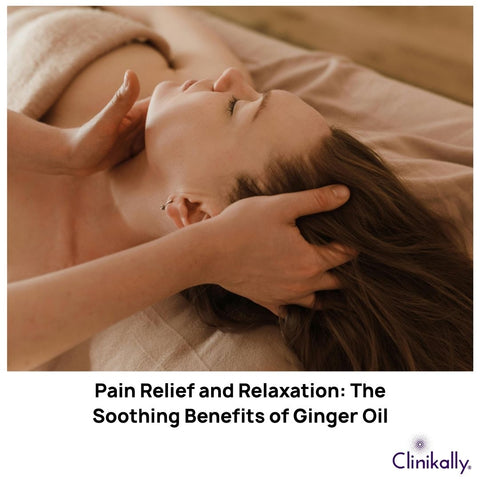
Ginger oil is widely regarded in aromatherapy and holistic body care due to its ability to relieve pain, soothe muscles, and induce relaxation. Whether used in massage, warm compresses, or baths, it is an effective natural cure for physical and emotional aches, stiffness, and tension.
-
Natural relief for muscle and joint pain: Ginger oil contains gingerol and shogaol, which are known to reduce inflammation by inhibiting COX-2 (similar to NSAIDs), increase blood flow to sore areas, and alleviate muscle stiffness, joint pain, and arthritis symptoms. Ideal for post-workout recuperation, persistent tension in the neck, shoulders, or back, menstrual cramps, and joint pain.
-
Muscle relaxation and tension relief: When used in massage, the warming action penetrates deep into the tissues, improving lymphatic drainage and circulatory flow while also reducing fatigue, spasms, and stress-induced stiffness. Combine with carrier oils such as sweet almond, sesame, or coconut oil for body massages.
-
Promotes emotional calm and mental clarity: Ginger oil functions as a nervine tonic in aromatherapy, helping to soothe emotional tension, produce a sense of grounded vitality, and minimize mental fog, particularly when tired or overloaded. Diffuse or inhale during meditation, yoga, or relaxation time.
The best ways to use ginger oil for pain relief and relaxation are:
-
Warming massage oil: For painful muscles, combine 2 tbsp sesame oil (very warming), 1 tbsp sweet almond oil, 5 drops ginger essential oil, 3 drops black pepper oil (optional, for more heat), and 2 drops lavender oil. Massage the affected areas with circular motions. If you need further relief, wrap in a warm towel for 10-15 minutes.
-
Relaxing Bath Soak: For a detox and de-stress bath, combine ½ cup Epsom salt, 2 drops ginger oil, 2 drops orange or ylang-ylang oil, and 1 tbsp carrier oil (such as coconut). Soak for 15-20 minutes to relax the muscles and soothe the neurological system.
-
Warm compress for localized pain: In a bowl of warm water, combine 2 drops of ginger oil, soak a clean cloth, wring it out, and apply to the hurting area. Cover with a dry towel to keep heat and rest for 10-15 minutes. Excellent for relieving backaches, menstrual cramps, and tension headaches.
Using Ginger Oil for Muscle Pain and Tension
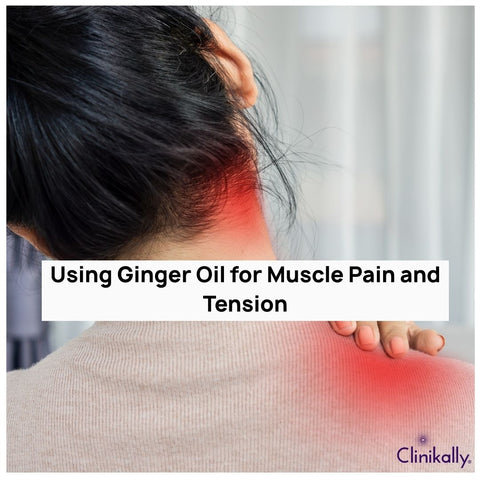
Ginger oil is a time-tested, natural cure for muscle pain and stress that provides warming comfort, improves circulation, and aids in the release of deep-seated tightness. Whether you're sore from exercise, stiff from stress, or suffering from chronic tension, ginger oil can be an effective supplement to any self-care or healing routine. Ginger oil contains gingerol and shogaol (natural anti-inflammatories that reduce swelling), zingiberene (a warming ingredient that promotes blood flow), and antioxidants (which help relieve oxidative stress in muscles and joints).
These operate together to relieve muscle stiffness and spasms, diminish pain signals in inflamed tissues, and promote healing and relaxation.
Topical application:
-
Deep Muscle Relief Oil: It contains 2 tablespoons sweet almond oil (carrier), 5 drops ginger essential oil, 3 drops black pepper oil (additional heat), and 2 drops eucalyptus oil (anti-inflammatory and cooling). Warm the oil slightly between your palms. Massage into tight regions with forceful circular motions, then wrap in a warm towel or heating pad for 10-15 minutes for deeper relief.
-
Tension-relieving neck and shoulder roll-on: It contains 10 ml jojoba oil, 3 drops ginger oil, 2 drops peppermint oil, and 2 drops lavender oil. Use in a roller bottle to relieve tension while on the go. Massage lightly into the neck, shoulders, or temples (avoiding the eyes).
-
Ingredients for Ginger Muscle-Soak Bath: ½ cup Epsom salt, 1 tbsp coconut oil (melted), 4 drops ginger oil, and 3 drops rosemary oil. To relax muscles and relieve joint stiffness, mix oils with Epsom salt before adding to a warm bath. Soak for 20 minutes.
How Ginger Oil Aids in Circulation and Reduces Inflammation
Ginger oil is well-known for its ability to increase circulation and reduce inflammation, making it an effective natural treatment for chilly extremities, muscle stiffness, edema, and chronic inflammatory disorders such as arthritis. Its warming and vasodilating qualities are derived from bioactive substances that promote vascular function and immunological balance.
-
Improves blood circulation: Ginger essential oil contains important phytochemicals such as gingerol, zingiberene, and shogaol. These substances are natural vasodilators, which means they help expand blood arteries, allowing blood to circulate more freely and efficiently throughout the body. This increases the flow of oxygen and nutrients to tissues, removes waste materials from muscles and skin, and provides warmth in cold hands, feet, or stiff areas. Especially beneficial for persons with slow circulation, sedentary lifestyles or long desk hours, chilly climes, and winter tiredness.
-
Natural anti-inflammatory action: Ginger oil's natural anti-inflammatory properties stem from its capacity to suppress pro-inflammatory enzymes such as COX-2, lower levels of cytokines and prostaglandins that cause chronic inflammation, and soothe tissues affected by overuse, tension, or inflammatory illnesses. This can alleviate symptoms of joint inflammation, arthritis, inflamed muscles, soft tissue injuries, and chronic illnesses like fibromyalgia.
The Relaxing Effects of Ginger Oil in Aromatherapy

Ginger oil in aromatherapy is more than simply a warm, spicy perfume; it's an effective stress reliever, emotional grounder, and promoter of a deep sense of inner harmony. Ginger essential oil, when diffused, inhaled, or massaged, helps balance the body and mind, making it great for stress relief, weariness, emotional burnout, and seasonal low mood. Ginger oil has the following soothing benefits in aromatherapy:
-
Calms the nervous system: Ginger oil's active components, particularly zingiberene and gingerol, have mild sedative properties. When breathed, they lower cortisol (the stress hormone), soothe the sympathetic nervous system, and promote parasympathetic activation (rest and digest mode). This reduces anxiety, physical tension, and brain overactivity.
-
Promotes emotional grounding: Ginger is sometimes referred to as a "root oil" by aromatherapists, meaning it is grounding, stabilizing, and energetic. It's especially beneficial if you're feeling overwhelmed or emotionally scattered, exhausted or disconnected, or experiencing loss, burnout, or emotional stagnation. During times of low motivation, inhaling ginger oil can help you feel more focused and centered, reconnected to your body, and reenergized.
-
Supports better sleep and deep relaxation: While ginger oil is not a sedative like lavender, it does help prepare the mind and body for sleep by releasing physical tension, warming and soothing tight muscles, and calming restlessness caused by pain or anxiety. Ideal for blending with relaxing oils such as cedarwood, frankincense, or lavender in evening mixtures.
Incorporating Ginger Oil Into Your Daily Routine for Better Health

Incorporating ginger oil into your daily routine is a simple yet effective method to improve general health, increase circulation, reduce inflammation, and promote mental clarity and serenity. Ginger oil is a flexible natural tool for promoting both physical and mental health, with applications ranging from skincare to self-massage, morning energizers to bedtime relaxation.
-
Morning: Combine 5 drops of ginger essential oil and 1 tablespoon of carrier oil (such as jojoba or sweet almond). Massage into your skin before or after taking a warm shower to increase circulation and awaken your senses. Benefits include increasing blood flow, warming cold extremities, and setting a good, focused tone for the day.
-
Midday: Place 1-2 drops of ginger oil on a tissue or diffuser pendant. When you're feeling lethargic or agitated, take several deep breaths. Benefits include increased alertness, less mental weariness, and a natural pick-me-up without caffeine.
-
Afternoon: Combine 2 tablespoons carrier oil, 4 drops ginger oil, and 2 drops peppermint oil. When stress builds up, massage it into the neck, shoulders, or lower back. Benefits include relieving muscle tightness and joint stiffness, promoting movement and mobility, and reducing stress in the body.
-
Evening: Combine ½ cup Epsom salts, 4 drops ginger oil, and 1 tablespoon carrier oil. Add to a warm bath and soak for 20 minutes. The benefits include reduced inflammation, soothing painful muscles and joints, and promoting deep relaxation and peaceful sleep.
-
Night: Add 1 drop of ginger oil to your evening moisturizer or face oil (well-diluted). Apply to areas with dull, blemished, or scarred skin. Benefits include improved skin tone and brightness, reduced post-acne blemishes and pigmentation, and enhanced overnight repair.