How Low Ferritin Levels Contribute to Hair Loss and How to Address It
Ferritin is an essential protein for the storage of iron, and thus maintaining healthy hair. If the ferritin level is down, it can cause anemia due to a lack of iron, and it leads to hair loss. It is because iron is essential for the production of hemoglobin, which is a protein that carries oxygen to cells, including hair follicles. When hair follicles get less oxygen, they start to weaken and eventually become weak enough to cause hair thinning and shedding. In addition to that, iron is necessary for cellular functions that are directly involved in the growth of hair, like cell division and protein synthesis. Now, knowing this relationship of low ferritin and hair loss, it can be easily managed by controlling the primary problem and supporting hair health.
Understanding Ferritin: What It Is and Its Role in Hair Health
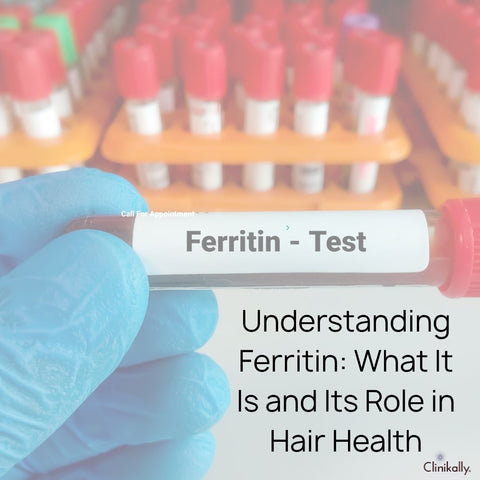
Ferritin is a protein found in the body that plays a crucial role in storing iron. Iron is an essential mineral that helps in the production of red blood cells, which carry oxygen to all parts of the body, including the hair follicles.
The role of ferritin in hair health:
-
Iron storage: Ferritin acts as an iron storage protein, ensuring that the body has a readily available supply of iron when needed.
-
Hair follicle health: Adequate iron levels, maintained by ferritin, are essential for the health and growth of hair follicles.
-
Oxygen supply: Iron is a component of hemoglobin, the protein in red blood cells that carries oxygen. Sufficient oxygen supply to the hair follicles is crucial for their proper functioning.
-
Hair growth: Low ferritin levels can lead to iron deficiency, which can result in hair loss, thinning, and weaker hair.
Maintaining healthy ferritin levels is important for overall well-being, including hair health. If you are experiencing hair loss or thinning, it is advisable to consult a healthcare professional to assess your ferritin levels and determine the appropriate course of action.
The Connection Between Ferritin and Iron Levels
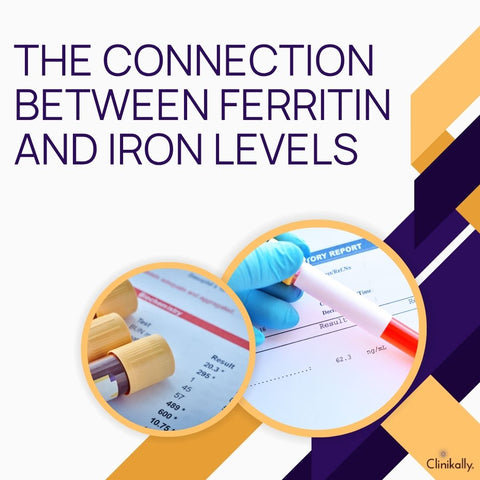
Ferritin and iron are closely associated; ferritin acts as an important indicator of the iron content stored in the body. The connection is described as follows:
-
Iron Storage: Ferritin is a protein that stores iron inside cells, mainly in the liver, spleen, and bone marrow.
-
Iron Release: The ferritin releases iron to the body when the need arises for its use in many functions, such as producing red blood cells.
The Ferritin to Iron Levels Relationship:
-
Low Ferritin, Low Iron Stores: Low ferritin is an indicator of low iron stores within the body. The results may be iron deficiency anemia, which means the body does not have healthy red blood cells in its needed amount.
-
High Ferritin, High Iron Stores: Elevated ferritin levels are commonly associated with high iron stores. Although this is acceptable in some persons, very high ferritin levels often represent iron overload conditions such as hemochromatosis.
A few important considerations are:
-
Inflammation: Ferritin is an acute-phase reactant. In other words, during inflammation, even in a state of normal iron stores, its levels may be elevated. This complicates the interpretation of ferritin levels in patients with chronic inflammatory diseases.
-
Other Causes: Some cancers, some drugs, liver disease can cause elevations in ferritin.
Ferritin levels provide an important reflection of the body's status in terms of iron. However, the interpretation must be taken together with some other factors like iron levels, transferrin saturation, and the presence of other diseases. For this reason, a healthcare worker can guide accurately in interpreting the iron status and recommend any interventions.
How Ferritin Influences Hair Growth Cycles
Ferritin, the body's iron storage protein, plays a significant role in influencing hair growth cycles.
1. Oxygen Supply to Hair Follicles:
-
Hemoglobin Production: Iron is a crucial component of hemoglobin, the protein responsible for carrying oxygen to tissues throughout the body, including hair follicles.
-
Oxygen-rich environment: ferritin-bound iron will thus ensure proper oxygen delivery to hair follicles; this oxygen delivery is necessary for the health and growth of hair follicles.
2. Health and Function of Hair Follicles:
-
Cell Proliferation: Iron is crucial in the different cellular events, which include cell division and proliferation. Normal hair follicles need cell proliferation to ensure the constant growth of new hair strands.
-
Synthesis of proteins: Proteins like keratin that compose hair structures are also synthesized with the need of iron.
-
Energy production: Energy in cells is produced via a process known as cellular respiration that is facilitated by iron and produces energy for cellular activities including hair growth.
3. Hair growth cycle regulation
-
Anagen Phase: Anagen is the growing phase of hair. This is a period when hair follicles grow rapidly, supported by appropriate iron and ferritin levels.
-
Telogen Phase: The Telogen phase is the resting phase of hair growth. Hair growth becomes slow in this phase. Sufficient iron levels ensure a healthy shift from anagen to the telogen phase.
In summary, ferritin aids in the maintenance of ideal iron levels for supporting hair growth cycles that are healthy. It ensures cell proliferation, provides adequate oxygen supplies, and promotes protein synthesis, giving the hair follicle a great overall health and vitality.
Why Low Ferritin Leads to Hair Shedding
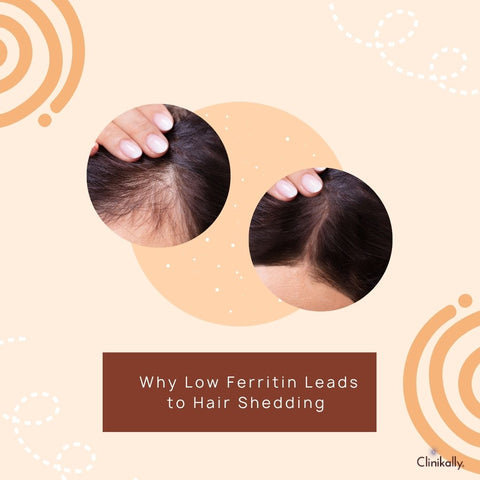
Low ferritin levels are known to cause hair shedding for the following reasons interlinked together:
1. Hair follicles getting low oxygen supply:
-
Production of Hemoglobin: The most significant constituent of hemoglobin is iron, which transports oxygen from lungs to other tissues of the body including hair follicles.
-
Oxygen-Rich Environment: Ferritin stores and releases adequate amounts of iron, which is sure to provide hair follicles with enough oxygen, important for their growth and maintenance.
-
Low Ferritin, Low Oxygen: If the ferritin levels are low, then the body's iron levels decline, and the hemoglobin produced decreases. Subsequently, the oxygen supply for the hair follicles decreases, making the hair follicles incapable of working at their best.
2. Weakened Hair Follicles:
-
Cell Proliferation: Iron is involved in various cellular processes, including cell division and proliferation. Healthy hair follicles require continuous cell division to produce new hair strands.
-
Protein Synthesis: Iron is necessary for the synthesis of proteins, such as keratin, which forms the structural component of hair.
-
Low Ferritin, Weak Follicles: The hair follicles may not get adequate iron if ferritin levels are low. This means they will have insufficient iron to support all the important cellular processes, hence weakening the hair follicles. It then makes them vulnerable to falling out.
3. Disrupted Hair Growth Cycle:
-
Anagen Phase: The anagen phase is the active growth phase of hair. It is during this phase that there is rapid growth of the hair follicle, and adequate iron and ferritin levels will support this.
-
Telogen Phase: The telogen phase is the resting phase, in which hair growth slows down. Optimal iron levels are also important for a healthy transition from the anagen to the telogen phase.
-
Low Ferritin, Disrupted Cycle: It also disrupts the hair cycle in such a manner that hairs prematurely enter the telogen phase, thereby causing an increased hair fall.
In summary, low ferritin levels lead to hair shedding by depriving the hair follicles of oxygen supply, weakening the hair follicles, and disrupting the hair growth cycle. Correcting iron deficiency and restoring normal ferritin levels can improve hair health and reduce hair shedding.
Diagnosing Low Ferritin and Its Impact on Hair Loss
Low ferritin levels are a significant marker of iron deficiency, which has considerable impacts on health, including hair loss. Ferritin is a protein that stores iron in the body, and the level is important for many body functions, such as red blood cell production. Low ferritin levels can lead to interference with the normal cycle of hair follicle growth, causing thinning or shedding. Healthy growth of hair requires iron since it aids in the supply of oxygen to the hair follicle and in the formation of key proteins that hair strands consist of. It is, therefore critical that ferritin be diagnosed, particularly in instances of unexplained hair loss, since raising their levels usually reverses this condition. Such awareness would be crucial in management and treatment options for patients who present with hair loss attributed to their iron deficiency.
Testing Ferritin Levels: What to Expect
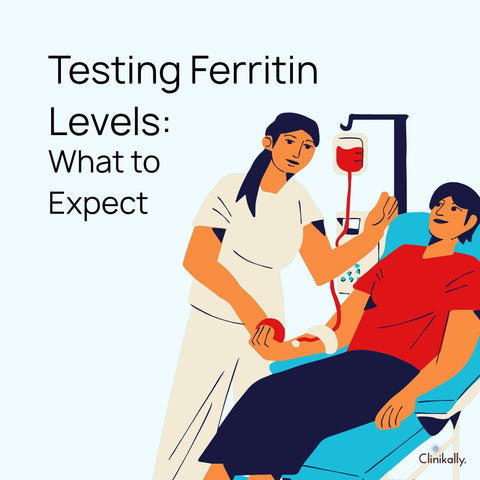
A ferritin test is a simple blood test that measures the level of ferritin in your blood. Ferritin is a protein that stores iron in your body. It can be used to determine whether you have enough iron. Your doctor may order ferritin tests if you are suffering from symptoms of iron deficiency such as fatigue, weakness, pale skin, and shortness of breath, cold hands and feet, Hair loss and Brittle nails.
You can expect one or two of the following
-
During the Test
-
Blood Draw: A medical practitioner will draw a blood sample from a vein that runs from your elbow inside your arm.
-
Minimal discomfort: You may feel slight prickles from the needle itself.
-
The whole process might take just a few minutes.
-
After the Test:
-
Results: Your doctor will receive the results within a few days.
-
Interpretation: Your doctor will interpret the results and discuss them with you.
-
Treatment: If your ferritin levels are low, your doctor may recommend iron supplements or dietary changes to increase your iron intake.
While a ferritin test is a valuable tool for assessing iron status, a healthcare provider should be consulted to get the proper diagnosis and treatment. Remember, Always consult your healthcare provider for any health concern or before starting any new treatment or supplement regimen.
Other Causes of Hair Loss to Consider
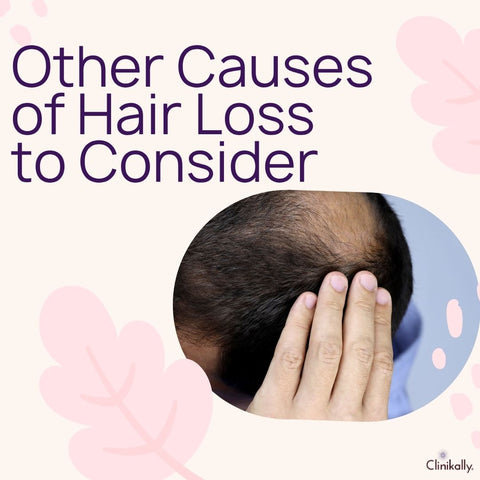
Other than low ferritin, the following conditions can cause hair loss:
1. Hormonal Changes
-
Pregnancy and Postpartum: Changes in the hormone levels before and after childbirth can cause hair loss.
-
Menopause: Hormonal changes during menopause can lead to hair thinning.
-
Polycystic Ovary Syndrome (PCOS): Hormonal imbalances found in PCOS patients may lead to hair loss.
2. Medical Conditions
- Thyroid Disorders: Hyperthyroidism as well as hypothyroidism can affect hair growth.
- Autoimmune Disorders: Conditions like alopecia areata cause patchy hair loss.
- Infections of the Scalp: Infections from fungi or bacteria damage hair follicles.
3. Medications: Medications Some medications include chemotherapy drugs, blood thinners, and antidepressants. The hair can fall off due to some side effects from these drugs.
4. Stress: Physical and Psychological Stress Severe stress triggers hair loss, also called telogen effluvium.
5. Hairstyles and Hair Treatments:
-
Tight Hairstyles: Hair can get damaged due to hair follicles from tight pulling and causes traction alopecia.
-
Excessive Heat Styling: Excessive use of hot styling tools makes the hair weak and breaks.
-
Chemical Treatments: Harsh chemical treatments like perming and straightening damage hair.
6. Nutritional Deficiencies:
-
Protein Deficiency: Protein is the essential factor for hair growth, and deficiency causes hair loss.
-
Vitamin and Mineral Deficiencies: A deficiency of biotin, vitamin D, or minerals like zinc can cause problems for hair.
If you have noticed hair loss, consult with a healthcare professional to know the exact cause and the proper treatments.
When to Consult a Healthcare Professional
It is always important to seek medical care if you experience severe hair loss or changes in your hair's texture or growth pattern. Here are specific cases when you should see a doctor:
-
Sudden or Accelerated Hair Loss: If your hair shedding increases dramatically and you find clumps of your hair, it is time to see a doctor.
-
Patchy Hair Loss: Bald spots on your scalp or any other area of your body could be a symptom of a hidden medical condition.
-
Constant Thinning of Hair: When you notice your hair thinning constantly, then you should talk to your healthcare provider.
-
Changes in Hair Texture: Brittle, dry, or very oily hair could be a sign of a hidden health problem.
-
Scalp Issues: Scalp infections or other skin conditions can cause itchiness, redness, or pain on the scalp.
Remember, early diagnosis and treatment often prevent further hair loss and restore hair growth. So, if you feel something is wrong with your hair, do not hesitate to seek professional advice.
Treatment Options for Low Ferritin and Hair Loss
The common treatments for ferritin levels lower than usual and associated hair loss revolve around treatment of underlying iron deficiency. The usual methods include:
-
Dietary Changes
Iron-Containing Foods: These comprise of:
- Red lean meat
-
Poultry
-
Fish
-
Fermented cereals and grains
-
Legumes such as lentils, beans, chickpeas
-
Leafy green vegetables including spinach, kale
-
Nuts and seeds like pumpkin seeds and sesame seeds
-
Vitamin C Food: Vitamin C enhances absorption of iron. Therefore, it is prudent to increase food intake such as:
-
Citrus fruits
-
Berries
-
tomatoes
-
Iron Tablets
-
Oral Iron Preparations: Your physician may prescribe oral iron preparations such as ferrous sulfate or ferrous gluconate.
-
Intravenous Iron: In advanced cases of iron deficiency anemia, intravenous iron therapy may be required.
B. Treatment of Underlying Disease
-
Medical Conditions: If a low ferritin level is due to an underlying medical condition, it may be treated by attempting to control the underlying medical condition.
-
Lifestyle-Related Factors: Stress, diet, and certain medications can all contribute to low ferritin. Lifestyle changes can promote improvement in iron levels.
Various Hair Care Tips that should be followed are:
-
Gentle Hair Care: Avoid over-exposure to hot tools and harsh chemical treatments, tight hairstyles that damage hair, etc.
-
Scalp Massage: Light scalp massage is helpful as it increases blood circulation towards the hair follicles.
-
Hair Masks: Hair masks can be prepared from natural products like coconut oil, olive oil, or avocado that nourish and hydrate your hair.
Remember, it's essential to consult with a healthcare professional to determine the best course of treatment for your specific situation. They can 1 assess your iron levels, identify any underlying causes, and recommend appropriate interventions to improve your hair health.
Iron-Rich Diet and Supplements: Restoring Ferritin Levels
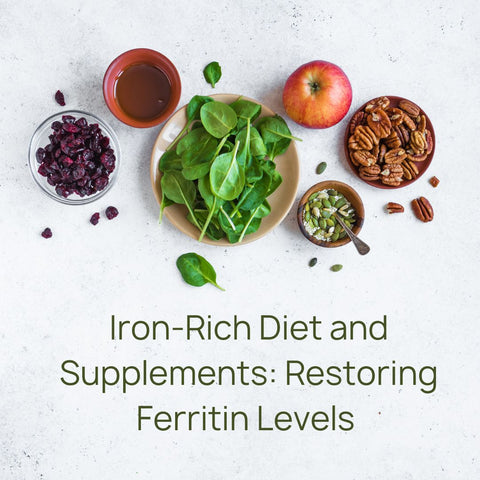
Iron is an essential mineral that is crucial in the following functions in the body:
-
Transportation of Oxygen: Iron is a part of hemoglobin, which is the protein that carries oxygen to cells in the body.
-
Production of Energy: Iron is involved in cellular respiration, which is the process that produces energy for cellular activities.
-
Immune Function: Iron helps the immune system fight infections.
Ferritin is a protein that stores iron in the body. The right amount of ferritin is important for maintaining optimal iron stores and ensuring that the body has enough iron to function properly. Some of the benefits of Iron-Rich Diet and Supplements are:
-
Prevents Iron Deficiency Anemia: Iron deficiency anemia can cause fatigue, weakness, hair loss, and other health issues.
-
Increases Energy Levels: Adequate iron levels support energy production and can reduce fatigue.
-
It enhances immune function, enhancing the patient's capability to resist infections.
-
It improves cognitive function, as iron is vital for maintaining optimal mental power.
-
This metal element accelerates hair and skin health as it supports firm, healthy hair, as well as an attractive appearance of the skin.
A balanced diet, along with the appropriate use of iron supplements where needed, ensures that you are maintaining optimal iron levels. See a healthcare professional to assess your iron levels and determine the best strategy to get your ferritin levels back in check.
Medical Treatments for Iron Deficiency-Related Hair Loss
The main treatment for iron deficiency-related hair loss is correction of the underlying iron deficiency. The common medical treatments are as follows:
1. Oral Iron Supplements: Ferrous Sulfate: This is a common and very effective oral iron supplement. Ferrous Gluconate: This is more gentle and has fewer side effects.
2. Intravenous Iron: It is used in cases of severe iron deficiency anemia or poor oral iron absorption. Direct iron transfusion into the blood vessel occurs.
Consult a healthcare professional for appropriate treatment plan and dosages. Some other considerations should be addressed as well:
-
Changes in Diet: Including those food sources which are loaded with iron such as; lean meat, poultry fish, fortified cereals legumes and green leafy vegetables.
-
Vitamin C: Food sources of vitamin C, such as citrus fruits and berries, can increase iron absorption.
-
Regular Blood Testing: Periodic blood tests help monitor iron levels and alter treatment accordingly.
Treatment of iron deficiency often restores hair loss caused by this condition.
Natural Remedies to Support Hair Regrowth
While there is no magic cure for hair loss, these natural remedies may help promote hair growth and overall hair health:
-
Dietary Adjustments
-
Protein-Rich Foods: Essential for hair growth.
-
Iron-Rich Foods: Prevents iron deficiency-related hair loss.
-
Omega-3 Fatty Acids: Found in fish, flaxseeds, and chia seeds.
-
Vitamins and Minerals: Biotin, vitamin D, and zinc.
-
Scalp Care
-
Gentle Cleansing: Avoid harsh shampoos and excessive washing.
-
Scalp Massage: Increases blood flow to the hair follicles.
-
Essential Oils: Rosemary, peppermint, and lavender oil can stimulate hair growth.
-
Hair Masks: Apply natural ingredients such as coconut oil, olive oil, and avocado.
-
Lifestyle Changes
-
Stress Management: Engage in stress-reducing activities like yoga, meditation, or deep breathing.
-
Adequate Sleep: Ensure good sleep for overall well-being.
-
Hydration: Drink lots of water, keeping your body and hair hydrated.
-
DIY Remedies
-
Onion Juice: It is said to activate hair growth.
-
Aloe Vera Gel: It calms the scalp and promotes hair growth.
-
Coconut Oil: It nourishes the hair and scalp.
Remember that while these natural remedies can help, it is always best to visit a healthcare professional to identify the root cause of hair loss and discuss the proper treatment options.
Preventing Hair Loss from Low Ferritin Levels
To prevent hair loss due to low ferritin, a multi-faceted approach is necessary. A person should first have a balanced diet with iron-rich foods such as lean meats, poultry, fish, legumes, and leafy green vegetables. Further, vitamin C-rich foods, which enhance iron absorption in the body, can also be included. In conditions of severe iron deficiency, consult a healthcare professional for advice on iron supplements.
Regular monitoring through a blood test can help early deficiency in ferritin be spotted. Lifestyle factors such as good stress management, healthy sleeping patterns, and frequent physical activity also contribute toward well-being of hair. Overall prevention and management of loss are achieved by addressing iron deficiency at its root, where it matters most; people need to take on their hair care with all wholesome elements.