Mushroom Peptides: The Next Big Thing in Skin Firming
In the realm of skincare, nature's riches are frequently buried in plain sight, waiting to be uncovered. People have spent millennia exploring forests, fields, and oceans to discover the mysteries of natural beauty. Mushrooms have recently emerged as a strong challenger. Mushrooms, once known primarily for their culinary and medicinal use, are now regarded as a skincare marvel. Mushrooms are gaining popularity among beauty enthusiasts due to their unique combination of nutrients, antioxidants, and bioactive components.
Mushrooms are quietly transforming the beauty business by providing flexible and effective substances that promote skin health on several levels. Brands are combining traditional wisdom and current technology to provide natural, effective skincare treatments by using the power of mushrooms. As we investigate the primary benefits of mushroom extracts, how they work, their future in skincare, and practical ways to include them in your regimen, you'll see why these fungi are becoming a must-have in beauty regimes worldwide.
Understanding Mushroom Peptides: Nature’s Answer to Skin Firming
In traditional medicine, mushrooms have been valued for thousands of years in many civilizations. The medicinal qualities of fungus like reishi, shiitake, and tremella were used in ancient Chinese and Ayurvedic medicine to increase energy, lengthen life, and strengthen immunity. Because of their capacity to lessen inflammation and heal wounds, indigenous tribes all around the world have likewise welcomed these natural treasures. Modern research is now verifying this age-old wisdom and revealing the amazing skin-benefitting properties of mushrooms.
Fungal extracts contain potent bioactive ingredients such as polysaccharides, beta-glucans, and antioxidants, which assist in healing, protecting, and revitalizing the skin. Polysaccharides, for example, are known to improve hydration by forming a moisture-retaining barrier, whilst beta-glucans have anti-inflammatory qualities that reduce irritation and promote healing. Meanwhile, mushrooms contain antioxidants that assist in neutralizing free radicals, lowering indications of aging and protecting the skin from environmental stressors.
What Are Mushroom Peptides and How Do They Work?
Mushroom bioactive peptides (MBPs), which are minute pieces of proteins generated from mushrooms, are renowned for their potential health advantages such as antioxidant, anti-inflammatory, and antibacterial properties, and their processes frequently include modulating specific cellular pathways. Here is a more detailed explanation.
-
Mushroom bioactive peptides (MBAPs) are bioactive peptides derived directly or indirectly from mushrooms or mycelia.
-
They are tiny protein fragments (amino acid chains) that occur naturally in edible mushrooms.
-
Bioactive peptides can be found in edible mushrooms such as Hericium erinaceus (lion's mane), Ganoderma lucidum (reishi), and Pleurotus ostreatus (oyster mushroom).
-
MBPs can help protect cells from free radical damage, which is linked to aging and disease.
-
They can influence the inflammatory response in the body, potentially alleviating inflammation-related illnesses.
-
Some MBPs have antibacterial characteristics, which can limit the growth of bacteria and fungi.
-
MBPs regulate signaling pathways, including MAPK, Keap1-Nrf2-ARE, NF-κB, and TNF, which contribute to inflammation and oxidative stress.
-
They can also promote the growth of macrophages, which are immune cells that help fight infection and inflammation. The bioactivity of MBPs is determined by their molecular weight, charge, amino acid content, and sequencing.
The Science Behind Peptides for Skin Elasticity

Peptides are a powerful component of skincare products, particularly for enhancing the suppleness of the skin. By increasing the production of collagen and elastin, enhancing hydration, decreasing inflammation, and promoting skin regeneration, peptides help to maintain firm, youthful, and supple skin. Anyone looking to promote tighter, more elastic, and resilient skin and fight the obvious symptoms of aging may find that knowing how peptides function and how to incorporate them into their skincare regimen changes everything.
Comparing Mushroom Peptides to Traditional Skincare Ingredients
-
Mushroom Peptides vs. Retinol
Retinol, a vitamin A derivative, is considered the gold standard in skincare for anti-aging and skin rejuvenation. It's well-known for its ability to increase collagen formation, accelerate cell turnover, and diminish fine wrinkles. However, retinol can irritate certain people, particularly those with sensitive skin, causing dryness, redness, and peeling.
-
Mushroom peptides, such as those found in shiitake and reishi mushrooms, increase collagen formation in a milder manner. They also improve skin hydration and suppleness while protecting it from oxidative stress thanks to their strong antioxidant content.
-
Mushroom peptides are often more gentle on the skin than retinol. They are also less prone to irritating and can be used on delicate skin. Mushrooms also provide a variety of benefits, including improving skin suppleness and functioning as anti-inflammatory agents.
-
Mushroom Peptides vs. Hyaluronic Acid
Hyaluronic acid (HA) is a humectant that attracts moisture to the skin, resulting in extreme hydration and a plumping effect. It is often used to treat dry skin and reduce the appearance of fine wrinkles by keeping the skin moisturized and tight.
-
Mushroom peptides help with skin hydration in a slightly different approach. They assist the skin retain moisture while also repairing and boosting collagen and elastin formation, which contributes to long-term skin suppleness. Mushrooms also include anti-inflammatory and antioxidant properties, which boost the skin's natural defenses.
-
Mushroom peptides can moisturize the skin while also supporting elasticity and firmness over time, making them an effective component for treating drooping skin and wrinkles. Their multi-functionality enables both short-term hydration and long-term anti-aging advantages.
Key Benefits of Mushroom Peptides in Skincare
The primary advantages of incorporating mushroom peptides into your skincare regimen:
-
Enhances skin elasticity: One of the most notable advantages of mushroom peptides is their ability to increase skin elasticity. These peptides stimulate the creation of important proteins such as collagen and elastin, which are required to keep the skin tight and bouncy. Mushroom peptides counteract sagging and wrinkles by improving skin elasticity, resulting in a more youthful appearance over time.
-
Powerful antioxidant protection: Mushrooms, particularly reishi and shiitake, contain high levels of antioxidants such as ergothioneine and beta-glucans. These antioxidants protect the skin from free radical damage, which is a major cause of aging, wrinkles, and uneven skin tone. Mushroom peptides promote healthier, more resilient skin by neutralizing the oxidative damage generated by UV exposure and environmental contaminants.
-
Supports collagen production: Collagen is necessary for preserving skin structure and suppleness. Mushroom peptides increase collagen formation, keeping the skin plump and smooth. This can help to lessen the appearance of fine lines and wrinkles while also enhancing the texture and look of the skin over time.
-
Boosts skin hydration: Mushroom peptides have been demonstrated to improve the skin's ability to retain moisture, resulting in enhanced hydration. This is especially useful for people with dry or dehydrated skin, as moisturized skin appears plumper and more luminous. Furthermore, enhanced hydration promotes skin suppleness, making it appear more youthful and supple.
-
Anti-inflammatory and calming effects: Mushroom peptides are known for their anti-inflammatory capabilities. They soothe sensitive skin, reduce redness, and improve the skin's natural barrier function. For people with sensitive skin or disorders like rosacea or eczema, mushroom peptides can provide soothing relief, resulting in healthier-looking skin with less irritation.
-
Promotes skin repair and regeneration: Mushrooms like chaga and shiitake contain bioactive chemicals that aid in skin healing and renewal. These peptides aid in the healing of damaged skin, making them especially beneficial for those suffering from UV damage, scarring, or post-acne blemishes. Mushroom peptides promote the skin's regenerative processes, resulting in a more even and smoother complexion.
-
Supports a healthy skin barrier: A robust skin barrier is critical for preventing external stresses, germs, and moisture loss. Mushroom peptides can help build the skin barrier, keeping it intact and functioning properly. This reduces the skin's susceptibility to dryness, inflammation, and hypersensitivity while keeping hazardous factors at bay.
-
Improves skin tone and brightness: Mushroom peptides, particularly those found in shiitake mushrooms, are proven to improve skin tone and brightness. These peptides can help to balance out skin pigmentation, reduce the appearance of dark spots, and promote a glowing complexion. Regular use of mushroom peptides can lead to a more even and luminous skin tone.
-
Natural and sustainable: Mushroom peptides are plant-based, making them ideal for people seeking vegan or cruelty-free skincare. They are a more sustainable and environmentally friendly alternative to animal-derived peptides, which is significant for consumers who value environmentally conscious beauty products.
-
Suitable for all skin types: Mushroom peptides are gentle and non-irritating, making them suited for all skin types, including sensitive and reactive skin. Whether you have dry, oily, combination, or acne-prone skin, mushroom peptides can help enhance skin health while avoiding breakouts and irritation.
Boosting Collagen Production for a Firmer Complexion
Increasing collagen production is essential for keeping firmer, smoother, and more youthful-looking skin. You may encourage your skin's collagen production and counteract the effects of aging by applying the proper topical substances, consuming collagen-boosting foods, adopting healthy lifestyle practices, and contemplating professional treatments. There are numerous techniques to help your skin remain strong and resilient, allowing you to have a firmer, more luminous complexion at any age. These include vitamin C, retinoids, and peptides.
Deep Hydration: How Mushroom Peptides Lock in Moisture
Mushroom peptides provide excellent deep hydration by pulling moisture into the skin, reinforcing the skin barrier, stimulating collagen formation, and protecting against oxidative stress. Their ability to improve moisture retention, reduce inflammation, and synergize with other hydrating ingredients makes them a crucial component of any skincare regimen aimed at attaining a radiant, smooth, and moisturized complexion. It offers a natural, effective, and gentle way to achieve healthy, beautiful skin. Mushroom peptides, whether used in serums, moisturizers, or masks, can nourish and hydrate your skin, allowing it to look its best.
Antioxidant Protection Against Premature Aging
Antioxidants are required to protect the skin from the damaging effects of free radicals, which cause premature aging. Antioxidants, by neutralizing oxidative stress, aid to prevent collagen breakdown, reduce the appearance of fine lines and wrinkles, and improve skin tone. Furthermore, antioxidants protect the skin from environmental stressors, reduce inflammation, and enhance hydration, all of which contribute to a youthful, glowing complexion. To maximize the benefits of antioxidants, look for skincare products that contain vitamin C, vitamin E, green tea extract, retinoids, and other effective antioxidant ingredients. By incorporating antioxidants into your daily routine, you can avoid premature aging and keep your skin looking healthy and bright for years.
Incorporating Mushroom Peptides into Your Skincare Routine
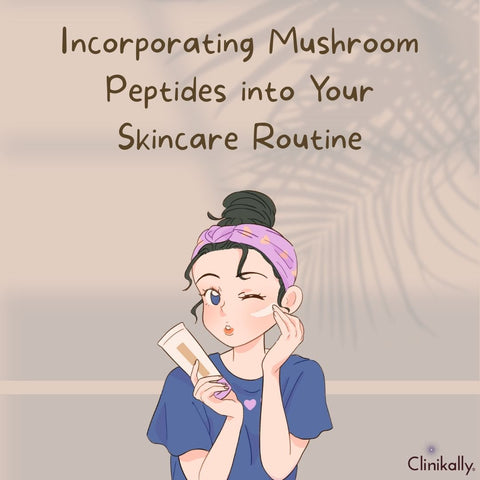
Incorporating mushroom peptides into your skincare routine, here's how to do it effortlessly for optimum benefits:
-
Begin with a clean base: The first step in any skincare regimen is to cleanse the skin of debris, oil, and pollutants, allowing active substances to penetrate more effectively. When utilizing mushroom peptide-based products, begin with a moderate, moisturizing cleanser that does not remove the skin's natural moisture barrier.
-
Tone and balance: Toners help to restore the skin's pH balance after cleansing and prepare the skin for improved absorption of the active ingredients that come next. Incorporating a toner enriched with mushroom extracts or peptides can enhance the moisturizing and rejuvenating properties, making it an excellent choice for mushroom peptide enthusiasts.
-
Apply a targeted serum: Serums are the most potent component of any skincare regimen, designed to deliver active ingredients deep into the skin. A mushroom peptide serum is ideal for addressing certain skin concerns, such as firmness, elasticity, and hydration. These serums include concentrated peptides that promote collagen formation and provide antioxidant protection.
-
Moisturize for hydration and firmness: Moisturizing helps to keep the skin moisturized, plump, and youthful. Mushroom peptides are highly effective in moisturizers since they help to improve the skin's natural moisture barrier and give long-lasting hydration. Choose a peptide-rich moisturizer to feed your skin while improving its suppleness.
-
Protect with sunscreen: Sunscreen is vital for protecting your skin from harmful rays, as UV exposure is one of the primary causes of premature aging. Mushroom peptides offer antioxidant characteristics that protect the skin from environmental stresses, however sunscreen is still required during the daytime.
-
Weekly treatments: For an added boost, try including mushroom peptide-infused masks or exfoliating treatments into your weekly beauty routine. Peptide face masks are an excellent way to deeply hydrate, revitalize, and firm your skin while also providing antioxidant benefits.
-
Nighttime repair: When the skin is in repair mode, it is the ideal time to apply a richer, more nutritious cream. A mushroom peptide night cream can be used overnight to give deep hydration, collagen support, and skin renewal.
-
Consistency is key: When incorporating any active component, including mushroom peptides, consistency is essential for achieving obvious benefits. Peptides require time to create collagen and improve skin health, so be patient and stick to your program for a few weeks.
Choosing the Right Peptide-Infused Products
Choosing the correct peptide-infused treatments requires knowing the unique needs of your skin, choosing the right kind of peptide, and combining them with complementary ingredients that increase their effectiveness. Whether you want to firm, moisturize, or lessen the signs of aging, there is a peptide solution for every skin type and condition. By utilizing the right formulation, staying consistent, and combining peptides with other skin-loving ingredients, you can achieve smoother, firmer, and more youthful-looking skin.
Layering Peptides for Maximum Effectiveness

Peptides are effective and flexible skincare components that improve skin suppleness, increase collagen formation, and minimize fine lines and wrinkles. To get the most out of peptide-based products, layer them correctly into your skincare routine. Layering peptides ensures that they penetrate deeply and interact synergistically with other compounds to maximize effects. To layer peptides in your skincare routine for maximum effectiveness:
-
Start with clean skin: The first step in any skincare regimen is to thoroughly cleanse your skin. Cleansing removes debris, oil, makeup, and pollutants, preparing your skin to absorb the active elements in your peptide products.
-
Apply a toner (Optional): After cleansing, use a toner to restore your skin's pH balance and prepare it for improved absorption of the next items. A moisturizing or soothing toner can also help seal in hydration before adding peptides.
-
Layer peptide serums: Peptides are most effective in serum form because they offer a concentrated dosage of active chemicals directly to the skin. When layering various peptide serums, it is critical to apply them in the proper order to enhance absorption and effects.
-
Use treatment products (optional): If you're utilizing targeted treatments like retinol, vitamin C, or AHA/BHA exfoliants, apply them after your peptide serums but before your moisturizers. Be cautious when combining some treatments with peptides, including retinol + peptides, vitamin C + peptides, and exfoliants.
-
Use moisturizer to lock in peptides: Moisturizing is essential while using peptides since it helps lock in active substances and prevents moisture loss. Choose a moisturizer that will hydrate and nourish your skin while also supporting your peptide serums.
-
Finish with sunscreen (Daytime): Remember to apply sunscreen as the final step in your morning skincare routine. Sunscreen protects your skin from damaging UV radiation, avoiding premature aging, hyperpigmentation, and collagen loss. While peptides benefit your skin, they cannot protect it from the consequences of sun exposure.
-
Nighttime repair (Optional): If you're using a peptide-infused night cream or overnight mask, use it as the final step in the evening. These solutions are intended to give extreme hydration and healing while you sleep, allowing peptides to perform their magic all night.
Common Myths About Peptides in Skincare
Some of the most common myths about peptides to help you make informed decisions about incorporating them into your routine.
-
Myth: Peptides are solely used to treat aged skin. Fact: While peptides are commonly associated with anti-aging products, they can help all skin types, including mature skin. Peptides help to support the skin's natural structure, promote healing and hydration, and improve overall skin health. Peptides can help youthful skin by increasing elasticity, smoothing the texture, and improving moisture retention.
-
Myth: Peptides can instantly plump and firm your skin. Fact: Peptides can enhance skin elasticity and firmness over time, but they are not a quick remedy. Peptides, like most skincare compounds, need to be used consistently to provide apparent results.
-
Myth: All peptides are identical. Fact: Not all peptides are made equally. Peptides come in a variety of forms, each with its own set of benefits based on the needs of your skin. Signal peptides, carrier peptides, and enzymatic peptides are all common skincare peptides that address specific skin concerns, such as hydration, collagen formation, and barrier repair, respectively.
-
Myth: Peptides can replace retinol. Fact: Peptides and retinol (Vitamin A) perform distinct purposes in skincare, and they work best when combined rather than as substitutes. Retinol promotes cell turnover and skin renewal, whereas peptides strengthen the skin's structure by increasing collagen formation and improving suppleness.
-
Myth: Peptides do not work when mixed with other substances. Fact: Peptides are generally stable and can be coupled with other active components like as vitamin C, hyaluronic acid, niacinamide, and retinol to increase their efficiency. However, it is critical to stack goods carefully so that each element may be adequately absorbed.
-
Myth: Peptides work only in large doses. Fact: Peptides can be beneficial at low quantities. Research has shown that even a small concentration of peptides (about 1-5%) can considerably enhance skin firmness, elasticity, and smoothness. High concentrations may not always result in more effective results, and they may potentially irritate delicate skin.
Are Mushroom Peptides the Future of Skin Rejuvenation?
Mushroom peptides have the potential to completely transform the skincare business, providing a powerful, natural, and multifunctional approach to skin rejuvenation. Mushroom peptides have the potential to be the future of skin rejuvenation due to their capacity to increase collagen formation, defend against oxidative stress, reduce inflammation, and moisturize the skin. Their distinct combination of bioactive components and sustainability makes them a highly promising product for people looking for effective, natural solutions to youthful, bright skin. As research uncovers new benefits, we may expect mushroom peptides to play an increasingly important part in the next generation of skincare.