





Polyendocrine Metabolic Ovarian Syndrome (PMOS), previously known as Polycystic Ovary Syndrome (PCOS), is a common hormonal and metabolic condition that affects many women during their reproductive years. Experts and researchers have proposed the term PMOS to better reflect the condition’s broader impact on metabolism, insulin resistance, hormones, skin health, weight management, and overall well being rather than focusing only on the ovaries. PMOS may contribute to symptoms such as irregular periods, acne, excessive hair growth, weight gain, infertility, and fatigue.
In this blog, we will discuss the role of diet in managing PMOS, foods that may support hormonal and metabolic health, foods to limit, and practical nutrition tips to help improve overall well being.
Understanding PMOS: The Role of Diet in Managing Symptoms

Diet plays an important role in managing PMOS symptoms, improving insulin sensitivity, and supporting overall hormonal and metabolic health. Since PMOS affects multiple systems in the body, including metabolism, blood sugar regulation, skin health, weight management, and reproductive hormones, nutrition can significantly influence symptom management and long term well being.
Focusing on balanced meals that include low glycemic index foods, healthy fats, fiber rich ingredients, lean proteins, and anti-inflammatory foods may help support hormone balance, reduce inflammation, and maintain stable energy levels. While there is no single diet that works for everyone with PMOS, a personalized and sustainable eating pattern can help address individual symptoms and health goals.
Working with a healthcare professional or registered dietitian can help create a nutrition plan tailored to your specific needs. Making informed dietary choices, along with healthy lifestyle habits, may help improve overall quality of life and support better management of PMOS symptoms.
What is PMOS? An Overview of the Condition
Polyendocrine Metabolic Ovarian Syndrome (PMOS), previously known as Polycystic Ovary Syndrome (PCOS), is a common hormonal and metabolic condition that affects women of reproductive age. Experts recently renamed PCOS to PMOS to better reflect the condition’s broader impact on hormones, metabolism, insulin resistance, reproductive health, and overall well being. PMOS is considered one of the leading causes of infertility and can affect menstrual health, skin, hair, weight, and metabolic function.
The symptoms and hormonal imbalances associated with PMOS can vary from person to person. Although the exact cause is not fully understood, both genetic and environmental factors are believed to contribute to the condition. PMOS is commonly associated with the following characteristics:
-
Irregular periods: Women with PMOS may experience irregular, infrequent, or missed menstrual cycles. This often occurs because the ovaries do not release eggs regularly, a process known as anovulation, which can disrupt the menstrual cycle.
-
Ovarian cysts: Some women with PMOS may develop enlarged ovaries containing small fluid filled sacs called cysts. However, not everyone with PMOS has ovarian cysts, which is one of the reasons why the condition was renamed from PCOS to PMOS.
-
Elevated androgen levels: PMOS is often associated with increased levels of androgens such as testosterone. This hormonal imbalance may contribute to symptoms including acne, excessive facial or body hair growth (hirsutism), and hair thinning on the scalp.
-
Insulin resistance: Insulin resistance is one of the most common features of PMOS. In this condition, the body’s cells do not respond effectively to insulin, leading to increased insulin production. This may contribute to weight gain, difficulty losing weight, increased androgen production, and a higher risk of developing type 2 diabetes over time.
How Diet Affects Hormonal and Metabolic Balance in PMOS
Diet plays a major role in managing PMOS and its associated symptoms. Since PMOS is closely linked to insulin resistance, inflammation, and hormonal imbalance, nutrition can directly influence metabolic health, energy levels, weight management, and reproductive function. A balanced diet rich in nutrient dense whole foods may help support blood sugar regulation, reduce inflammation, improve insulin sensitivity, and promote overall hormonal balance.
Women with PMOS may benefit from including low glycemic index foods, fiber rich ingredients, lean proteins, healthy fats, and antioxidant rich foods in their daily meals. These dietary choices may help reduce insulin spikes, support healthy androgen levels, improve estrogen metabolism, and maintain stable energy throughout the day.
An anti-inflammatory and balanced eating pattern may also support liver function, gut health, and long term metabolic wellness, all of which are important for managing PMOS symptoms effectively. Making sustainable and informed dietary choices can contribute to improved overall health and quality of life.
Key Nutritional Strategies for Managing PMOS Symptoms

A balanced and nutrient rich diet can play an important role in managing PMOS symptoms and supporting overall hormonal and metabolic health. Since PMOS is closely linked to insulin resistance, inflammation, and hormonal imbalance, making mindful dietary choices may help improve energy levels, support weight management, regulate blood sugar, and reduce symptom severity. The following nutritional strategies may help support long term wellness and better symptom management in women with PMOS:
-
Focus on low glycemic index foods: Foods with a high glycemic index can cause rapid spikes in blood sugar and insulin levels, which may worsen insulin resistance and increase androgen production. This can contribute to symptoms such as weight gain, acne, and excessive hair growth. Low glycemic index foods digest more slowly and may help maintain stable blood sugar levels and better hormonal balance.
-
Increase fiber intake: Fiber rich foods may help slow sugar absorption, improve insulin sensitivity, support digestion, and promote satiety. A high fiber diet may also help reduce inflammation and support healthy weight management in women with PMOS.
-
Prioritize healthy fats: Healthy fats play an important role in hormone production and metabolic health. Foods rich in omega 3 fatty acids may help reduce inflammation, support insulin sensitivity, and contribute to better reproductive and cardiovascular health.
-
Support insulin sensitivity: Insulin resistance is one of the most common features of PMOS. When insulin levels remain elevated, the ovaries may produce more androgens, which can worsen symptoms such as irregular periods, acne, and unwanted hair growth. Choosing balanced meals and limiting foods that cause sudden blood sugar spikes may help improve insulin sensitivity.
-
Include inositol rich foods: Inositol is a naturally occurring compound that may support insulin sensitivity and ovarian function. Myo inositol and D chiro inositol are commonly studied forms that may help regulate menstrual cycles, support egg quality, and promote hormonal balance in women with PMOS.
-
Manage inflammation with anti inflammatory foods: Chronic low grade inflammation is often associated with PMOS and may contribute to hormonal and metabolic imbalance. Including antioxidant rich fruits, vegetables, nuts, seeds, and healthy fats may help reduce inflammation and support overall wellness.
-
Balance protein intake: Adding adequate protein to meals may help maintain stable blood sugar levels, support muscle health, improve satiety, and assist with weight management. Protein also plays an important role in hormone production and overall metabolic function.
-
Consider vitamin D and magnesium: Vitamin D and magnesium are important nutrients for metabolic and hormonal health. Low vitamin D levels are common in women with PMOS and may be associated with insulin resistance and fertility related concerns. Magnesium may help support blood sugar regulation, muscle function, and overall well being.
-
Limit processed and refined foods: Highly processed foods, sugary snacks, and refined carbohydrates may increase inflammation, worsen insulin resistance, and contribute to weight gain. Reducing the intake of these foods may help support hormonal balance and metabolic health.
-
Stay hydrated: Adequate hydration supports digestion, metabolism, circulation, and overall health. Herbal beverages such as green tea and spearmint tea may also provide additional antioxidant and wellness benefits for women managing PMOS symptoms.
Embracing Whole Foods: The Benefits for PMOS
A whole foods based diet may offer several benefits for women managing PMOS. Since PMOS is closely linked to insulin resistance, inflammation, and hormonal imbalance, choosing minimally processed and nutrient dense foods may help support metabolic function, improve insulin sensitivity, and promote overall hormonal health. Whole foods also provide essential vitamins, minerals, antioxidants, and fiber that contribute to long term wellness.
Including a variety of vegetables, fruits, whole grains, lean proteins, legumes, nuts, seeds, and healthy fats in daily meals may help reduce inflammation, maintain stable blood sugar levels, support reproductive health, and improve energy levels. These foods may also support healthy weight management and cardiovascular health, which are important considerations for women with PMOS.
By focusing on balanced and minimally processed meals, women with PMOS may be able to manage symptoms more effectively and support overall physical and metabolic well being over time.
The Importance of a Low Glycemic Index Diet for PMOS
A low glycemic index diet is considered one of the most beneficial dietary approaches for managing PMOS symptoms. The glycemic index measures how quickly carbohydrate containing foods raise blood sugar levels after consumption. High glycemic index foods can cause rapid spikes in blood sugar and insulin levels, while low glycemic index foods are digested more slowly and help maintain steadier blood sugar levels throughout the day.
Since insulin resistance is a common feature of PMOS, following a low glycemic index diet may help improve insulin sensitivity and support better hormonal and metabolic balance. Stable blood sugar levels may also help reduce excess androgen production, which is often linked to symptoms such as acne, irregular periods, unwanted hair growth, and weight gain.
A balanced low glycemic index diet may further support healthy weight management, reduce inflammation, improve energy levels, support fertility, and lower the long term risk of metabolic conditions such as type 2 diabetes and cardiovascular disease. Including fiber rich whole grains, vegetables, legumes, fruits, and balanced protein sources may help women with PMOS maintain better overall health and symptom management.
Anti Inflammatory Foods: Supporting Healing from Within
Including anti-inflammatory foods in the diet may help support overall health and symptom management in women with PMOS. Chronic low grade inflammation is commonly associated with PMOS and may contribute to insulin resistance, hormonal imbalance, fatigue, weight gain, and skin related concerns. Choosing foods with anti-inflammatory properties may help support metabolic health and promote better hormonal balance.
A diet rich in nutrient dense whole foods such as leafy green vegetables, berries, fatty fish, nuts, seeds, olive oil, and antioxidant rich spices may help reduce inflammation and support the body’s natural healing processes. These foods also provide essential nutrients that may help improve insulin sensitivity, support reproductive health, and maintain stable energy levels.
By focusing on balanced and anti-inflammatory eating habits, women with PMOS may be able to better manage symptoms and support long term physical and metabolic well being.
Practical Meal Planning Tips for a PMOS Friendly Diet
Meal planning can play an important role in managing PMOS symptoms and supporting long term hormonal and metabolic health. Since PMOS is often associated with insulin resistance, inflammation, weight changes, and hormonal imbalance, creating balanced and nutrient rich meals may help maintain stable blood sugar levels, improve energy, and support overall well being.
A well planned PMOS friendly diet should focus on whole foods that support insulin sensitivity, reduce inflammation, and provide essential nutrients for hormone regulation. Including balanced portions of complex carbohydrates, lean proteins, healthy fats, and fiber rich foods in each meal may help improve satiety and reduce blood sugar fluctuations throughout the day.
Some practical meal planning tips for managing PMOS include prioritizing low glycemic index foods, incorporating lean protein sources, including healthy fats, increasing fiber intake, managing portion sizes, preparing meals in advance, limiting processed foods, staying hydrated, and adding anti-inflammatory and hormone supporting foods to daily meals. Following a consistent and balanced eating routine may help support better symptom management and overall metabolic health.
Meal Ideas: Quick and Easy Recipes for Busy Days
Preparing balanced and nourishing meals can help women with PMOS maintain stable blood sugar levels, support hormonal balance, and improve overall metabolic health. Choosing simple home cooked meals made with fiber rich carbohydrates, lean proteins, healthy fats, and fresh vegetables may also help reduce inflammation and improve energy levels throughout the day.
The following Indian inspired PMOS friendly meal ideas are easy to prepare, nutrient dense, and suitable for busy lifestyles:
|
Meal Idea |
Key Ingredients |
Benefits for PMOS |
Quick Preparation Method |
|
Vegetable Oats Upma |
Oats, onions, carrots, peas, mustard seeds, curry leaves |
Rich in fiber and may help support blood sugar balance and digestion |
Roast oats, sauté vegetables with spices, add oats and cook with water until soft |
|
Besan Chilla with Vegetables |
Besan, onion, tomato, green chili, coriander |
High in protein and fiber, may help improve satiety and insulin sensitivity |
Prepare a smooth batter and cook like a pancake on a heated pan |
|
Moong Dal Khichdi with Vegetables |
Moong dal, brown rice or millet, mixed vegetables, turmeric |
Easy to digest and may help provide balanced carbohydrates and protein |
Pressure cook dal, rice, vegetables, and spices until soft |
|
Paneer and Vegetable Wrap |
Whole wheat roti, paneer, capsicum, onion, mint chutney |
Provides protein and healthy carbohydrates to support energy and hormonal health |
Sauté paneer and vegetables, then wrap in whole wheat roti |
|
Sprouts and Chickpea Salad |
Mixed sprouts, boiled chickpeas, cucumber, tomato, lemon juice |
Rich in plant protein, fiber, and antioxidants that may support metabolic health |
Mix all ingredients together and serve fresh |
|
Ragi Idli with Coconut Chutney |
Ragi flour, curd, semolina |
High in calcium and fiber, may help maintain stable energy levels |
Prepare batter, steam in idli molds, and serve with chutney |
Incorporating Supplements: What to Consider for PMOS
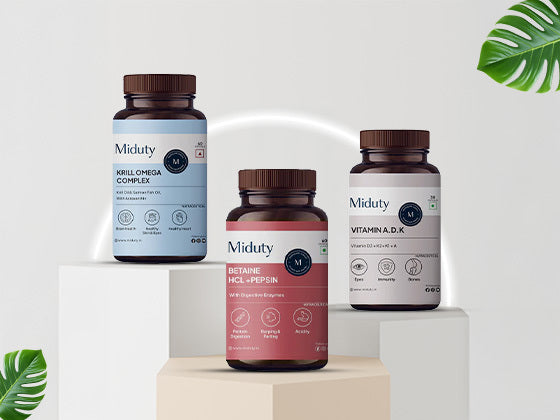
Supplements may help support hormonal and metabolic health in women managing PMOS, especially when combined with a balanced diet and healthy lifestyle habits. Since PMOS is often associated with insulin resistance, inflammation, hormonal imbalance, and nutrient deficiencies, certain supplements may help support overall well being and symptom management.
However, supplements should always be taken under the guidance of a qualified healthcare professional. Individual nutritional needs can vary depending on symptoms, lifestyle, medical history, and existing deficiencies. Some commonly discussed supplements for PMOS include:
-
Inositol: It may help improve insulin sensitivity, support ovarian function, and regulate menstrual cycles.
-
Omega 3 Fatty Acids: It may help reduce inflammation and support heart, metabolic, and hormonal health.
-
Vitamin D: Low vitamin D levels are common in women with PMOS and may be associated with insulin resistance and fertility related concerns.
-
Magnesium: This may help support blood sugar regulation, muscle function, sleep quality, and overall metabolic health.
-
Probiotics: This may help support gut health, digestion, and inflammation management.
-
Zinc: It may support skin health, immune function, and hormonal balance.
-
Chromium: It may help improve insulin sensitivity and support blood sugar management.
Along with supplementation, maintaining a nutrient rich diet, regular physical activity, adequate sleep, and stress management practices may help support better long term health outcomes and overall symptom management in PMOS.
Foods to Avoid: Making Better Dietary Choices for PMOS
Making mindful food choices can play an important role in managing PMOS symptoms and supporting long term hormonal and metabolic health. Since PMOS is commonly linked to insulin resistance, inflammation, and hormonal imbalance, limiting certain foods may help improve blood sugar control, reduce inflammation, and support overall well being.
Reducing the intake of highly processed foods, refined carbohydrates, sugary beverages, and unhealthy fats may help support insulin sensitivity and maintain more stable energy levels throughout the day. These foods can contribute to blood sugar spikes, weight gain, and increased inflammation, which may worsen PMOS related symptoms.
Some foods that are often recommended to limit in a PMOS friendly diet include:
-
Processed and Packaged Snacks: Chips, instant noodles, packaged cookies, and similar foods are often high in refined carbohydrates, sodium, and unhealthy fats.
-
Sugary Drinks and Desserts: Soft drinks, packaged juices, candies, cakes, and sweets may cause rapid spikes in blood sugar and insulin levels.
-
Refined Carbohydrates: Foods such as white bread, pastries, white rice, and sugary cereals may contribute to poor blood sugar control and increased cravings.
-
Deep Fried and Fast Foods: Fried snacks and fast foods are often high in unhealthy fats and calories, which may worsen inflammation and weight gain.
-
Foods High in Trans Fats and Excess Saturated Fats: Processed baked goods, margarine, and heavily processed foods may negatively affect heart and metabolic health.
-
Processed Meats: Highly processed meats may contain excess sodium, preservatives, and unhealthy fats that may contribute to inflammation.
-
High Sugar Beverages and Energy Drinks: These drinks may rapidly increase blood sugar levels and provide little nutritional value.
Instead, focusing on whole grains, lean proteins, healthy fats, fresh fruits, vegetables, legumes, nuts, and antioxidant rich foods may help support hormonal balance, metabolic health, and overall wellness. Building balanced and nutrient dense meals can be a sustainable way to support better symptom management in women with PMOS.
Tailoring Your Approach: Personalizing Your Diet for PMOS

Managing PMOS effectively often requires a personalized approach to nutrition and lifestyle. Since symptoms and health concerns can vary from person to person, there is no single diet that works for everyone. Factors such as insulin resistance, weight goals, activity levels, food preferences, hormonal imbalances, and existing medical conditions may all influence the most suitable dietary approach.
Focusing on balanced and nutrient dense meals, regular physical activity, adequate sleep, and stress management may help support overall hormonal and metabolic health. Some women with PMOS may benefit from increasing protein and fiber intake, while others may need to pay closer attention to blood sugar regulation, inflammation management, or digestive health.
Tracking symptoms, understanding how different foods affect the body, and making gradual sustainable changes may help create a long term routine that supports overall well being. Working closely with a healthcare professional or registered dietitian can also help develop a personalized PMOS management plan based on individual health goals and nutritional needs.
Final Thoughts: Building a Sustainable PMOS Friendly Lifestyle
Managing Polyendocrine Metabolic Ovarian Syndrome (PMOS), previously known as PCOS, requires a balanced and long term approach that focuses on overall hormonal and metabolic health. Since PMOS is closely linked to insulin resistance, inflammation, and hormonal imbalance, making mindful dietary and lifestyle choices may play an important role in improving symptom management and overall well being.
Focusing on whole foods, balanced meals, low glycemic index foods, healthy fats, lean proteins, and anti-inflammatory ingredients may help support blood sugar regulation, energy levels, weight management, and hormonal balance. Along with nutrition, regular physical activity, stress management, quality sleep, and professional medical guidance may further support long term health outcomes.
Every woman experiences PMOS differently, which is why building a personalized and sustainable wellness routine is essential. Small and consistent lifestyle changes practiced over time may help improve quality of life and support better hormonal and metabolic health in the long run.