Post-Overeating Recovery: Expert Tips for Restoring Balance and Digestion

Overeating is inevitable. Whether it be a holiday meal, emotional eating, or simply getting out of hand with portions- overeating is unavoidable. The real question and challenge, however, is how you recover afterward. Recovery from overeating doesn't involve guilt or severe restriction. Instead, it involves kindly cohering your body back to center with intelligent, wholesome decisions. From relieving bloating and maintaining gut health to rebooting your metabolism and energy, utilizing simple approaches can leave you feeling better sooner. With tips like mindful hydration, gentle movement, and gut-nourishing meals backed by experts, effective digestion can be regained, and future discomfort can be avoided. Whether it's your first time or a habitual occurrence, learning how to bounce back with purpose can be the difference-maker in establishing a healthier relationship with food and your body.
Understanding the Impact of Overeating on Your Body

The key lies in knowing how overeating affects your body. It is important if you want to stay healthy in the long run. When an individual regularly consumes more calories than the body’s utilization. It results in weight gain, slow and hampered digestion, and an imbalance in blood sugar and cholesterol level. Overeating also significantly increases the risk of chronic conditions such as type 2 diabetes, hypertension, and cardiovascular disease by causing unnecessary stress on various vital organs like the liver, pancreas, and heart. Beyond the physical effects an individual experiences, overeating can negatively influence mental health, which can cause the feelings of guilt, fatigue, and emotional distress. Identifying how overeating impacts your body enables you to make more conscious food choices, promote enhanced metabolism, and create a more positive relationship with food.
How Your Digestive System Reacts to Overeating

Eating too much triggers a sophisticated reaction in your digestive system that can make you feel uneasy, lazy, lethargic, and even cause long-term health issues. To know what happens to your digestive system when you eat more than your body requires, keep reading.
-
Expansion of the stomach: Your stomach expands beyond its usual capacity to hold the excess food, leading to bloating, discomfort, and pressure on adjacent organs.
-
Slower digestion: High amounts of food digest slowly, retarding digestion and commonly resulting in gas, constipation, or heartburn.
-
Acid overproduction: In an effort to digest the surplus, your stomach releases additional acid, heightening the possibility of acid reflux or GERD (gastroesophageal reflux disease).
-
Increased insulin response: Your body secretes more insulin to deal with the rise in blood sugar, leading to energy crashes and eventually tiring out the pancreas.
-
Strain on the gallbladder and liver: The organs have to work harder to digest fats and process nutrients, possibly causing fat accumulation or the formation of gallstones in the long run.
-
Gut microbiome disrupted: Chronic overeating can have a negative impact on your gut flora, affecting nutrient uptake and immune response.
-
Hormonal disturbances: Hunger and satiety hormones such as leptin and ghrelin may get out of balance, making it more difficult to distinguish real hunger signals.
Although the occasional indulgence won't do significant damage, regular overeating throws your digestive health into disarray and places undue strain on your entire digestive system. Paying attention to your body's signals and eating mindfully can restore equilibrium and lead to improved long-term gut health.
Hormonal Imbalances Triggered by Excessive Eating

Overeating isn't only bad for your waistline—it can also make it harder for your body's finely tuned balance of hormones to function. When you consistently eat more than your body requires, a number of the hormones that regulate hunger, metabolism, and fat storage can get out of whack. Here's how:
-
Leptin resistance: Leptin, the "full" hormone, is less effective, making it more difficult to feel full and easier to overeat once again.
-
More insulin production: Repeated overeating—particularly of carbohydrates—causes repeated insulin surges, which can ultimately lead to insulin resistance and a higher risk of diabetes.
-
Higher cortisol levels: Overeating, especially during stress, can raise cortisol (the stress hormone), which stimulates fat storage—particularly around the waist.
-
Dysregulation of ghrelin: Ghrelin, the hunger-stimulating hormone, may fail to drop normally after overeating, leading to continuous cravings.
-
Disturbed estrogen and testosterone balance: Excess body fat resulting from excessive intake of food can change hormone levels of sex, affecting reproductive well-being as well as mood.
-
Effects of thyroid hormone: Overeating and excess weight may decelerate metabolism by influencing thyroid hormone activity, leading to fatigue and drowsiness.
-
Increased inflammation signals: Overeating triggers pro-inflammatory cytokines that disrupt hormonal signaling as well as overall endocrine function.
In short, chronic overeating sets up a hormonal climate that promotes additional weight gain, cravings, and metabolic disturbance. Eating healthily keeps your hormones balanced and promotes wellness.
Common Physical Discomforts After a Large Meal
Overeating isn't only bad for your waistline—it can also make it harder for your body's finely tuned balance of hormones to function. When you consistently eat more than your body requires, a number of the hormones that regulate hunger, metabolism, and fat storage can get out of whack. Here's how:
-
Leptin resistance: Leptin, the "full" hormone, is less effective, making it more difficult to feel full and easier to overeat once again.
-
More insulin production: Repeated overeating—particularly of carbohydrates—causes repeated insulin surges, which can ultimately lead to insulin resistance and a higher risk of diabetes.
-
Higher cortisol levels: Overeating, especially during stress, can raise cortisol (the stress hormone), which stimulates fat storage—particularly around the waist.
-
Dysregulation of ghrelin: Ghrelin, the hunger-stimulating hormone, may fail to drop normally after overeating, leading to continuous cravings.
-
Disturbed estrogen and testosterone balance: Excess body fat resulting from excessive intake of food can change hormone levels of sex, affecting reproductive well-being as well as mood.
-
Effects of thyroid hormone: Overeating and excess weight may decelerate metabolism by influencing thyroid hormone activity, leading to fatigue and drowsiness.
-
Increased inflammation signals: Overeating triggers pro-inflammatory cytokines that disrupt hormonal signaling as well as overall endocrine function.
In short, chronic overeating sets up a hormonal climate that promotes additional weight gain, cravings, and metabolic disturbance. Eating healthily keeps your hormones balanced and promotes wellness.
Quick Actions to Take Right After Overeating

If you've consumed more than you meant to, don't panic—there are easy ways you can relieve the discomfort and aid digestion. These easy measures can recover your body quickly:
-
Take a light walk: A gentle walk assists digestion and alleviates bloating or fullness.
-
Drink warm water or herbal tea: Warm liquids such as ginger or peppermint tea can calm the stomach and support digestion.
-
Avoid lying down: Remain sitting or standing for a minimum of 2–3 hours to avoid acid reflux and allow digestion time for your body.
-
Deep breathing: Relieving your nervous system with slow, deep breathing may help calm bloating and discomfort.
-
Loosen tight clothes: Decreasing pressure on the stomach may provide relief.
-
Use a warm compress: A warm compress on the abdomen can soothe cramps and relax the muscles of digestion.
-
Do gentle stretches or yoga: Child's pose or seated twists can stimulate digestive movement without straining.
-
Don't snack again "to balance it out": Avoid the urge to graze again—let your body have a chance to digest.
-
Hydrate gradually: Don't guzzle water but drink fluids to remain hydrated and to assist in metabolism.
-
Mindfully reflect: Pay attention to how you feel in order to guide your next eating to avoid guilt and stress.
A one-time bout of overeating will not derail your health—post-excess self-care is essential. With some gentle steps, you can work to restore comfort and keep your digestion in sync.
Rehydrating: The Importance of Drinking Water

Water is required for almost every bodily function, but it's too often taken for granted—particularly after big meals or excesses. Being hydrated is not merely about feeling thirsty; it's vital for digestion, metabolism, and overall well-being.
-
Aids digestion: Water facilitates food breakdown and nutrient absorption.
-
Avoids constipation: Adequate hydration keeps the digestive system running smoothly and averts bloating and slow bowels.
-
Regulates body temperature: Water enables the body to cool itself through sweat and internal balance.
-
Flushes out toxins: Drinking enough water makes the kidneys eliminate waste and decrease the workload on other organs.
-
Boosts energy levels: Mild dehydration can make you tired, feeling sluggish and mentally hazy.
-
Promotes clear skin: Hydration keeps skin elastic and washes away impurities responsible for breakouts.
-
Helps with weight control: Water can suppress appetite and prevent overeating.
-
Maintains joint health: Proper fluids keep joints well-lubricated and minimize inflammation.
-
Enhances concentration: Water aids brain function and may improve focus and mood.
-
Replaces lost fluids: Particularly needed after sweating, traveling, or consuming salty or heavy foods.
In short, water is a silent hero of good health. Keep a bottle nearby, sip throughout the day, and make rehydration a daily habit—your body will feel the difference inside and out.
Gentle Movements: Why Walking Can Help Digestion
After a large meal, it may be tempting to plop down on the couch—but light exercise, particularly walking, can really help your digestion. Gentle exercise stimulates your body to digest food more quickly and eases discomfort after meals.
-
Encourages gastric motility: Walking promotes the movement of food through the digestive system, accelerating digestion.
-
Prevents bloating and gas: Gentle exercise can prevent trapped air and relieve stomach pressure.
-
Low blood sugar spikes: Post-meal walking allows muscle to take in glucose, so blood sugar doesn't spike so much.
-
Averts acid reflux: Remaining upright and walking out the chance for stomach acid moving into the esophagus.
-
Improves circulation: Walking will increase blood going to the digestion organs, where they can better do their work.
-
Eases fullness: Taking a walk reduces that sensation of being "too full.".
-
Boosts mood: Exercise releases endorphins, which can reverse the lethargy or guilt that sometimes accompanies a rich meal.
-
Promotes mindful habits: Adding a walk after a meal instills a healthy habit and enhances mind-body connection.
-
Aids metabolism: Mild exercise tells your body to burn calories and regulate fat storage more efficiently.
-
Improves gut health: Regular exercise is associated with a healthier gut microbiome.
Even a 10–15 minute walk can pay off. So the next time you overeat or feel bloated after eating, put on your walking shoes and take a leisurely stroll—your belly will appreciate it.
Avoiding the Urge to Skip Meals Post-Binge

Once you've binged, don't fall into the trap of guilt and restriction, thinking that missing the next meal will "make up" for overeating. But this reaction will actually hurt more than help—both physically and emotionally. Rather than punishing your body, you need to nourish it with consistent, mindful fuel to end the cycle of overeating and restriction.
-
Maintain your normal meal pattern to assist with blood sugar regulation and hunger hormone balance.
-
Opt for balanced yet lighter meals rich in fiber, protein, and healthy fats to feel satisfied without discomfort.
-
Stay hydrated or have herbal tea to facilitate easier digestion and help reconnect with normal hunger signals.
-
Treat yourself nicely—remind your inner critic that a single binge won't ruin your progress.
-
Don't give in to the urge to "make up" for it with crash diets or severe restrictions.
-
Eat slowly and attentively at your next meal to restore your relationship with your body.
-
Prepare meals in advance to prevent impulsive choices or continued restriction.
-
Pay attention to the way food tastes, rather than calculating calories or "compensating" for previous meals.
-
Move with care—walking or gentle stretching will ease discomfort and shift your mood.
-
Consider what prompted the binge, without criticism, and think about how you can manage it differently next time.
Your body is worthy of balance and kindness, not punishment. By eating normally and caring for yourself, you can rebalance and rebuild a healthier relationship with food, one meal at a time.
Long-Term Strategies for Overeating Recovery
The value of long-term strategies for recovery from overeating is that they build sustainable change, not short-term solutions that frequently result in relapse. Overeating frequently has emotional, stress, or habitual causes that take ongoing effort and awareness to change. Long-term strategies—such as establishing a balanced meal plan, creating mindful eating habits, working on emotional eating patterns, and getting professional help—reprogram your relationship with food. These strategies encourage gradual improvement in digestion, energy, mood, and overall physical well-being. By emphasizing consistency and compassion rather than restriction or guilt, long-term recovery plans enable individuals to sustain a healthier lifestyle, avoid chronic diseases, and enhance both mental and emotional well-being in the long run.
Focusing on Balanced Nutrition in the Following Meals
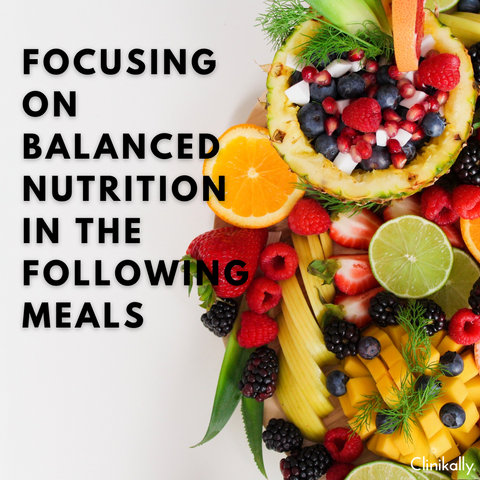
Following a binge, it's easy to go to the opposite extreme—either by avoiding meals or severely reducing calories. But this just throws your body out of whack again. Rather, eating carefully planned, balanced meals within the next several meals brings your body's rhythm back into balance, stabilizes your energy, and cuts the risk of another binge.
-
Well-balanced meals stabilize blood sugar levels to avoid energy crashes and cravings.
-
Adding protein, fiber, and healthy fats encourages fullness and aids metabolism.
-
Whole, nutrient-filled foods support digestion and ease bloating or discomfort due to the binge.
-
Giving priority to true meals assists in retraining your hunger and fullness signals following dysregulation.
-
Regular eating conveys safety to the body, decreasing stress hormones such as cortisol.
-
Nutrient-packed foods such as leafy greens, lean proteins, and good carbohydrates replenish vital vitamins and minerals.
-
Regular, balanced eating avoids the binge-restrict cycle and encourages good long-term health.
-
Mindful eating allows you to get back in touch with your body's natural hunger cues.
-
Vibrant, diverse meals keep you mentally satisfied and physically well-fed.
-
Consistent nutritional intake improves mood and mental acuity, alleviating post-binge guilt.
Rather than punishing yourself with restriction, consider your next meal as a chance to feed, not starve. Balanced nutrition doesn't only heal your body—it sets you free to move forward with intention and care.
Managing Emotional Eating Triggers
Emotional eating is a coping mechanism that is commonly adopted by individuals. It gets often triggered by stress, sadness, anxiety, boredom, or even happiness. While it may offer short-term relief, it usually leads to guilt and unhealthy eating patterns. Understanding and managing these triggers is key to breaking this emotional binge-eating cycle and building a more mindful relationship with food.
-
Pause and identify what you’re truly feeling before reaching for food.
-
Maintain a mood-food diary to monitor emotional patterns and identify recurring triggers.
-
Develop a list of go-to non-food coping behaviors such as walking, writing, or phoning a friend.
-
Use mindful breathing or brief meditations to deal with stress in the moment.
-
Establish a regular meal routine to prevent hunger-fueled emotional eating.
-
Store trigger foods out of easy access, and stock up on healthier options.
-
Do activities that bring joy and satisfaction independent of eating.
-
Acknowledge cravings without judgment—they're signals, not failures.
-
Seek professional help if emotional eating is overwhelming or frequent.
-
Remind yourself that food is fuel, not therapy—it's okay to feel, not fix with food.
By learning to recognize and respond to emotional triggers with compassion and awareness, you can take charge of your habits and build a healthier, more balanced way of being with both emotions and eating.
Setting Realistic Goals for Future Meals
Placing realistic expectations for future meals plays a crucial part in establishing an enduring and sound relationship with food. When aspirations are realistic and adjusted to accommodate your lifestyle, they promote predictability, curtail the dangers of overconsumption, and instill the feeling of possessing control over consumption. Rather than working toward extreme changes in diet that might be discouraging or constricting, achievable goals such as adding more whole foods, consuming at consistent intervals, or decreasing portion size allow for lasting, healthy habits. They also enable improved digestion, energy, and mood through giving your body balanced nutrition. Most importantly, healthy meal planning promotes flexibility and awareness so you can enjoy food guilt-free and still remain true to your health objectives.
Conclusion: Restoring Balance After Overeating
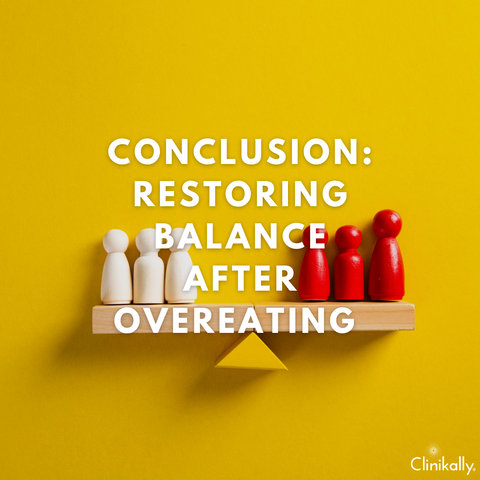
Restoring balance from overeating is not punishment or severe restriction, but rather coaxing your body and mind back to a state of balance. It is practicing self-kindness, drinking water, eating nourishing foods, and resuming a normal eating pattern without shame. By paying attention to your body's cues and making small, conscious decisions, you can aid digestion, level out energy, and avoid future bouts of overeating. Remember, one day of indulgence doesn't make or break your health—what matters most is the consistency of your habits over time. With a balanced mindset and realistic approach, recovery becomes an empowering step toward lasting wellness.