Beetroot Juice for Gut Health: A Natural Boost for Digestion
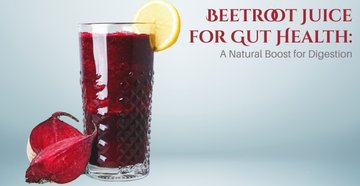
Beetroot juice is becoming increasingly popular as a natural remedy for gut health due to its high nutritional value and several digestive benefits. Beetroot juice, which is abundant in fiber, vitamins, and minerals, can naturally improve your digestive system and general gut health in several ways. In this blog, we will look at how beetroot juice can benefit intestinal health.
Understanding Beetroot Juice: A Gut-Friendly Powerhouse
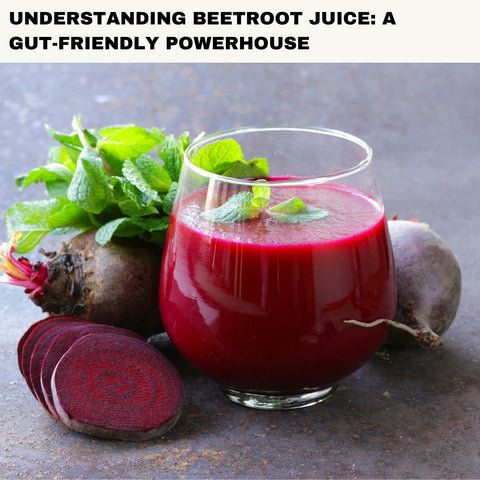
Beetroot juice is more than just a nice drink; it's a gut-friendly superfood that can help with digestion, support healthy gut flora, boost liver function, and relieve typical digestive discomforts. Beetroot juice, with its high fiber, antioxidant, anti-inflammatory, and critical nutrient content, is a natural way to promote gut health from the inside out. When incorporating beetroot juice into your diet, consider:
-
Drinking a glass in the morning to stimulate digestion.
-
Incorporating it into smoothies for a nutrient-dense beverage.
-
It can be added to your detox regimen to help with the liver and digestion.
The Nutritional Profile of Beetroot Juice: What Makes It Special?
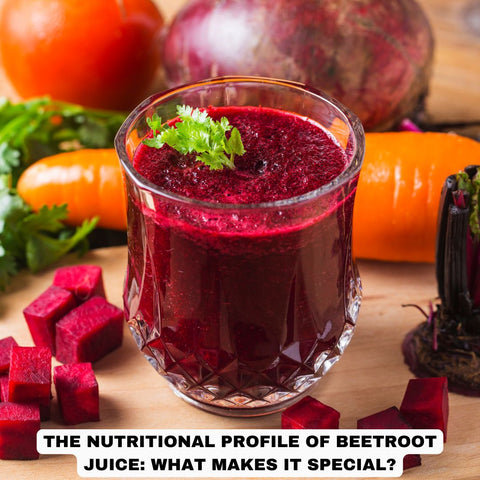
Beetroot juice is more than just a colorful, tasty beverage; it's a nutrient-dense powerhouse with several health benefits thanks to its incredible nutritional profile. Beetroot juice is a wonderful choice for people who want to improve their overall health and well-being because it contains essential vitamins, minerals, antioxidants, and medicinal compounds. Beetroot juice provides a nutritional profile that includes vital vitamins and minerals, antioxidants, a natural source of nitrates, low calorie and high fiber content, anti-inflammatory and detoxifying properties, support for regulated blood sugar levels, and hydrating and alkalizing properties.
How Beetroot Juice Supports Digestion and Gut Health
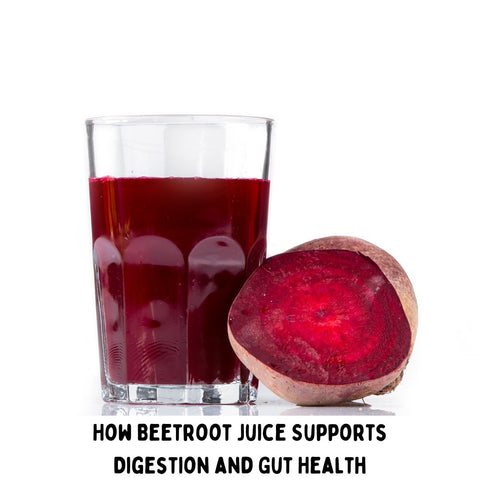
Beetroot juice is becoming increasingly popular due to its digestive benefits and ability to improve gut health. Beetroot juice is a natural powerhouse, including important nutrients, antioxidants, and medicinal compounds that help to strengthen the digestive system and intestinal health. Here's how beetroot juice helps digestion and maintains a healthy gut microbiome.
-
Dietary fiber: One of the most noticeable features of beetroot juice is its fiber content, which aids in healthy digestion. Fiber is crucial for maintaining regular bowel movements and avoiding constipation. Beetroot juice has two types of fiber: soluble and insoluble fiber.
-
Prebiotics: Beetroot juice includes prebiotics, which are nondigestible fibers that feed the good bacteria in your stomach. A healthy gut microbiome is essential for efficient digestion, nutrient absorption, and immune function. Beetroot juice helps to maintain a healthy gut microbiota by supporting the growth of beneficial bacteria like lactobacilli and bifidobacteria, which can improve digestion and prevent the creation of harmful bacteria.
-
Anti-inflammatory properties: Chronic intestinal inflammation is a common cause of digestive illnesses such as irritable bowel syndrome (IBS), Crohn's disease, and ulcerative colitis. Beetroot juice has anti-inflammatory qualities, owing to its high concentration of betalains—antioxidants that give the drink its distinctive red hue.
-
Liver detoxification: The liver is an important organ in the digestive system that removes toxins from the blood. Beetroot juice promotes liver health by increasing detoxification processes, which have a direct impact on gut health, including betalains and a healthy liver.
-
Alkalizing effect for acid reflux and heartburn relief: Beetroot juice has an alkalizing impact on the body, which helps to balance pH levels in the stomach and relieves acid reflux and heartburn. Beetroot juice can help neutralize excess stomach acid, providing relief from common digestive ailments such as acid reflux and heartburn.
-
Improves stomach blood flow for better digestion: Beetroot juice includes nitrates, which are converted to nitric oxide in the body. Nitric oxide improves blood circulation by relaxing and dilating of blood vessels, which benefits the digestive tract in a variety of ways, including increased circulation to the gut and support for gut motility.
-
Alkalize and hydrate the body: Beetroot juice's hydrating impact promotes general digestive health, as appropriate digestive system function requires adequate water. Proper hydration softens feces, avoids constipation, and allows the body to break down and absorb nutrients effectively.
-
Blood sugar regulation: Beetroot juice has a low glycemic index, which means it helps to regulate blood sugar levels without generating sudden increases. Stable blood sugar is beneficial to digestive health because it reduces digestive stress and prevents insulin resistance.
Beetroot Juice and Its Role in Reducing Gut Inflammation
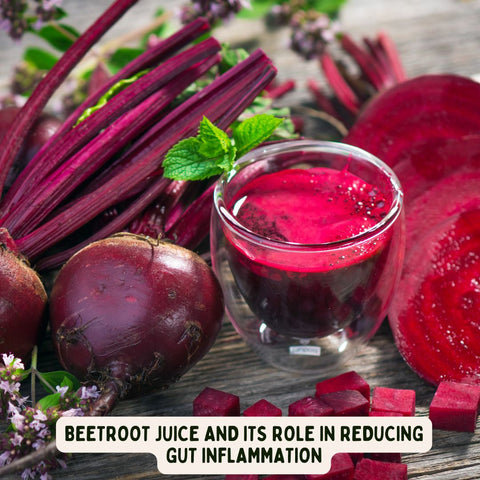
Beetroot juice is a natural, effective way to reduce intestinal inflammation and improve digestive health. Beetroot juice, which has a high concentration of betalains, antioxidants, prebiotics, and anti-inflammatory compounds, works on multiple levels to relax the digestive system, strengthen the gut lining, and promote healthy gut flora. Beetroot juice might be a valuable ally whether you have chronic stomach difficulties or simply want to improve digestive comfort. Regular use of beetroot juice can help to reduce inflammation, improve gastrointestinal motility, and support long-term gut health.
Top Benefits of Beetroot Juice for Your Digestive System
Beetroot juice has numerous digestive health benefits. Here's a closer look at why it is good for the gut:
-
Promotes good digestion: Beetroot juice is high in fiber, particularly soluble fiber, which helps regulate digestion. Even though some fiber is lost during juicing, there is still enough to promote smooth bowel movements and prevent constipation. Fiber bulks up feces and helps it travel through the digestive tract more easily.
-
Supports liver detoxification: Beetroot juice contains betaine, which helps the liver detoxify, allowing it to digest and remove hazardous compounds more efficiently. This is critical for keeping a healthy digestive tract since a clean and functioning liver improves food absorption and removes toxins from the body.
-
Boosts gut microbiome: Beetroot juice may improve the gut microbiome, which is the group of healthy microorganisms in your intestines. A healthy and balanced gut flora is necessary for proper digestion because it promotes food breakdown, nutritional absorption, and immune function.
-
Reduces inflammation: Beets contain betalains, antioxidants with potent anti-inflammatory activity. Chronic inflammation in the digestive tract can result in illnesses such as irritable bowel syndrome (IBS), Crohn's disease, and colitis. Beetroot juice helps lower inflammation and protect the gut lining, resulting in a healthier digestive tract.
-
Increases blood flow to the gut: Beetroot juice contains nitrates, which the body turns into nitric oxide. Nitric oxide promotes blood flow, which improves nutrient delivery, digestion, and general gut health.
-
Balances pH levels: Beetroot juice has an alkalizing impact on the body, which helps to balance the pH levels in the stomach. This can be good for persons who suffer from acid reflux or indigestion because it can help neutralize excess stomach acid and relieve discomfort.
-
Prevents constipation: Beetroot juice's high fiber and water content softens stool and avoids constipation. It can encourage regular bowel motions by enhancing peristalsis (digestive muscle contractions), resulting in more effective digestion.
-
Helps with IBS and bloating: Beetroot juice's anti-inflammatory characteristics can help soothe the digestive system, perhaps alleviating IBS symptoms and bloating. Beetroot juice's natural ingredients promote smooth digestion and can help minimize gas and pain.
-
Natural laxative effect: Beetroot juice is a gentle natural laxative. It can stimulate the bowels without creating adverse responses, making it an excellent choice for persons who suffer from digestive issues.
-
Fights gut infections: Beetroot's antibacterial and antifungal characteristics may help protect the gut from dangerous bacteria and fungus, improving gut health and lowering the risk of infection.
Boosting Gut Health Naturally: Fiber and Antioxidants in Beetroot

Beetroot is an excellent source of nourishment, particularly for gut health. Its fiber and antioxidant content offer a natural way to boost your digestive system and general health. Beetroot contains two main components that can benefit your gut: high dietary fiber, antioxidants, promotes gut flora balance, an alkalizing action, supporting a healthy inflammatory response, and natural detoxification.
Beetroot Juice for Bloating and Constipation Relief
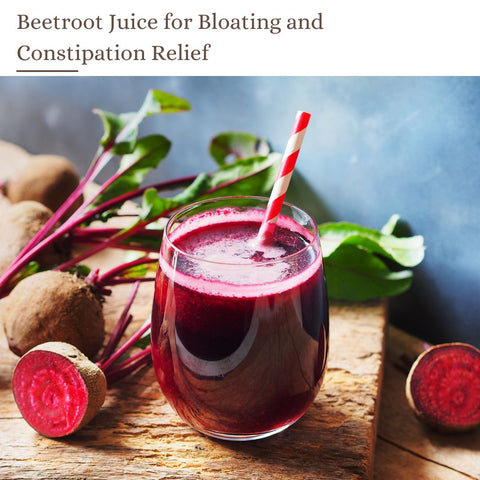
Beetroot juice is a natural and effective technique to improve digestion, reduce bloating, and alleviate constipation. Its fiber, antioxidants, and detoxifying effects work together to promote gut health and make digestion easier. Beetroot juice, whether consumed fresh or blended into smoothies, is a delightful and useful addition to your digestive health routine.
How Beetroot Juice Helps Maintain a Healthy Gut Microbiome
Beetroot juice promotes a healthy gut flora due to its prebiotic qualities, anti-inflammatory benefits, and nutrient-dense composition. Beetroot juice promotes the growth of good bacteria, reduces inflammation, and creates an appropriate gut environment, all of which serve to maintain digestive balance and gut health. Beetroot juice, whether eaten as a drink or incorporated into your diet via smoothies or meals, is a natural approach to boost your microbiota and promote digestive health.
Incorporating Beetroot Juice into Your Daily Routine
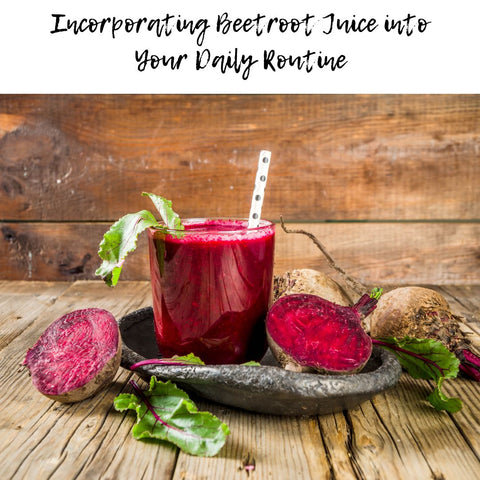
Incorporating beetroot juice into your daily routine will improve your health, particularly digestion, energy, and overall well-being. Here's how to incorporate it into your daily diet: start with small amounts, add it to smoothies, mix it with other juices, incorporate it into salad dressings, use beetroot powder, pre-workout drink, detox drink in the evening, add beetroot juice to soups or broths, and drink it chilled.
Best Ways to Prepare and Consume Beetroot Juice for Gut Health

Beetroot juice is an incredibly nutritious drink that can be prepared in various ways to maximize its benefits for gut health. Here are some of the best methods to prepare and consume beetroot juice, ensuring you gain the most from its digestive and overall health advantages:
-
Fresh beetroot juice: The ingredients are 1-2 medium-sized beets and water (optional). Thoroughly wash the beets and peel the skin (though keeping the skin on can provide extra fiber). Use a juicer to extract the juice from the beets. If you don’t have a juicer, blend the beets with a little water and then strain the mixture through a fine mesh or cheesecloth. Drink the juice immediately to obtain the most benefits, as nutrients can degrade over time.
-
Beetroot juice with ginger and lemon: The ingredients are 1 medium beetroot, a 1-inch piece of fresh ginger, juice of half a lemon, and 1 cup of water. Juice the beetroot and ginger together using a juicer. Squeeze the juice of half a lemon into the mixture. Add water to thin the juice if desired. Stir well and serve chilled over ice for a refreshing drink.
-
Beetroot and carrot juice: The ingredients are 1 medium beetroot, 2 medium carrots, 1/2 apple (optional for sweetness), and water (optional). Use a juicer to extract juice from the beetroot, carrots, and apple. Add a splash of water to dilute if you prefer a lighter drink.
-
Beetroot and cucumber juice: The ingredients are 1 medium beetroot, 1/2 cucumber, juice of 1/2 lemon, and a 1-inch piece of fresh ginger (optional). Use a juicer to extract juice from the beetroot and cucumber. Squeeze lemon juice into the mixture and add ginger for an extra digestive boost. Add ice if desired and enjoy chilled.
-
Beetroot smoothie: The ingredients are 1 small beetroot, 1 banana, 1 cup of spinach or kale, 1 tablespoon of chia seeds, and 1 cup of almond milk or coconut water. Combine all ingredients in a blender and blend until smooth. Pour into a glass and enjoy immediately.
How Much Beetroot Juice Should You Drink for Optimal Results?
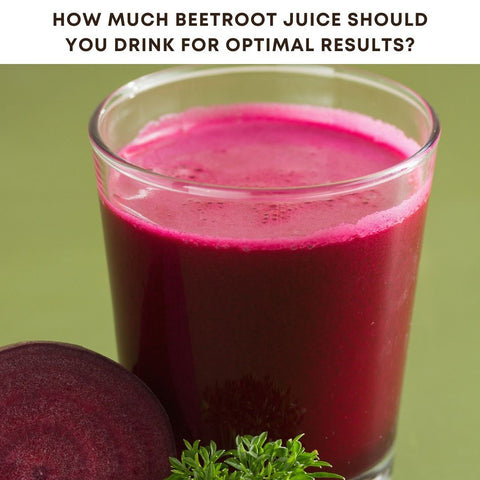
The optimal amount of beetroot juice you should drink largely depends on your individual health goals, current digestive health, and overall tolerance to the juice. While beetroot juice offers numerous benefits, drinking it in moderation is key. For most people, drinking 1/2 to 1 cup (120–240 mL) of beetroot juice per day is sufficient to experience the health benefits without overwhelming your digestive system.
-
Digestive Health: A moderate amount of beetroot juice helps improve digestion, reduce bloating, and support regular bowel movements. Starting with a smaller quantity (1/4 cup) and gradually increasing to 1/2 to 1 cup allows your body to adjust, especially if you're not used to high-fiber foods.
-
Nutrient Absorption: Beetroot juice is rich in vitamins (such as vitamin C), minerals (like potassium and magnesium), and antioxidants. Drinking 1/2 to 1 cup daily provides a significant boost of nutrients while being easy for the body to absorb.
-
Detoxification: Beetroot juice can help support liver detoxification, but drinking excessive amounts might result in mild detox symptoms like mild stomach upset or diarrhea. Starting with smaller servings and increasing gradually helps minimize these effects.
Tips to Maximize the Gut Health Benefits of Beetroot Juice

Maximizing the gut health benefits of beetroot juice is all about balance and consistency. By combining beetroot juice with fiber-rich foods, probiotics, and anti-inflammatory ingredients like ginger or turmeric, and staying hydrated, you’ll create a gut-friendly routine that supports digestion and overall wellness.
Conclusion: Make Beetroot Juice Your Gut Health Ally
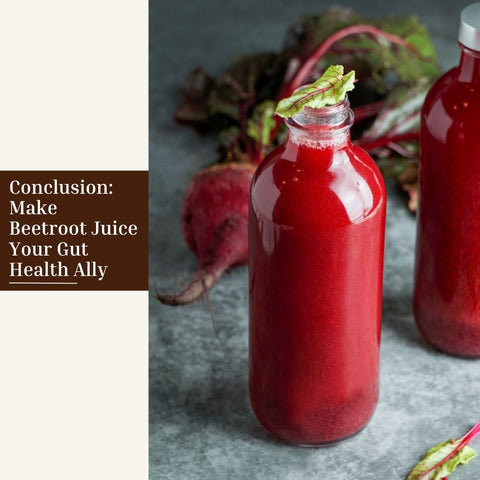
Beetroot juice is a powerful, natural ally for your digestive system, packed with nutrients that support healthy digestion, reduce bloating, and maintain a balanced gut microbiome. Rich in fiber, antioxidants, and anti-inflammatory compounds, beetroot juice helps promote regular bowel movements, reduce gut inflammation, and improve nutrient absorption. By incorporating beetroot juice into your daily routine in moderation and combining it with other gut-healthy foods like fiber, probiotics, and healthy fats, you can enhance its digestive benefits and optimize your overall well-being.