



Hairlines are more than simply a cosmetic element; they can reveal tiny details about your hormone profile, hereditary predisposition, and even changes in your overall health. While your hairline shape is mostly dictated by genetics, variations over time might reveal underlying hormonal swings, particularly those connected to androgens, thyroid function, and stress hormones. In this blog, we will read how your roots and hairline shape offers information about hormones.
Understanding Hairline Types and Their Genetic Blueprint

Your hairline, from jagged widow's peaks to smooth curves, reveals a story that is influenced by your genetics, ethnic heritage, and hormone levels. While you can't change your blueprint, understanding it may help you track changes, make smart haircare decisions, and even forecast how your hairline will vary with age.
Common Hairline Shapes and What They Look Like

The most common hairline shapes and what they usually look like:
-
Straight hairline: A level, horizontal line across the forehead with little curves. Frequently found in children and adults with low androgen sensitivity. Can appear young and symmetrical. Common among East Asian and African ethnic groupings.
-
Rounded hairline: A smooth, curving line that lacks sharp corners or significant recessions around the temples. Balanced and symmetrical. In many cultures, this hairline is regarded as "classic" or "ideal". Less susceptible to early recession than angular shapes.
-
Widow's peak: A prominent V-shaped or point in the center of the forehead. Frequently genetic and inherited as a dominant characteristic. Can be subtle or clearly defined. Sometimes confused with early hairline recession, but may remain stable over time.
-
M-shaped hairline: Hair recedes around the temples, resulting in a "M" or "U" shape. Common among men who are showing early signs of androgenic alopecia (male-pattern baldness). The central front stays intact longer than the sides. Depending on heredity, this can begin in the late teens or early 20s.
-
Reading Your Roots: What Hairline Shape Reveals About Hormones A broad, open brow with the hairline rising evenly across the top. Often appears "higher" on the forehead than usual. It may be hereditary or the result of age-related thinning. It is common in those with a naturally lofty forehead or those who are thinning.
-
Uneven or asymmetrical hairline: One side of the hairline is taller or recedes faster than the other. Can be natural or caused by styling habits or strain (e.g., tight ponytails, braids). This could potentially be a sign of traction alopecia or previous hair loss.
-
Receding hairline: A noticeable backward shift of the hairline at the temples or across the forehead. Typically a gradual shift over time, particularly in men. Frequently connected to hormonal changes and DHT sensitivity. If left untreated, baldness can develop to more advanced stages.
How Hairlines Are Formed: Hormones Meet Heredity

Your hairline is the result of a lifetime of genetic and hormonal interactions. Genetics determines the design of your hairline, including its shape, thickness, and starting position. Hormones determine how well that architecture holds up over time. Understanding this link can assist you:
-
Anticipate natural changes.
-
Identify the early signs of imbalance.
-
Select effective treatments if hairline recession begins.
When a Hairline Shift Could Signal Hormonal Change

-
DHT (Dihydrotestosterone): It is a strong androgen produced from testosterone. Binds to hair follicles, causing them to shrink and shorten the hair cycle, particularly around the temples and crown. Hairline impact causes an M-shaped recession or widow's peak to become more prominent. Androgenic alopecia is common in both male and female patterns of baldness.
-
Estrogen and progesterone: These hormones preserve hair follicles and promote longer growth cycles. Drops in levels (particularly after childbirth or during menopause) can cause frontal thinning and more visible scalp at the forehead or portion line. The hairline may appear less dense or "fragile."
-
Thyroid hormones (T3 and T4): It regulates general metabolism, including hair growth. Hypothyroidism can cause widespread hair thinning, particularly along the outer borders of the brows and hairline, as well as brittle or dry hair. Hyperthyroidism can also affect the regular hair cycle.
-
Cortisol (Stress Hormone): Chronic stress can cause hairs to enter the telogen (resting) phase, which leads to greater shedding. Hairline clues include abrupt thinning or patchiness at the front and temples.
The Hormonal Influences Behind Hairline Evolution

From childhood to menopause, your hairline softly reflects the fluctuations in your internal hormone landscape. Understanding this relationship allows you to detect early abnormalities, seek appropriate treatments, and make informed decisions for long-term hair and scalp health.
Testosterone and DHT: Friends or Foes of Your Forehead?

Your forehead may not appear to be a battleground, but for many people, it is the first point of contact when their hairline changes. Two important characters in this story are testosterone and its more potent derivative, dihydrotestosterone (DHT). These hormones are necessary for hair growth in specific places of the body, but they are frequently blamed for causing hair loss on the scalp, particularly around the temples and forehead.
-
Testosterone: It is a naturally occurring hormone found in both men and women. It promotes muscle development, mood, libido, and hair growth—particularly in the beard, chest, and underarms. Testosterone does not directly induce scalp hair loss. However, when it is transformed to DHT, things become more complicated.
-
DHT (dihydrotestosterone): It is produced when testosterone interacts with the enzyme 5-alpha reductase. It is five times as powerful as testosterone. While DHT promotes sexual development and body hair growth, it shrinks scalp hair follicles, notably in the temples, crown, and hairline.
Estrogen's Role in Hair Density and Recession

When it comes to full, healthy hair, especially around the hairline, estrogen plays a major influence. In hair loss discussions, estrogen is sometimes eclipsed by testosterone and DHT. However, estrogen is a powerful protector of hair density, thickness, and follicle longevity, especially in women.
-
Estrogen: It is an important female sex hormone, yet it is present in both sexes (albeit at different quantities). When it comes to hair, estrogen prolongs the anagen (growth) phase of the hair cycle, slows shedding by delaying the transition to the telogen (resting) phase, promotes blood flow and nourishment to the hair follicle, and aids in the maintenance of fullness and density, particularly around the frontal hairline and crown. This is why many women experience thicker, more colorful hair during pregnancy, when estrogen levels are at their highest.
-
When estrogen declines: Hair changes typically occur when estrogen levels drop abruptly or gradually, including as during postpartum (after childbirth), perimenopause, and menopause, as well as certain hormonal birth control adjustments. Medical problems include PCOS, hypothalamic amenorrhea, and anorexia.
Thyroid, Cortisol & Stress: The Subtle Hairline Saboteurs

Hairline changes are frequently attributed to aging or heredity, but there are three hidden factors that can cause hair thinning, loss, or recession: thyroid hormones, cortisol levels, and the stress reaction. These elements may not make headlines like testosterone or DHT, but their impact is significant and far-reaching, particularly when they are out of sync. If your hairline seems to be disappearing without reason, it may be time to explore beyond the apparent.
-
Thyroid Hormones: Your thyroid gland generates T3 (triiodothyronine) and T4 (thyroxine), hormones that control metabolism, cell growth and repair, and hair follicle activity. Common hypothyroidism (underactive thyroid) symptoms include fatigue, dry skin, weight gain, and cold intolerance. Hair loss, including thinning at the hairline and outer margins of the brows, dry, brittle strands, and slower regeneration. Weight loss, anxiety, elevated heart rate, generalized thinning across the scalp, especially the temples, and fragile, fast-shedding hair are all classic signs of hyperthyroidism.
-
Cortisol: Cortisol is the body's principal stress hormone. In short spurts, it helps you react to danger; but, when stress becomes chronic, elevated cortisol levels begin to harm your hair. Triggers telogen effluvium, a condition in which a great quantity of hairs prematurely shed. Increases scalp inflammation, which can damage follicles, worsens hormonal imbalances, exacerbating hair loss, and frequently causes abrupt thinning, particularly along the frontal hairline and temples.
-
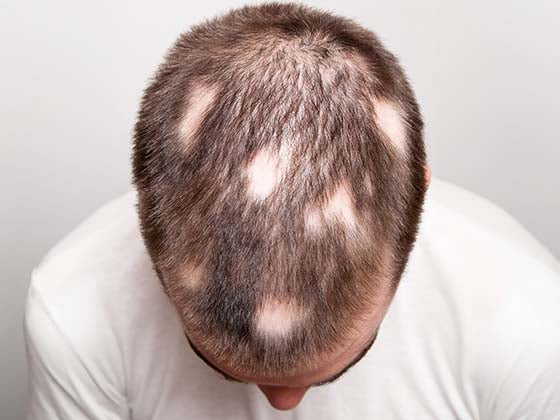
Stress: Even if cortisol levels are not chronically elevated, psychological stress can interrupt the hair growth cycle, impair nutrient absorption, induce or worsen autoimmune hair loss (e.g., alopecia areata), and interact with other hormones such as estrogen, DHT, and thyroid hormone.
Spotting the Signals: What Your Hairline May Be Telling You

Your hairline rarely changes at random. They are frequently the result of changing hormones, health stressors, or lifestyle behaviors. Paying attention to tiny signs allows you to take action early, before momentary alterations turn into long-term loss. Consider your hairline as your body's subtle whisper. Tune in, and it might lead you to greater overall health.
Receding Hairlines in Men: Early Warnings and What to Watch

-
Changes in hairline shape: A youthful hairline is often straight or slightly rounded. When it begins to curve inward at the temples, this is a possible red flag.
-
Excess hair on pillows or in the shower: While some shedding is natural, if you notice more hair than usual, particularly from the frontal region, it may be time to investigate.
-
Visible miniaturization: Look for small, wispy hairs that aren't developing long or thick—this may be an early symptom of DHT-induced follicle shrinking.
-
Male pattern baldness: If your father, grandfather, or uncles had receding hairlines, you are more likely to get the condition.
-
Photo comparisons reveal changes: Comparing vintage photos shot in consistent lighting and angles can help you notice hairline adjustments.
Hairline Thinning in Women: Is It Hormonal or Nutritional?

Common symptoms include poor development at the temples, a widening portion or thinner fringe around the forehead, short, fine hairs that never grow beyond a particular length, and a hairline that seems less "anchored" or organized with time. This can occur gradually or rapidly following major life changes such as pregnancy, perimenopause, extreme stress, or illness. Hormones play an important role in regulating the growth cycle of hair follicles, particularly on the front and sides of the scalp.
-
Estrogen decline: Estrogen keeps hair in the anagen (growth) phase for longer. When it dips, hair sheds more readily and growth slows, especially around the hairline. This is frequent after postpartum, perimenopause, or after taking birth control.
-
High androgen/DHT sensitivity: Women with PCOS, hormonal abnormalities, or genetic susceptibility may have higher testosterone or DHT levels, follicle shrinkage at the temples or crown, and a more noticeable "M" shape recession.
-
Thyroid disorders: Both hypo- and hyperthyroidism can interrupt hair growth cycles, which frequently leads to generalized thinning, notably at the frontal scalp, and may be accompanied by weariness, dry skin, or cold sensitivity.
-
Cortisol and stress: Chronic stress increases cortisol, which can push hair prematurely into the shedding phase (telogen effluvium), cause sudden thinning near the front and temples, and amplify hormonal imbalances, worsening the cycle.
-
Nutritional causes of hairline thinning: Even minor deficiencies can have a significant influence on hair health, particularly in high-growth areas such as the hairline.
-
Key nutrients to watch for include iron (ferritin) (low iron is one of the most common causes of female hair thinning), vitamin D (affects follicle health and growth cycles), zinc and biotin (essential for keratin production and follicle support), protein (inadequate intake = weak, slow-growing hair), and B12 and folate (especially if you're vegan or vegetarian).
Sudden Changes: When to Speak With a Professional

If your hairline changes suddenly or dramatically—or if hair loss is accompanied by other health symptoms—don’t wait it out. Early diagnosis and treatment improve outcomes and can help prevent permanent damage.
Shaping Hormonal Balance for a Healthier Hairline

Your hairline reflects the delicate balance of hormones in your body. When this equilibrium is disrupted—whether due to stress, aging, or lifestyle—your hair may suffer from thinning, recession, or slower growth. What is the good news? You may actively support and alter your hormonal health to achieve a thicker, fuller hairline.
-
Nourish your endocrine system: Hormones thrive with correct nourishment and self-care. Key nutrients and habits help keep your endocrine system running efficiently, including A well-balanced meal consists of lean proteins, healthy fats, colorful vegetables, and fruits. Zinc, biotin, magnesium, vitamin D, and the B-complex are all considered essential vitamins and minerals. Proper fluid consumption improves hormone transit and cellular health. Limit sugar and processed foods. Excess sugar can trigger insulin spikes, disrupting hormonal equilibrium.
-
Manage stress to maintain your hairline: Chronic stress raises cortisol, which alters estrogen and progesterone balance, increases androgen (DHT) activity, which affects hair follicles, and prematurely triggers shedding. Stress-reduction options to consider include mindfulness meditation or deep breathing, regular physical activity (yoga, walking, swimming), appropriate sleep (7-9 hours each night), and setting healthy limits to avoid burnout.
-
Maintain hormonal health with lifestyle choices: Regular exercise helps to manage insulin, reduce inflammation, and balance sex hormones. Limit your exposure to BPA, phthalates, and parabens, which are found in plastics and some cosmetics, to avoid endocrine disruption. Consider herbal allies like saw palmetto, spearmint tea, and black cohosh to aid with hormonal balance (see your doctor first). Keep your weight under control because excess body fat can exacerbate androgen and estrogen abnormalities.
-
Consult professionals for targeted support: Hormone testing detects irregularities in estrogen, progesterone, testosterone, thyroid, and adrenal hormones. Physicians may recommend hormone replacement therapy or prescription medicines for severe imbalances. Hair-specific therapies include minoxidil, low-level laser therapy, and DHT blockers according to your hormonal profile.
-
Develop a hormone-friendly hair care regimen: Use low-pH shampoos to protect the scalp barrier. Avoid using strong chemicals and heat styling to stress follicles. Use scalp massages to improve circulation and promote healthy growth.