Resveratrol vs. Retinol : Which One Actually Erases Aging?
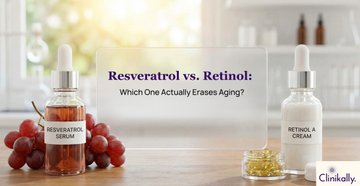
Resveratrol and retinol are two commonly used ingredients in skincare products. Both have distinct advantages and serve critical roles in preserving healthy skin. However, choosing among them can be difficult. This blog will explain the differences, benefits, and potential side effects of each, making it easy to determine which is best for your skin.
Molecule Match‑Up: How Each Active Works Below the Surface
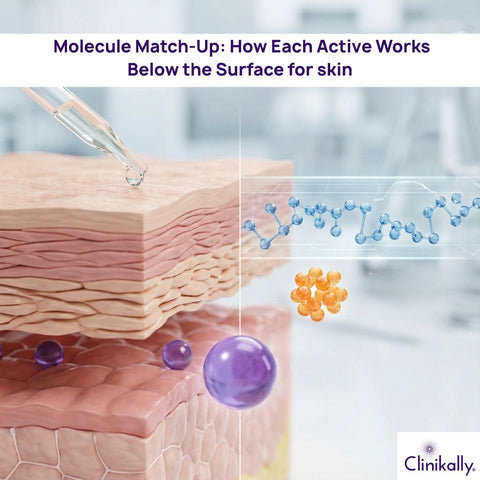
Retinol and resveratrol are two of skincare's most well-known active ingredients, each addressing aging in unique ways. Retinol, a vitamin A derivative, is converted into retinoic acid within the skin, where it binds to nuclear receptors and activates genes involved in regeneration. Resveratrol, on the other hand, is a very effective polyphenolic antioxidant found in grapes, berries, and red wine. Instead of reforming, it serves as a protective shield. It activates sirtuins—proteins involved in DNA repair and cellular longevity—while scavenging free radicals produced by UV exposure and pollution.
Retinol (Cellular remodeler):
Retinol, a vitamin A derivative, is transformed into retinoic acid once absorbed into the skin. This active form attaches to nuclear retinoic acid receptors (RARs) in skin cells, flipping genetic "switches" which:
-
Stimulate fibroblasts to generate new collagen and elastin.
-
Accelerate keratinocyte turnover by replacing dull or damaged cells with new ones.
-
Regulate melanin dispersion to reduce uneven pigmentation.
-
The end outcome is a structural re-engineering of the skin from within, with visible improvements in wrinkles, texture, and clarity.
Resveratrol (Cellular shield):
Resveratrol, a polyphenolic antioxidant found in grapes and red wine, strengthens the skin's defense systems rather than restructuring it. Once absorbed:
-
Activates sirtuins (SIRT1 and others), proteins associated with cellular lifespan and DNA repair.
-
Scavenges reactive oxygen species (ROS) caused by UV radiation, pollution, and stress.
-
Suppresses NF-κB signaling to reduce inflammation and prevent collagen degradation.
-
Rather than remodeling, resveratrol serves as a protective guardian, delaying the mechanisms that cause skin cells to age prematurely.
Antioxidant Arsenal: Resveratrol’s Polyphenol Power Against Free Radicals
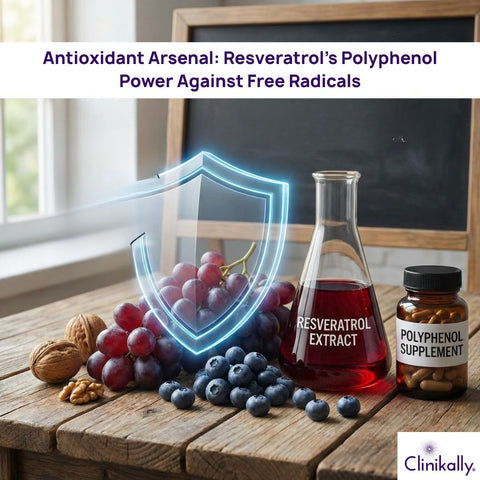
Every day, skin is subjected to an invisible barrage of free radicals, unstable molecules produced by UV radiation, pollution, and even internal stressors like inadequate sleep or poor diet. When left unchecked, reactive oxygen species (ROS) damage DNA, break down collagen, and exacerbate fine wrinkles and dullness. That's where resveratrol, a powerful polyphenol found in grapes, berries, and red wine, comes in.
Resveratrol belongs to the stilbene family of antioxidants, which are known for their capacity to destroy free radicals before they cause harm. Resveratrol does more than neutralize; it also stimulates sirtuins, enzymes linked to cellular longevity and DNA repair, which help cells keep their vitality under stress. It inhibits inflammatory pathways like NF-κB, reducing redness and preventing the extracellular matrix from disintegration.
Unlike remedial actives such as retinol, resveratrol's power is in prevention and preservation. It reduces premature aging, maintains barrier integrity, and improves overall radiance by protecting the skin from oxidative stress. Stable formulations frequently combine resveratrol with additional antioxidants such as vitamin C or ferulic acid, resulting in a strong antioxidant network for daytime defense. In essence, resveratrol is the skin's guardian in the antioxidant arsenal, deflecting environmental attacks and preserving youthful reserves.
Cellular Turnover: Retinol’s Vitamin A Pathway to Collagen Renewal
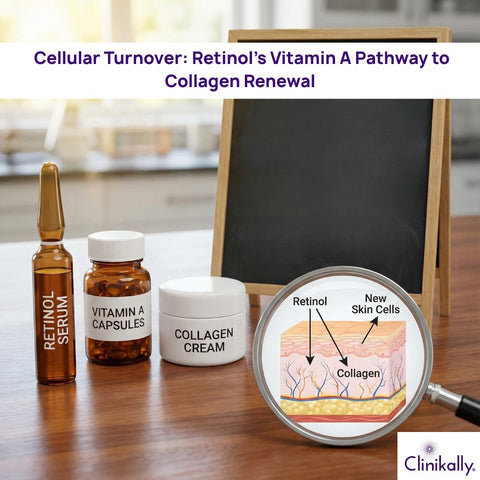
Retinol has established a reputation as the gold standard of anti-aging actives due to its unique ability to modify skin structure from within. Once administered, retinol begins a conversion cascade to retinoic acid, the physiologically active form of vitamin A. This chemical enters the dermis and attaches to retinoic acid receptors (RARs) inside skin cells, activating genes involved in renewal and repair. The result is a significant increase in cellular turnover: old, pigmented keratinocytes are shed more efficiently, replaced by fresher cells that add clarity and smoothness to the surface. Simultaneously, fibroblasts deep in the dermis increase collagen and elastin production, restoring the skin's supporting structure while minimizing apparent wrinkles and drooping.
Aside from smoothing fine wrinkles, retinol refines pore appearance, improves uneven tone, and controls melanin dispersion to soften dark spots. Unlike antioxidants like resveratrol, which focus on protection, retinol is a genuine remodeler, actively modifying skin architecture to provide apparent results. With constant use—always combined with SPF during the day—retinol provides one of the most well-established pathways to youthful, resilient skin: a cycle of renewal, repair, and collagen restoration.
Stability & Delivery Systems: Encapsulation, Esters, and Liposomes
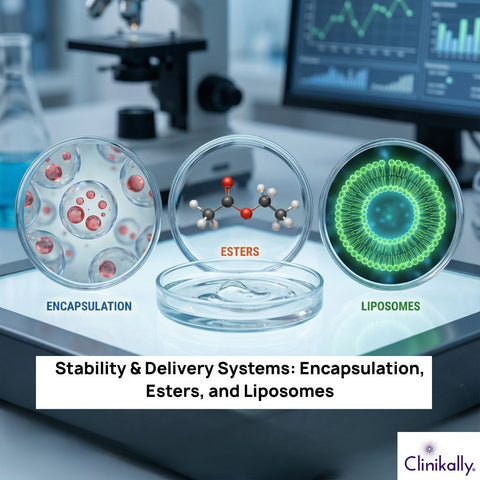
One of the most difficult aspects of using retinol and resveratrol is ensuring that they survive before reaching your skin. These actives are famously unstable—retinol degrades in the presence of light, heat, and oxygen, whereas resveratrol readily oxidizes and loses effectiveness in water-based formulations. This is where contemporary delivery systems come in.
-
Encapsulation: Encasing actives in protective carriers (such as polymeric or silica-based shells) protects them against degradation. This not only enhances shelf life but also offers more controlled, time-released administration, reducing irritation for retinol and maintaining antioxidant strength for resveratrol.
-
Esters and derivatives: For retinol, softer esters like retinyl palmitate or more sophisticated derivatives like retinaldehyde and hydroxypinacolone retinoate (HPR) provide greater stability while reducing sensitivity. Lipophilic esters can help resveratrol penetrate the skin while also maintaining antioxidant action.
-
Liposomes and nanocarriers: These small vesicles resemble skin lipid bilayers, transporting actives deeper into the epidermis. Liposomal resveratrol penetrates more deeply, whereas liposomal retinol decreases irritation and increases collagen-stimulating efficacy.
In essence, smart formulation technology converts fragile molecules into potent, bioavailable medicines, ensuring they reach their intended cells undamaged. Without these systems, both resveratrol and retinol may underperform. They bring out their full youth-boosting potential.
Skin Goals & Suitability: Selecting the Right Warrior for Your Concerns
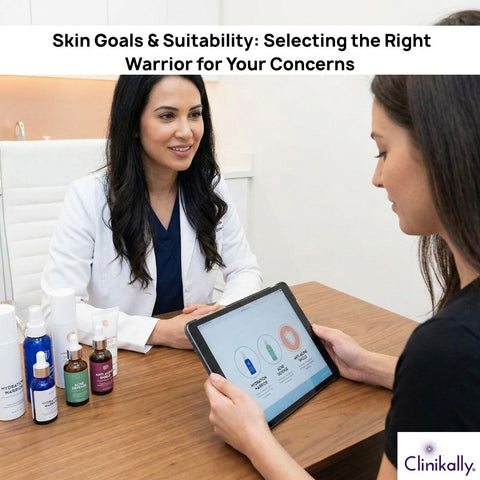
Retinol and resveratrol are two well-known skincare actives that combat aging through different methods. Retinol, a vitamin A derivative, is converted into retinoic acid in the skin, where it binds to nuclear receptors that promote collagen, elastin, and cell turnover. The end effect is a noticeably smoother texture, fewer wrinkles, reduced pores, and a more even tone. It functions as a cellular remodeler, reshaping the skin's structure. Resveratrol, a polyphenolic antioxidant found in grapes and berries, serves as the skin's protective barrier. It neutralizes free radicals, activates longevity proteins known as sirtuins, and inhibits inflammatory pathways, hence preserving collagen and preventing premature aging. Its benefits are more preventative and cumulative, making it perfect for younger or delicate skin. Not all skin journeys are the same, and the decision between retinol and resveratrol is largely dependent on your goals, tolerance, and stage of aging.
-
Wrinkles, texture, and pores → retinol: If you want to address established indications of aging—fine lines, lack of firmness, increased pores, or obstinate pigmentation—retinol is the more powerful warrior. Its remodeling effect increases collagen and speeds turnover, resulting in apparent improvement within weeks.
-
Prevention, sensitivity, and barrier health → resveratrol: Resveratrol is a safer option for people in their twenties and thirties, as well as those with sensitive or easily irritated skin. Its antioxidant layer protects against free radical damage, reduces inflammation, and improves the barrier, allowing skin to remain vibrant and youthful throughout time.
-
Combination approach → retinol + resveratrol: The most strategic skincare fighters seldom fight alone. Resveratrol protects against oxidative stress throughout the day, whereas retinol heals and renews overnight. They work together to create a 24-hour defense and correction mechanism, making this approach suitable for anyone concerned about prevention and change.
First Signs of Aging & Sensitivity: Why Resveratrol Shines for Beginners
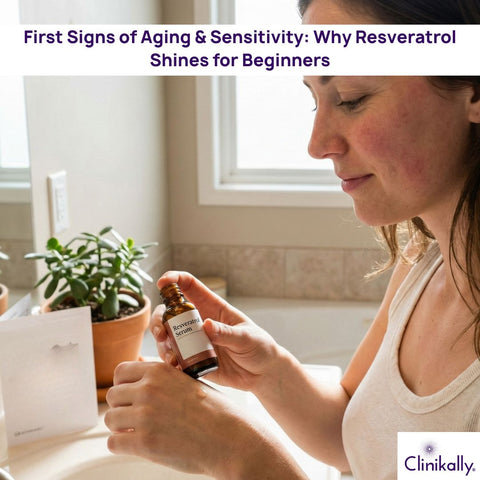
When fine wrinkles, dullness, or uneven tone occur, the natural reaction is to reach for retinol. While retinol is beneficial, it can be harsh on newly adjusted skin, producing dryness, peeling, and inflammation. That's where resveratrol appears as the milder, more sensible option for beginners.
Resveratrol, a strong polyphenolic antioxidant, works behind the scenes to neutralize free radicals, which are unstable chemicals that degrade collagen and accelerate aging. It strengthens the skin barrier by lowering oxidative stress and inflammation, thereby maintaining smoothness, elasticity, and resilience. Unlike retinol, which remodels by increasing turnover, resveratrol retains the skin's current structure.
This makes it especially useful for those with sensitive, reactive, or younger skin that isn't ready for more potent correction agents. Consistent application helps to postpone deeper signs of aging, increase brightness, and keep the complexion balanced. For novices, applying resveratrol serum under SPF in the morning creates a powerful preventive defense mechanism without causing irritation. Over time, this antioxidant-first method creates the groundwork for healthier, more youthful skin—so that when the time comes to add retinol, your skin is already ready.
Deep Wrinkles & Sun Damage: Retinol’s Edge in Texture Transformation
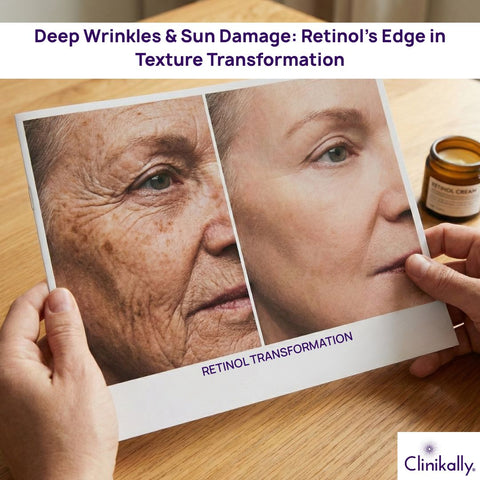
When aging progresses beyond fine lines to deeper wrinkles, sagging, and sun damage, few actives can equal retinol's restorative efficacy. Unlike antioxidants, which merely protect, retinol actively remodels skin structure, resulting in obvious improvements in texture and firmness.
Once converted to retinoic acid inside the skin, retinol connects to receptors that stimulate fibroblasts, the cells that produce collagen and elastin. This increase in structural proteins plumps deep wrinkles, softens etched lines, and restores lost elasticity. At the surface, retinol promotes keratinocyte turnover, which fades sunspots, smoothes roughness, and evens out tone produced by UV exposure. Because photoaging is caused by both collagen degradation and pigment abnormalities, retinol tackles the problem from two angles: rebuilding dermal support and addressing discolouration. With regular application, skin appears firmer, brighter, and more polished.
Pigmentation Battles: Combining Both for Synergistic Brightening
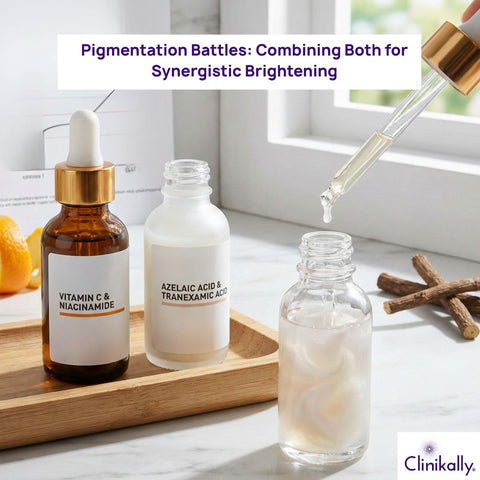
One of the most persistent indications of aging and sun exposure is uneven pigmentation, which can take the form of freckles, dark spots, or post-inflammatory lesions. Tackling it successfully often necessitates a dual-action strategy, which is where retinol and resveratrol excel.
Retinol treats pigmentation by increasing cellular turnover and controlling melanin dispersion. As old, pigment-laden keratinocytes shed, newer, more uniformly toned cells rise to the surface. Over time, this decreases the appearance of sunspots, acne marks, and blotchiness while also refining texture for a more even shine.
Meanwhile, resveratrol operates upstream by decreasing the activity of tyrosinase, the enzyme that produces melanin. At the same time, its powerful antioxidant function neutralizes free radicals produced by UV exposure, which is the primary cause of pigmentation flare-ups. This preventive function keeps new spots from forming while reducing the inflammation that frequently exacerbates discolouration.
When combined, the two actives form a synergistic brightening cycle: retinol removes existing pigment, while resveratrol prevents potential darkening. For optimal results, take resveratrol in the morning (with SPF for further photoprotection) and retinol at night, ensuring round-the-clock correction and defense. They work together to remove spots while also restoring luminosity, leaving skin more even, vibrant, and youthful.
Practical Guide: Layering, Timing, and Safety for Real‑World Routines
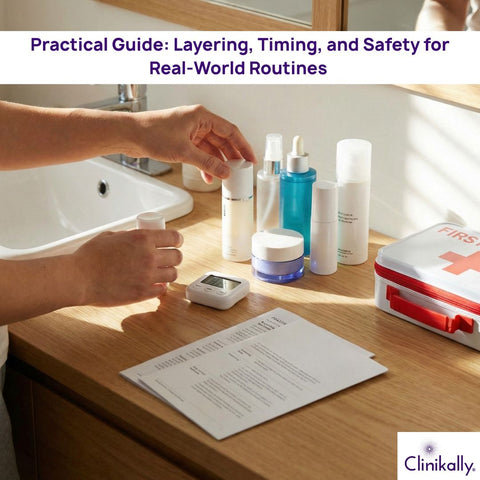
Retinol and resveratrol are two of the most potent anti-aging ingredients, yet they work in very different ways. Adding retinol and resveratrol to your routine entails more than just selecting the perfect serum; it also requires careful scheduling, layering, and consistency. Here's how to encourage them to cooperate without becoming irritated.
Morning (Defense mode):
-
Cleanse and apply a mild resveratrol serum. Its antioxidant shield works well with vitamin C to combat daily free radical damage.
-
Follow with moisturizer and a broad-spectrum SPF 30+, as sun protection is essential for preventing new pigmentation and optimizing results.
Evening (Repair mode):
-
After cleansing, apply retinol (start with 2-3 nights per week and progress to nightly use as tolerated).
-
To reduce dryness, put a nourishing moisturizer over moisturizing serums such as hyaluronic acid.
Layering tips:
-
Strong exfoliating acids and benzoyl peroxide should not be used in conjunction with retinol since they can irritate the skin.
-
Resveratrol is generally mild and compatible with the majority of actives; nonetheless, always patch test.
With proper layering and timing, these two actives can provide 24-hour correction and protection, transforming your skincare regimen from basic to results-driven.