Skin Boosting or Skin Cycling: Which Routine Is Right for Your Glow?
Skin boosting and skin cycling are two popular skincare treatments that attempt to improve skin health and appearance, but they differ in method, intent, and results. Choosing the appropriate one for your routine is determined by your skin's requirements, tolerance, and long-term objectives. In this essay, we will look at skin boosting against skin cycling.
Breaking Down the Basics: What Are Skin Boosting and Skin Cycling?
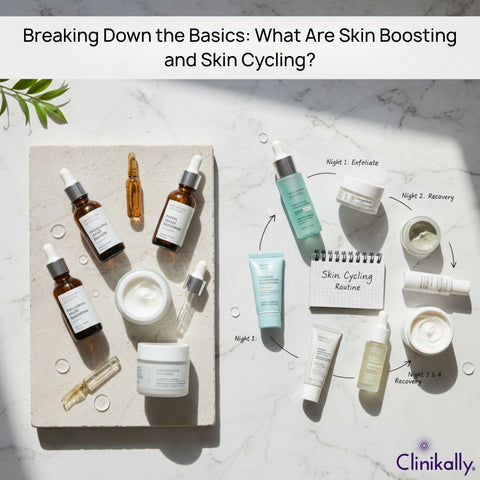
Before deciding on the best strategy for your skincare routine, you should first understand what skin boosting and skin cycling represent. Though both seek to improve skin health and beauty, they do it in very different ways.
-
Skin boosting : Skin boosting refers to topical or injectable treatments that deeply moisturize and revitalize the skin. Rather than focusing on exfoliation or resurfacing, skin boosters replenish moisture, stimulate collagen synthesis, and improve the skin's natural radiance. Common types of skin boosting include injectable boosters, topical boosters containing hyaluronic acid, peptides, niacinamide, and growth factors, and face treatments such as moisturizing masks or microneedling with serums. The main advantages include deep hydration and skin plumping, increased elasticity and firmness, a brighter , more radiant complexion, and improved skin texture with kittle radiation. Skin boosting is gentle, making it suited for a day, sensitive , or aging skin, and it is effective as a "refresh treatment ion a regular basis.
- Skin cycling : Skin cycling is a skincare strategy that involves rotating powerful active ingredients over a specific number of nights to allow your skin to heal. Skin cycling avoids irritation and strengthens the skin barrier by scheduling the use of retinoids or exfoliants. Typical four-night skin cycling routine: night one (exfoliation), night two (retinoid), night three (recovery), and night four (recovery). The cycle then repeats. Key benefits include safer, more effective use of powerful actives, lower risk of over-exfoliation or dryness, aids in the management of acne, pigmentation, and fine lines, and promotes long-term skin firmness and balance. Skin cycling is great for anyone new to actives or who has sensitive or acne-prone skin that reacts easily to daily use of powerful substances.
The Core Idea Behind Skin Boosting
The primary concept of skin boosting is to deeply hydrate and renew the skin from within by administering specific treatments such as hyaluronic acid injections, encouraging collagen formation, and enhancing overall skin quality. Skin boosters, unlike standard fillers, attempt to increase the skin's natural brightness, smoothness, and elasticity. Here is a more detailed explanation.
-
Skin boosters, which commonly contain hyaluronic acid, operate by attracting and holding moisture within the skin. This intense hydration plumps up the skin, reducing the appearance of fine lines and wrinkles and resulting in a dewy, healthy shine.
-
The micro-injections used in skin boosting treatments can also encourage the body's natural production of collagen and elastin, which are essential for preserving skin firmness and elasticity.
-
Skin boosters, which target dryness, uneven skin tone, and fine wrinkles, can greatly enhance the overall texture and appearance of the skin.
-
Skin boosters are a versatile therapy that can address a variety of skin issues, including dryness, dullness, loss of elasticity, and fine wrinkles. They are commonly used for the face, neck, and décolletage.
-
Unlike dermal fillers, skin boosters are not intended to enhance volume or alter facial contours. Instead, they concentrate on improving the general health and appearance of the skin.
How Skin Cycling Works with Your Skin’s Natural Rhythm
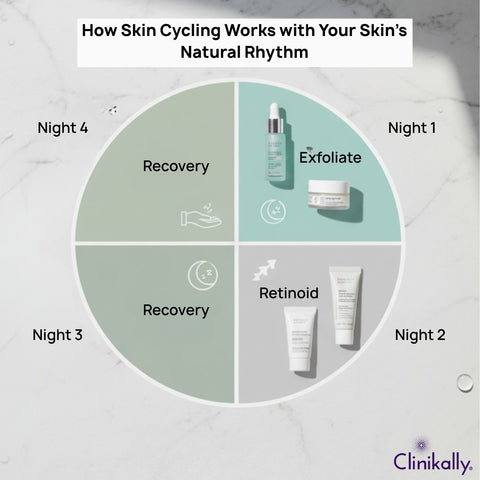
Skin cycling is more than simply a trendy habit; it is a biologically sound technique. Skin cycling corresponds with your skin's natural regeneration schedule, enhancing benefits while decreasing discomfort. Your skin is constantly renewing itself, approximately every 28 to 40 days (which slows with age). During this time, dead skin cells rise to the surface and shed spontaneously, while new skin cells grow in the basal layer and travel higher. Repair and regeneration occur primarily at night, particularly during sleep. Excessive use of actives such as retinoids or exfoliants might interrupt this cycle, resulting in barrier damage, irritation, or peeling. That's where skin cycling comes in.
Similar Goals, Different Paths: Comparing the Core Philosophies
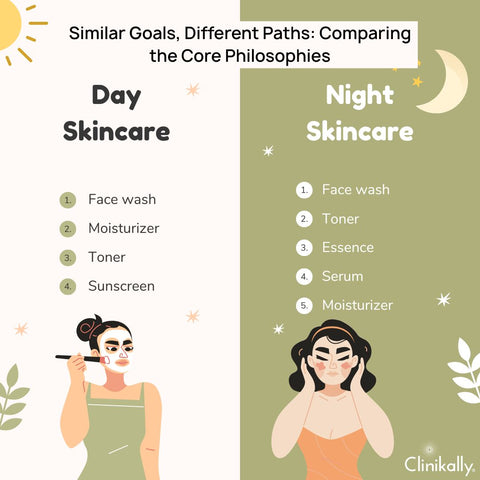
Both skin boosting and skin cycling seek to renew your skin, but they use very different paths to get there. Consider them to be two distinct wellness philosophies: one focuses on nourishment and enhancement, and the other on rejuvenation and control.
-
Shared goal: Both regimens aim to improve skin texture and tone, increase moisture and radiance, promote long-term skin resilience, and work with your skin rather than against it. However, the technique, speed, and therapeutic philosophy underlying each therapy are significantly different.
-
Skin boosting: Your skin flourishes when it is well-hydrated, nourished by biomimetic substances, and refreshed on a regular basis with what it needs. Infuses the skin with healthy elements such as hyaluronic acid, peptides, vitamins, and antioxidants. It may be topical or injectable. It enhances the skin's interior environment to improve moisture, firmness, and radiance and is frequently used as a maintenance treatment. Ideal for dry or sensitive skin, as well as skin that has lost bounce or radiance and needs maintenance in between more active stages.
-
Skin cycling: The skin responds best when active treatments are precisely scheduled to balance stimulation and recuperation. Uses a scheduled routine of exfoliants and retinoids on predetermined nights. Alternate restorative evenings for healing and barrier repair. Uses the skin's natural regeneration cycle to achieve safer, longer-lasting benefits. Aims to condition skin to tolerate actives without irritation. Ideal for acne-prone, reactive, or barrier-compromised skin, individuals new to retinoids or resurfacing chemicals, and people wishing to develop a long-term, active routine.
Benefits and Challenges: Which Routine Aligns With Your Skin Needs?
Skin Boosting and Skin Cycling promote healthier, more radiant skin, but in different ways. Understanding the advantages and disadvantages of each can help you select the routine that best suits your skin's specific demands, lifestyle, and tolerance level.
Skin Boosting
Benefits:
-
Deep hydration and radiance: Provides a visible glow and plumpness to the skin, making it ideal for dry, dull, or mature skin types.
-
Strengthens the skin barrier: Infuses moisture and nutrients into the skin without disrupting its natural balance, making it ideal for sensitive or stressed skin.
-
Gentle with a low risk of irritation: There's no purging, peeling, or downtime. Safe for all skin types, including those with reactive skin.
-
Immediate and cumulative outcomes: Topical and injectable boosters provide both a short-term glow and long-term skin quality benefits.
-
Customizable options include: Skin boosters, which range from lightweight serums to in-clinic injectables, can be tailored to your specific needs and budget.
Challenges:
-
Not a treatment for acne or texture: Does not address clogged pores, pigmentation, or cell turnover issues.
-
Ongoing maintenance required: Effects, particularly from topical products, may be transitory unless used on a regular basis.
-
Injectables are costly procedures: Professional boosters like as Profhilo may take numerous sessions and can be costly.
Skin cycling
Benefits:
-
Minimizes irritation from actives: Skin cycling, which alternates exfoliants, retinoids, and recovery days, helps to gradually and safely build tolerance.
-
Addresses major concerns: Excellent for acne, uneven tone, fine lines, and rough skin texture.
-
Strengthens the skin over time: It balances cell turnover and recovery, promoting resilience and long-term barrier health.
-
Flexible and personalized: Cycle length can be easily adjusted (for example, 4, 5, or 7 days) based on your skin's response.
Challenges:
-
Initial adjustment phase: When you initially start using actives, you may notice dryness, flaking, or purging.
-
Requires routine discipline: Consistency and proper timing are required for optimal results.
-
Not suitable for severely reactive skin: Even with spaced use, actives might aggravate rosacea- or eczema-prone skin if not adequately controlled.
Glow Amplification with Skin Boosting Ingredients
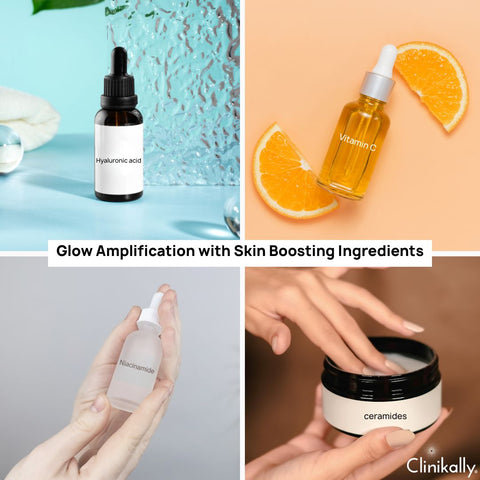
If you want to enhance your skin's natural radiance, skin boosting is your go-to approach. Skin boosters, whether applied topically or by injections, operate by infusing the skin with moisture-binding, cell-replenishing substances that restore radiance, firmness, and bounce from within. The top skin-boosting substances for radiance are:
-
Hyaluronic acid (HA): It is an ultra-hydrating molecule that can hold up to 1,000 times its weight in water. Instantly plumps the skin, eliminates fine wrinkles, and leaves a smooth, light-reflective surface. Found in topical serums, sheet masks, and injectable boosters such as Profhilo and Juvederm Volite.
-
Niacinamide (Vitamin B3): It brightens the skin, increases suppleness, and strengthens the barrier. Reduces dullness, redness, and uneven tone, leaving skin appearing refreshed and luminous. Reduces pore size and oiliness, resulting in better skin clarity.
-
Peptides: They are short sequences of amino acids that signal the skin to make more collagen and elastin. Over time, the skin becomes firmer and smoother, giving it a naturally bouncy and young appearance. Ideal for aged or tired-looking skin that requires a firming boost.
-
Antioxidants (Vitamin C, E, and Ferulic Acid): It neutralize free radicals, brighten skin, and promote collagen formation. Vitamin C, in particular, improves brightness and evens tone while guarding against environmental damage. Use in the morning with SPF for the maximum protection and shine.
-
Panthenol (Provitamin B5): Deeply hydrates, soothes, and heals dry or irritated skin. Restores suppleness and resilience to dull, tired skin.
-
Ceramides: They are lipids that maintain and protect the skin barrier. Maintains hydration by minimizing trans epidermal water loss and enhancing long-term skin health.
-
Polyglutamic acid: Holds more water than hyaluronic acid, forming a flexible coating on the skin. Gives skin an instant dewy glow and improves the effectiveness of additional moisturizing agents.
Gentle Renewal Through Phased Skin Cycling
Phased skin cycling is a milder, more tailored form of standard skin cycling, intended to let your skin respond to active ingredients without overloading it. It prioritizes barrier repair, hydration, and progressive rejuvenation, making it perfect for people with sensitive, dry, or reactive skin, as well as those who are new to exfoliants and retinoids. Instead of sticking to a regular four-night schedule, phased cycling expands or changes the cycle to meet your skin's needs and tolerance level. It enables longer recovery times, lower-strength actives, and slower ingredient introduction, boosting rejuvenation while lowering the risk of discomfort.
Benefits:
-
Reduces irritation: Ideal for rosacea-prone, dry, or sensitive skin.
-
Strengthens the barrier: Adequate healing time reinforces the skin's lipid matrix.
-
Increases tolerance over time: Allows your skin to progressively adjust to retinoids and acids.
-
Reduces the risk of purging: A slower introduction of actives may reduce breakouts and irritation.
Challenges:
-
Slower visible results: Because actives are not used as regularly, results may take longer to manifest.
-
Patience and observation are required: You will need to tweak your regimen based on how your skin responds each week.
-
May still need tweaking: Some areas (e.g., oily T-zone vs. dry cheeks) may require different pace.
When One Size Doesn’t Fit All: Skin Sensitivity and Timing
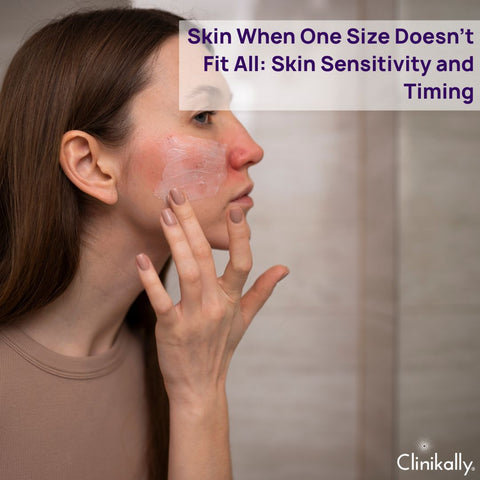
Skincare programs occasionally claim universal benefits, but your skin's sensitivity, tolerance, and biological cycle may make a one-size-fits-all approach ineffective or even hazardous. Customizing time and product strength is crucial for achieving results while avoiding irritation or imbalance.
Sensitivity and timing matter, your skin is not static. It varies depending on hormones, weather, and environment, stress, food, age, and skin barrier quality. That's why a practice that works for one person—or even you during one season—could backfire in another. Paying attention to your skin's present state and changing when and how you apply products is essential, especially when using active substances such as retinoids, exfoliants, or acids.
Sensitive skin is a condition, not a type, that is frequently caused by a damaged skin barrier, excessive use of harsh or incompatible chemicals, environmental exposure (sun, wind, pollution), and medical disorders. After using the product, you may experience burning or stinging, redness or blotchiness, and peeling, flaking, or tightness. If your skin reacts in unpredictable ways, it may require a slower rhythm and milder actives, as well as careful timing.
Combining Strategies: Can You Blend Skin Boosting with Cycling?
Combining skin boosting with skin cycling is not only doable, but it is frequently the most effective strategy for long-term skin health. Each method targets a different need: skin cycling encourages rejuvenation and clarity, whereas skin boosting enhances moisture, shine, and resilience. When used wisely, they work together to reduce discomfort and produce a balanced, high-performance regimen.
Combining strategies:
-
Skin cycling: Uses actives including AHAs, BHAs, and retinoids; focuses on exfoliation, cell turnover, and repair; and addresses issues like acne, pigmentation, and fine lines.
-
Skin-boosting: Topicals or injectables that provide moisture and nutrients. Strengthens the skin barrier and increases brightness. Suitable for dry, fatigued, or sensitive skin. Combining the two results in a corrective and restorative method that matches your skin's natural pattern of gentle stimulation followed by deep support.
The steps to incorporate skin boosting into a skin cycling practice are as follows:
-
Use boosters during recovery nights: Recovery evenings are all about barrier restoration, which is where skin boosting really shines. To employ hyaluronic acid serums, niacinamide to relax and brighten, peptides to strengthen collagen and ceramides, and panthenol to repair.
-
Hydrate before actives (Buffering Technique): If your skin is prone to irritation, apply a thin layer of a moisturizing serum (such HA or panthenol) before using retinol or exfoliants. This "buffering" method alleviates discomfort while still allowing actives to function.
-
Injectable skin boosters in between cycles: If you use in-clinic treatments like Profhilo, schedule them every 4-6 weeks, in between activity-heavy periods and during seasonal changes when the skin is stretched. Injectable skin boosters can magnify the effects of skin cycling by restoring moisture in deeper layers.
Layering Smart: What to Use and When
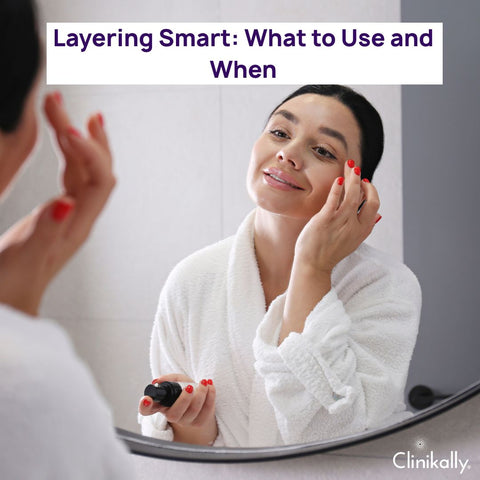
When combining skin cycling with skin boosting, how you stack your products is equally crucial as what you use. Layering ingredients carefully improves ingredient efficacy, reduces irritation, and guarantees that your skin receives exactly what it requires—when it needs it. Here's a wise layering approach to make the most of both tactics.
-
Night 1 (Exfoliation): Remove dead skin and prepare the skin for active absorption. Layering order: cleanser, optional hydrating mist/toner, exfoliation, hydrating serum, and moisturizer.
-
Night 2 (retinoid night): Increase cell turnover and collagen. Layering order includes cleansing, optional buffer step (first apply a small layer of hydrating serum or lightweight moisturizer), retinoid, hydrating serum, and moisturizer.
-
Nights 3 and 4 (healing and skin-boosting focus): Deep hydration, barrier repair, and glow enhancement. Layering Order: cleanser, hydrating toner or essence for moisture layering, booster serum (hyaluronic acid, peptides, niacinamide, and growth factors or panthenol), moisturizer (barrier-repair formula with ceramides, fatty acids, or shea butter), and optional treatment (overnight sleeping mask or facial oil).
Listening to Your Skin: Signs of Overuse or Underperformance
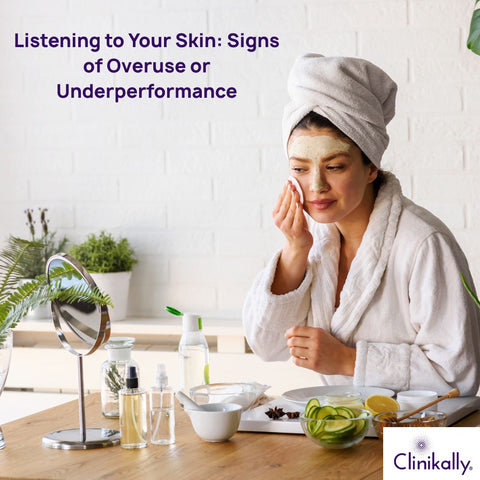
The goal is not to adhere to a strict schedule, but to react in real time. You can fine-tune your skin cycling and boosting routine for optimal clarity, resilience, and radiance without sacrificing comfort by learning to recognize signs of overuse vs. underperformance.
Building a Custom Weekly Skincare Plan
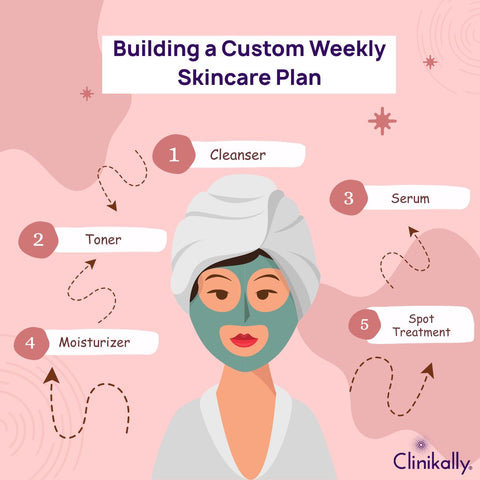
Creating a weekly skincare routine entails tailoring products and timing to your skin's specific needs rather than simply following trends. By combining skin cycling for renewal with skin boosting for hydration and radiance, you can create a routine that is organized yet adaptable, energetic yet relaxing. The adjustable framework to help you—whether you're a novice, intermediate, or advanced user—includes knowing your weekly skin goals, a weekly skin cycling and boosting plan (sample), selecting products by category, and customizing based on skin type. By creating a schedule that combines renewal and recovery and adapts to how your skin feels each day, you'll have a smart, sustainable regimen that brings out your skin's healthiest, glowiest version week after week.
Creating a Personalized Routine: Expert Tips to Maximize Your Skin Results
Every skin is unique, so your skincare should be as well. Whether you're cycling to promote rejuvenation or hydrating to build your barrier, personalizing is the key to achieving meaningful, long-term outcomes. To create a personalized routine that matches your goals, adapts to your needs, and reveals your skin's healthiest, most beautiful state.
-
Identify your skin's core needs.
-
Select your core actives and boosters wisely.
-
Plan out your weekly routine
Combining the focused rejuvenation of skin cycling with the nourishing depth of skin boosting, and tailoring your plan to your skin's real-time demands, you can develop a routine that is not only effective, but also sustainable, flexible, and entirely your own.