

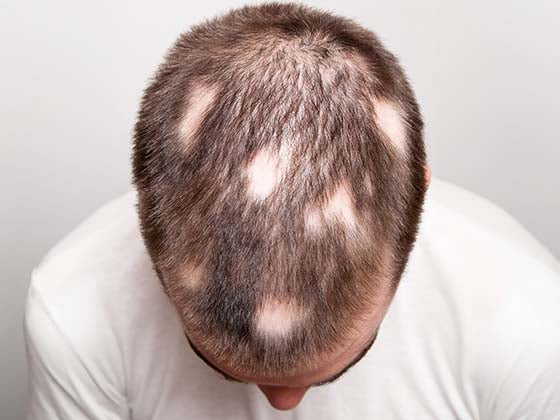


Summertime offers sunshine and warmth, but it can also damage your hair and scalp. Heat and humidity during the summer months can cause a variety of scalp concerns, including greasiness, irritation, and dandruff. A regular summer hair routine is essential for maintaining the health of your scalp and tresses. In this post, we'll look at how summer weather affects your scalp and offer some vital hair care summer suggestions to keep your scalp happy and healthy all season.
The Science of Summer Hair Washing: What Dermatologists Say

When it comes to summer hair washing, dermatologists stress the need of balancing scalp health and hair care practices. Summer's heat, humidity, chlorine, and saltwater may all have an impact on hair, so proper cleaning procedures are essential for keeping a healthy scalp. This is what dermatologists recommend:
-
Determine the appropriate washing frequency based on your scalp type.
-
Choosing shampoos that are gentle, hydrating, and free of sulfates.
-
Protecting against UV and chlorine/saltwater exposure.
-
Exfoliating your scalp on a regular basis can help to remove buildup.
-
Applying conditioner or leave-in treatments to control moisture and frizz.
Why Summer Affects Your Scalp: Heat, Sweat, and Buildup

Summer has a distinct effect on your scalp, owing to the heat, humidity, sweat, and greater exposure to factors such as sunlight, saltwater, and chlorine. Here's a closer look at why summer might harm your scalp and how these variables contribute to a variety of scalp and hair problems:
-
Increased sweat production: As temperatures rise, your body produces more sweat to stay cool. Sweat is more than just water; it contains salt and oils that can combine with the natural oils (sebum) produced by your scalp. The increased buildup of oils and sweat can result in a greasy, weighed-down feeling, making your hair appear limp or greasy much sooner than usual. The perspiration and oil mixture might clog your scalp's pores, perhaps causing scalp acne, folliculitis (inflammation of the hair follicles), or dandruff. This may cause scalp discomfort, itching, or irritation.
-
Humidity and increased oil production: The humidity in the summer causes your scalp to sweat more, which, along with increased oil production, produces the ideal setting for greasy accumulation. Excess sebum can also cause dandruff and exacerbate oily scalp disorders such as seborrheic dermatitis. While the scalp may get greasy, sun exposure can cause dryness at the ends of your hair. This creates a paradox: your scalp may feel greasy, but your hair may feel dry and brittle.
-
Sun exposure: Your scalp, like your skin, can be damaged by UV radiation, especially if you have thinning hair or spend a lot of time in the sun. Overexposure to UV radiation can dry out your scalp, causing irritation, redness, peeling, and sunburn. UV exposure can also weaken hair follicles, making them more prone to damage, breakage, and split ends. The direct sun can affect the structure of your hair, causing discolouration, dullness, and dryness.
-
Saltwater and chlorine exposure: Swimming in the water can remove moisture from your hair and scalp, leaving them dry and prone to irritation. Saltwater dehydrates the scalp, which can result in itching and flaking. Salt can also lead to product buildup or residue, leaving your hair feeling heavy or gritty. Chlorine in pools can produce similar problems. It depletes the scalp of its natural oils, resulting in dryness and potential damage. If you swim frequently, you may notice that your hair seems drier, brittle, or more prone to tangling. Chlorine can also irritate your scalp, causing irritation and flaking.
-
Product buildup: Summer typically means more time spent outside, and many people use hair styling products such as gels, sprays, and serums to counteract humidity or create beachy waves. These cosmetics can accumulate on the scalp over time, particularly in warmer weather when you sweat more. Product accumulation can block pores, resulting in scalp discomfort, dandruff, and, in some cases, hair loss. While SPF or sunscreen protects your scalp from UV radiation, they can also accumulate over time, resulting in buildup. If you don't wash your hair frequently enough, it can leave a sticky or oily residue that weighs it down and harms the health of your scalp.
-
Dryness and dehydration: Heat and sun exposure increase the likelihood of dehydration, affecting both your skin and your scalp. Dehydrated scalp skin can become flaky and tight, resulting in dandruff and irritation. If you don't hydrate correctly or use moisture-locking treatments, your scalp may get dry, tight, and flaky. Some summer hair treatments, such as clarifying shampoos or heat protectants, can cause dryness in both your hair and scalp, especially if they contain alcohol or sulphates. These substances deplete moisture, making your hair more prone to damage, breakage, and frizz.
-
Increased shedding and hair loss: Summer heat stress, dehydration, and hormonal fluctuations (which can be caused by dietary or routine changes) can all cause temporary hair loss. If you are anxious or do not properly care for your hair during the summer, you may notice greater shedding, which can lead to thinning or hair loss. While hats help protect your scalp from UV rays, excessive wear can cause scalp discomfort and even hair breakage. Excess friction can damage and break hair strands, particularly if the hat is constantly pressing against the scalp.
Understanding Scalp Needs: Balancing Cleanliness and Hydration

Understanding your scalp's needs is essential for maintaining healthy hair and avoiding typical scalp problems such as dryness, oiliness, itching, and irritation. Striking the perfect balance between cleanliness and moisture is critical to keeping your scalp in top shape. Here's how to balance these two important aspects of scalp care: recognizing your scalp type, determining the proper washing frequency, selecting the appropriate shampoo and conditioner, exfoliating the scalp, hydrating the scalp, managing product buildup, maintaining scalp health in the summer, and monitoring your scalp's response. By adjusting your scalp care regimen to its individual demands and achieving a balance between cleanliness and moisture, you can keep your scalp healthy, irritation-free, and in prime condition for optimal hair development.
Common Myths About Shampooing: Separating Fact from Fiction

Some common shampooing myths debunked to help you understand how to properly care for your scalp and hair:
- Myth 1: Washing your hair every day is necessary for cleanliness.
- Fact: Most people do not need to wash their hair every day, and it can be detrimental. Frequent shampooing, particularly with sulfate-containing shampoos, can deplete your scalp's natural oils, causing dryness, irritation, and increased oil production. For most people, washing their hair every 2-3 days is enough to keep it clean and healthy. If you have an oily scalp or do a lot of exercise, you may need to wash your hair more frequently.
- Myth 2: Shampooing removes all oils from the scalp.
- Fact: Shampoo removes debris, sweat, and extra oil from your hair, but it does not eliminate all of the oils. Healthy scalp oil (sebum) is crucial for keeping your hair wet and preventing it from environmental damage. Many shampoos, particularly those without sulfates, are designed to clean the scalp without totally eliminating the natural oils. If you use harsh shampoos too regularly, your scalp may get dry and inflamed.
- Myth 3: Shampooing with hot water opens pores, allowing for better cleansing.
- Fact: Hot water may seem pleasant, but it does not open your scalp pores to allow for a more thorough wash. The scalp does not have pores like your skin does. While hot water can help remove grease, it can also dry out your scalp, producing irritation or flakiness. Dermatologists advocate washing and rinsing your hair with lukewarm water to avoid drying out the scalp and hair.
- Myth 4: Sulfate-free shampoos do not cleanse your hair as well.
- Fact: Sulfate-free shampoos clean equally as well as normal shampoos. Sulfates (such as sodium lauryl sulfate) are harsh detergents that remove oil from the scalp, but they can also be drying and unpleasant to some people, particularly those who have sensitive or dry scalps. Sulfate-free shampoos contain softer surfactants that clean your hair without the harsh stripping effects of sulfates. They are a preferable option for people with sensitive skin or who wish to keep moisture in their hair.
- Myth 5: The more lather, the better the shampoo.
- Fact: How much foam your shampoo produces does not correspond with how thoroughly it cleans. Lathering is commonly caused by foaming chemicals (such as sulfates) in shampoo, which help disperse the substance throughout your hair. However, a shampoo with less froth might nonetheless effectively cleanse your hair. The trick is to pick a shampoo that works best for your hair type, rather than one that produces the most bubbles.
Benefits of a Tailored Summer Hair Washing Routine

Some of the main advantages of a customized summer hair-washing routine:
-
Scalp accumulation: A personalized practice, such as washing your hair more frequently or using clarifying shampoo, can help avoid buildup and keep your scalp clean. Exfoliating or using a gentle shampoo can help keep the pores open, promoting healthy hair growth and reducing irritation.
-
Hydration and moisture balance: By incorporating moisturizing products into your washing routine, such as hydrating shampoos, conditioners, and leave-in treatments, you can keep your hair and scalp well-hydrated. Including nourishing treatments in your routine helps restore moisture balance, prevents dryness, and keeps your skin soft and shiny.
-
Protects Against Sun Damage: A summer hair care regimen that includes UV-protective products or hats will help shelter your scalp and hair from the sun's harmful rays. Some shampoos and conditioners now have built-in UV protection, which can help prevent sun damage.
-
Controls oil and grease: A personalized routine for an oily scalp may include washing more frequently, using dry shampoo in between washes, or utilizing products formulated specifically for oily hair. Using a moderate, oil-controlling shampoo that removes excess sebum without stripping moisture keeps your hair looking fresh and clean all day.
-
Reduces frizz: A summer hair washing routine that includes anti-frizz shampoos or leave-in conditioners containing silicones, glycerin, or shea butter will help smooth down the hair cuticle, keeping frizz and flyaways under control. Rinsing with cool water after washing also helps to seal the cuticle, resulting in smoother, shinier hair.
-
Repair damage caused by chlorine and saltwater: A weekly deep conditioning treatment or hydrating mask routine can help repair and restore moisture to your hair. Clarifying shampoos can be used to remove chlorine or salt buildup, while moisturizing masks can replenish moisture lost after swimming.
-
Reduces sunburn or scalp irritation: Wearing protective caps or using SPF-containing hair products can help avoid sunburn on the scalp. A moisturizing shampoo and conditioner routine that includes mild, soothing ingredients (like as aloe vera or coconut oil) will help relieve inflammation and keep your scalp quiet.
-
Keeps hair color vibrant: A personalized hair care routine that includes color-treated shampoos and conditioners can help keep your color vibrant. UV filters and antioxidants help protect the hair from fading and keep the color appearing fresher for longer.
-
Improves scalp health: A summer routine that includes light scalp exfoliation with scrubs or shampoos containing salicylic acid or tea tree oil can help keep dead skin cells and debris off your scalp. The process promotes scalp circulation, which reduces irritation and helps to avoid dandruff and other disorders.
-
Improves hair texture and manageability: A summer hair care routine tailored to your hair type—curly, straight, wavy, or textured—can help it be more manageable overall. Using the proper leave-in conditioners, detanglers, and smoothing products keeps your hair soft, silky, and easy to style.
-
Reduces the risk of hair loss or thinning: A customized bathing practice that includes scalp massages with nourishing oils (such as rosemary or peppermint oil) can improve blood circulation to the scalp, thereby stimulating hair development. Regular washing also maintains hair follicles clean and clear of obstructions, which is necessary for healthy hair growth.
Maintaining Scalp Health: Preventing Irritation and Dryness

Keeping your scalp healthy is vital for avoiding dryness, irritation, and pain. Follow these techniques to maintain your scalp healthy, hydrated, and free of irritation: use gentle shampoos, moisturizing treatments, exfoliation on a regular basis, and wear sunscreen. A balanced approach to scalp care, combined with a healthy lifestyle, will promote long-term hair health and help you get the most from your hair care routine.
Promoting Hair Vitality: How Proper Washing Enhances Shine

Proper bathing, hydration, and scalp care are critical for restoring hair vitality and shine. You may improve your hair's natural shine and health by using mild, hydrating products, sticking to a consistent cleaning routine, and protecting it from injury. The secret to vivid, lustrous hair is to preserve hydration, keep the cuticle smooth, and avoid harsh treatments that might deplete your hair's natural radiance.
Avoiding Over-Washing: Protecting Natural Oils for Stronger Strands

Avoiding over-washing is one of the most critical stages in preserving your hair's natural oils, which are essential for thicker, healthier strands. When you wash your hair too frequently, you deplete it of the vital oils produced by your scalp, which are crucial for keeping it nourished, lustrous, and healthy. Allowing your scalp to retain these oils promotes healthier hair development, reduces breakage, and maintains the natural moisture balance that contributes to overall hair health. To avoid over-washing and protect your natural oils for stronger strands, which includes understanding your hair type and needs, wash with lukewarm water, use a gentle, sulfate-free shampoo, condition regularly to maintain moisture, use dry shampoo between washes, implement a scalp care routine, incorporate leave-in conditioners, avoid tight hairstyles that cause scalp discomfort, eat a nutrient-rich diet for scalp health, and be mindful of environmental factors.
Crafting Your Summer Hair Washing Schedule

Your summer hair washing schedule should be adaptable to changes in activity, weather, and hair needs. You can keep your hair healthy and beautiful without removing its natural oils by washing it less frequently, using the proper products, and using alternatives like dry shampoo. Pay attention to the state of your scalp and hair to determine which rhythm works best for you during the hot summer months.
Factors to Consider: Hair Type, Lifestyle, and Environment

When creating the ideal hair-washing routine, numerous elements must be considered that have a direct impact on how your hair behaves and responds to washing. Hair type, lifestyle, and environment all play important factors in determining how frequently you should wash your hair, what products to use, and how much extra care your strands require. These aspects and see how they affect your hair care routine.
-
Hair Type: Your hair type is one of the most essential considerations when establishing your appropriate washing regimen. It affects oil production, texture, moisture retention, and how your hair reacts to products. Here's how to adjust your regimen for different hair types, including fine or thin hair, curly or coarse hair, straight or thick hair, oily hair, and dry or damaged hair.
-
Lifestyle: Your lifestyle has a giant impact on how frequently you should wash your hair, especially in terms of exercise, everyday activities, and how much dirt, perspiration, or product accumulation you are exposed to.
-
Environment: The environment you reside in has a significant impact on how frequently you should wash your hair and what products you should use. Hair health is influenced by factors such as climate, pollutants, humidity, and sunlight exposure.
Dermatologist Tips: Choosing the Right Shampoo and Frequency

Some expert suggestions from dermatologists on choosing the finest shampoo for your hair and determining how frequently you should wash it:
-
Select a shampoo for your individual hair type and scalp condition. If you have dry or sensitive hair, avoid harsh substances like sulfates and use clarifying shampoos sparingly.
-
Wash your hair according to your scalp's oil production and hair type. Oily scalps may require more regular washing (every 2-3 days), whereas dry or coarse hair types benefit from washing once or twice a week.
-
To avoid overwashing, use dry shampoo on non-wash days and wash with lukewarm water.
-
Use clarifying shampoo sparingly, once a week or biweekly to remove buildup without drying out your hair.
-
Adjust your routine seasonally to account for changes in humidity, temperature, and lifestyle activities.
Following these dermatologist-approved tips will help you achieve healthier, more manageable hair and a balanced scalp without compromising the scalp's natural oils. Please let me know if you require any additional personalized advice.
Integrating with Your Routine: Combining Washing with Scalp Care

Combining your hair-washing routine with scalp care is critical for maintaining healthy, vibrant hair. A well-balanced strategy that includes appropriate shampooing and targeted scalp treatments can boost circulation, reduce dryness and oiliness, and promote healthier, shinier hair. Dermatologists underline that the condition of your scalp has a direct impact on the health of your hair; thus, focusing on scalp care is just as important as hair washing. Here's how to successfully mix both:
-
Begin with the appropriate shampoo: Choosing the right shampoo is the foundation of any effective scalp care routine. Choose one that meets the demands of your hair and scalp, such as oily scalps, dry or flaky scalps, and sensitive scalps.
-
Exfoliate your scalp: Your scalp, like your skin, requires exfoliation to eliminate dead skin cells, buildup from styling products, and excess oil that may clog hair shafts. Scalp exfoliation encourages healthy hair development and regulates oil production. You can exfoliate your scalp in two ways: physically and chemically.
-
Massage your scalp: During your hair-washing regimen, massage your scalp to help enhance blood circulation, which is necessary for healthy hair growth. A proper scalp massage distributes natural oils, prevents product buildup, and promotes relaxation.
-
Condition your scalp and hair: Conditioning your scalp and hair after shampooing is equally vital as cleansing. Conditioners are intended to replace moisture, smooth hair, and increase shine. However, not all conditioners are meant for scalp care, so choose the appropriate type for your needs.
-
Add scalp treatments: Scalp treatments can help with specific scalp problems. These treatments may offer specific answers for dandruff, dryness, oiliness, or hair loss. Dermatologists advocate treating dandruff, dry or irritated scalps, and hair thinning or loss.
-
Hydrate and protect your scalp: Your scalp needs protection against environmental pressures such as sunshine, pollution, and extreme temperatures. If you spend a lot of time outside, especially during the summer, use a scalp sunscreen or UV protectant spray exactly like you would on your skin.
-
Maintain a healthy diet: What you eat influences the health of your hair and scalp. Dermatologists recommend a well-balanced diet high in vitamins and minerals to promote hair development and scalp health. Omega-3 fatty acids, vitamin E, biotin, and vitamin D are essential nutrients for healthy hair.
-
Create a consistent routine: Consistency is essential for both shampooing and scalp care. Dermatologists advocate creating and following a regular hair-washing plan to ensure that you are providing the appropriate amount of care to your scalp and hair.
Personalized Summer Scalp Solutions: Your Path to Healthy Hair

Summer may be both beneficial and challenging for your hair and scalp. Hot temperatures, increased sweating, sun exposure, and pool chlorine all have an impact on the health of your scalp and hair. However, with a tailored strategy, you may address these issues and retain healthy, vibrant hair throughout the summer months.