



Vitamin D—the "sunshine vitamin"—is essential for our health, from strong bones to a resilient immune system. Despite its natural supply in sunlight, vitamin D deficiency is a global concern, impacting over a billion people. This blog will look at sunlight shortages and uncover the truth behind vitamin D deficiency.
Understanding the Root of Vitamin D Deficiency

Vitamin D is more than just a "sunshine vitamin"; it's a hormone-like substance that helps with bone strength, immunological health, mood management, and other functions. With insufficiency rates on the rise, it's critical to understand the underlying reasons for this current health hazard. Understanding the causes of vitamin D deficiency, which include restricted sun exposure, sunscreen and UV protection, geographic and seasonal factors, skin pigmentation, food, inadequate nutritional intake, and health and absorption concerns.
What is vitamin D and why is it essential?

Vitamin D is a fat-soluble vitamin that functions more like a hormone in the body. It's commonly referred to as the "sunshine vitamin" since your skin naturally creates it when exposed to sunlight, specifically ultraviolet B (UVB) rays. Vitamin D is essential for a variety of crucial processes.
-
Builds strong bones: Assists your body in absorbing calcium and phosphorus, both of which are required for bone formation. Prevents rickets in children and osteoporosis in adults.
-
Supports the immune system: Enhances your body's ability to combat infections and inflammation. Helps to reduce the risk of autoimmune diseases and respiratory illnesses.
-
Vitamin D regulates mood and mental health: Low levels have been linked to depression, fatigue, and mood swings. May alleviate symptoms of seasonal affective disorder (SAD).
-
Supports heart health: According to some studies, vitamin D regulates blood pressure and cardiovascular function.
-
Affects cell growth: influences gene expression and aids in the regulation of cell growth, repair, and immunity.
Common causes of deficiency in modern lifestyles

The common causes of vitamin D deficiency in modern lifestyles, and why they're so prevalent today:
-
Spending most time indoors: Most people spend the majority of their time indoors due to work, school, or digital entertainment. Without regular exposure to sunlight, the body cannot naturally manufacture enough vitamin D.
-
Widespread use of sunscreen: Sunscreen is widely used because it protects the skin but filters UVB rays, which are required for vitamin D production. Even SPF 15 can inhibit vitamin D production by as much as 95%.
-
Living in northern or urban areas: People who live in northern latitudes or in polluted cities frequently do not receive enough UVB throughout the year. Even full sun exposure during the winter months may not be adequate to stimulate vitamin D synthesis.
-
Wearing full-coverage clothing: Cultural or personal clothing choices that cover the majority of the skin limit sun exposure, especially when not supplemented with dietary sources or nutrients.
-
Darker skin tones: Melanin, the pigment in darker skin, naturally lowers the skin's ability to produce vitamin D. This makes deficiency more likely among BIPOC people, particularly in cooler areas.
-
Poor diet: A poor diet contains few natural sources of vitamin D. Plant-based, low-fat, or limited diets may not provide adequate nutrition.
-
Obesity: Vitamin D is fat-soluble and can become trapped in fat tissue, reducing its availability to the body. Higher doses may be required to achieve sufficient blood levels.
-
Aging: As we age, our skin's ability to synthesize vitamin D decreases. Older folks are also more prone to stay indoors and have dietary restrictions which can result in aging.
-
Chronic health conditions: Conditions that impair fat absorption (such as celiac disease, Crohn's disease, or IBS) can lower vitamin D levels. Kidney and liver problems may also impair the body's capacity to activate vitamin D.
At-risk groups and environmental factors

At-risk groups for vitamin D deficiency, as well as key environmental factors contributing to the problem:
Risk groups for vitamin D deficiency
-
Older adults: The skin's ability to synthesize vitamin D reduces with age. Frequently spend more time indoors. There may be dietary restrictions or absorption difficulties.
-
People with darker skin tones: Higher melanin levels inhibit vitamin D production. Increased risk, particularly in northern latitudes or places with limited sun exposure.
-
Infants and young children: Infants and young children have limited solar exposure due to preventive measures. If nursing, the mother's vitamin D status must be considered, as is the danger of rickets.
-
Pregnant and breastfeeding women: Pregnant and breastfeeding women have an increased need for vitamin D. Deficiency can impair prenatal growth and neonatal health.
-
People with limited sun exposure: People living in northern latitudes have limited exposure to the sun. People who work the night shift or are restricted indoors (for example, hospitalized or homebound).
-
Individuals with obesity: Obese people have vitamin D sequestered in their fat tissues. Higher dosages of supplements may be required.
-
People with specific medical conditions: Malabsorption syndromes (Celiac disease and Crohn's disease). Kidney or liver illness can limit vitamin D activation. Certain drugs impact vitamin D metabolism.
Environmental factors
-
Geographic location: Higher latitudes receive less UVB radiation, particularly during the winter months. UVB rays may not be sufficient for vitamin D synthesis for months.
-
Season and time of day: Vitamin D production peaks in the midday sun. UVB intensity is considerably reduced during the winter months.
-
Air pollution and urbanization: Polluted air reflects UVB rays. Tall buildings in urban areas limit the amount of sun exposure.
-
Climate and weather: Cloud cover and wet seasons reduce direct sunlight. Cold weather stimulates higher clothing coverage, resulting in less skin exposed.
-
Cultural practices: Clothing that covers the majority of the skin for religious or cultural purposes. Lifestyle choices that limit outdoor activities.
Spotting the Signs: How to Know If You’re Low on Vitamin D

Vitamin D deficiency can be difficult to diagnose because the symptoms are sometimes mild or misinterpreted as other conditions. Here's what to look for:
-
Fatigue and low energy: Feeling unusually weary after receiving appropriate rest. Chronic lethargy or a lack of motivation.
-
Bone and muscle pain: Aching bones or joints. Muscle weakness and cramping, particularly in the thighs, hips, and back.
-
Frequent illness or infection: Contracting colds, flu, or respiratory infections more frequently than usual. Vitamin D aids immunological protection.
-
Mood swings and depression: Feelings of melancholy or depression, particularly during the darker months. Low vitamin D levels have been linked to seasonal affective disorder (SAD).
-
Slow wound healing: Cuts, scrapes, or infections take longer to heal.
-
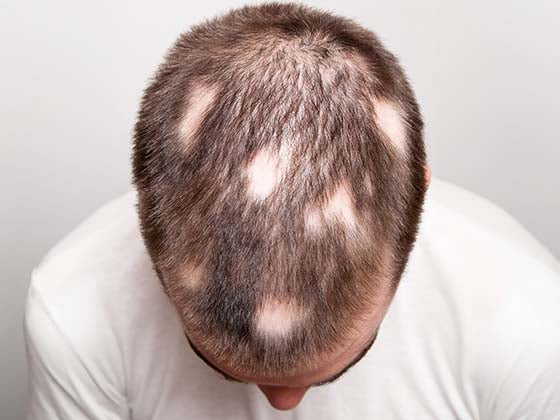
Hair loss: Unexpected hair thinning or shedding.
Physical symptoms you shouldn’t ignore

A list of physical symptoms associated with vitamin D insufficiency that you should not ignore—signs your body is urgently communicating a need for treatment.
-
Persistent bone pain or tenderness: A constant discomfort in the hips, ribs, or lower back. Adults may have osteomalacia (bone softening).
-
Muscle weakness or cramping: Difficulty ascending stairs or getting out of a chair. Muscle cramps and spasms occur frequently.
-
Frequent fractures or bone breaks: Frequent fractures or bone breaks occur when bones break more easily than predicted. A sign of poor bone structure due to chronic insufficiency.
-
Wound and infection healing delays: Cuts and bruises heal extremely slowly. Recurrent infections as a result of a reduced immune system.
-
Severe Fatigue or Chronic Exhaustion: Feeling extremely fatigued despite resting. Could have an influence on everyday functioning and quality of life.
-
Hair thinning or sudden hair loss: Visible thinning patches or excessive shedding.
Skin, mood, and immune system clues

breakdown of skin, mood, and immune system clues that might indicate vitamin D deficiency:
-
Skin Clues: Vitamin D regulates skin cell growth and repair, which is helpful for dry skin or flaky skin. Eczema or psoriasis flare-ups might exacerbate some skin problems. Slowly healing wounds, cuts, or irritations that last longer than expected.
-
Mood indicators: If you have a persistent poor mood or depression, vitamin D may alter neurotransmitters such as serotonin. Anxiety and irritability deficiencies may contribute to greater stress responses. Seasonal mood changes (SAD) are emotions of sorrow or lethargy that occur throughout the darker months.
-
Frequent colds or illnesses can be detected by the immune system: Vitamin D helps to activate immunological defenses. Longer recovery timeframes indicate illnesses or injuries that require longer time to resolve. Autoimmune symptoms: Vitamin D insufficiency is associated with an increased risk of autoimmune illnesses.
Long-term risks of undiagnosed deficiency

Long-term risks associated with undiagnosed vitamin D deficiency:
-
Bone disorders: Osteomalacia is the softening of bones in adults, which causes pain and fractures. Osteoporosis is characterized by reduced bone density and an increased risk of fracture, particularly in older adults. A severe deficiency in rickets causes growth delays and bone abnormalities in children.
-
Increased risk of chronic diseases: Cardiovascular disease has been linked to low vitamin D levels and hypertension. Deficiency may affect insulin sensitivity in people with type 2 diabetes. A higher risk of prostate, breast, and colon cancers is linked to certain cancers.
-
Compromised immune function: Compromised immune function increases your susceptibility to infections, autoimmune diseases, and inflammatory disorders. Poor vaccine response and prolonged illness recovery time.
-
Mental health consequences: An increased risk of depression, anxiety, and cognitive deterioration. A possible link to neurological illnesses such as Alzheimer's.
-
Muscle weakness and falls: Poor muscle function increases the risk of falls and injuries, especially in the elderly.
-
Complications of pregnancy: Deficiency is associated with preeclampsia, gestational diabetes, low birth weight, and impaired fetal development.
Best food sources and fortified options

The best natural food sources of vitamin D, along with common fortified options to help boost your intake:
-
Fatty fish (top natural sources) include salmon (wild-caught contains more vitamin D than farmed), mackerel, sardines, tuna, and trout.
-
Egg yolks contain modest amounts of vitamin D, and free-range or pasture-raised hens provide higher levels.
-
Mushrooms, particularly those exposed to UV light (such as maitake or UV-treated portobello), and plant-based sources, but not vitamin D2 (which is less potent than D3).
-
Fortified foods, which include many foods, are fortified to help meet daily vitamin D requirements, including dairy and plant-based milks (almond, soy, oat, and rice), breakfast cereals, orange juice, yogurt and cheese (sometimes), margarine, and butter substitutes.
-
Vegan and vegetarian choices include UV-exposed mushrooms, fortified plant milks and cereals, and vitamin D2 supplements (from yeast or fungi) or vegan D3 (from lichen).
Choosing the right supplement: D2 vs D3

A simple guide to understanding and choosing between vitamin D2 and D3 supplements:
-
Ergocalciferol (vitamin D2) is generated from plant sources such as fungus and yeast. Vegan supplements are commonly used. Vitamin D3 (Cholecalciferol) is typically obtained from animal sources, such as lanolin (sheep's wool). Also available from vegan-friendly sources, such as lichen. When your body is exposed to sunshine, it naturally generates this form.
-
Effectiveness, which includes D3, is generally more effective and lasts longer in boosting and sustaining vitamin D levels in the bloodstream. D2 may be less stable and break down more quickly in the body.
-
Vegan and vegetarian. Considerations that contain D2 supplements are usually typically vegan-friendly. D3 supplements can be vegan if made from lichen; otherwise, they are animal-derived. If you strictly adhere to a plant-based diet, check the label to ensure the source.
Solutions That Work: From Sunlight to Supplements

Practical guide on effective ways to maintain healthy vitamin D levels—from natural sunlight to smart supplementation.
-
Safe sun exposure: Allow for 10-30 minutes of noon sun on bare skin several times per week. Timing varies according to skin tone, region, and season; darker skin requires longer time. Avoid sunburn and weigh the benefits against the danger of developing skin cancer.
-
Vitamin D-rich foods: Eat fatty fish (salmon, mackerel), egg yolks, and UV-exposed mushrooms often. For optimal absorption, combine fortified meals such as plant milks, cereals, and orange juice with healthy fats like avocado and olive oil.
-
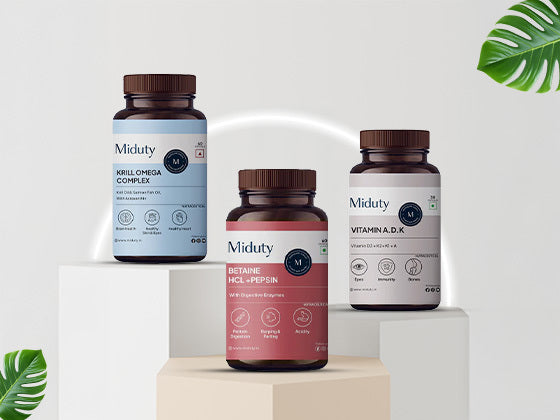
Supplement wisely: If you have limited sun exposure or risk factors, consider taking vitamin D supplements. For optimal effectiveness, choose D3 (ideally vegan if necessary) and adhere to dosage recommendations based on blood tests or healthcare advice.
-
Regular monitoring: If you are at risk or experiencing symptoms, have a blood test for 25-hydroxyvitamin D. Adjust your lifestyle or supplements based on the results, and retest annually or as recommended.
-
Lifestyle tips: Spend time outside every day, even if it's just for a short walk. Maintain a well-balanced diet rich in components that promote vitamin D function (calcium, magnesium, and vitamin K2). Manage your weight, as more body fat can lower vitamin D availability.