Unlocking the Skincare Benefits of Matsutake Mushroom
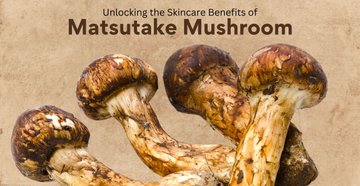
Owing to their many health advantages, matsutake mushrooms—known for their unique flavor and culinary value—are currently becoming more and more well-liked in the cosmetics sector. The advantages of matsutake mushrooms for skincare are discussed in this blog.
Understanding Matsutake Mushroom: A Precious Ingredient
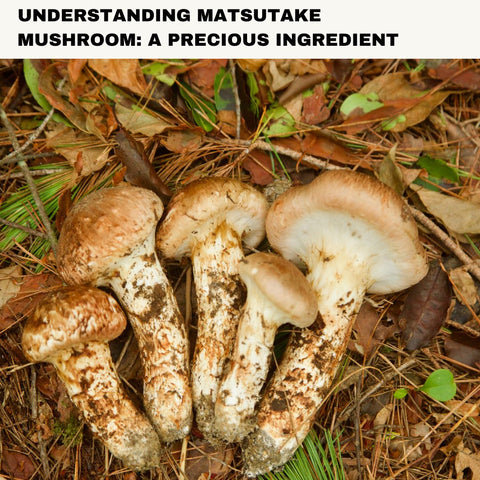
A useful component for skincare and cooking alike is matsutake mushrooms. They are a priceless complement to any wellness regimen because of their distinct flavor, high nutritional content, and advantageous qualities. Matsutake mushrooms have the potential to improve both health and appearance, whether they are used in cosmetic products or consumed in fine dining.
What is Matsutake Mushroom?
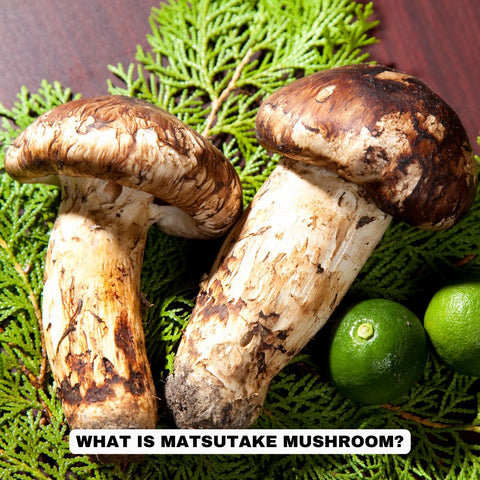
In addition to being delicious, matsutake mushrooms are a useful food that may have health advantages. Foodies and health-conscious people find them intriguing due to their distinct flavor, nutritional profile, and ecological significance. Matsutake mushrooms have a unique role in many cultures and cuisines, whether they are appreciated in a fine dining setting or investigated for their potential health benefits.
The Unique Properties of Matsutake Mushroom
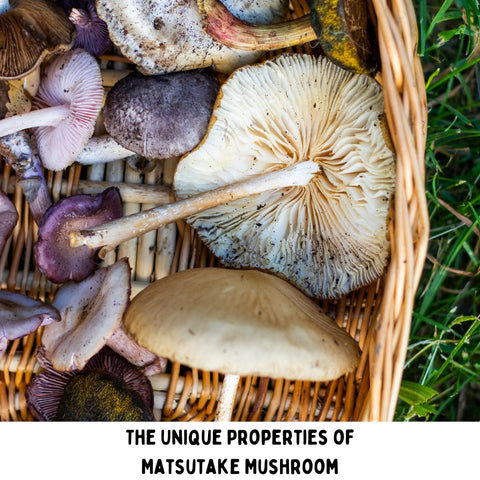
Matsutake mushrooms are highly valued for their distinct features, particularly in traditional Japanese and Korean culture, where they are both a culinary delicacy and a natural health element. Matsutake mushrooms are distinguished by their scarce and seasonal availability, high nutrient content, significant antioxidant qualities, natural skin-brightening agents, adaptogenic and immune-boosting properties, distinct taste and flavor, and status as an ecological indicator species.
How Matsutake Mushroom is Harvested and Processed
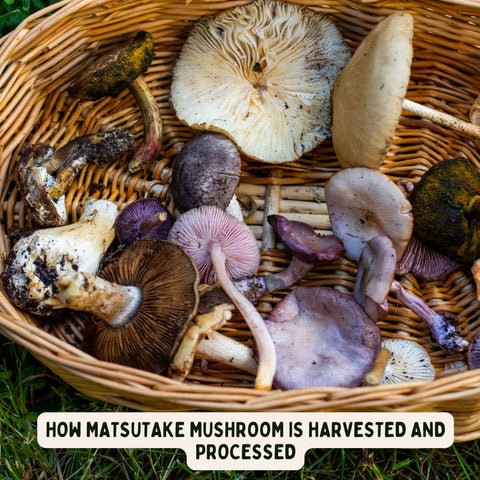
Harvesting matsutake mushrooms is a time-consuming procedure that highlights the fragile balance between nature and human consumption. Their rarity, distinct aroma, and profound advantages have made them a highly sought-after ingredient, which must be handled carefully to ensure quality for culinary, cosmetic, and health uses.
The Multifaceted Benefits of Matsutake Mushroom for Skin
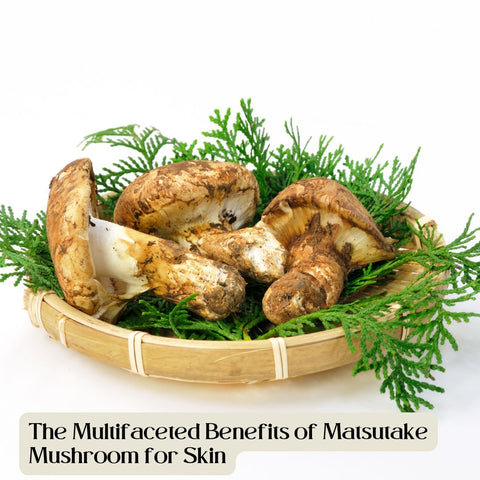
Because of its powerful natural components that complement one another to improve skin health, this unusual fungus has gained appeal in the cosmetics industry. The benefits of matsutake mushrooms for the skin include skin brightening and even tone, anti-aging qualities, moisturising and moisturizing, relaxing and anti-inflammatory, protection against environmental damage, preservation of the health of the skin barrier, detoxification, and cleansing.
Antioxidant Power: Protecting Skin from Damage
- Neutralizing Free Radicals: Unstable molecules known as free radicals are produced when people are under stress, exposed to UV radiation, or polluted. They accelerate the aging process by causing oxidative stress, which kills cells. Antioxidants like ergothioneine and selenium found in matsutake mushrooms counteract free radicals. By lowering oxidative stress, this lessens the visibility of dullness, wrinkles, and fine lines.
- Preventing Premature Aging: Free radicals can harm collagen, the protein that keeps skin tight and supple. Antioxidants protect collagen, which helps to maintain the skin's structure and prevents drooping and deep wrinkles. Antioxidants help to maintain skin firm and youthful by protecting it from cellular damage.
- Reducing Inflammation: Matsutake mushrooms contain anti-inflammatory antioxidants that help to reduce redness, swelling, and skin irritation. This is especially good for people who have sensitive skin or suffer from acne, rosacea, or eczema. A robust skin barrier minimizes the risk of inflammation. Antioxidants provide a healthy skin barrier, preventing allergens from penetrating and creating flare-ups.
- Sun Damage: One of the primary causes of free radicals, which cause sunspots, hyperpigmentation, and decreased skin suppleness, is UV exposure. A protective coating of antioxidants, such as those found in matsutake mushrooms, helps prevent UV damage and pigmentation problems. In addition to providing protection, antioxidants aid in the healing of damaged cells. This ability to heal is particularly helpful for sun-induced fine wrinkles, spots, and inconsistencies in texture.
- Brightening and Evening Out Skin Tone: Damage from free radicals can lead to an excess of melanin, which can result in uneven skin tone and black spots. Kojic acid, a naturally occurring antioxidant found in matsutake mushrooms, brightens skin and lessens discoloration by lowering the formation of melanin. Antioxidants promote cell turnover, which eliminates damaged or dead cells to expose youthful, glowing skin underneath. This gives the skin a healthier, more radiant appearance and increases its clarity.
- Supporting Moisture Retention: By protecting the skin barrier, antioxidants also enhance its ability to retain moisture. A well-hydrated barrier minimizes water loss and keeps skin hydrated, plump, and resilient against environmental stressors. Environmental factors can strip the skin of moisture. Matsutake’s antioxidants help lock in hydration, preventing dehydration and improving skin texture.
Deep Hydration: How Matsutake Nourishes the Skin
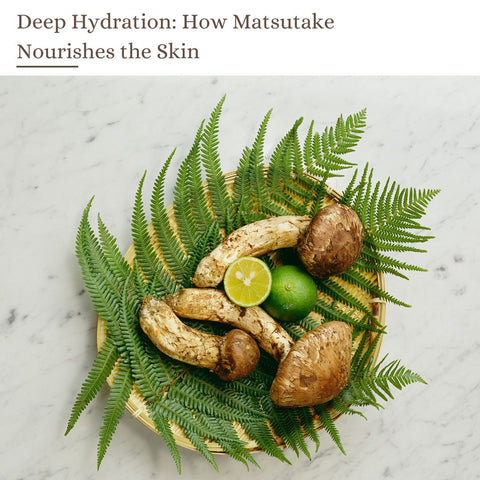
The capacity of matsutake mushrooms to deeply hydrate and nourish the skin makes them a widely prized ingredient for creating robust, plump, and smooth skin. Matsutake mushrooms are a unique source of beta-glucans, polysaccharides, and other nourishing components that give long-lasting and instant hydration.
Anti-Aging Properties: Reducing Fine Lines and Wrinkles
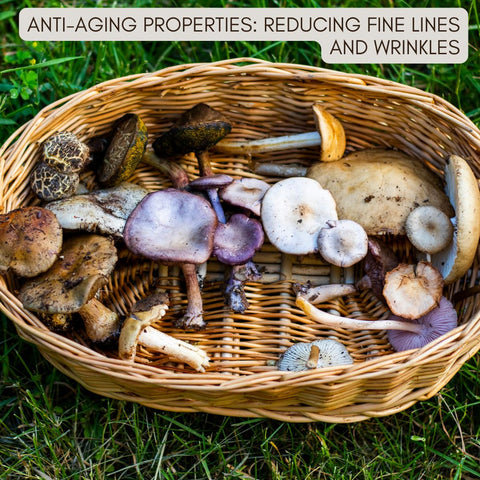
- Serums and Essences: Use matsutake-infused serums or essences to deliver concentrated anti-aging benefits directly to the skin, helping to reduce wrinkles and fine lines.
- Eye Creams: Since fine lines often appear around the eyes first, an eye cream with matsutake extract can target delicate skin and diminish crow’s feet.
- Night Creams and Moisturizers: Applying a matsutake-enriched moisturizer before bed allows the skin to repair and renew overnight, with ingredients that work to prevent collagen breakdown.
- Face Masks: A weekly matsutake mask provides a concentrated dose of hydration, antioxidants, and soothing compounds that leave the skin firm and glowing.
Incorporating Matsutake Mushroom into Your Skincare Routine
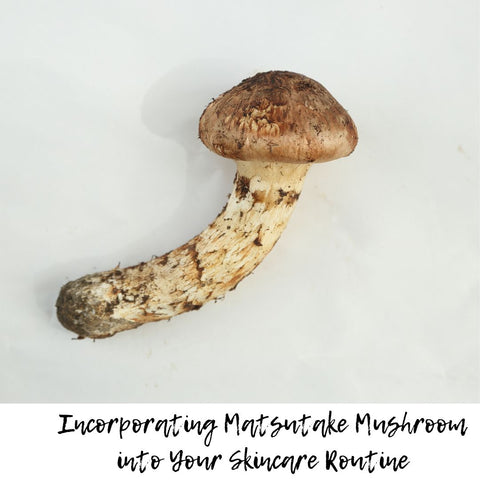
- Cleansers: Antioxidant effects can begin at the beginning of your regimen with a mild cleanser that contains matsutake. All skin types can benefit from the mushroom's anti-inflammatory qualities, which aid in cleansing without irritating or peeling the skin.
- Toners and Essences: Matsutake extract-based toners and essences hydrate the skin and prepare it to absorb the next active ingredients. Additionally, kojic acid from matsutake can help lighten dark spots and uneven skin tone, making the skin appear more vibrant.
- Serums: Because serums are so concentrated, they are a great way to provide the potent anti-aging and moisturizing benefits of matsutake. They make it possible for minerals, beta-glucans, and antioxidants to work efficiently against dryness, wrinkles, and fine lines.
- Eye Creams: Matsutake mushrooms help reduce puffiness, fine lines, and dark circles, which are common around the eye area. The antioxidant and hydrating effects work particularly well on the thin, delicate skin around the eyes.
- Moisturizers: Moisturisers enhanced with matsutake help keep skin hydrated all day long by retaining moisture and forming a barrier of defence. The polysaccharides in the mushroom improve suppleness and decrease water loss by strengthening the skin's natural barrier.
- Face Masks: A concentrated boost of moisture, antioxidants, and brightening effects can be obtained with a face mask infused with matsutake. Deep nourishment and brightness are provided by this weekly treatment, which aids in skin renewal and refreshment.
- Night Creams or Sleeping Masks: Nighttime is the perfect opportunity to maximize matsutake’s skin-repairing benefits.
- Sunscreen: The antioxidants in matsutake can supplement your sunscreen to offer an additional line of defence against UV radiation and environmental stressors. Matsutake improves the skin's resistance to free radicals, although sunscreen is crucial for avoiding photoaging.
DIY Recipes: Crafting Your Own Matsutake Skincare Products
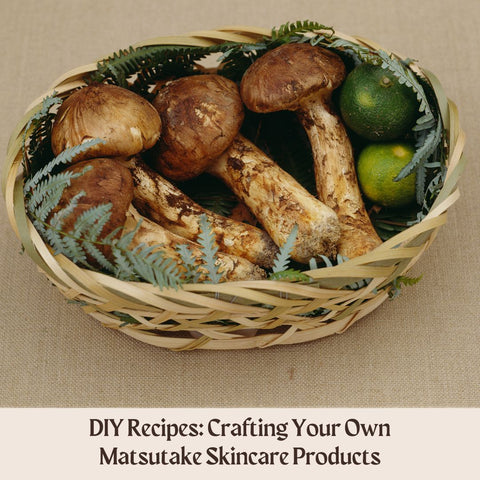
- Matsutake Mushroom Hydrating Face Serum: Ingredients are 1 tbsp matsutake mushroom powder or matsutake mushroom extract, 1 tbsp aloe vera gel, 1 tbsp rose water and 3-4 drops of hyaluronic acid (optional, for extra hydration). In a small bowl, mix the matsutake powder or extract with aloe vera gel until smooth. Add rose water and mix well. If using, add a few drops of hyaluronic acid and stir. Transfer the mixture to a clean dropper bottle. Apply a few drops to your face after cleansing and toning, gently massaging it into your skin.
- Matsutake Mushroom Brightening Face Mask: Ingredients are 1 tbsp matsutake mushroom powder, 1 tsp turmeric powder (for brightening), 2 tbsp yogurt (for exfoliation and hydration), and 1 tsp honey (for hydration and antibacterial benefits). Combine the matsutake powder and turmeric in a bowl. Add yogurt and honey to the bowl, mixing well until a smooth paste forms. Apply the mask to your face, avoiding the eye area, and let it sit for 10-15 minutes. Rinse with lukewarm water and pat your skin dry.
- Matsutake Mushroom and Green Tea Toner: Ingredients are 1 cup brewed green tea (cooled), 1 tbsp matsutake mushroom extract or powder, 1 tsp apple cider vinegar (optional, for pH balance), and 5-6 drops of tea tree oil (optional, for acne-prone skin). Brew green tea and let it cool completely. Add matsutake mushroom extract or powder, and stir until dissolved. Add apple cider vinegar and tea tree oil if desired, mixing well. Pour into a spray bottle and shake gently before each use. After cleansing, spray the toner onto a cotton pad and gently pat it onto your skin, or spritz directly on your face.
Matsutake Mushroom in Commercial Skincare: What to Look For
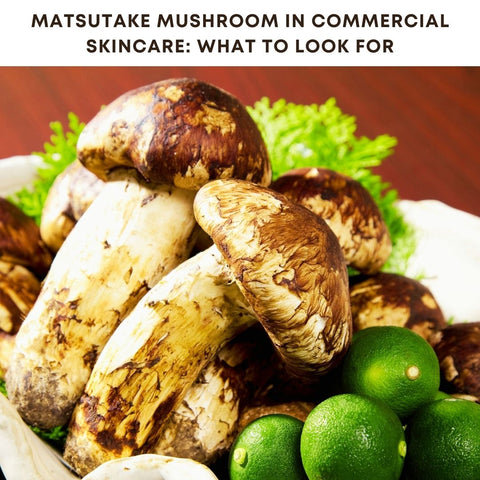
- Look for Active Matsutake Extracts: Ensure that “matsutake mushroom extract” or “matsutake mycelium extract” is listed among the main ingredients. This suggests that the product contains a higher concentration of matsutake and will likely deliver better results. Ingredients are listed in order of concentration. Ideally, matsutake extract should be among the first few ingredients for maximum efficacy, particularly in serums, toners, and creams.
- Complementary Ingredients for Enhanced Effects: Look for products that combine matsutake with ingredients like retinol, peptides, or niacinamide. These ingredients work together to smooth fine lines and boost collagen production, enhancing matsutake’s natural anti-aging properties. Matsutake pairs well with hyaluronic acid and glycerin. These humectants attract moisture, helping the skin retain hydration and keeping it plump and dewy. Kojic acid, naturally found in matsutake mushrooms, is a gentle skin-brightening agent. If brightening is your goal, look for formulations that combine matsutake with vitamin C or arbutin to help fade dark spots and even out skin tone.
- Check the Formulation Type: These products are ideal for delivering concentrated matsutake benefits. Serums penetrate deeply and are suitable for anti-aging and hydration, while essences prepare the skin to absorb subsequent skincare steps more effectively. A matsutake-infused cream provides hydration and forms a protective barrier, especially helpful for sensitive or dry skin. Night creams with matsutake are particularly effective as they allow the mushroom’s nutrients to work overnight. Masks with matsutake mushroom extract offer a high concentration of benefits and are great for a weekly skin reset, leaving the skin refreshed, hydrated, and radiant.
- Consider Skin Type and Sensitivity: Matsutake mushrooms are naturally soothing and anti-inflammatory, making them a good choice for sensitive skin types. Look for matsutake products that are free from added fragrances, alcohol, and other potential irritants to ensure a gentle experience. Matsutake’s hydrating, non-oily properties make it suitable for acne-prone skin. Products combining matsutake with niacinamide, salicylic acid, or tea tree oil can further help control oil and prevent breakouts while keeping the skin hydrated.
- Look for Certifications and Quality Markers: Choosing matsutake mushroom products with organic or “clean beauty” certifications can ensure that you’re avoiding harmful chemicals and that the mushrooms were cultivated without pesticides or synthetic additives. Matsutake mushrooms are rare and prized, so sustainability in sourcing is essential. Brands that emphasize ethical and eco-friendly sourcing for matsutake and other ingredients may help support sustainable skincare choices.
- Pay Attention to Packaging: Matsutake mushroom products with antioxidants are best stored in opaque or UV-protected containers, as light exposure can degrade these compounds. Look for products with airless pumps or tightly sealed containers to maintain product freshness and potency. Natural matsutake mushroom extracts can degrade over time, so check the expiration date. Products with matsutake should be stored in cool, dry places, and creams and serums might last longer in the fridge.
- Research Brand Transparency and Testing: Many high-quality brands will conduct studies or lab tests to verify the effectiveness of matsutake and other active ingredients in their formulations. Look for brands that provide transparency on testing and ingredient efficacy. User reviews can provide insight into the product's performance on different skin types and concerns. Pay attention to feedback on how matsutake products impact hydration, texture, and radiance.
Tips for Safe Use of Matsutake Mushroom in Skincare
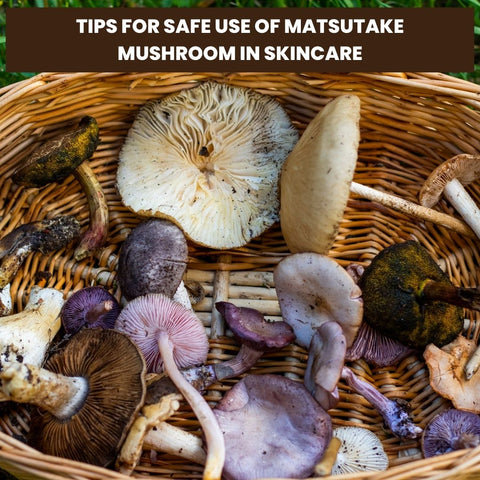
When incorporating matsutake mushrooms into your skincare routine, whether through DIY recipes or commercial treatments, it is critical to consider safety and efficacy. Some advice from dermatologists to ensure safe use and maximize the advantages of matsutake mushrooms in your skincare regimen is: perform a patch test, choose quality products, start slowly, monitor skin reactions, use in appropriate concentrations, and avoid mixing with certain actives. Store properly, consider your skin type and conditions, stay informed about the ingredients, and be patient. Following these guidelines will allow you to incorporate matsutake mushrooms into your skincare routine safely and effectively, improving the health and appearance of your skin while reducing the chance of negative reactions.
Matsutake Mushroom for Holistic Skincare: Personalized Tips
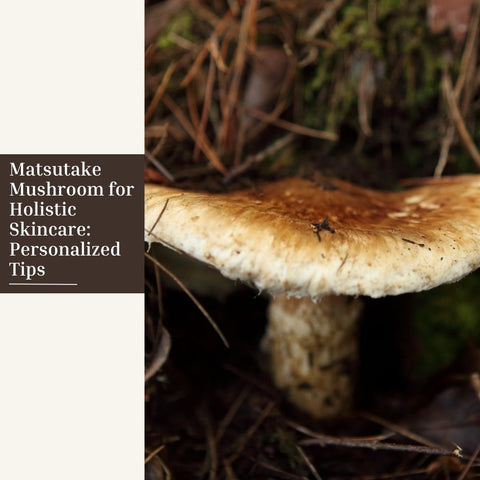
Incorporating matsutake mushrooms into a holistic skincare routine may be a transforming experience, as they have unique characteristics that promote not only skin health but also overall well-being. Personalized skincare considers your skin type, issues, and lifestyle. Some tailored tips for using matsutake mushrooms in your holistic skincare approach include knowing your skin type, personalizing your routine, using DIY recipes, mindful application techniques, incorporating internal wellness, seasonal adjustments, embracing holistic practices, monitoring and adjusting, and using sustainable and ethical products. By adjusting your use of matsutake mushrooms to your specific skin needs and including them in a holistic approach, you may improve your skincare regimen and promote overall health.