Tannic Acid: A Natural Compound with Powerful Benefits
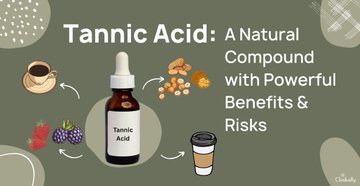
Tannic acid is a naturally occurring polyphenolic molecule found in many plants, including tea, coffee, nuts, and berries. For millennia, it has been used in medicine, tanning leather, and as a flavoring agent. This blog provides an overview of tannic acid, a natural chemical with significant benefits.
What is Tannic Acid? Understanding Its Role and Properties

Tannic acid is a polyphenol, specifically a hydrolysable tannin. It is a naturally occurring substance present in many plants, particularly the bark and leaves, as well as unripe fruits, nuts, and some types of wood (such as oak). It is famous for its astringent properties—the dry, puckering sensation it causes in the mouth—which stem from its propensity to bind and precipitate proteins.
The Chemistry of Tannic Acid: How It Works

Tannic acid functions through a series of complex chemical interactions, including binding, chelation, precipitation, and scavenging. Its shape enables it to interact strongly with biological molecules, explaining both its utility and possible hazards.
Natural Sources of Tannic Acid: Where It’s Found
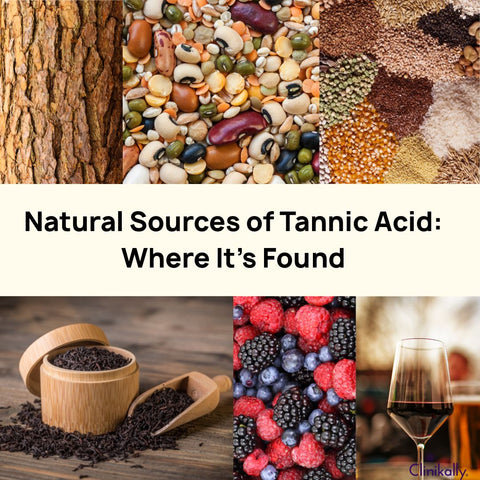
Tannic acid is widely dispersed across the plant kingdom, serving as a natural defense mechanism in many species. It contains a high concentration of plant components that repel herbivores, including bark, leaves, and unripe fruit. Here's where it can be found in nature and in everyday life.
-
Tree barks and galls: Some of the richest sources of tannic acid come from trees such as oak bark (particularly Quercus species), chestnut bark, sumac leaves and stems, and tree galls (such as Aleppo galls, which are formed by insects in oak trees).
-
Tea leaves: Tannic acid is an important component in black tea (fermentation increases tannin concentration), green tea (which contains tannins but at a lower level than black tea), and oolong tea. The astringency of strong tea is mostly attributable to tannic acid and related tannins.
-
Fruits and Berries: Tannic acid is naturally found in many fruits, particularly when unripe, including grapes (particularly red/purple skins), pomegranates, persimmons (especially unripe ones), berries (blackberries, cranberries, strawberries), and bananas (when green).
-
Wine and beer: Tannins in red wine are derived from grape skins, seeds, and stems (and occasionally from the oak barrels in which it is aged). Beer (especially artisan varieties with additional botanicals) may include trace tannins from hops or wood-aging processes.
-
Nuts and legumes: Walnuts, pecans, hazelnuts, and acorns—are highly high in tannins. Some beans, like fava beans or lentils, are usually leached before consumption.
-
Grains and seeds (in lower amounts): While not in substantial numbers, some grains and seeds may contain trace tannins, particularly in the outer layers (bran/hull).
-
Herbal remedies and plants: Tannic acid is found in several therapeutic herbs used in traditional medicine, including witch hazel, yarrow, and guarana. These are commonly used for their astringent and anti-inflammatory qualities.
Traditional Uses and Modern Applications
Tannic acid is a great example of how ancient wisdom continues to affect modern science. Its diverse applications, from wound therapy to wine refining, indicate its distinct chemistry and long-term value.
Health and Skincare Benefits of Tannic Acid
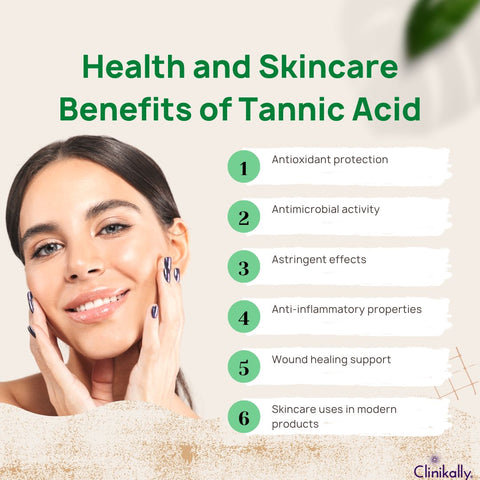
Tannic acid is more than simply a plant defensive molecule; it has a variety of health and skincare advantages. Because of its astringent, antioxidant, antibacterial, and anti-inflammatory characteristics, it has been used in traditional medicines for ages and is now gaining popularity in modern health and dermatology.
-
Antioxidant protection: Tannic acid provides antioxidant defense by neutralizing free radicals, which are unstable chemicals that contribute to aging, inflammation, and chronic diseases. Benefit: protects cells from oxidative damage. Use in skincare helps prevent premature aging and promotes skin restoration.
-
Antimicrobial activity: Tannic acid contains natural antibacterial, antifungal, and antiviral effects. Health benefits: improves wound healing and reduces infection risk. Use skincare to cure acne, small wounds, and skin irritations.
-
Astringent effects: Tannic acid, an astringent, constricts tissues, decreasing inflammation and tightening skin. Controlling moderate bleeding and soothing inflamed areas are among the health benefits. Skincare benefits include tighter skin, smaller pores, and less oiliness.
-
Anti-inflammatory properties: It alleviates redness, swelling, and irritation, making it useful for both internal and exterior inflammation. It may help with sore throats, ulcers, and intestinal issues. It soothes inflamed or sensitive skin (excellent in toners and aftershave balms).
-
Wound healing support: Tannic acid promotes faster clotting, protein binding, and microbial protection, making it ideal for first aid treatments. It appears in ointments, creams, and herbal wraps. It may help with burns, blisters, scrapes, and minor skin injuries.
-
Skincare uses in modern products: Tannic acid is used in toners and facial mists to shrink pores and reduce shine, anti-aging serum for antioxidant and firming benefits, spot treatments for blemishes or irritated regions, and masks and peels to detoxify and tighten the skin.
Antioxidant and Anti-Inflammatory Properties
Tannic acid is a naturally occurring plant polyphenol known for its strong antioxidant and anti-inflammatory properties. These two qualities are the core of its value in both healthcare and skincare—they promote cell preservation, healing, and resilience.
Antioxidant properties
Free radicals are connected to aging, inflammation, and diseases such as cancer and cardiovascular disease. Tannic acid counteracts them by:
-
Scavenging free radicals: Scavenging free radicals by donating hydrogen atoms from its phenol groups to neutralize reactive oxygen species (ROS). It decreases oxidative stress on the cellular level.
-
Metal ion chelation: Metal ion chelation binds metal ions such as iron and copper, which promote free radical production. Prevents chain reactions from damaging DNA and proteins.
-
Maintaining cellular integrity: It aids in the structure and function of the skin, tissues, and organs. It's utilized in anti-aging formulations and cell-protective medicines.
Anti-inflammatory properties
Inflammation is a normal defense mechanism, but prolonged inflammation can be dangerous. Tannic acid regulates it by:
-
Inhibiting inflammatory pathways: Inhibiting inflammatory pathways reduces the release of pro-inflammatory cytokines, such as TNF-α and IL-6. Downregulates enzymes like COX-2 that cause inflammation.
-
Reducing tissue swelling and redness: Particularly beneficial for irritated skin, sore throats, and inflammatory bowel problems. Topically applied, it soothes eczema, rashes, and burns.
-
Modulating immune response: Promotes a healthy immunological response without overactivation. It may help with autoimmune diseases or allergy relief.
Tannic Acid in Skincare: Effects on Skin Health
Tannic acid has quietly become a standout ingredient in skincare, thanks to its natural astringency, antioxidant power, and soothing properties. Whether you're dealing with acne, sensitive skin, or early signs of aging, this plant-derived polyphenol offers targeted benefits for a wide range of skin concerns.
-
Tightens and tone the skin (astringent effect): It constricts skin cells and pores, resulting in a smoother texture. It minimizes oiliness and shine—ideal for oily or acne-prone skin. It is commonly found in toners, essences, and mists.
-
Fights outbreaks and germs: Its antibacterial properties aid in the battle against acne-causing bacteria. It can help reduce irritation around pimples. It promotes cleaner skin without overdrying it (when correctly made).
-
Reduces redness and inflammation: Treats rosacea, eczema, and shaving irritation. It is commonly found in sensitive skincare products like aftershaves and moisturizers.
-
Protects against environmental damage: Strong antioxidants protect against pollution and UV-induced stress. Reduces oxidative damage that causespremature aging (fine lines and wrinkles).
-
Supports skin healing: It accelerates the healing of small wounds, burns, and skin irritation. It is commonly found in first-aid lotions, burn gels, and herbal ointments.
How Tannic Acid Supports Gut and Digestive Health

Tannic acid, a plant-derived polyphenol, provides several digestive health benefits in addition to its skin and wound healing effects. Because of its astringent, anti-inflammatory, and antibacterial properties, it has long been used in traditional medicine to relieve gut discomfort, combat infections, and restore digestive equilibrium.
-
Tannic acid has a natural astringent effect, which tightens and tones tissues. How it helps to contract the stomach lining, resulting in less discomfort and minimal bleeding. Effective against intestinal inflammation, diarrhea, and leaky gut. Traditionally, decoctions made from tannin-rich bark or leaves have been used for ages to alleviate diarrhea.
-
Tannic acid can suppress the growth of dangerous bacteria, viruses, and fungus, such as E. coli, Salmonella, and Candida albicans.
-
It lowers inflammatory mediators such as TNF-α and COX-2, which contribute to gut pain and disorders like IBS, gastritis, and ulcerative colitis. Tannic acid, which reduces inflammation, may help with cramping, bloating, and intestinal pain.
Potential Side Effects and Safety Considerations

Tannic acid is a naturally potent chemical that, like many other powerful plant-based medicines, should be taken with caution and moderation. When used properly, it has relatively minor and avoidable negative effects, particularly when derived from natural foods or topical treatments.
Possible Toxicity and Safe Usage Guidelines
Tannic acid, when used correctly, can provide a number of health and skincare benefits while offering few hazards. Moderation is essential, especially when used in concentrated forms, either topically or orally. If in doubt, please consult a healthcare practitioner before taking tannic acid supplements or high-dose herbal treatments.
Allergic Reactions and Sensitivities

Tannic acid, while useful to many, might induce allergic reactions or skin sensitivities in certain people. These reactions might range from minor discomfort to severe, systemic effects. Understanding how to identify and control these sensitivities is critical for safe operation.
-
Patch testing for topical goods: Before using tannic acid-containing products (such as serums, toners, or masks), perform a patch test on a small area of skin (for example, inside the elbow). Wait 24 hours to see if inflammation, redness, or swelling develops. If any of these symptoms appear, discontinue use immediately.
-
Mild skin irritation: If your skin becomes irritated or red, use a moderate moisturizer or relaxing cream to soothe it. Calamine lotion or hydrocortisone cream (1%) can help alleviate irritation and swelling.
-
Severe reactions (Anaphylaxis): If you have facial swelling, trouble breathing, or chest tightness, get medical assistance right once. Epinephrine (EpiPen) may be required in severe allergic responses. People who have a known tannic acid sensitivity should carry an EpiPen as a precaution.
-
Oral sensitivities: If you feel gastrointestinal distress, nausea, or vomiting after drinking foods or beverages containing tannic acid (such as tea or wine), discontinue intake immediately. If your symptoms continue, see a doctor.
Who Should Avoid Tannic Acid? Precautions to Consider

Tannic acid is generally safe in moderate doses in food, but if you are one of these sensitive populations, exercise caution. Before beginning to use tannic acid supplements or therapies, see your doctor.
Final Thoughts: Is Tannic Acid Right for You?

Tannic acid is a naturally occurring chemical having several health, skincare, and traditional applications. Its astringent, antioxidant, and anti-inflammatory characteristics make it an effective ingredient in a wide range of items, including herbal medicine and cosmetics. However, as with every active substance, it has benefits, limitations, and risks, and it is not suitable for everyone.