The Hidden Aggressors: Smoking and Alcohol's Assault on Skin Wellness
Smoking and excessive alcohol consumption can hurt skin health, hastening the ageing process and contributing to a variety of skin issues. This blog describes how these habits can hurt the skin.
Understanding the Damage: How Smoking and Alcohol Affect the Skin
The health and appearance of the skin can be seriously harmed by smoking and binge drinking. Here are the effects of these habits on the skin:
Smoking:
-
Smoking accelerates the ageing process of the skin, resulting in premature wrinkles, fine lines, and sagging. Tobacco smoke contains chemicals that damage collagen and elastin fibres, which are necessary for maintaining skin elasticity and firmness.
-
Smoking constricts blood vessels and reduces blood flow to the skin, depriving it of oxygen and other nutrients. This can lead to a dull complexion, uneven skin tone, and slow wound healing.
-
Smoking can lead to skin discoloration, especially on the face and fingers. It can cause a yellowish or greyish complexion and increases the likelihood of developing dark spots or patches known as lentigines or "smoker's melanosis."
-
Smoking is a major risk factor for many types of skin cancer, including squamous cell carcinoma and melanoma. Tobacco smoke carcinogens can damage skin cells' DNA, resulting in the formation of cancerous lesions.
Alcohol:
-
Alcohol is a diuretic, which means it causes increased urine production and can lead to dehydration. Dehydrated skin looks dry, dull, and prone to fine lines and wrinkles.
-
Excessive alcohol consumption can cause inflammation in the entire body, including the skin. Chronic inflammation can worsen skin conditions like acne, rosacea, and eczema, making them more difficult to treat.
-
Alcohol can worsen pre-existing skin conditions like rosacea and psoriasis by dilating blood vessels and triggering inflammatory responses. It can also impair the skin's barrier function, causing increased sensitivity and irritation.
-
Alcohol can impair the body's ability to heal wounds and injuries, including those that involve the skin. Slower wound healing can cause longer recovery times and a higher risk of infection.
-
Excessive alcohol consumption can impair the absorption of essential nutrients required for healthy skin, including vitamins A, C, and E, zinc, and antioxidants. Nutritional deficiencies can lead to skin dryness, dullness, and weakened barrier function.
The Science of Skin and Smoke: Unraveling the Toxic Effects
The toxic effects of smoking on the skin have been well documented and can be attributed to the thousands of harmful chemicals found in tobacco smoke. Smoking has serious and far-reaching consequences for skin health, including premature ageing, skin discoloration, impaired wound healing, an increased risk of skin cancer, and exacerbation of various skin conditions. Quitting smoking is one of the most effective ways to improve skin health and avoid future damage.
Alcohol's Dehydrating Downfall: Sapping the Life from Your Skin
Alcohol's dehydrating effects can have serious consequences for skin health and appearance. Excessive alcohol consumption can reduce skin hydration, resulting in dryness, sensitivity, dullness, and an increased risk of skin damage and ageing. Limiting alcohol consumption and prioritising hydration through adequate water intake and skincare products can help keep skin healthy and attractive.
From Glow to Dull: The Visible Signs of Substance Exposure
Alcohol and tobacco use can cause visible signs on the skin, changing its natural glow to a dull appearance. Here's how these substances affect your skin:
Alcohol:
-
Alcohol is a diuretic, so it increases urine production and causes dehydration. This can lead to dry, dull skin that lacks moisture and radiance.
-
Excessive alcohol consumption can lead to inflammation throughout the body, including the skin. This can result in redness, irritation, and blotchiness, giving the skin a dull and uneven appearance.
-
Alcohol can worsen existing skin conditions like rosacea, eczema, and psoriasis. These conditions may worsen, causing discomfort and contributing to skin dullness.
-
Alcohol can cause sleep patterns to be disturbed, which can result in inadequate rest and poor circulation. This may cause puffiness, dark circles, and skin that appears tired.
Tobacco Smoke:
-
Smoking causes premature ageing of the skin, which results in sagging, wrinkles, and fine lines. The toxins in tobacco smoke weaken collagen and elastin fibres, which makes the skin less elastic and look older.
-
Smoking can lead to skin discoloration, which can manifest as a grey or yellowish complexion. The surface of the skin can become dull and sallow due to the deposit of nicotine and other chemicals found in tobacco smoke.
-
Smoking causes blood vessels to narrow, which lowers blood flow to the skin and deprives it of vital nutrients and oxygen. This may result in uneven skin tone and a lack of radiance.
-
Increased Risk of Skin Cancer: Smoking raises your risk of developing melanoma and squamous cell carcinoma, among other types of skin cancer. Tobacco smoke contains carcinogens that can harm skin cells' DNA, resulting in the growth of cancerous lesions.
Combined Effects:
-
Smoking and alcohol consumption can both lead to a dreary, worn-out complexion with irregular tone, texture, and colour.
-
Dehydration and collagen deterioration can cause the skin to feel rough, dry, and lifeless.
-
Alcoholism or nicotine addiction can lead to poor sleep quality, which can cause dark circles and puffiness under the eyes.
Fighting Back: Remedies and Recovery for Substance-Impacted Skin
The healing process for skin harmed by drug misuse includes skincare practices, expert treatments, and lifestyle modifications. The following strategies can help you get your skin back to its healthy and vibrant state:
Lifestyle Changes:
-
Limiting or quitting alcohol and tobacco use is critical for improving skin health and avoiding further damage.
-
Drink plenty of water all day to keep your skin hydrated from the inside out. Hydration is essential for preserving skin elasticity and radiance.
-
Consume a well-balanced diet that includes fruits, vegetables, lean proteins, and healthy fats. Foods high in antioxidants, vitamins, and minerals can help repair and protect the skin from oxidative damage caused by chemical exposure.
-
Aim for 7-9 hours of quality sleep per night to allow your skin to heal and regenerate. Poor sleep can worsen skin problems like dark circles and dullness.
-
Use stress-reduction techniques like meditation, yoga, or deep breathing exercises. Chronic stress can cause skin inflammation and exacerbate pre-existing skin conditions.
Skincare Practices:
-
Use a gentle, non-abrasive cleanser to remove dirt, oil, and impurities from the skin without removing its natural oils.
-
Apply a hydrating moisturiser to your skin twice a day to replenish lost moisture and restore hydration. Look for products that include ingredients like hyaluronic acid, glycerin, and ceramides.
-
Wear sunscreen with at least SPF 30 every day to protect your skin from UV rays and prevent further damage. Choose a broad-spectrum sunscreen that blocks both UVA and UVB rays.
-
Include gentle exfoliation in your skincare routine 1-2 times per week to remove dead skin cells and promote cell turnover. Avoid harsh scrubs and instead use chemical exfoliants containing alpha hydroxy acids (AHAs) or beta hydroxy acids (BHAs).
-
To neutralise free radicals and protect the skin from environmental damage, use antioxidant-rich serums containing vitamins C and E, as well as green tea extract.
Rehydration: Quenching the Thirst of Alcohol-Affected Skin
Rehydrating alcohol-damaged skin is critical to restoring its health and vitality. Drink plenty of water, use a hydrating cleanser, moisturise frequently, incorporate hyaluronic acid, use a humidifier, avoid hot showers, apply facial masks, limit alcohol consumption, and seek professional help. By incorporating these rehydration strategies into your skincare routine and lifestyle, you can help replenish moisture and restore hydration to alcohol-affected skin, promoting long-term health and vitality.
Nutrition's Role in Combatting Smoking-Induced Skin Damage
Nutrition is critical in preventing smoking-induced skin damage because it provides essential nutrients that promote skin health, repair, and rejuvenation. Here are some dietary strategies to help counteract the harmful effects of smoking on the skin:
-
Antioxidant-Rich Foods: Blueberries, strawberries, and raspberries contain antioxidants like vitamin C and anthocyanins, which protect the skin from oxidative damage caused by smoking. Spinach, kale and Swiss chard contain antioxidants, vitamins, and minerals that promote skin health and repair. Oranges, lemons, and grapefruits are high in vitamin C, which promotes collagen production while also brightening and firming the skin. Almonds, walnuts, and sunflower seeds contain high levels of vitamin E, an antioxidant that protects the skin from free radical damage and promotes hydration. Green tea contains polyphenols and catechins, which have antioxidant and anti-inflammatory properties, thereby reducing inflammation and protecting against UV-induced damage.
-
Omega-3 Fatty Acids: Include omega-3 fatty acids in your diet from fatty fish (salmon, mackerel, sardines), flaxseeds, chia seeds, and walnuts. Omega-3s help to reduce inflammation, keep the skin hydrated, and support the skin barrier function.
-
Vitamins and Minerals: Eat foods high in beta-carotene, such as carrots, sweet potatoes, and leafy greens, which your body converts into vitamin A. Vitamin A promotes skin cell turnover and repair. Aside from nuts and seeds, include avocados, spinach, and broccoli in your diet to boost your vitamin E levels, which protect against oxidative damage and promote skin health. Zinc-rich foods like oysters, beef, pumpkin seeds, and lentils promote skin healing, reduce inflammation, and regulate oil production.
-
Hydration: Drink plenty of water throughout the day to stay hydrated. Proper hydration supports skin elasticity, suppleness, and overall health. Limiting caffeine and alcohol intake can also help maintain hydration levels.
-
Collagen-Boosting Foods: Include foods rich in collagen-building nutrients, such as vitamin C (found in citrus fruits, bell peppers, and strawberries) and amino acids (found in lean proteins like chicken, fish, and legumes), to support skin elasticity and firmness.
-
Healthy Fats: Consume sources of healthy fats, such as avocados, olive oil, and fatty fish, to support skin hydration, elasticity, and repair.
-
Avoid Smoking and Limit Alcohol: Quit smoking to prevent further damage to the skin. Smoking cessation allows the skin to repair and rejuvenate over time. Additionally, limit alcohol consumption, as excessive alcohol intake can contribute to skin dehydration and inflammation.
Strategic Skincare: Products to Revive and Restore
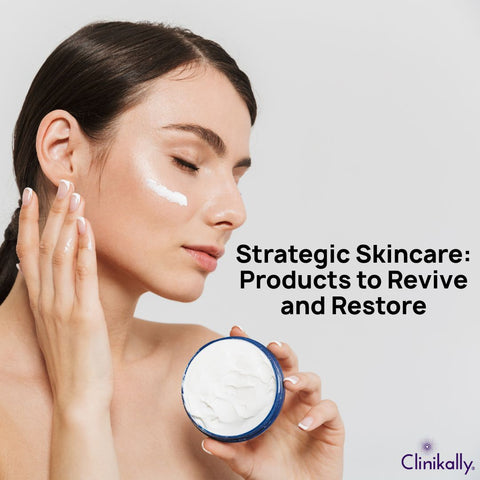
Consider using skincare products that target hydration, collagen production, and antioxidant protection to revive and restore smoking-damaged skin. Here are some key products to incorporate into your skincare routine:
-
To remove impurities without affecting the skin's natural moisture barrier, use a mild, non-stripping cleanser. Look for formulations that are free of harsh sulphates and fragrances.
-
Use a hydrating serum or essence with ingredients like hyaluronic acid, glycerin, and niacinamide to replenish moisture, plump the skin, and improve hydration.
-
Vitamin C serums help to brighten the complexion, even out the skin tone, and protect against oxidative damage caused by smoking. For the best results, use stabilised vitamin C derivatives such as ascorbic acid or tetrahexyldecyl ascorbate.
-
Retinol or retinoid creams increase collagen production, improve skin texture, and promote cell turnover, which helps to reduce the appearance of fine lines, wrinkles, and skin damage caused by smoking. To avoid irritation, start with a low concentration and gradually increase your usage.
-
Choose a moisturiser that contains antioxidants like vitamin E, green tea extract, and resveratrol to protect the skin from free radical damage and support its natural defence mechanisms. Look for formulas that are lightweight, non-comedogenic, and suitable for daily use.
-
Use an overnight hydration mask once or twice a week to replenish moisture, soothe irritation, and improve skin elasticity. Look for masks with hyaluronic acid, ceramides, and plant extracts to hydrate and nourish your skin while you sleep.
-
Daily application of a broad-spectrum sunscreen with SPF 30 or higher will protect your skin from further damage. Choose a lightweight, non-greasy formula that won't clog pores, and reapply every 2 hours when exposed to sunlight.
-
Do not forget to look after your lips, which can also be damaged by smoking. Use a nourishing lip treatment containing ingredients like shea butter, coconut oil, and vitamin E to hydrate, soften, and protect the delicate skin on your lips.
-
Invest in an eye cream designed to treat issues like dark circles, puffiness, and fine lines around the eyes. Look for products containing peptides, caffeine, and hyaluronic acid to hydrate, brighten, and firm the delicate skin in this area.
-
If your skin is dehydrated, consider incorporating facial oil into your skincare regimen. Look for lightweight, non-comedogenic oils such as jojoba, argan, or rosehip seed oil to help the skin retain moisture and suppleness.
Beyond the Surface: Long-Term Strategies for Skin Health
Long-term skin health strategies extend beyond topical treatments to include lifestyle choices, dietary habits, and overall wellness practices. Some comprehensive strategies for long-term skin health include a healthy diet, hydration, sun protection, regular exercise, stress management, quality sleep, smoking cessation, an alcohol limit, skincare routine, professional care, body care, and monitoring skin changes. By incorporating these long-term strategies into your daily routine, you can maintain skin health, resilience, and vitality for years to come. Consistency, patience, and a holistic approach to wellness are essential for developing and maintaining healthy skin from the inside out.
The Benefits of Quitting: How Your Skin Can Recover
Quitting smoking has numerous benefits for skin health, including improved appearance and vitality. Here are some ways to help your skin recover after quitting smoking:
-
Quitting smoking can improve skin texture by making the skin more hydrated and supple. Increased hydration and circulation can help to smooth out rough patches and fine lines, leaving your skin softer and smoother.
-
Smoking can lead to skin discoloration and a dull complexion. After quitting, the skin's natural radiance can gradually return as circulation improves and oxidative stress levels fall. This can produce a brighter, more even skin tone.
-
Smoking increases the risk of many types of skin cancer, including squamous cell carcinoma and melanoma. ales and fine lines. Quitting smoking can boost the skin's natural collagen production, reducing the appearance of wrinkles and restoring skin elasticity.
-
Smoking can dehydrate the skin, leading to dryness and flakiness. After quitting, the skin's moisture levels will return to normal, resulting in softer, more hydrated skin.
-
Smoking can make your skin's pores appear larger and more prominent. By quitting smoking, the skin's oil production can normalize, leading to reduced pore size and a smoother complexion.
-
Smoking is a major risk factor for many types of skin cancer, including squamous cell carcinoma and melanoma. By quitting smoking, you can reduce your risk of developing skin cancer and promote overall skin health.
-
Smoking reduces the body's ability to heal wounds and injuries, including those to the skin. After quitting smoking, the skin's healing process can improve, leading to faster recovery times and reduced scarring.
-
Smoking can also impact the health of your hair and nails, leading to dryness, brittleness, and slower growth. By quitting smoking, you can promote healthier hair and nails, as improved circulation and oxygen delivery support their growth and vitality.
-
Quitting smoking can help prevent additional premature ageing of the skin, such as sagging, loss of elasticity, and age spots. By avoiding the negative effects of smoking, you can slow the ageing process and maintain a more youthful appearance.
-
Quitting smoking can result in improved skin health and wellness. With less inflammation, more hydration, and better circulation, your skin can heal and thrive, resulting in a healthier, more vibrant complexion.
-
As your skin heals and improves after quitting smoking, you may experience an increase in confidence and self-esteem. Knowing you are doing something good for your skin and overall health can boost your mood.
Lifestyle Adjustments for Lasting Skin Radiance
To achieve long-term skin radiance, make a variety of lifestyle changes that promote overall health and wellness. A balanced diet, hydration, regular exercise, quality sleep, sun protection, stress management, skincare routine, limiting alcohol and smoking, hygienic practices, and positive lifestyle choices are some of the most important lifestyle changes for radiant skin. By incorporating these lifestyle changes into your daily routine, you can promote long-term skin radiance and keep your complexion healthy and glowing for years. Consistency, patience, and a focus on overall wellness are essential for achieving and maintaining glowing skin at any age.
Professional Interventions: When to Seek Expert Help

When you have specific skin concerns that necessitate professional intervention, seek the advice of a dermatologist or skincare professional. Persistent skin issues, suspected skin cancer, severe acne or scarring, signs of premature ageing, skin allergies or reactions, hair and scalp issues, cosmetic concerns, and overall skin health are all reasons to seek professional help. By seeking expert assistance when necessary, you can effectively address your skin concerns while also receiving personalised recommendations and treatments tailored to your specific requirements. A dermatologist or skincare professional can be an invaluable resource for achieving and maintaining healthy, glowing skin.
Integrating Skin Health into Your Sober Journey
Integrating skin health into your sober journey can be a step towards better overall health and self-care. Here are some strategies to prioritise skin health on your path to sobriety:
1. Hydration: Stay hydrated by drinking plenty of water throughout the day. Hydration is essential for preserving skin elasticity, suppleness, and overall health.
2. Balanced Diet: Consume a balanced diet rich in fruits, vegetables, lean proteins, whole grains, and healthy fats. Nutrient-dense foods contain essential vitamins, minerals, and antioxidants that promote skin health and repair.
3. Avoid Smoking: Quit smoking or limit your exposure to secondhand smoke. Smoking accelerates skin ageing, causes dullness, and raises the risk of skin cancer. Quitting smoking can help your skin look better and improve your overall health.
4. Limit Alcohol Intake: Limit your alcohol consumption to improve skin health and hydration. Excessive alcohol consumption can dehydrate the skin, resulting in dullness, dryness, and premature ageing.
5. Skincare Routine: Create a consistent skincare routine based on your skin type and concerns. Cleanse, moisturise, and protect your skin every day, and use treatments like exfoliation, serums, and masks as needed to address specific skin issues.
6. Sun Protection: Wear sunscreen with an SPF of 30 or higher every day, seek shade during peak sun hours, and cover up with protective clothing, hats, and sunglasses. Sun protection helps to prevent sunburn, premature ageing, and skin cancer.
7. Stress Management: Practice stress-reducing techniques such as meditation, yoga, deep breathing exercises, or mindfulness to manage stress levels. Chronic stress can cause skin inflammation, breakouts, and dullness, so developing healthy coping mechanisms is critical for radiant skin.
8. Exercise Regularly: Regular physical activity improves circulation, increases oxygen and nutrient delivery to the skin, and reduces stress. Exercise also promotes detoxification and helps to maintain a healthy weight, both of which contribute to radiant skin.
9. Seek Support: Surround yourself with a supportive network of friends, family, or a support group to guide you through your sobriety journey. Emotional support can improve your mental and physical well-being, including your skin health.
10. Professional Care: Consult a dermatologist or skincare professional for tailored recommendations and treatments to address specific skin issues. They can provide advice, treatments, and support to help you achieve and maintain healthy, radiant skin throughout your sobriety journey.
The Path Forward: Maintaining Skin Health Amidst Life's Challenges
Maintaining skin health amidst life's challenges necessitates a proactive approach and a dedication to self-care. Consistent skincare routine, hydration, a balanced diet, stress management, adequate sleep, sun protection, regular exercise, limiting alcohol and smoking, adaptability, seeking support, and professional care are all strategies for prioritising skin health even during difficult times. Prioritising self-care, consistency, and resilience will help you maintain skin health in the face of life's challenges and cultivate a healthy, radiant complexion. Remember to be kind to yourself and prioritise your well-being as you go through life's ups and downs.
Embracing Change: Your Guide to Skin Transformation
Accepting change and undergoing a skin transformation can be a liberating experience that leads to healthier, more radiant skin. Here's a step-by-step guide to navigating this transformation, which includes self-assessment, goal setting, skincare routine development, active ingredient introduction, consistency is essential, healthy lifestyle habits, UV protection, progress monitoring, seeking professional advice, being patient and persistent, and embracing change. By taking these steps and accepting change, you can start your successful skin transformation journey and achieve the radiant, healthy complexion you desire. Stay committed, and positive, and enjoy the process of restoring your skin's health.