The Truth About Pore Size: Effective Tips for Healthy Skin

Pore size is a common concern for many individuals striving for flawless skin. While genetics largely determine the size of your pores, factors like age, sun exposure, and skin type also play a significant role. Large pores can be frustrating, often making the skin appear less smooth and more prone to issues like blackheads and acne. However, understanding the nature of pores and adopting effective skincare practices can help manage their appearance. Continue reading as this article delves into the truth about pore size and offers practical tips for maintaining healthy, radiant skin.
Understanding Pore Size: Myths and Realities

Pore size is largely determined by genetics, and while you can't shrink them permanently, you can minimize their appearance. Myths such as steam opening pores or cold water closing them persist, but they aren't accurate. Instead, focus on proper cleansing, exfoliation, and sun protection to keep pores clean and less noticeable.
Dispelling the Myth: Can You Actually Shrink Your Pores?

The belief that physically shrinking your pores is possible, is a common skincare myth. The reality is that pore size is determined primarily by genetics and cannot be permanently altered. Pores may appear larger due to factors such as excess oil production, ageing, and sun damage, but they do not actually change in size. Several factors can make your pores look more prominent:
-
Overactive sebaceous glands produce more oil, which can cause pores to expand.
-
As you age, your skin loses elasticity and collagen, making pores appear larger.
-
UV exposure can thicken the skin and stretch out pores.
-
Dirt, oil, and dead skin cells can accumulate in pores, causing them to expand and appear larger.
Few things can be done to enhance the skin appearance and minimize pore size:
-
Proper Cleansing
-
Exfoliation
-
Sun Protection
-
Non-Comedogenic Products
-
Using Retinoids
-
Professional Treatments
While the quest to shrink pores may be a losing battle, understanding how to care for your skin can help you manage their appearance. By incorporating proper skincare practices and using the right products, you can achieve smoother, healthier-looking skin. Remember, the key is not to change your pores but to maintain a regimen that keeps them clean and less visible. Hence, indulge in best practices for pore care to achieve an even and smooth skin texture and pore visibility.
The Role of Genetics and Age in Determining Pore Size

Pore size is a topic of considerable interest and concern in skincare. While numerous factors influence the appearance of pores, genetics and age play pivotal roles in determining their size and visibility. Understanding these influences can help in developing a more effective skincare routine.
-
Genetic makeup if an individual determines sebaceous gland activity, skin type, and collagen production, affecting pore size. Large pores are often inherited from parents.
-
Genetically predisposed individuals with oily skin have larger pores due to increased oil production.
-
Collagen and Elastin, are two primary proteins that decreases with age, causing sagging skin and larger pores.
-
Cell Turnover considerably hampers and slows down, leading to dead skin cells accumulating around pores, making them more noticeable.
-
Sun Damage often breaks down collagen and elastin, thickens skin, and stretches pores.
-
During menopause, sebaceous gland activity and skin elasticity are effected thereby, impacting pore size.
Environmental Factors that Impact Pore Health
Environmental factors play a significant role in the health and appearance of your pores. Understanding these factors can help you take proactive steps to maintain optimal skin health. Here are some key environmental factors that impact pore health:
1. Pollution
Air pollution can lead to clogged pores as particulate matter settles on the skin, mixing with natural oils and debris. This can cause inflammation, breakouts, and enlarged pores.
2. UV Radiation
Exposure to ultraviolet (UV) rays from the sun can damage collagen and elastin in the skin, leading to loss of skin elasticity. This makes pores appear larger and more prominent.
3. Humidity
High humidity levels can increase oil production, leading to clogged pores and acne. Conversely, low humidity can dry out the skin, causing it to produce more oil to compensate.
4. Temperature Extremes
Extreme heat can cause excessive sweating, which mixes with oils and can clog pores. Cold weather can dry out the skin, making pores more noticeable. Both extremes can disrupt the skin's natural balance, affecting pore size and health.
5. Indoor Heating and Air Conditioning
Artificial heating and cooling systems can strip the skin of moisture, leading to dryness and increased oil production. This can result in clogged and enlarged pores.
6. Toxins and Chemicals
Exposure to harmful chemicals in skincare products, cleaning agents, and the environment can irritate the skin and block pores. This can lead to inflammation, breakouts, and damaged skin barrier function.
7. Diet
Diets high in refined sugars and dairy can increase oil production and inflammation, affecting pore health. Poor diet choices can lead to clogged pores and breakouts.
8. Stress
Stress can increase the production of cortisol, which stimulates oil production in the skin. This can lead to clogged pores and acne.
9. Hydration
Lack of proper hydration can lead to dry skin, which compensates by producing excess oil. This can clog pores and make them appear larger.
10. Smoking
Smoking decreases blood flow to the skin and depletes oxygen and nutrients, impairing skin health. It leads to enlarged pores, premature ageing, and a dull complexion.
Understanding these environmental factors and taking steps to mitigate their effects can help maintain healthy, clear pores and overall skin health.
Daily Practices for Minimizing Pore Appearance
Minimizing the appearance of pores is a common skincare goal that can be effectively achieved through daily practices. These routines not only help keep pores clear but also improve overall skin texture and health. Here are some essential daily practices for reducing pore visibility:
-
Twice-daily cleansing with a cleanser like Acmed Plus Foaming Face Wash helps remove excess oil and dirt, preventing pore clogging and enlargement.
-
Incorporating gentle exfoliation with exfoliants like Gunam Daily Liquid Exfoliant into your skincare routine 2-3 times a week can remove dead skin cells and debris, keeping pores refined.
-
Using a daily moisturizer like Venusia Acne Control Moisturizer and Excela Moisturizer for Oily & Acne Prone Skin that are suitable for your skin type helps maintain proper hydration levels, which can make pores appear smaller.
-
Applying sunscreen like Uvavo Water Resistant Oil Free Sunscreen Lotion SPF 25 PA+++ and IPCA Acne-UV Gel Sunscreen SPF 50/PA+++ daily protects the skin from sun damage, which can cause pores to dilate and become more noticeable.
-
Eating a diet rich in fruits, vegetables, and lean proteins while avoiding excessive fats and sugars can improve skin health and reduce oiliness.
-
Drinking enough water each day helps flush out toxins and maintain skin elasticity, reducing pore visibility.
-
Ensuring you get enough restful sleep each night supports skin repair and regeneration, keeping pores tight and the skin clear.
By adhering to these practices, you can effectively minimize pore appearance and enhance your skin’s overall health and aesthetics.
Importance of Cleansing and Hydration for Pore Health
Cleansing and hydration are fundamental steps in maintaining pore health and overall skin integrity.
-
Regular cleansing removes excess oil, dirt, and pollutants that can clog pores, leading to blackheads, acne, and inflammation. Thus, pores become clear, reducing their appearance and preventing the buildup of impurities. Clinikally Foaming Face Wash and Cetaphil Oily Skin Cleanser are highly recommended.
-
Proper hydration keeps the skin supple and minimizes the visibility of pores by promoting a smoother, plumper skin texture. Well-hydrated skin also balances oil production, which is critical in preventing the overproduction of sebum that can exacerbate pore clogging.
Together, these practices help maintain the skin's barrier function, enhance its appearance, and support its health, making them indispensable in any skincare routine.
Sun Protection: How UV Exposure Affects Pore Size
Sun exposure is often associated with a healthy glow, but its effects on the skin can be detrimental, particularly concerning pore size. The ultraviolet (UV) rays from the sun penetrate the skin, causing various changes that can lead to the enlargement of pores. Understanding the relationship between UV exposure and pore size is crucial for maintaining healthy, youthful skin and developing effective sun protection strategies.
When the skin is exposed to UV radiation, it undergoes several changes at both the superficial and deeper levels:
-
Collagen Breakdown: UV rays break down collagen and elastin fibers in the skin. Collagen is essential for maintaining skin's firmness and structure, while elastin helps the skin to return to its original position after stretching or contracting. The degradation of these fibers results in the loss of skin elasticity, making pores appear larger as the surrounding skin sags.
-
Increased Sebum Production: UV exposure can stimulate the sebaceous glands to produce more oil (sebum). Excess sebum can accumulate in pores, mixing with dead skin cells and dirt, leading to clogging and stretching of the pore walls. This process can make pores look more prominent and can also contribute to acne formation.
-
Inflammation and Oxidative Stress: UV radiation induces inflammation and oxidative stress in the skin, damaging cellular structures. This damage can weaken the skin’s barrier function and cause the pores to dilate. Chronic inflammation also impairs the skin's ability to repair itself, further exacerbating pore size issues.
-
Thickening of the Stratum Corneum: Prolonged sun exposure leads to the thickening of the outermost layer of the skin (stratum corneum). This thickening can trap impurities and sebum within the pores, stretching them out and making them more noticeable.
To prevent the adverse effects of UV exposure on pore size, it’s essential to incorporate sun protection into your daily skincare routine:
-
Use Broad-Spectrum Sunscreen: Apply a broad-spectrum sunscreen with an SPF of at least 30 every day, even on cloudy days. Broad-spectrum sunscreens protect against both UVA and UVB rays, which are responsible for ageing and burning, respectively. Photostable Gold Matte Finish Sunscreen Gel SPF 55 and Novology Ultra Light Gel Sunscreen SPF 30 PA+++ are highly recommended.
-
Wear Protective Clothing: Clothing can provide an extra layer of defense against UV rays. Opt for long sleeves, wide-brimmed hats, and sunglasses to shield your skin from direct sun exposure.
-
Seek Shade: Avoid direct sunlight during peak hours (10 a.m. to 4 p.m.) when UV radiation is strongest. If you need to be outdoors, seek shade or use an umbrella to minimize exposure.
-
Regular Skin Care: Maintain a skincare routine that includes gentle cleansing, exfoliation, and moisturizing. Using products with ingredients like retinoids and niacinamide can help boost collagen production and improve skin elasticity, reducing the appearance of enlarged pores. Clinikally The Ultimate NIA (10% Niacinamide) Serum and Clinikally Skin Renewer Retinol Serum are great recommendations.
-
Antioxidant-Rich Products: Incorporate products containing antioxidants such as vitamin C, vitamin E, and green tea extract. Antioxidants help combat oxidative stress and support the skin’s natural repair processes. iS Clinical Poly-Vitamin Serum is one such product.
By understanding how UV exposure affects pore size and taking proactive measures to protect your skin, you can maintain a smoother, more even complexion. Consistent sun protection not only helps prevent enlarged pores but also safeguards against other sun-related skin issues such as premature ageing and skin cancer.
The Role of Diet and Nutrition in Pore Care

Diet and nutrition play a pivotal role in the health and appearance of your skin, including pore care. Enumerating the role of certain foods below for enhanced pore health.
-
Consuming a balanced diet rich in antioxidants, vitamins, and minerals can enhance skin elasticity and reduce pore visibility by promoting overall skin health.
-
Foods high in omega-3 fatty acids, such as fish and nuts, can regulate oil production, reducing the likelihood of clogged pores.
-
Staying hydrated by drinking plenty of water helps flush out toxins and maintain skin hydration, leading to clearer and tighter pores.
-
A diet high in sugars, fats, and dairy may exacerbate skin issues, including enlarged pores, by stimulating excessive sebum production.
Thus, thoughtful dietary choices are crucial for maintaining refined and healthy pores.
Effective Skincare Regimens for Pore Reduction
Reducing the appearance of pores is a common skincare goal for many individuals. Pores can appear enlarged due to factors such as excess oil production, ageing, and improper skincare routines. Implementing an effective skincare regimen can significantly minimize the appearance of pores, leading to smoother, more refined skin. Here are some key steps to include in your skincare routine for pore reduction:
Step 1: Cleansing (Morning and Night)
-
Gentle Cleanser: Use a gentle, non-comedogenic cleanser to remove dirt, oil, and impurities without stripping the skin of its natural moisture. The Face Shop Tea Tree Pore Clarifying Gel Cleanser can be used for effective yet gentle cleansing.
-
Double Cleansing: In the evening, consider a double cleanse routine to thoroughly remove makeup and sunscreen. Start with an oil-based cleanser like Klairs Gentle Black Fresh Cleansing Oil followed by a water-based cleanser such as The Face Shop Rice Water Bright Foaming Cleanser.
Step 2: Exfoliation (2-3 Times a Week)
-
Chemical Exfoliants: Incorporate exfoliants containing alpha hydroxy acids (AHAs) like glycolic acid or beta hydroxy acids (BHAs) like salicylic acid. These help to dissolve dead skin cells and unclog pores. Yuderma Sebalex Medi-Acne Face Wash is a great choice.
-
Physical Exfoliants: Use with caution. Choose gentle scrubs to avoid skin irritation.
Step 3: Toning (Once daily)
-
Pore-Tightening Toner: Use a toner with ingredients like witch hazel or niacinamide to help tighten and refine pores. Cetaphil Bright Healthy Radiance Brightness Refresh Toner is a great recommendation.
Step 4: Serums and Treatments (Once Daily at Night)
-
Niacinamide Serum: Known for its pore-minimizing properties, niacinamide also helps to regulate oil production. Sebonia Niacinamide Zinc Serum is a great recommendation.
-
Retinoids: Retinoids can increase cell turnover, keeping pores clear and reducing their appearance over time. Use at night as they can make skin sensitive to sunlight. Dermatica RetiPRIME Night Cream is a great recommendation.
Step 5: Moisturizing (Twice daily)
-
Lightweight Moisturizer: Opt for a non-comedogenic, oil-free moisturizer like Clinikally HydraSoothe Moisturizer that hydrates the skin without clogging pores.
Step 6: Sun Protection (Daily Morning)
-
Broad-Spectrum Sunscreen: Use a sunscreen with at least SPF 30. Clinikally SunProtect Sunscreen SPF 50/PA+++ is highly recommended. Sunscreen prevents UV damage which can exacerbate pore appearance.
Step 7: Masks (Once a Week)
-
Clay Masks: Clay masks can help to absorb excess oil and tighten pores. Shangpree Easy Clear Clay Mask can be used.
-
Charcoal Masks: Charcoal can draw out impurities from the pores.
Certain additional tips to minimize pores appearance:
-
Stay Hydrated: Drinking plenty of water helps maintain skin elasticity and overall health.
-
Diet: Eating a balanced diet rich in antioxidants can support skin health.
-
Avoid Pore-Clogging Products: Look for non-comedogenic labels on skincare and makeup products.
An effective skincare regimen focusing on gentle cleansing, regular exfoliation, targeted treatments, proper hydration, and sun protection can significantly reduce the appearance of pores. Consistency is key, and it may take several weeks to notice visible improvements. Always patch test new products and consult a dermatologist if you experience any irritation or if you have specific skin concerns.
Choosing the Right Products: Ingredients for Pore Care
Minimizing the appearance of pores requires incorporating specific ingredients known for their pore-tightening and skin-refining properties. Here are the top ingredients that can help reduce the visibility of pores:
1. Niacinamide
Niacinamide (Vitamin B3) regulates oil production and improves skin texture, making pores appear smaller. It is suitable for all skin types and can be found in serums, moisturizers, and toners. COSRX The Niacinamide 15 Serum is a great product.
2. Salicylic Acid
This beta hydroxy acid (BHA) penetrates deep into the pores, dissolving excess oil and dead skin cells to keep pores clear. It is ideal for oily and acne-prone skin, often included in cleansers, exfoliants, and spot treatments. Yuderma Acnelex Pore-Refining Cream is highly recommended as it is one of the best skin products for pore reduction.
3. Retinoids
Retinoids increase cell turnover, preventing clogged pores and promoting smoother skin. It is best used at night. Retinoids can be found in prescription treatments and over-the-counter retinol products. Dermaceutic Activ Retinol 1.0 is a product that is a top choice of leading dermatologists in India.
4. Glycolic Acid
An alpha hydroxy acid (AHA) that exfoliates the skin surface, promoting cell renewal and reducing pore visibility. It is commonly found in peels, serums, and toners, and is suitable for most skin types. Logifeel Glycolic Acid & Urea Cream is a great product.
5. Witch Hazel
A natural astringent that tightens pores and reduces excess oil production. It is often used in toners and face mists. Witch hazel is suitable for oily and combination skin.
6. Zinc
Zinc helps control oil production and has anti-inflammatory properties, which can help minimize pores. It is found in sunscreens, creams, and topical treatments. Zinc is beneficial for oily and acne-prone skin. Blemguard Face Serum is an excellent choice.
7. Clay
Clay absorbs excess oil and impurities from the skin, helping to keep pores clear and refined. It is commonly used in masks. Clay is ideal for weekly treatments for oily and combination skin. Barulab Black Clay Cleansing Foam is one such product that can be used daily.
8. Charcoal
Activated charcoal draws out impurities and toxins from the skin, effectively unclogging pores. It is often found in masks and cleansers, and is suitable for deep cleansing routines.
9. Tea Tree Oil
With its antibacterial and anti-inflammatory properties, tea tree oil helps to reduce pore congestion and inflammation. It is used in spot treatments, cleansers, and toners, especially effective for acne-prone skin. The Face Shop Tea Tree Pore Ampoule is highly recommended.
10. Lactic Acid
A gentle AHA that exfoliates the skin, improving texture and minimizing the appearance of pores. It is suitable for sensitive skin. Lactic acid can be found in serums, peels, and moisturizers. Logifeel-IMF Cream is one such example.
Incorporating these ingredients into your skincare routine can effectively minimize the appearance of pores and enhance overall skin texture.
Exfoliation Techniques for Clearing Pores
Exfoliation is a crucial skincare step for maintaining clear, healthy pores. By removing dead skin cells and debris, exfoliation prevents clogs that can lead to blackheads and acne. It also promotes cell turnover, resulting in fresher, brighter skin. Here are some effective exfoliation techniques for clearing pores:
-
Mechanical Exfoliation: This method uses physical scrubbers like microbead face scrubs or brushes to physically remove dead skin cells.
-
Chemical Exfoliation: Acids such as alpha-hydroxy acids (AHAs) or beta-hydroxy acids (BHAs) dissolve the bonds between skin cells, aiding in the removal of dead layers.
-
Enzymatic Exfoliation: Enzyme-based exfoliators break down the keratin protein in the skin, providing a gentler alternative to acids, suitable for sensitive skin.
-
Microdermabrasion: A professional treatment that uses a device to sand the skin, improving texture and clarity by removing the outermost layer of dead skin.
-
Ultrasonic Exfoliation: Utilizes ultrasonic vibrations to lift dead skin cells and debris from pores without the abrasiveness of physical scrubs.
Each method offers unique benefits, and choosing the right one depends on your skin type and sensitivity. Regular and appropriate exfoliation can significantly improve the clarity and health of your pores.
DIY Remedies for Pore Tightening and Cleansing
Large pores and clogged skin can be frustrating and challenging to manage. However, you don't need expensive treatments or harsh chemicals to achieve smooth, clear skin. With a few simple ingredients found in your kitchen, you can create effective DIY remedies to tighten and cleanse your pores naturally. These home-based treatments not only save you money but also ensure that you're using safe, gentle, and nourishing products on your skin. Here are some of the best DIY remedies for pore tightening and cleansing that you can easily incorporate into your skincare routine. Continue reading to minimize pores naturally using DIY pore care remedies.
-
Clay Masks
-
Ingredients: Bentonite or kaolin clay, water or apple cider vinegar.
-
Instructions: Mix the clay with water or apple cider vinegar to form a paste. Apply to your face, avoiding the eye area, and leave it on for 10-15 minutes. Rinse off with warm water.
-
Apple Cider Vinegar Toner
-
Ingredients: 1 part apple cider vinegar, 2 parts water.
-
Instructions: Mix the apple cider vinegar with water. Apply the mixture to your face using a cotton ball after cleansing. Leave it on for a few minutes, then rinse with water.
-
Egg White Mask
-
Ingredients: 1 egg white, 1 teaspoon lemon juice.
-
Instructions: Whisk the egg white and lemon juice together. Apply the mixture to your face and let it dry for 15-20 minutes. Rinse off with lukewarm water.
-
Oatmeal Scrub
-
Ingredients: 2 tablespoons oatmeal, 1 tablespoon honey, 1 tablespoon yogurt.
-
Instructions: Mix the oatmeal, honey, and yogurt together. Gently scrub your face with the mixture in circular motions for a few minutes, then rinse off with warm water.
-
Baking Soda Exfoliant
-
Ingredients: 2 tablespoons baking soda, a few drops of water.
-
Instructions: Mix the baking soda with water to form a paste. Gently massage the paste onto your face for about 1-2 minutes, then rinse thoroughly with warm water.
-
Honey and Cinnamon Mask
-
Ingredients: 2 tablespoons honey, 1 teaspoon cinnamon.
-
Instructions: Mix honey and cinnamon together. Apply to your face and leave it on for 10-15 minutes. Rinse off with warm water.
-
Green Tea Steam
-
Ingredients: 1-2 green tea bags, boiling water.
-
Instructions: Steep the green tea bags in boiling water for a few minutes. Remove the bags and lean over the bowl with a towel over your head to trap the steam. Steam your face for 5-10 minutes.
-
Cucumber and Lemon Juice Toner
-
Ingredients: 1 cucumber, 1 tablespoon lemon juice.
-
Instructions: Blend the cucumber to extract the juice. Mix with lemon juice and apply to your face using a cotton ball. Leave it on for 10-15 minutes, then rinse off with cool water.
-
Aloe Vera Gel
-
Ingredients: Fresh aloe vera gel.
-
Instructions: Apply fresh aloe vera gel directly to your face. Leave it on for 10-15 minutes, then rinse with cool water.
-
Tomato Pulp Mask
-
Ingredients: 1 ripe tomato.
-
Instructions: Blend the tomato to form a pulp. Apply the pulp to your face and leave it on for 15-20 minutes. Rinse off with lukewarm water.
To avail the best results, follow the below mentioned tips.
-
Use these remedies 1-2 times a week for best results.
-
Always perform a patch test before applying any new remedy to your face to check for allergies.
-
Keep your skin hydrated by drinking plenty of water and using a good moisturizer.
-
Maintain a balanced diet rich in vitamins and minerals to support healthy skin.
Using these natural and easily accessible ingredients, you can effectively tighten and cleanse your pores, promoting a smoother and clearer complexion.
Professional Treatments for Pore Refinement
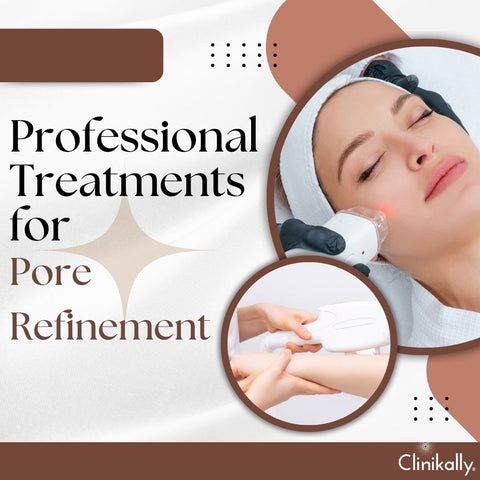
Professional treatments for pore refinement are essential because they offer targeted, effective solutions that are often more potent than over-the-counter products. These treatments, administered by dermatologists, can significantly improve skin texture and appearance by deeply cleansing, exfoliating, and stimulating skin renewal processes. Techniques such as chemical peels, laser therapy, and micro needling not only reduce the visibility of pores but also enhance overall skin health by promoting collagen production and reducing oiliness. This can lead to clearer, smoother skin with a more uniform complexion, boosting confidence and contributing to a healthier skin environment.
Dermatological Procedures for Minimizing Pores
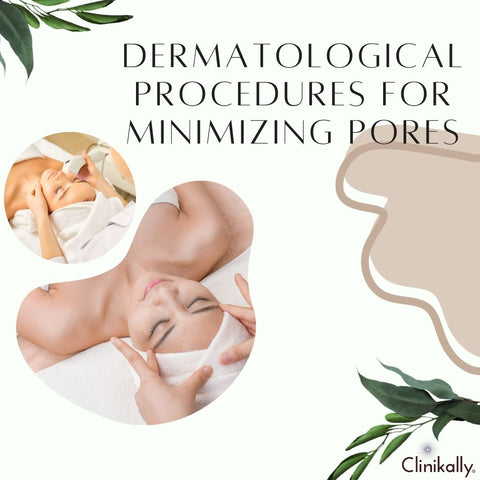
Dermatological procedures for minimizing pores can significantly enhance the appearance of your skin. Here’s a look at some effective treatments:
-
Chemical Peels: These involve the application of a chemical solution that causes the top layer of skin to peel off, revealing smoother and more refined skin beneath. Regular peels can help in reducing the appearance of pores.
-
Microdermabrasion: This procedure uses a device to gently exfoliate the surface of the skin. It can help to unclog and minimize the appearance of enlarged pores by removing dead skin cells and stimulating collagen production.
-
Laser Treatments: Laser therapy can be effective in reducing pore size. It works by targeting the skin with a laser to tighten it, which can make the pores appear smaller. Fractional lasers and carbon dioxide lasers are commonly used for this purpose.
-
Photodynamic Therapy (PDT): PDT involves the use of a photosensitizing agent applied to the skin, which is then activated by a specific wavelength of light. It helps in reducing oil production and can minimize pores.
-
Micro needling: Also known as collagen induction therapy, this procedure involves using fine needles to create tiny punctures in the skin. This stimulates the skin's healing process and can improve skin texture and pore appearance.
-
Topical Retinoids: While not a procedure, using prescription-strength retinoids can help in reducing pore size by promoting cell turnover and unclogging pores.
These treatments may have varying effectiveness depending on the individual’s skin type and condition. It’s important to consult with a dermatologist to choose the right procedure for your skin needs.
Benefits and Risks of Professional Pore Treatments
Professional pore treatments can offer significant benefits for skin appearance and health, but like any medical procedure, they also come with potential risks. Understanding both aspects can help you make an informed decision about pursuing these treatments.
Various benefits of Professional Pore Treatments are:
-
Improved Skin Texture: These treatments can smooth out the skin’s surface, leading to a more refined texture.
-
Reduced Appearance of Pores: By clearing out clogged pores and encouraging collagen production, these treatments can make pores appear smaller and less noticeable.
-
Decreased Oiliness: Some treatments, like photodynamic therapy, specifically target oil production, leading to less oily skin and a reduction in acne breakouts.
-
Enhanced Penetration of Skincare Products: By removing the outer layer of dead skin cells, treatments like chemical peels and microdermabrasion can enhance the absorption and efficacy of skincare products.
-
Boosted Collagen Production: Treatments such as micro needling and lasers promote collagen synthesis, which can improve skin elasticity and firmness over time.
However, Professional Pore Treatments often comes along with certain risks such as:
-
Skin Irritation and Redness: Many of these treatments, particularly chemical peels and laser therapy, can lead to temporary redness, swelling, and irritation.
-
Infection: Procedures that involve breaking the skin, like micro needling, carry a risk of infection if not performed under sterile conditions.
-
Hyperpigmentation: Especially in darker skin tones, some treatments can lead to hyperpigmentation or uneven skin tone as a reaction to the procedure.
-
Scarring: Although rare and typically associated with improper technique or post-treatment care, there is a risk of scarring, particularly with more invasive procedures.
-
Downtime: Some treatments require a period of recovery where the skin may look worse before it looks better. This can include peeling, flaking, or scabbing.
Before deciding on a treatment, a consultation with a dermatologist can provide a tailored approach based on your skin’s needs and health history, helping to maximize benefits while minimizing risks.
Integrating Professional Care into Your Skincare Routine
Integrating professional care into your skincare routine can significantly enhance your skin’s health and appearance. Here are the key benefits of incorporating professional care:
-
Dermatologists create personalized skincare plans tailored to specific needs, thus ensuring maximum results.
-
Access to advanced treatments like chemical peels, laser therapy, and micro needling offers good and promising results for various skin issues.
-
Expert guidance helps in using the products correctly, thus avoiding common mistakes that can cause skin damage.
-
Regular monitoring by a dermatologist allows for continuous progress assessment and routine adjustments.
-
Professionals recommend high-quality, medical-grade skincare products with higher concentrations of active ingredients.
-
Regular check-ups can detect potential skin issues early, including skin cancer, and provide preventive care.
-
Specialized treatments for conditions like severe acne, rosacea, and psoriasis are available only through professionals.
-
Professional care leads to noticeable skin improvements, boosting confidence and overall well-being.
-
Access to the latest skincare technologies offers cutting-edge solutions for various skin concerns.
-
A holistic approach considers lifestyle factors, diet, and overall health, ensuring comprehensive and lasting results.
Incorporating professional care into your skincare routine provides significant benefits, enhancing the effectiveness of your regimen and ensuring optimal skin health.
Conclusion: Achieving Healthy Skin Through Effective Pore Management
Achieving healthy skin through effective pore management involves a combination of personalized skincare routines and professional care. By using targeted treatments and high-quality products, and receiving expert guidance and regular monitoring, you can minimize pore visibility and enhance overall skin texture. This holistic approach not only addresses immediate skin concerns but also promotes long-term skin health and confidence.