Top 5 Weight Loss Plans Recommended by Experts for 2026
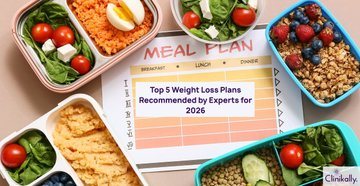
With all the diets that are popular every year, it can be hard to select one that is both effective and maintainable. In 2026, nutrition and health professionals still stress balance, long-term lifestyle modification, and individualization over restrictive or radical regimens. The most effective weight-loss methods are ones that not only lead to weight loss but also improve overall health, energy, and mental state. Rather than following one-size-fits-all advice, experts recommend weight loss plans that align with individual preferences, activity levels, and medical needs. Whether your goal is fat loss, muscle retention, or better metabolic health, there’s a plan that can work for you—if chosen wisely. The most recommended diets this year focus on nutrient-dense whole foods, steady progress, and flexibility. These are the five most expert-recommended 2026 weight loss programs that excel in effectiveness, safety, and sustainability in our current health-aware world and have a holistic approach to weight loss journey.
What Makes a Weight Loss Program Effective?
A successful weight loss program is about more than just caloric restriction—it's a long-term health and wellness solution. The most effective programs combine science-driven tactics with livable lifestyle changes that individuals can stick to in the long run.
-
Promotes a balanced, nutrient-dense diet instead of radical restriction
-
Includes consistent physical activity that is accommodative to the individual's lifestyle
-
Is behavior-focused and emotionally supportive in addressing eating patterns
-
Sets realistic, measurable objectives to monitor progress and stay motivated
-
Tailors the plan to age, metabolism, medical conditions, and likes
Ultimately, the most effective weight loss program is one that you can incorporate into your lifestyle. It encourages slow, healthy change that you can maintain—resulting in sustainable outcomes and improved overall health.
Key Elements of a Sustainable Diet

A sustainable diet is one which optimizes health and well-being while having a reduced environmental impact. Not only does it complement individual health objectives, but it also protects the earth by conserving resources, maintaining biodiversity, and promoting equitable food systems. Adopting a sustainable diet is an intentional move towards a more responsive and sustainable food future.
-
Prioritizes plant foods such as fruits, vegetables, legumes, nuts, and whole grains
-
Decreases red and processed meat consumption
-
Highlights locally sourced and seasonal food to reduce transportation emissions
-
Reduces food waste through conscious purchasing, storage, and consumption habits
-
Prioritizes organically and sustainably cultivated produce
-
Promotes moderate consumption and portioning
-
Favors fair trade and ethical production methods
-
Reduces highly processed and packaged foods
-
Favors water-efficient food
-
Promotes dietary diversity to safeguard food diversity and ecosystem integrity
By embracing these principles, people can lead a healthier life and a more sustainable world. Sustainable eating is not about following rules but making conscious, well-balanced choices that are good for people and the planet.
Role of Professional Guidance in Weight Loss

Weight loss is a process that can best be supported by professionals to guarantee that it's safe, effective, and long-lasting. Professionals such as dietitians, fitness instructors, and healthcare practitioners provide individualized strategies, encouragement, and medical guidance to assist people in meeting their objectives confidently.
-
Assists in developing a customized diet and exercise regimen
-
Ensures optimal nutrition while ensuring healthy weight reduction
-
Tracks progress and revises the plan based on outcomes
-
Ensures accountability and ongoing motivation
-
Identifies underlying health problems that can influence weight
-
Prevents typical errors and discourages fad diets
-
Provides mental and emotional encouragement through difficult phases
-
Directs safe use of supplements or medications when necessary
-
Emphasizes long-term habits over short-term solutions
-
Reduces risk of health complications throughout weight loss
With professional direction, individuals can lose weight in a more knowledgeable, balanced, and sustainable manner—developing habits that aid both their physical health and general well-being.
Importance of Personalization in Diet Plans
One-size-fits-all is seldom effective when it comes to diet programs. Each person has a distinct set of requirements depending on body type, metabolism, health status, lifestyle, food likes and dislikes, and objectives. Personalization in diet planning guarantees that nutritional approaches are effective and maintainable in the long term.
-
Considers individual health conditions such as diabetes, thyroid, or Polyendocrine Metabolic Ovarian Syndrome (PMOS), formerly known as PCOS.
-
Adjusts to personal objectives like weight loss, muscle building, or energy increase
-
Takes into account food likings, cultural practices, and diet limitations
-
Synchronizes with an individual's daily life, work schedule, and level of activity
-
Decreases the likelihood of nutrient deficiency with focused nutrition
-
Increases compliance by establishing the plan as realistic and pleasurable
-
Provides room for flexibility and modification depending on progress and feedback
-
Promotes mental health through lessened feelings of deprivation
-
Creates long-term success by integrating into lifestyle unobtrusively
-
Enhances results by concentrating on what works best for the person
Individualized diet plans are more than customized meal tables—they are living tools that change with the person, incorporating healthy eating into life instead of a temporary solution.
Exploring the Top 5 Dietitian-Approved Weight Loss Programs
Here are 5 distinct weight loss programs, each crafted with a unique approach to help individuals reach their goals effectively while aligning with their preferences, routines, and lifestyle needs. Whether you’re looking for balance, structure, plant-forward eating, or smart tech support, there’s a program here for you. Each program is designed to match different goals, preferences, and routines. Pick the one that suits your lifestyle best—or mix and match features from a few programs for a more tailored method of long-term holistic weight loss success.
Program 1: Balanced Nutrition for Long-Term Success
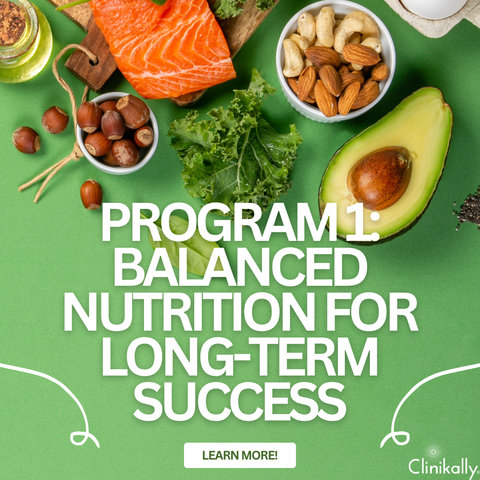
This program focuses on building sustainable eating habits that promote gradual fat loss without extreme restriction. It emphasizes nutrient-dense, whole foods in balanced proportions.
1. Plate formula: 50% vegetables, 25% lean protein, 25% complex carbs
2. Include healthy fats in moderation (nuts, seeds, olive oil, avocado)
3. Eat every 3–4 hours to regulate hunger and blood sugar
4. Avoid processed foods and sugary drinks
5. Hydration: 2–2.5L water daily
6. Weekly meal planning to prevent impulsive eating
7. Daily movement: 30–45 minutes (walks, yoga, light cardio)
8. Sleep: 7–8 hours nightly for hormone balance
A well-rounded approach like this supports not only fat loss but long-term energy, better digestion, and an improved relationship with food.
Program 2: High-Protein Diet for Fat Loss
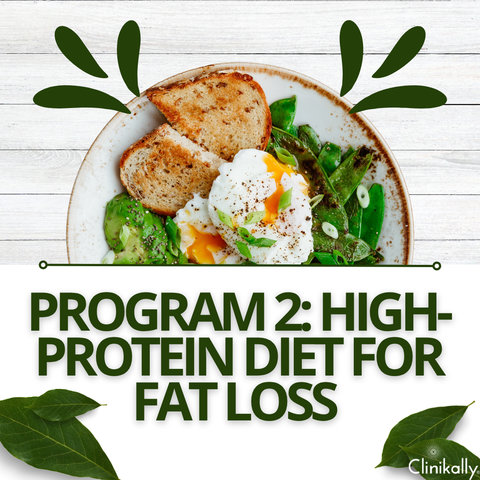
Designed for those who want to preserve lean muscle and enhance fat burning, this program emphasizes higher protein intake to boost satiety and metabolism.
Target: 1.2–1.5g protein per kg of body weight daily
1. Meals: Prioritize eggs, chicken, tofu, fish, Greek yogurt, lentils
2. Include vegetables and moderate complex carbs in each meal
3. Avoid refined carbs and excess sugar
4. Strength training 3x/week + light cardio 2x/week
5. Post-workout recovery snacks: protein smoothie or boiled eggs
6. Meal prep protein sources in advance (grilled, boiled, or baked)
7. Sleep and hydration prioritized to support muscle repair
This protein-forward plan helps you feel fuller for longer, supports body recomposition, and accelerates your fat-loss journey with performance in mind.
Program 3: Intermittent Fasting for Busy Lifestyles
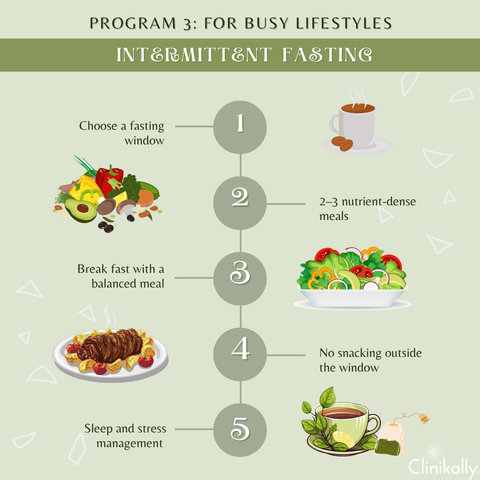
Ideal for those with tight schedules, this program uses timed eating windows to simplify mealtime, improve metabolic flexibility, and reduce calorie intake naturally.
-
Choose a fasting window: 16:8 or 14:10 (fast:eat)
-
Focus on 2–3 nutrient-dense meals in the eating window
-
Break fast with a balanced meal: protein, fiber, healthy fat
-
No snacking outside the window: hydrate with water, black coffee, or herbal teas
-
Reduce processed carbs and prioritize whole foods
-
Include walking, strength training, or light HIIT 4–5x/week
-
Avoid binge-eating at the end of fasting window
-
Sleep and stress management help maintain hormone balance
This approach offers convenience, reduced decision fatigue, and solid results when practiced consistently with quality food choices.
Program 4: Plant-Based Diet for Weight Management
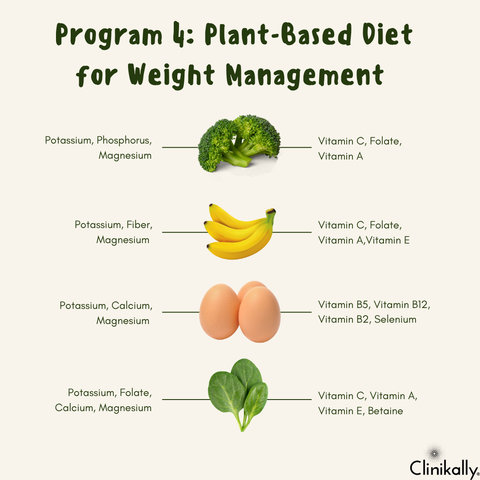
This program supports weight loss through fiber-rich, plant-powered eating. It’s ideal for those who prefer vegetarian or vegan lifestyles with an emphasis on whole, minimally processed foods.
-
Focus on legumes, vegetables, fruits, whole grains, nuts, and seeds
-
Ensure complete proteins: mix lentils, quinoa, tofu, chickpeas
-
Limit refined carbs and fried plant-based foods
-
Fiber intake: 25–35g/day to boost satiety and digestion
-
Healthy fats: flaxseeds, chia seeds, avocado, olive oil
-
3 meals + 1–2 light snacks (e.g., fruit, hummus + carrots)
-
Regular strength training to maintain lean mass
-
Supplement with B12 and D3 if needed
A plant-based path is not only weight-friendly but also heart-healthy, eco-conscious, and rich in antioxidants that support skin, energy, and gut health.
Program 5: Tech-Integrated Weight Loss Plans
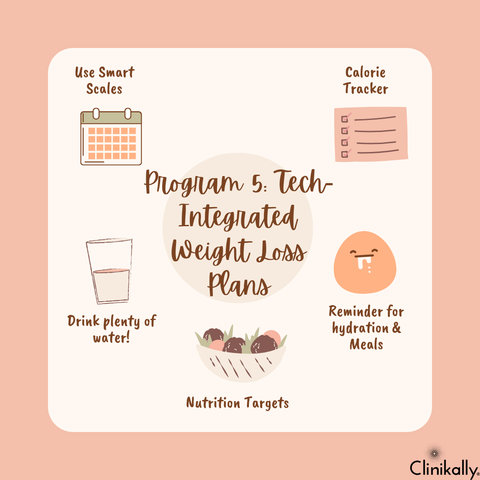
For data-driven individuals, this program integrates apps, trackers, and digital tools to monitor progress, customize plans, and stay motivated.
-
Use a calorie tracker (like MyFitnessPal) to log meals and macros
-
Wear a fitness tracker to monitor steps, workouts, and sleep
-
Use smart scales to track body fat % and muscle mass
-
Sync apps to build personalized routines and nutrition targets
-
Schedule reminders for hydration, meals, and activity
-
Weekly digital check-ins or virtual coaching support
-
Gamify progress with goal-based rewards or challenges
-
Use meditation or wellness apps for stress and sleep tracking
By leveraging technology, this program creates accountability, offers real-time insights, and helps keep you on track—even with a busy or remote lifestyle.
How to Choose the Right Weight Loss Plan for You
Selecting the ideal weight loss program is not a matter of going with the current fad—it's a matter of discovering a sustainable solution that aligns with your lifestyle, objectives, and health requirements. A customized holistic weight loss program is more likely to provide long-term results and contribute to your overall health than providing quick fixes or extreme limitations.
-
Start by determining your main objective—whether it's fat loss, increased fitness, or enhanced energy
-
Evaluate your lifestyle now, such as work hours, exercise, and food intake
-
Consider any illnesses, medications, or food intolerances
-
Select a plan that is comfortable and flexible enough to maintain over time
-
Seek a balanced system that provides all needed nutrients and does not have extreme limitations
-
Focus on long-term maintenance, not fast weight loss or fad diets
-
Consider personal preferences such as the types of foods, preparation time, and eating style
-
Include emotional and social considerations of eating, such as support systems
-
Make sure the plan promotes healthy habits, not calorie restriction
-
If in doubt, consult with a registered dietitian or health care provider
The ideal weight loss plan is the one that becomes a part of your daily life, works to support your health objectives, and fosters a healthy relationship with food.
Assessing Your Goals and Lifestyle

Choosing a weight reduction program starts with matching it to your own objectives and daily life. A well-fitted program should be reasonable, realistic, and beneficial for long-term wellness instead of a quick solution.
-
Define the major emphasis, be it fat reduction, muscle tone, energy enhancement, or overall health
-
Fit the program to your usual schedule and activity level for increased consistency
-
Consider any pre-existing medical needs, food allergies, or nutritional requirements
-
Recognize your mealtime habits, including formal meals or discretionary meal times
-
Select an approach that aligns with your motivational style, be it guided encouragement, technology use, or solo monitoring
-
Take into consideration the availability of time for food shopping, food preparation, or cooking
-
Set the fitness aspect in relation to your present level of activity and what is likely to be maintained over time
-
Include sleep quality and stress management, both of which affect weight and metabolism
-
Work within your food budget for food, supplements, or fitness programs
-
Pursue sustainability and steer clear of very restrictive plans that are difficult to stick with
A customized weight loss program accommodates your life and develops habits that last. When the method naturally integrates into your routine, long-term outcomes are easier and more feasible.
Budget-Friendly Diet Options
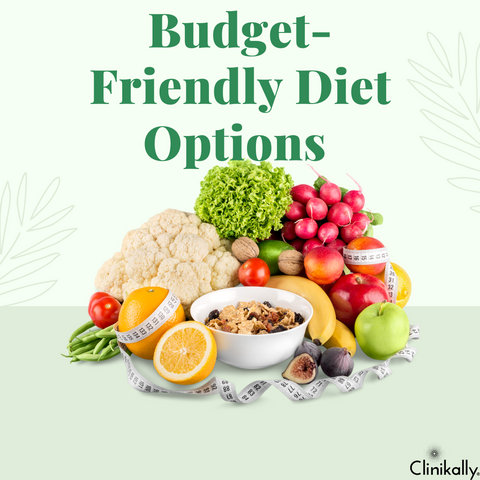
Healthy eating doesn't have to cost an arm and a leg. With increasing food prices, people often think that a healthy diet requires them to spend more, but that doesn't have to be the case. A healthy, affordable diet is possible with some planning, clever shopping, and creative cooking. By emphasizing basic ingredients, minimizing waste, and shying away from added extras, it is achievable to remain within both your financial limits and health targets. The trick is selecting food that is economical and nutritious, without giving up on flavor or variety.
-
Prepare meals on a weekly basis to prevent impulse purchasing and cut down on wastage
-
Purchase seasonal fruits and vegetables, which are cheaper and better quality
-
Select inexpensive, filling whole foods such as grains, lentils, and beans
-
Buy store-brand or bulk products instead of high-end packaged goods
-
Cook at home more frequently to save money and have control over ingredients
-
Use frozen fruits and vegetables—they're healthy and frequently less expensive than fresh
-
Get creative with leftovers to make meals last several days
-
Cut back on processed snacks and sweetened beverages that pad your bill without nutritional benefit
-
Spend money on pantry basics such as oats, rice, and spices to allow for easy and diverse meal ideas
-
Cook ahead of time to decrease use of takeout or impromptu expenditure
Eating healthy needn't cost much. Planning and creativity make eating healthfully affordable and delicious.
Consulting a Dietitian for Personalized Advice
When it comes to achieving long-term health and wellness, individualized advice can be the difference maker. General diet advice can be effective for some, yet every person's body, way of life, and objectives are unique. Meeting with a dietitian brings a personalized method to nutrition, which ensures your individual requirements are treated properly and safely. Whether the emphasis is on weight control, health condition management, or developing healthier eating habits, a dietitian provides professional insight that ensures sustainable, long-term outcomes.
-
Develops a tailored plan from your health history, lifestyle, and objectives
-
Aids in finding nutritional deficiencies and recommending focused nutrition solutions
-
Issues recommendations for treating certain conditions such as diabetes, PMOS, formerly known as PCOS, or high blood pressure
-
Provision of follow-up support and modification as your requirements or status shift
-
Corrects misinformation and aids in walking the diet fads safely
-
Helps you establish a wholesome relationship with food via balanced plans
-
Aids improved digestion, energy, and general well-being
-
Empowers healthy food choices that honor cultural and individual tastes
-
Lowers the danger of trial-and-error dieting and unhealthy lifestyles
-
Increases motivation and accountability via professional check-ins
A registered dietitian becomes a trusted collaborator on your path to health, bringing clearness, routine, and encouragement. With specialist guidance, attaining your well-being objectives gets more convenient, tailored, and lasting.
Conclusion: Achieve Your 2026 Weight Loss Goals with Confidence
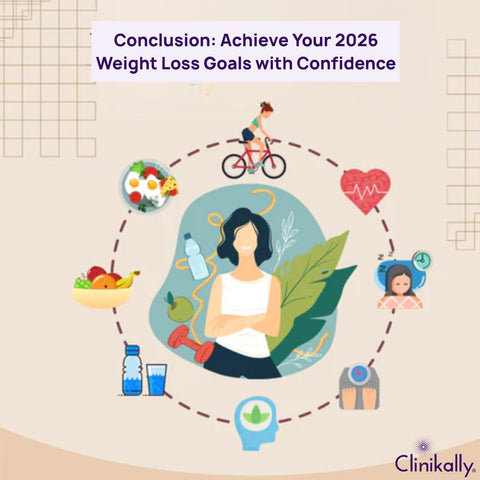
Reaching your 2026 weight loss goals is well within reach when you enter the journey with confidence, clarity, and a plan that is tailored to your individual lifestyle. Instead of getting caught up in the cycle of fad diets or over-the-top promises, concentrate on lasting changes that enhance both physical and mental health and adopt a holistic approach to weight loss. No matter whether you follow a set diet plan, an adaptable eating habit, or the expert advice of a dietician, the secret is in consistency, awareness, and heeding your body. Plan achievable goals, acknowledge small successes, and remain flexible as your requirements change. Engage in enjoyable physical activities, ensure quality sleep and stress reduction, and surround yourself with an encouraging setting. Remember, change takes time—but with commitment and patience, every step counts. Make 2026 the year you choose health over restriction, balance over extremes, and progress over perfection. With the right mindset and resources, you can create habits that not only assist you in losing weight but also improve your overall quality of life. Step into your wellness journey with confidence, knowing that you’re choosing a path that’s informed, personalized, and built for long-term success. You’ve got everything it takes to make this year your healthiest one yet.