Decoding Skincare Labels: A Guide to Ingredients That Truly Transform Your Skin
Decoding skincare labels sometimes feels daunting, considering the surge of hot beauty ingredients and ever-evolving skincare innovations. With more consumers than ever searching for clean beauty, dermatologist-approved formulas, and science-backed skincare, knowing what's inside your products has never been more important. From powerful actives such as retinol, niacinamide, and hyaluronic acid to buzzworthy terms like peptide complexes, antioxidant serums, and skin barrier repair, knowing what really transforms your skin empowers you to shop more intelligently and see real results. This guide breaks down the latest, most effective skincare ingredients so you can confidently choose products that align with your skin goals and deliver genuine benefits that will last
Understanding Skincare Labels and Why They Matter
Gaining an understanding of skincare labels will allow you to make truly strategic decisions concerning your skin. Among the many products claiming to be "clean," "non-toxic," or "dermatologist tested," the label differentiates between effective, science-backed formulas and marketing buzzwords. Understanding how to read an ingredient list enables you to seek out powerful actives such as retinol, niacinamide, or ceramides while steering clear of potential troublemakers like sulfates, artificial fragrances, or harsh alcohols. Having a clear understanding of a label ensures that the product you use is matched with your skin type, concerns, and level of sensitivity. Simply put, decoding skincare labels empowers you to create a routine that is safer, more effective, and tailored toward achieving long-term, visible skin health.
The Science of Ingredient Lists: Order, Concentration, and Function
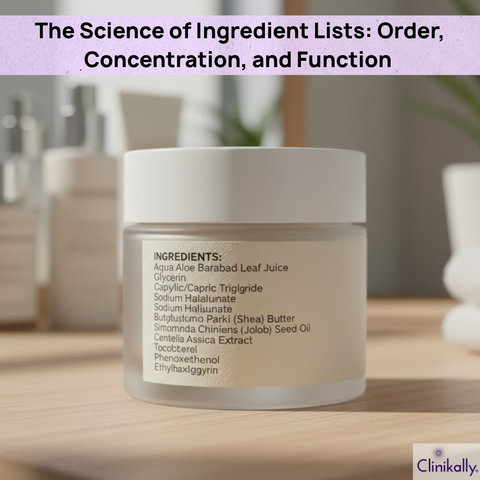
Understanding how to read ingredient lists has become a powerful skill in today's world of transparent skincare, clean beauty awareness, and trending demands for high-performing formulas. With people increasingly searching for products that are truly effective and safe, knowing how to decode labels helps you pick skin care that actually fits your needs, rather than relying on marketing claims.
Here is a simple, straightforward explanation of how to interpret ingredient lists and what each component really means.
-
Ingredients are listed in order from the highest to the lowest amount. That means the first few ingredients in many cases make up the bulk of the product, so pay close attention to what appears at the top, that's where you'll spot useful actives like brighteners, hydrators, or exfoliating scrubs and agents.
-
When ingredients fall below very small amounts, after a certain point, brands are not required to list them in strict order. This explains why natural extracts or "featured" actives sometimes appear at the end; they may sound impressive but can be present only in tiny amounts.
-
Every ingredient serves a purpose, whether it is to enhance skin, to make the product smooth, stable, or long-lasting. Whenever reading a label, consider what it does generally- hydrator, a soother, a brightener, an exfoliator, or a protector. This approach makes it easier to understand the true value of a product without needing deep technical knowledge.
-
Ingredients are listed by official, standardized names, which sometimes appear complicated. Instead, notice the familiar words like fruit extracts, vitamins, oils, or common skincare favorites and don't try to memorize them. With time and frequent reading, these names start to feel more recognizable and less intimidating.
-
Fragrance, essential oils, and some strong plant ingredients can cause irritation for sensitive skin types. If your skin reacts easily, choose the products that keep these ingredients to a minimum or avoid them altogether. This simple habit can protect your barrier and reduce breakouts or redness.
-
While preservatives are sometimes maligned, they are an important component to your product, serving to keep it safe and free from contamination. Preservatives have to be included when a product incorporates water-such as cleansers or lotions-to keep it fresh and protect it from harmful bacteria.
-
Phrases like "clean," "natural," or "non-toxic" are usually used for marketing purposes and don't always reflect the quality of the formula. Learning to read ingredient lists empowers you to truly determine whether a product fits your skin goals, rather than depending on labels and claims.
Once you understand order, concentration, and function combined, reading skincare ingredient lists becomes much easier. As more people search for truly effective routines and beauty products they can trust, this simple skill empowers you to select formulas that support healthy, glowing skin without confusion.
Common Myths About Skincare Labeling
Skincare labels are complex, and with all the trending buzzwords and claims on packaging, it is easy to have myths spread. Many people would depend on labels to make choices as to whether a product is clean, effective, or even safe, but most of the things on the front of a bottle may not tell the full story. Clearing up these myths empowers you to make more confident, informed choices without getting misled by marketing language.
1. “Natural” or “Clean” Means Better for Your Skin
Many people assume that if something says natural, organic, or clean, it must be safer or more effective. The truth is, however, that many of these words are marketing terms and not strictly regulated. A natural ingredient can irritate sensitive skin, while a synthetic ingredient can be gentle, stable, and effective. What really matters is how an ingredient works for your skin-not where it comes from.
2. The Featured Ingredient Is Always the Main Ingredient
If something boasts a hero ingredient like vitamin C, hyaluronic acid, or some trendy botanical extract, people often assume it's included in a high amount. However, skincare labels don't require brands to reveal exact percentages, and many highlighted ingredients appear only in minuscule amounts toward the bottom of the list. That's why knowing ingredient order helps you determine whether the advertised ingredient actually plays a significant role.
3. Long Ingredient Lists Mean the Product Is Harsh or Unsafe
A long skincare label can look intimidating, but it’s not an automatically bad sign. So many long names are just official ingredient terms, and a well-formulated product can contain multiple moisturizers, various stabilizers, or skin-supporting compounds. What matters is the quality and purpose of each ingredient, not how long the list is. In fact, some products with very short ingredient lists can still contain irritants.
Natural vs. Synthetic Ingredients: What Consumers Should Know
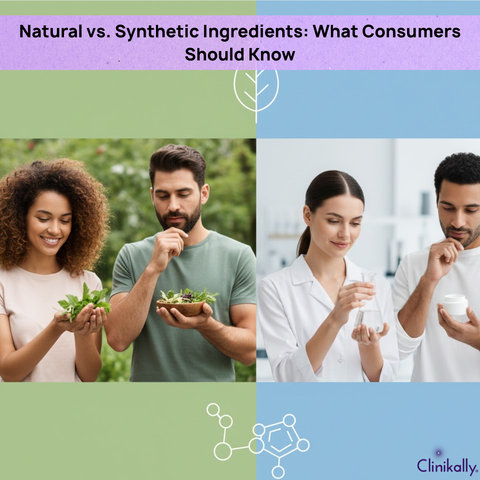
While clean beauty, transparent labeling, and safe skincare remain hot topics of discussion, one area that causes much confusion is that of natural vs. synthetic ingredients. Many clients strive to make healthier, more informed choices; the difficulty lies in the fact that marketing "natural" versus "synthetic" can make it hard to really understand what benefits the skin. Knowing the truth and difference behind both types of ingredients helps you to confidently make your choices based on performance rather than assumptions.
|
Category |
Natural Ingredients |
Synthetic Ingredients |
|
Source |
Derived from plants, minerals, or other naturally occurring materials |
Created or modified in laboratories to mimic or improve natural compounds |
|
Gentleness / Irritation Risk |
Can be irritating, especially essential oils, fragrances, and certain botanicals; “natural” ≠ gentler |
Often designed to be less irritating and more predictable for sensitive skin |
|
Purity & Consistency |
Can vary depending on harvest, processing, and storage; risk of contamination or inconsistency |
Highly controlled, purified, and consistent from batch to batch |
|
Stability |
May degrade or oxidize more easily |
Formulated for high stability and long shelf life |
|
Effectiveness |
Effectiveness depends on quality, concentration, and extraction methods |
Designed to maximize performance; examples: peptides, lab-made vitamins, hyaluronic acid |
|
Safety |
Safety depends on sourcing, formulation, and testing, and not the ingredient’s origin |
Safety depends on manufacturing standards and testing, not “synthetic” status |
|
Role in Skincare |
Often provide antioxidants, soothing ingredients, or nourishment |
Often provide enhanced performance, improved texture, or better preservation |
|
Common Misconceptions |
Considered automatically safer or purer (not always true) |
Assumed to be harsh or harmful (not necessarily true) |
|
Use in Products |
Frequently combined with synthetics for balanced formulations |
Frequently paired with naturals to improve stability and effectiveness |
|
Marketing Terms |
“Natural,” “clean,” “chemical-free” can be misleading |
Often labeled “chemical” but everything including naturals is a chemical |
There's no need for confusion when it comes to choosing between natural and synthetic ingredients; each can be of value, neither automatically better or worse. Ultimately, what matters most is how the ingredient performs, how your skin reacts to it, and whether the formula was thoughtfully created. Consumers who understand both the strengths and limitations of each can make skin care decisions that are rooted in clarity and confidence versus marketing trends. I can also create a blog version, infographic-style summary, or social media caption for this topic if you'd like.
Key Ingredients to Look For in Skincare
Knowing the key ingredients to look for in skincare is essential to selecting products that produce real and noticeable results. In a beauty industry teeming with trending actives and bold claims, knowledge of hyaluronic acid, vitamin C, peptides, and ceramides will help you identify exactly what truly works for your skin type and concerns. By recognizing these powerhouse ingredients, you will be able to get your skin looking smooth, firm, and youthful by more speedily targeting dullness, fine lines, acne, and dehydration. It also helps you avoid ineffective or irritating formulations. By learning which ingredients are most desirable-and why-they empower you to build a routine that is scientifically supported, results-driven, and optimized for long-term skin health.
Antioxidants and Vitamins for Protection and Repair
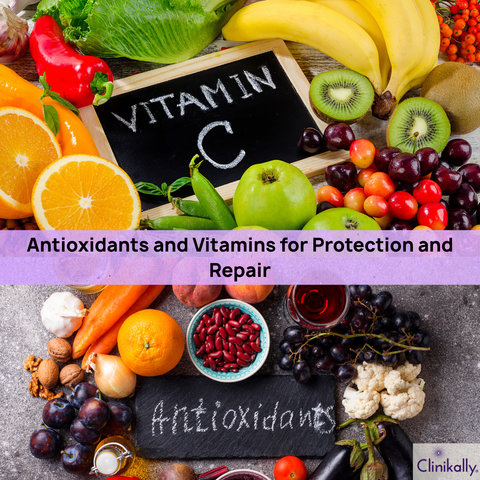
With more attention to healthy and resilient skin, today the most sought-after ingredients in modern skincare include antioxidants and vitamins. They protect your skin against daily aggressors such as pollution, UV light, or free radicals while helping your skin repair itself for a smoother, brighter look and a more youthful appearance. Knowing the way these nutrients function makes it easier to choose products that genuinely nourish long-term skin health.
-
Antioxidants protect the skin against damage from free radicals, unstable molecules that, over time, degrade the skin and accelerate the visible signs of skin aging. These molecules result from pollution, sunlight, stress, and even ordinary metabolic processes. Using antioxidant-rich skincare helps shield the skin from this constant exposure, thus keeping it stronger and more balanced.
-
Many vitamins act like boosters for the skin, helping it recover from damage and promoting healthier cell function. Some brighten the complexion, some improve moisture levels, and others support elasticity. One can notice an improvement in overall texture, tone, and resilience with vitamin-infused products, especially when applied consistently.
-
Vitamin C is one of the most popular antioxidants because it helps defend against environmental stress while encouraging a more even, radiant complexion. It's known for helping reduce dullness, dark spots, and early signs of aging. When used during the day, it works especially well with sunscreen to strengthen daily protection.
-
Vitamin E is a natural component of the skin that helps to maintain softness and hydration. It interacts positively with other antioxidants, particularly vitamin C, to afford barrier protection and decrease sensitivity. It is also soothing in nature, making it an excellent ingredient for dry or easily irritated skin.
-
Vitamin A and its derivatives, like retinol, are renowned for their skin renewal-promoting effects. They help soften the look of fine lines, uneven texture, and sun-related changes. While they aren't antioxidants in the typical sense, they support repair by helping the skin build new, healthier cells.
-
Most products combine several antioxidants and vitamins because they can enhance each other's effects. Pairing ingredients, like vitamin C with vitamin E or niacinamide with botanical antioxidants, creates a more powerful protection with far more noticeable improvements over time.
Antioxidants and vitamins are the strong tools for the long-term protection and restoration of the skin. Defending the skin against daily stress and helping with the natural renewal process, they maintain the brightness, smoothness, and strength of the skin. Whether it comes to dullness, early signs of aging, or overall skin health, their addition to the routine can make quite a difference.
Hydrators and Humectants for Skin Barrier Support
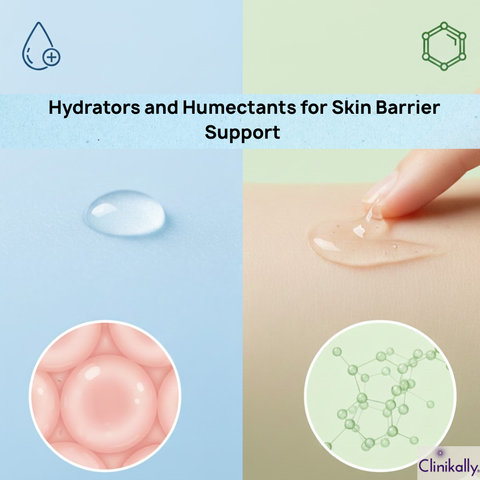
A strong and healthy skin barrier is the foundation for smooth, calm, and radiant skin. As the beauty world moves forward in a trend dominated by barrier repair, hydration boosters, and moisture-locking routines, it becomes appropriate to understand the functions that hydrators and humectants carry out. These ingredients keep skin soft, balanced, and resilient, especially in environments filled with dry air, harsh weather conditions, and constant stress.
-
Hydrators help to bring water into the skin to keep it comfortable and plump. Hydrators replace what's missing when your skin feels tight, rough, or dehydrated. These are those ingredients that are most helpful if your skin is looking dull or tired because it refreshes instantly in both look and feel.
-
Humectants draw moisture towards the skin, either from the atmosphere or from deeper skin layers. They support skin hydration throughout the day and maintain its cushioning and flexibility. This is the reason most moisturizers and serums contain humectants; they prevent drying out of the skin and support long-lasting softness.
-
A well-hydrated barrier is better at keeping the irritants out and locking in essential moisture. When the barrier is supported, the skin becomes less prone to redness, flakiness, or sensitivity. Hydrators and humectants work in harmony to maintain this delicate balance, so your skin remains protected and comfortable even in adverse conditions.
-
While the names of ingredients might sound technical, many of the most common hydrators and humectants are quite easy to recognize. Look out for familiar terms like hyaluronic acid, glycerin, aloe, honey-derived ingredients, and certain plant sugars. These are in wide use because they absorb well, feel comforting on the skin, and support the barrier without heaviness.
-
Hydrators and humectants work even better when combined with a good moisturizer the hydrating ingredients draw moisture in, while the moisturizer seals it into place. The combination better helps the skin to stay hydrated longer and strengthens the overall barrier function, making your routine more effective.
Hydrators and humectants are important components in maintaining the health, strength, and comfort of the skin barrier. They attract, restore, and hold moisture to prevent dryness and irritation; thus, they keep the complexion soft and smooth. Whether you're looking to repair your skin barrier, maintain everyday hydration, or simply improve your overall routine, the following active ingredients will provide gentle and reliable support.
Active Ingredients for Targeted Skin Concerns
With skincare becoming increasingly personalized and results-oriented, much attention has been focused on active ingredients. These are the constituents of a product that work to address specific concerns-be it breakouts, dullness, uneven tone, texture issues, sensitivity, or early signs of aging. Understanding what these actives do, and how they relate to your skin goals, helps you choose products that actually deliver results rather than relying on general claims.
-
Active ingredients are the "working parts" of a formula. They're included to create visible changes, such as reducing acne, fading spots, hydrating deeply, or smoothing texture. When you know which active ingredient targets which concern, you can build a routine that directly supports your skin's needs.
-
Actives aren't meant to work overnight; results are tied to consistent, steady use rather than just applying something strong at once. Choosing the right strength of formulation for your skin type will help you avoid irritation and promote long-term improvement.
-
Some actives pair beautifully, like niacinamide with vitamin C or hyaluronic acid with retinol, while others are best used at different times. Understanding how they complement each other helps you create a routine that supports multiple concerns without overwhelming your skin.
-
Every concern responds to certain ingredients. No one active solves everything, which is why tailoring your choices is so helpful. Identifying your primary concern helps you choose the actives most likely to help. Here's a helpful guide of popular actives and what they're generally used for:
-
For Acne, Breakouts & Congestion
-
Salicylic Acid: Helps to clear pores, smooth bumps, and reduce breakouts.
-
Benzoyl Peroxide: It attacks acne-causing bacteria and inflammation.
-
Sulfur: Helps control oil and calm active blemishes.
-
For Uneven Tone, Pigmentation & Dark Spots
-
Vitamin C serves to lighten dullness, helping discoloration fade over time.
-
Niacinamide: Improves even skin tone, reduces redness, and improves barrier health.
-
Alpha Arbutin: Gentle and continuous lightening of dark spots.
-
Azelaic Acid: Targets pigmentation, redness, and mild breakouts.
-
For Fine Lines & Texture
-
Retinol (Vitamin A): Supports skin renewal for smoother texture and firmness.
-
Peptides: Help the skin feel firmer and more elastic.
-
AHAs (Glycolic or Lactic Acid): Exfoliate the surface for smoother, brighter-looking skin.
-
For Dryness & Dehydration
-
Hyaluronic Acid: It attracts moisture to the skin for plumpness and comfort.
-
Ceramides: It strengthen the barrier of skin and help maintain moisture.
-
Squalane: It provides lightweight, non-greasy hydration for softness and flexibility.
-
For Redness & Sensitivity
-
Cica-Centella Asiatica: Soothes irritation and fortifies the skin.
-
Colloidal Oatmeal: It soothes discomfort and reduces visible redness.
-
Madecassoside: Helps support sensitive and stressed skin.
Active ingredients are the heart of effective skincare. They allow you to target your specific concerns, whether you want clearer pores, brighter tone, smoother texture, or a calmer complexion. By understanding what popular actives do and choosing those that align with your goals, you can build a routine that works smarter and delivers meaningful results.
Ingredients to Approach with Caution
It's important to understand which skincare ingredients to approach with caution, not only to protect your skin's health but also to avoid any unwanted reactions. While many products tout quick results, some incorporate harsh actives, possible allergens, or irritants that could be responsible for sensitivity, breakouts, or long-term damage, especially in cases of reactive or compromised skin barriers. Being aware of certain ingredients, such as potentially irritating essential oils, strong fragrances, sulfates, and high concentrations of exfoliating acids, enables you to make safer, wiser choices. Such knowledge will also let you patch-test wisely and identify the culprit to pick and choose gentler options when needed. In short, it's just as important to know what not to use as it is to know what to use, in order to keep your skincare routine effective, balanced, and skin-friendly.
Understanding Preservatives and Potential Irritants
In today's skincare landscape, with increased sensitivity and awareness of ingredient safety, product stability, and skin sensitivity, the knowledge of preservatives and possible irritants is more crucial than ever. A wide array of products relies on these ingredients to stay fresh, effective, and safe to use-yet they are very misunderstood. Being informed on what they do, why they're added, and how to identify irritants empowers choices compatible with good skin health and product quality.
-
Preservatives prevent the buildup of bacteria, mold, and yeast in skincare products, particularly those with water. Without preservatives, even the most "natural" or "clean" formula could spoil within a very short time and become unsafe for the skin. Preservatives keep your products stable, effective, and hygienic from the moment you open them until the last use. They may sound intimidating, but in reality, they are protecting the formula and your skin from contamination.
-
There is a common belief that preservatives are automatically bad for the skin, and that is just not true. Many modern preservatives are gentle, carefully regulated, and used in small, controlled amounts. Their purpose is to maintain product safety, and without them, skincare would be far more vulnerable to spoilage. The key to that is using products from good brands that follow proper formulation practices and standards of safety.
-
Irritation doesn't come from just one specific group of ingredients. Both natural and synthetic can cause sensitivity, and essential oils, fragrance blends, and some plant extracts can be as potentially irritating as some synthetic compounds. In reactive or sensitive skin, it is important to pay attention to how your skin responds rather than assuming one category is always safer.
-
Fragrance, natural or otherwise, is among the most frequent skincare irritants. It adds to the sensory experience for many people, while those with easily irritated or reactive skin may benefit from fragrance-free options. Choosing a fragrance-free option does not equate to sacrificing quality, simply reducing the chances of redness or discomfort.
-
Ingredients such as exfoliating acids, retinoids, and strong actives have their place in routines but can irritate skin if used too frequently or in high strength. That does not make them bad-just that they need to be balanced out. And this is where pairing with hydrating and barrier-supportive products can help to keep irritation at bay.
-
Because everyone's skin is different, doing a quick patch test can help you determine how your skin will react before you apply a new product to your entire face. This simple step helps you avoid unnecessary irritation, especially when introducing strong actives or formulas that contain fragrance.
Preservatives and possible irritants go hand in hand, since they have huge roles in the safety and effectiveness of skincare. Preservatives protect your products from contamination, while knowing the common irritants allows you to choose the formulas that suit the needs of your skin. Knowing how ingredients work-and how your skin reacts to them-allows you to create a routine that is safe, effective, and supports the health of your skin in the long run.
Hidden Fragrance and Labeling Loopholes
As consumers become more ingredient-aware, one of the biggest skin care and personal care product concerns is hidden fragrance. While a fragrance may make a product smell great, it's also one of the leading causes of irritation, especially to sensitive or reactive skin. The problem lies in the fact that it is not always easy to find fragrance on labels, and certain loopholes sometimes make products appear safer or simpler than they are. Understanding how these labels work empowers you to make clearer, more informed choices.
-
When a product lists Fragrance or Parfum, it's often referring to a blend of many different scent compounds. Because fragrance blends are treated as trade secrets, brands aren't required to break down the individual components. That means one word on the label might include both natural and synthetic ingredients, some of which could irritate sensitive skin.
-
Many think that "unscented" means no fragrance has been added, but it only means that the product doesn't have a noticeable scent. Some unscented products contain masking fragrances, a class of ingredients specifically added to neutralize or hide natural product odors. And these masking agents can still cause irritation even though the product smells like nothing.
-
Sometimes, brands will try to avoid the term “fragrance” by substituting it with essential oils or aromatic plant extracts. These still appear to be more natural, yet they can be potent irritants for sensitive, reactive, or compromised skin. Essential oils count in a product even if the product doesn't clearly state "fragrance"; it's simply adding scent through other means.
-
Terms such as "naturally scented," "botanical fragrance," or "aroma from essential oils" may sound cleaner or safer, but the skin makes no distinction between natural and synthetic irritants. Both can cause redness, itching, or sensitivity. Such phrases can make products seem gentler than they really are.
-
Regulations often let brands group fragrance components under umbrella terms. This means you might see words like "Aroma," "Flavor," or "Parfum" instead of the detailed breakdown. These broad terms make it difficult for consumers to know exactly what they're applying to their skin.
-
In some regions, only certain known allergens must be individually listed-and even then only if they exceed specific concentration thresholds. A product might still contain allergens below those levels yet still cause reactions for those who are sensitive.
-
To reduce the risk of irritation, seek out terms like "fragrance-free" or "no added fragrance," then double-check for essential oils or plant aromatics on the ingredient list. Paying attention to what's on the full label-not just front-of-package claims-can help you steer clear of sneaky scent components that might irritate your skin.
Hidden fragrance ingredients and labeling loopholes can make choosing skincare particularly mystifying, especially when you're trying to avoid irritation. Knowing how fragrance is listed, which terms are misleading, and where in a formula scent can be tucked away means you have more control over what you're using on your skin. Whether you're sensitive to scent or simply want more transparency with your skincare routine, reading labels with these insights in mind can help you choose products that are truly aligned with your needs.
Debunking Fear-Based Marketing Around Chemicals
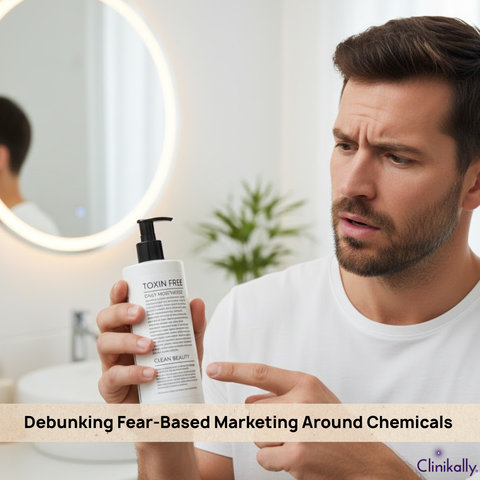
Debunking the fear-based marketing of chemicals is a significant part of creating informed, science-backed skincare choices. Most brands try to provoke unnecessary fear by making claims like "chemical-free," "non-toxic," or "all-natural," when technically everything, including water, is a chemical. This misleading messaging often turns consumers away from safe, dermatologist-approved ingredients such as retinoids, niacinamide, and hyaluronic acid. Understanding the difference between harmful substances and scientifically validated actives helps you avoid falling for myths that limit your skincare options. By being aware of marketing strategies that cater to fear rather than education, you can confidently make product choices based on evidence, formulation quality, and proven results. You can create an effective, safe skincare routine that's based on true skin science, not hype.
Personalizing Your Skincare Choices Through Label Reading
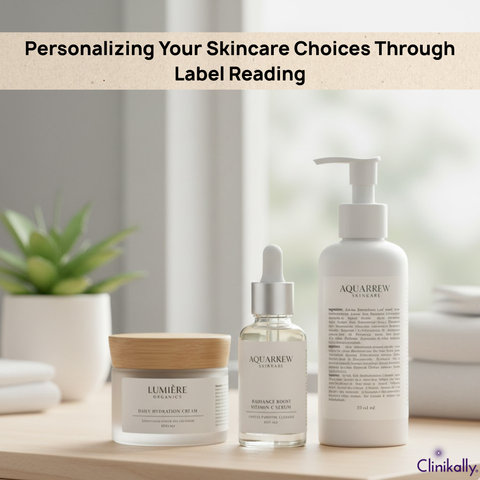
Personalizing your skin-care choices by reading labels carefully empowers you to build a routine that truly supports your skin goals. With the increasing demand for clean beauty, science-backed skin care, and dermatologist-approved products, understanding peptides, antioxidants, ceramides, and hyaluronic acid helps you choose formulas that suit your skin type. You will be able to recognize potential skin irritants while prioritizing high-performance actives to curate a targeted routine that offers improved radiance, strengthens the skin barrier, and yields long-term results. As skin health, antiaging solutions, and customized skincare routines are in the spotlight, mastering label reading will ensure that you pick products that are effective, safe, and in tune with the latest beauty trends.