Vitamin B-Complex: Unveiling Benefits, Side Effects, and Dosage

Vitamin B-complex is a group of nutrients that are indispensable to several biological functions, from metabolism for energy to the correct operation of the brain. Eight vitamins are water-soluble: B1 or Thiamine, B2 or Riboflavin, B3 or Niacin, B5 or Pantothenic Acid, B6 or Pyridoxine, B7 or Biotin, B9 or Folic Acid, and B12 or Cobalamin. D. Each vitamin was discovered to have a particular function in the body's metabolism-that is, the conversion of available nutrients into energy, formation of red blood cells, and proper function of nerves-cause these vitamins are soluble in water, they cannot be stored in the body and must be replenished on an ongoing basis through diet or supplements. Though such supplements are generally well-tolerated, over intake above recommended dosages can result in unwanted side effects. Thus, benefits and potential risks must be understood along with appropriate dosages so that health may be enhanced without evil consequences.
Understanding Vitamin B-Complex: A Comprehensive Overview
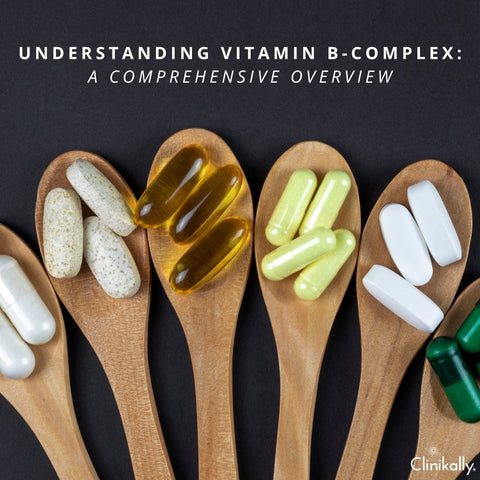
Vitamin B-Complex is a complex group of important water-soluble vitamins, and it can uptake to their essential roles in sustaining the overall health and well-being. This group is essentially composed of eight different vitamins, which serve various functions, including producing energy, enhancing the activity of the brain, and ensuring healthy skin and nerve cells. In foods such as eggs, dairy, meat, whole grains, and leafy greens, these vitamins enable the body to convert carbohydrates into energy, produce red blood cells, and metabolize healthily.
The Vitamin B-Complex also causes numerous psychological benefits. A lack of one or more of these leads to a whole range of issues caused by health problems, such as fatigue, anemia, mood disorders, and damage to nerves. B vitamins help bring several benefits to the body, from metabolic energy from Vitamin B1, strong immune function with B6, to healthy cognitive processes through B12. The best way to ensure health and vitality is constant is by making sure one's diet remains well-balanced with all the B-Complex vitamins.
The Science Behind Vitamin B-Complex Benefits: How It Nourishes Skin and Hair

Vitamin B-complex: A group of eight water-soluble vitamins, that preserves both skin and hair health. These vitamins combined perform several cellular functions leading to a healthy growth of skin and hair.
The benefits of Vitamin B-Complex for Skin are multifold:
-
It aids the process of converting the food material into Energy, which cells require to grow, repair, and function in general.
-
Turnover of the Cells: B vitamins maintain the natural turnover of skin cells, thus keeping a healthy quality and glow to the skin.
-
Collagen Synthesis: B vitamins ensure that sufficient amounts of collagen are produced in the body. Collagen is a protein that provides resistance and elasticity to the skin.
-
Antioxidant Protection: Antioxidants are some B vitamins, which thus protect the skin from free radical damage and lead to hastened aging.
-
Sebum Regulation: B vitamins help regulate sebum production, thus preventing dry and oily skin conditions.
Vitamin B-Complex Benefits Hair in many ways:
-
Hair Growth: B vitamins, especially biotin, support keratin production, which is the protein of the hair strands. B vitamins are integral to healthy hair growth. Hair Follicle Health: B vitamins feed the hair follicles, making them healthy and alive.
-
Hair Loss Prevention: Deficient intake of several B vitamins, including biotin and vitamin B12, may lead to hair loss. Proper supplementation is essential in preventing this disease.
-
Hair Texture and Strength: B vitamins make hair finer, less brittle and softer, smoother, less prone to breakage etc.
Certain essential vitamins for optimal and healthy skin and hair are:
-
Niacin: Keeps skin healthy looking, with minimal erythema.
-
Pantothenic acid: Maintains healthy skin and hair.
-
Riboflavin: Healthy condition of the skin and also causes hair growth.
-
Biotin: Supports hair growth, strengthens nails and nourishes skin.
Supplements, although valuable in their contributions, should always be taken after consultation with a doctor. Balanced diets full of whole foods-protein intake, whole grains, fruits, and vegetables-would abound with enough B vitamins to realize the ideal body skin and hair condition.
B-Complex Vitamins Explained: Types, Functions, and Sources

B-complex vitamins are eight water-soluble vitamins of the human body. They play a vital role in energy production, cell growth, and overall health. Each one functions differently but, altogether, they constitute a full complement to ensure general wellness.
Types of B-Complex Vitamins
-
Thiamine (Vitamin B1):
-
Functions: It helps the body convert carbohydrates to energy, supports nerve function, and keeps the heart healthy.
-
Sources: Pork, whole grains, legumes, nuts, and seeds.
-
Riboflavin (Vitamin B2):
-
Functions: Assists in energy production; plays a vital role for healthy skin and eyes; antioxidant.
-
Sources: Milk, meat, eggs, fortified cereals, green leafy vegetables.
-
Niacin (Vitamin B3):
-
Functions: Converts food to energy; also helps in maintaining healthy skin, nerves, and digestive system.
-
Sources: Meat, poultry, fish, whole grains, and legumes.
-
Pantothenic Acid (Vitamin B5):
-
Functions: It is involved in energy metabolism, helps maintain adrenal gland functions, and supports the processes involved in hormone production.
-
Sources: Meat, poultry, fish, whole grains, legumes.
-
Vitamin B6:
-
Functions: It improves brain development, certain functions of the immune system, and red blood cell production.
-
Sources: Meat, poultry, fish, whole grains, and legumes.
-
Biotin (Vitamin B7):
-
Functions: It maintains healthy hair, skin, and nails and is also considered a metabolite.
-
Sources: Liver, egg yolks, nuts, seeds, and whole grains .
-
Folate (Vitamin B9):
-
Functions: This is the vitamin required to facilitate growth or development especially during the pregnancy.
-
Food sources: Leafy green vegetables, legumes, fortified grains, and citrus fruits.
-
Vitamin B12:
-
Functions: Required for the formation of red blood cells. Also takes care of nerve function and brain function.
-
Food sources: Meat, poultry, fish, shellfish, eggs, and dairy products.
Vitamin B-Complex Dosage: How Much Do You Need Daily?

The daily allowance of vitamin B-complex varies according to age, gender, and whether one is pregnant or nursing. You would be better off consulting a health practitioner or a registered dietician who could advise you on the right dosage for your case.
General RDA for adults is as follows:
-
Thiamine (Vitamin B1): 1.2 mg/day in men and 1.1 mg/day in women
-
Riboflavin (Vitamin B2): 1.3 mg/day for males and 1.1 mg/day for females
-
Niacin (Vitamin B3): 16 mg/day for males and 14 mg/day for females
-
Pantothenic Acid (Vitamin B5): 5 mg/day
-
Vitamin B6: 1.7 mg/day for males, 1.5 mg/day for females
-
Biotin (Vitamin B7): 30 mcg/day
-
Folate (Vitamin B9): 400 mcg/day for adults, 600 mcg/day for pregnant women and 520 mcg/day for breastfeeding women
-
Vitamin B12: 2.4 mcg/day for adults
Conditions that could affect your requirements of vitamin B-complex are:
-
Diet: A whole-grains, fruits, vegetables, lean proteins, and diary products diet may provide you with sufficient B vitamins.
-
Medical conditions: Presence of diseases like anaemia or digestive disorders, pregnancy can increase your requirement of B vitamins.
-
Medications: Some medications may either inhibit the absorption or metabolize some of the B vitamins.
-
Age: The RDA for B vitamins also varies with age.
It must be remembered that over-supplementation of B vitamins can also have side effects. It is always recommended to see a doctor prior to taking any form of supplementation because the best way to ensure adequate intake of B vitamins is a well-balanced and varied diet. A supplement may be recommended if you have any concerns regarding your B vitamin status or any specific dietary requirements.
Potential Side Effects of Vitamin B-Complex: What You Should Know

While Vitamin B-Complex is generally nontoxic and necessary for maintaining health, hypersensitivity to some B vitamins or overuse can cause negative consequences. As these are water-soluble vitamins, any excess intakes are obviously excreted out of the body through urination. Nevertheless, high intake through supplementation may cause untoward effects in sensitive individuals. Being aware of how side effects occur allows you to control your intakes to reap the benefits of the vitamins without negative side effects.
Common Side Effects: Navigating Potential Reactions to Vitamin B-Complex

While vitamin B-complex is generally safe to take at prescribed dosages, an overdose or specific sensitivities can produce various side effects. Here is a more detailed discussion:
-
Gastrointestinal Upset
-
Nausea and vomiting: A high dose of specific B vitamins, such as niacin causes gastrointestinal upset.
-
Diarrhea: Large quantities of B vitamins, particularly folate, can lead to diarrhea.
-
Constipation: A few users of vitamin B-complex supplements complain of constipation.
-
Skin Reactions
-
Rash: This happens in most patients who are sensitive individuals with allergic conditions.
-
Pruritus: Itching is another form of skin reaction when taking vitamin B-complex supplements.
-
Neurological Effects
-
Headache: Headaches are the other side effects of certain forms of B vitamins, such as niacin.
-
Damage to nerves: Vitamin B6, especially when administered in high dosages, causes nerve damage; it can cause numbness, tingling, and pain in the hands and feet due to such damage.
-
Other Side Effects
-
Flush: This causes a flush-like reaction on the face, neck, and chest. Usually, this condition is reversible.
-
Kidney stones: Overdose of niacin increases the risk of kidney stones.
-
Interaction with medications:
-
Vitamin B-complex interacts with certain drugs. It either reduces their efficacy or creates adverse effects.
If a user experiences any of the aforementioned symptoms, the product should be stopped immediately and a healthcare professional consulted who can diagnose the condition and make necessary adjustments.
Managing Side Effects: Tips for Minimizing Discomfort

If you are on vitamin B-complex and you see those side effects crop out, here are some tips on how to minimize the discomfort:
-
Understanding the Root Causes:
-
Individual Sensitivity: some people may be more sensitive to a certain B vitamins or the formulation of it. Dosage: excessive intake can lead to adverse effects. Interactions: Vitamin B-complex can interact with certain medications or other supplements.
-
Quality of Supplement: Supplements may be of low quality that contains contaminants or preservatives and thus cause negative effects .
-
Minimization Strategies
-
Dose Titration
-
Tapering Dose: If you feel that you are allergic to your supplement, try tapering your dosing gradually. See if the reaction resolves.
-
Consult a Healthcare Provider: Discontinue the supplement and see your doctor or nutritionist for further advice.
-
Other Preparations:
-
Experiment with all types of vitamin B-complex, tablets, capsules, or liquids, to find one less likely to trigger side effects.
-
Time-Release Supplements: Time-release preparations will minimize gastrointestinal irritation.
-
Review Natural Deficiencies:
-
Add Whole Foods: Emphasize an diet rich in foods in the following groups that are high in B vitamins: lean meats, poultry, fish, whole grains, legumes, and leafy green vegetables.
-
No Over-supplementation: In whole food supplementation, there is minimal chance of side effects.
-
Medication and Supplements Check-up
-
Interactions: There must be an interaction between the vitamins and other medications or supplements that you are using.
-
See a Health Care Provider: In case you have doubts, consult a doctor or pharmacist.
-
Allergies Check-up
-
Allergic reactions: If a person has existing allergies, they should be careful when applying supplements because it may contain allergens.
-
Consult an Allergist: If unsure, see an allergist.
-
Lifestyle Factors:
-
Stress Management: Chronic stress will affect nutrient uptake into the body and may predispose you to vitamin deficiencies. Practice your stress management skills either through meditation, yoga, or deep breathing.
-
Drink adequate amounts of water to facilitate nutrient absorption and ensure overall health.
Following these strategies minimizes discomfort and maximizes vitamin B-complex intake for overall well-being.
Dosage Recommendations for Vitamin B-Complex: Finding the Right Balance

Vitamin B-complex supplements generally include all of the eight B vitamins, which are very important for metabolism, energy production, red blood cell formation, and other normal body processes. Here's a general guide to the dosage recommendations for a standard B-complex supplement:
-
Individual Needs: The dosing may vary according to your age, diet, general health, and medication. Then you need a doctor who can gauge the right dosage for you.
-
Adult: This is an average adult with no illness. A B-complex supplement daily for this person may contain the following.
-
B1 (Thiamine): 1.2 mg
-
B2 (Riboflavin): 1.3 mg
-
B3 (Niacin): 16 mg NE (Niacin Equivalents)
-
B5 (Pantothenic Acid): 5 mg
-
B6 (Pyridoxine): 1.3 mg
-
B7 (Biotin): 30 mcg
-
B9 (Folic Acid): 400 mcg
-
B12 (Cobalamin): 2.4 mcg
-
Children and Teens: The doses children and adolescents need are typically lesser, and should be more appropriate in quantity and based on age and body mass:
-
1-3 years: about 50% or so of adult dosing
-
4-8 years: 60-70% of adult dosing
-
9-13 years: 80-90% of adult dosing
-
4-18 years: Adult dosing
-
Pregnancy and Breastfeeding: Pregnant or breastfeeding women may need increased dosages, particularly B9 for preventing birth defects and B12 to ensure proper growth of the fetus. A healthcare provider can advise on exactly what these would be.
-
Elderly Clients: The elderly may require increased dosages of some of the B vitamins, such as B12, since absorption worsens with age.
-
Health Conditions: Certain health conditions such as alcohol dependence, disorders of malabsorption or chronic diseases may increase the body's requirements for B vitamins.
While one should avoid high doses of B vitamins, because high doses of certain vitamins can produce unwanted side effects, especially those that are fat-soluble, which the body holds in reserve; B-complex, being one of the water-soluble vitamins is relatively safer and should, under normal circumstances be taken according to the recommended dosages unless specifically advised by a healthcare professional.
Personalized Dosage: Factors to Consider for Your Vitamin B-Complex Intake

Even the RDA level for vitamin B-complex can differ based on an individual's personal conditions. Therefore, to establish ideal dosages, you may use the following to calculate your needs or dosage based on your requirements:
1. Age and Gender:
-
Older Adults: Just as one gets older, the body becomes less effective at absorbing nutrients into the body, including B vitamins. Older adults may need more.
-
Pregnancy and Breastfeeding: Pregnant and breastfeeding women need extra amounts of certain B vitamins, such as folate, to support fetal development and development during infancy.
2. Nutrition:
-
Dietary Practice: B vitamins can be obtained through a balanced diet including whole grains, lean proteins, fruits, and vegetables.
-
Dietary Constriction: Dietary limitation decides B12 intake; in particular, veganism and vegetarianism get B12 from supplements due to their restrictions on not eating products based on animals.
3. Medical Condition:
-
Diseases: Certain diseases, including Crohn's disease and celiac disease, may hamper the absorption of nutrients, including B vitamins.
-
Anemia: Pernicious anemia, for example is one kind of anemia caused by vitamin B12 deficiency.
4. Medications:
-
Medication Interactions: There are some medicines which either stop proper absorption and metabolism of B vitamins. For example, certain antibiotics may interfere with the absorption of folate .
5. Genetics:
-
Genetic Differences: The impact of genetic influences on the body's ability to absorb and utilize B vitamins is different for one person compared to another.
6. Lifestyle Influences:
-
Alcohol and Smoking: Excessive alcohol consumption and smoking affects the process of utilization and leads to deficiencies in B vitamins.
-
Stress: Nutrient uptake is changed in a chronic stress condition, and the requirement of specific B vitamins is increased.
One should consult with a healthcare provider or registered dietitian to establish the exact amount of a vitamin B-complex that best suits him or her. It will depend on some diagnosis of the person's dietary and lifestyle habits, medical history, and other factors most influencing his life.
Integrating Vitamin B-Complex into Your Routine: Tips for Maximum Benefits

Vitamin B-Complex can really add zest to life with significant boosts in energy, development in brain functioning, and overall health. For best benefit, apply to receive these vitamins through a balanced diet supplemented with whole grains, lean meats, eggs, dairy, and leafy greens. If supplementing is necessary, ensure it is done with the care of a health provider to be positive on how much can fit you. It is also best to have the B vitamins during the morning time since they might be able to transfer food into energy and make you stay awake all day. Monitoring your intake and adjusting according to it will help keep you at optimal levels of these essential nutrients, thus promoting long-term wellness and vitality.