Vitamin C at Night? Here’s Why You Should Rethink Your Routine

We often read about Vitamin C's benefits for skincare, but when is it best to use it? Many individuals apply it in the morning, believing it is the most effective way to protect their skin from external irritants. In this blog, we'll look at the growing trend of utilizing Vitamin C at night, and why you should reconsider your skincare regimen.
The Role of Vitamin C in Skincare
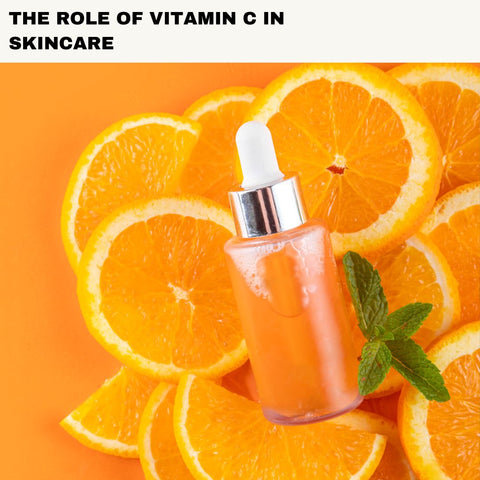
We often read about Vitamin C's benefits for skincare, but when is it best to use it? Many individuals apply it in the morning, believing it is the most effective way to protect their skin from external irritants. However, there is a growing case for utilizing Vitamin C at night, and here's why you should reconsider your skincare regimen.
-
Vitamin C is a potent antioxidant: Vitamin C, also known as ascorbic acid, is a potent antioxidant that helps to neutralize free radicals produced by UV exposure, pollution, and environmental stresses. While Vitamin C is commonly used in the morning for daytime protection, it can also have significant nighttime advantages.
-
Vitamin C can be susceptible to light: One of the primary reasons for applying Vitamin C at night is that the substance is sensitive to light and air. When exposed to sunlight or extreme temperatures, Vitamin C degrades rapidly, losing much of its potency. Using Vitamin C throughout the day exposes it to more light, perhaps reducing its efficacy over time.
-
Vitamin C can promote photosensitivity: While Vitamin C is a powerful antioxidant, it can also make your skin more sensitive to sunlight. Although it does not directly cause sunburn, it can raise your risk of sunburn and UV damage if exposed to direct sunlight shortly after use.
-
Increasing collagen production overnight: One of the primary advantages of Vitamin C is its involvement in collagen creation. Collagen helps to retain skin suppleness, reduce fine lines and wrinkles, and provide a more youthful appearance. Vitamin C promotes collagen synthesis and protects it from degradation.
-
Increased skin absorption at night: Your skin's ability to absorb and benefit from active substances is enhanced at night. Your skin heals itself while you sleep, allowing it to absorb products more effectively.
-
Pairing vitamin C with nighttime skincare ingredients: Vitamin C can be used in conjunction with other evening skincare components that work well together. Many people combine Vitamin C with retinol or AHAs/BHAs—active substances that perform best at night.
-
Importance of consistency: Consistency is essential for getting the most out of vitamin C. If you use it at night, you can incorporate it into your regimen without worrying about sun exposure or the breakdown of its active ingredients during the day.
-
Combining vitamin C with nighttime recovery products: Another reason to use vitamin C at night is because it works well with other mending or calming substances that help to restore your skin's health overnight. Many skincare products include recovery serums and moisturizers that promote skin regeneration.
How Vitamin C Works to Protect and Repair Skin

Vitamin C is one of the most recognized skincare compounds, and for good reason: it protects and repairs the skin. Vitamin C's strong characteristics make it a skincare must-have, whether you're using it to brighten your complexion, combat signs of aging, or protect your skin from environmental stress. Here's an explanation of how it protects and repairs your skin:
-
Powerful antioxidant protection: Vitamin C is a powerful antioxidant, which means it helps to neutralize free radicals, which are unstable chemicals that can damage skin cells. Sunlight, pollution, tobacco, and other environmental stressors all produce free radicals. When free radicals build, they can cause accelerated aging, inflammation, and cellular damage.
-
Boosts collagen synthesis: Vitamin C is required for the creation of collagen, a protein that gives your skin strength, suppleness, and structure. Collagen degrades gradually as we age, resulting in drooping skin, wrinkles, and loss of firmness. However, Vitamin C stimulates collagen formation, resulting in firmer, plumper skin.
-
Reduces hyperpigmentation and black spots: Vitamin C's brightening qualities can help enhance skin tone and lessen the appearance of hyperpigmentation. This comprises dark patches, sun spots, and post-inflammatory hyperpigmentation (PIH), which is commonly observed following acne scars or skin inflammation. Vitamin C acts by suppressing the synthesis of melanin, the pigment that causes dark spots.
-
Reduces inflammation: Inflammation is a major contributor to a variety of skin issues, including redness, sensitivity, and acne or rosacea. Vitamin C has anti-inflammatory effects that can soothe and decrease skin inflammation.
-
Strengthens the skin barrier: The skin's barrier function is critical for moisture retention, protection from hazardous exterior factors, and prevention of trans-epidermal water loss (TEWL). Vitamin C reinforces the skin barrier, making it more resistant to environmental damage.
-
Improves skin radiance: Vitamin C is well-known for brightening the skin and giving it a healthy, glowing appearance. It enhances skin texture and eliminates the look of dullness. Vitamin C also aids in cell turnover, allowing fresh, young skin cells to rise to the surface, leaving the skin appearing healthy.
-
Protects against UV damage: While Vitamin C is not a replacement for sunscreen, it can offer further protection against the harmful effects of UV radiation. UV radiation is a leading cause of skin aging, sunburn, and skin cancer. Vitamin C protects the skin from UV damage by neutralizing the free radicals created when exposed to sunshine.
-
Reduces puffiness and dark circles: Vitamin C's anti-inflammatory qualities might help the sensitive under eye area. It helps to minimize puffiness and dark circles, which are commonly caused by poor circulation, a lack of sleep, or excessive fluid retention. Vitamin C promotes blood circulation and enhances skin tone in this area.
The Connection Between Vitamin C and Sun Exposure

While sunscreen is the first line of defense against UV damage, Vitamin C provides extra protection and healing benefits, making it an important part of your skincare routine. Its ability to neutralize free radicals, increase collagen formation, minimize pigmentation, and speed up healing makes it an indispensable ally in your battle against sun exposure. Incorporating Vitamin C into your morning skincare routine and mixing it with sunscreen protects, brightens, and rejuvenates your skin.
Does Vitamin C Work Better During the Day?

Yes, Vitamin C is more effective during the day, and here's why:
-
Sun exposure protects against free radicals: One of Vitamin C's key benefits is its antioxidant activity. Throughout the day, your skin is continually exposed to UV radiation, pollution, and other environmental stressors that produce free radicals, which are unstable chemicals that can damage skin cells. Vitamin C helps to neutralize free radicals, providing further protection and lowering oxidative stress. This is especially critical in the morning, as the sun's rays are the primary cause of free radical damage.
-
Improves sunscreen effectiveness: While sunscreen is necessary for UV radiation protection, Vitamin C can increase the effectiveness of your sunscreen. According to research, combining Vitamin C with sunscreen provides superior UV and free radical protection. Vitamin C helps to decrease sunburn, skin redness, and UV-induced DNA damage.
-
Vitamin C promotes collagen production and skin repair: Collagen synthesis is required to preserve skin structure and suppleness. Collagen is constantly generated and broken down in the skin, but sun exposure and environmental pollution can speed up the breakdown, resulting in sagging and the creation of fine wrinkles.
-
Reduces the risk of hyperpigmentation: Sun exposure is the leading cause of hyperpigmentation, including dark spots, sun spots, and uneven skin tone. Vitamin C is believed to decrease melanin production, hence reducing and preventing the growth of these dark patches. It can also brighten the skin, resulting in a more even complexion over time.
-
Skin regeneration throughout the day: Your skin is constantly responding to environmental variables such as UV radiation, wind, and pollution. Vitamin C aids in the skin's regeneration process by encouraging faster cell turnover and improving the skin's capacity to recover from daily stresses.
-
Nighttime vitamin C as effective: While vitamin C has benefits at night, it may not be as effective or necessary because your skin's primary problem at night is hydration and healing, not free radical damage or sun exposure. While Vitamin C can still aid in nocturnal skin regeneration, the effects of free radical defense and collagen production are more noticeable during the day.
Why Using Vitamin C at Night May Not Be Ideal

Vitamin C is most effective when used throughout the day since it protects against UV damage, free radicals, and pollution, all of which are more prevalent during daylight hours. Using Vitamin C at night may not provide the same amount of benefit because the skin is not exposed to these stresses. Furthermore, Vitamin C's stability can be weakened at night, therefore other substances may function better during this time.
Increased Sensitivity and Potential Irritation

Vitamin C can be an extremely useful element for your skin, but it can also cause sensitivity and irritation, especially if you have sensitive skin or use excessive doses. The trick is to begin cautiously, use softer formulas, and always follow up with sunscreen. Understanding your skin's specific demands and progressively increasing your tolerance can allow you to experience the brightening, collagen-boosting, and antioxidant benefits of Vitamin C without discomfort.
Disrupting Your Skin’s Natural Overnight Repair Process

While Vitamin C is an extremely powerful and beneficial substance for many elements of skincare, consuming it at night can interfere with your skin's natural nightly repair process. The key to improving your skincare routine is to use Vitamin C in the morning, which provides your skin with the protection it requires during the day while allowing it to properly regenerate and repair itself overnight.
Why Dermatologists Recommend Morning Use

Dermatologists frequently recommend using Vitamin C in the morning as part of your daily beauty routine for a variety of reasons. Vitamin C's particular characteristics, combined with the skin's natural cycles, make it especially effective during the day. Vitamin C is most effective when applied in the morning for UV damage and free radical protection, strengthening sunscreen protection, vitamin C's collagen-boosting impact, avoiding hyperpigmentation and lightening skin, vitamin C stability, and reducing inflammation and redness.
The Best Way to Incorporate Vitamin C into Your Routine

Vitamin C is a powerhouse ingredient known for its brightening, anti-aging, and antioxidant properties. When used correctly, it can transform your skin by reducing dark spots, boosting collagen production, and protecting against environmental damage. The best way to incorporate Vitamin C into your routine for optimal results is:
-
Select the appropriate form of vitamin C: There are numerous types of vitamin C available in skincare products. Some are more consistent and efficient than others. Here's everything you should know about L-Ascorbic Acid, Sodium Ascorbyl Phosphate, Ascorbyl Glucoside, and Magnesium Ascorbyl Phosphate.
-
Time of application: Vitamin C is an antioxidant, which means it helps neutralize free radicals and protects your skin from UV rays and pollutants. This makes it most effective when used in the morning.
-
Cleanse and tone your skin before applying vitamin C: To best absorb vitamin C, make sure your skin is clean and hydrated before applying it.
-
Layering Vitamin C in Your Routine: When incorporating Vitamin C into your skincare routine, you must understand how to layer it appropriately with other products. Follow this order for maximum efficacy: cleanser, toner (optional), vitamin C, moisturizer, and sunscreen.
-
Start gently (particularly with higher concentrations): If you're new to Vitamin C or using a high-concentration formula (over 15%), it's best to start slowly. Vitamin C is strong and may cause discomfort, particularly in people with sensitive skin.
-
Avoid mixing vitamin C with certain ingredients: While vitamin C is an excellent ingredient, it may not work well with all of them. Avoid stacking it with active substances like retinol and alpha/beta hydroxy acids.
-
Use vitamin C consistently: To have the finest outcomes, use vitamin C on a consistent basis. Vitamin C can help remove dark spots, brighten skin, and improve collagen synthesis, although the results may take several weeks to manifest. Follow your program for at least 4 to 6 weeks to notice significant improvements in skin tone and texture.
-
Examine the packaging and stability: Vitamin C is sensitive to light, heat, and air, which can degrade its effectiveness over time. To get the most out of your vitamin C supplement, look for opaque or airtight packaging, avoid jars, and check the expiration date.
-
Be patient: While Vitamin C is incredibly useful, it requires patience. Consistency, like any other active ingredient, is critical to attaining results. Following a few weeks of use, you should see an improvement in skin brightness, tone, and fine wrinkles.
-
Adjust to your skin type: For delicate skin, use a moderate dose of Vitamin C. To alleviate discomfort, go for lower concentrations (about 10%). For oily or acne-prone skin, apply a gentle Vitamin C serum that is non-comedogenic and devoid of heavy oils. Vitamin C can help treat acne-related hyperpigmentation. To brighten and moisturize dry skin, look for vitamin C solutions that contain hydrating components such as hyaluronic acid.
How to Pair Vitamin C with Other Ingredients

Vitamin C is a versatile skincare powerhouse, but when combined with the correct substances, its effects can be enhanced and yield even better results. Here's how to combine Vitamin C with other substances for the most effective skincare routine.
-
Vitamin C + Sunscreen: This combination is one of the most crucial parts of your skincare regimen. Vitamin C is an antioxidant that neutralizes free radicals and protects the skin from sun damage, pollution, and other environmental aggressors. Sunscreen, on the other hand, protects against UV radiation, preventing sunburn and premature aging. Together, they offer further protection against skin damage.
-
Vitamin C + Hyaluronic Acid: If you have dry or dehydrated skin, Vitamin C combined with Hyaluronic Acid can improve moisture and give you a beautiful shine. Vitamin C is great for brightening, and Hyaluronic Acid pulls water to the skin, keeping it plump and hydrated. This combo helps to maintain your skin's moisture balance while also brightening it.
-
Vitamin C + Niacinamide: There is often confusion over whether Vitamin C and Niacinamide can be taken together. The good news is that they can, and they function great together! Niacinamide (Vitamin B3) is excellent for lowering redness, inflammation, and hyperpigmentation, and it effectively counteracts the potentially irritating effects of Vitamin C. It also helps with moisture retention, skin barrier restoration, and minimizing fine wrinkles.
-
Vitamin C + Retinol (Nighttime): Retinol is known for its ability to decrease fine lines, wrinkles, and uneven skin tone, while Vitamin C enhances the anti-aging benefits. While vitamin C is most effective as an antioxidant in the morning, retinol (or retinoids) should be administered at night because it makes your skin more susceptible to the sun. Using both at different times of day (Vitamin C in the morning and Retinol at night) guarantees that you obtain both of their brightening and anti-aging benefits without irritating your skin.
-
Vitamin C + Peptides: Strengthen Skin Barrier: Peptides are amino acids that contribute to the formation of proteins in the skin, particularly collagen and elastin, which give the skin's firmness and elasticity. Vitamin C stimulates collagen formation, whereas peptides heal and improve the skin barrier. They act together to firm, smooth, and fortify the skin, which improves its texture and suppleness.
The Right Time and Order for Maximum Effectiveness

To achieve the finest benefits from your skincare routine, apply items in the proper order. The timing, stacking, and combination of components can all have a substantial impact on the performance of each product, particularly with potent compounds like Vitamin C. Here's a guide to the best time and sequence to apply your skincare products, with an emphasis on Vitamin C.
-
Cleanse first: Always start your skincare routine with a cleanse. Cleaning removes dirt, oil, makeup, and other impurities from your skin, making it more susceptible to the active elements in the products you use later.
-
Tone (optional): After cleansing, use a toner. While toners are not required for everyone, they can help to restore your skin's pH, moisturize it, and prepare it to absorb active chemicals more efficiently.
-
Apply Vitamin C Serum: Vitamin C is most effective in the morning to protect your skin from free radicals and UV damage throughout the day.
-
Apply Treatment Serums: Depending on your skin concerns, you may wish to follow up with Niacinamide, Hyaluronic Acid, or Peptides. Hydration, skin barrier restoration, and brightening are some of the other benefits that these serums offer.
-
Moisturizer: Finally, apply a moisturizer to seal in all of the active ingredients and keep your skin hydrated.
-
Sunscreen: The Final and Most Important Step: The final step in your morning regimen should always include sunscreen. Sunscreen is essential for protecting your skin from damaging UV rays, which can cause premature aging, hyperpigmentation, and an increased risk of skin cancer.
-
Nighttime Routine: Since your skin is in repair mode at night, you can utilize retinol or retinoids. These substances promote collagen formation, minimize fine wrinkles, and improve skin texture.
Mistakes to Avoid When Using Vitamin C in Skincare

Vitamin C is a powerful ingredient for achieving glowing, youthful skin, but to get the most out of it, you should avoid a few common mistakes. To properly incorporate vitamin C into your routine and maximize its benefits, such as using vitamin C in the wrong form, applying vitamin C on wet skin, skipping sunscreen after applying vitamin C, applying vitamin C with irritating ingredients, using an expired or oxidized Vitamin C product, using too much vitamin C, forgetting to patch test, not using vitamin C regularly, applying vitamin C on top of thick moisturizers, overlooking vitamin C's pH sensitivity, expecting in
Should You Ever Use Vitamin C at Night?

Ideally, Vitamin C should be applied in the morning to shield your skin from environmental harm throughout the day. However, consuming Vitamin C at night can still be beneficial if you want to lighten your face, minimize hyperpigmentation, or support collagen creation during the skin's nightly healing phase. If you decide to consume vitamin C at night:
-
To avoid irritation, do not use it with retinol or exfoliating acids in the same routine.
-
To avoid oxidation, make sure your Vitamin C serum is stable and properly formulated.
-
Apply it to clean, dry skin and let it absorb completely before applying any moisturizer.