Volumizing Hair Spray Hazards: What It Does to Your Hair and Scalp
Craving that big, bouncy, salon-like volume that stays put all day? The hair volumizing sprays can do that within seconds. However, regular application of the incorrect formula to your scalp will trade the lift you have now for can lead to problems like scalp irritation, hair dryness, brittleness, breakage, and even buildup-related dandruff. We unveil the use of volumizing hair spray side effects, the mechanism of action of the chemicals in hair spray, the group with the highest risk of hair styling spray damage, and how to style smarter in this article. You will also discover how to use non-toxic hair sprays, safe hair styling sprays, and a step-by-step guide on how to cleanse the hair spray build-up without destroying your hair.
Understanding Volumizing Hair Spray and Its Ingredients
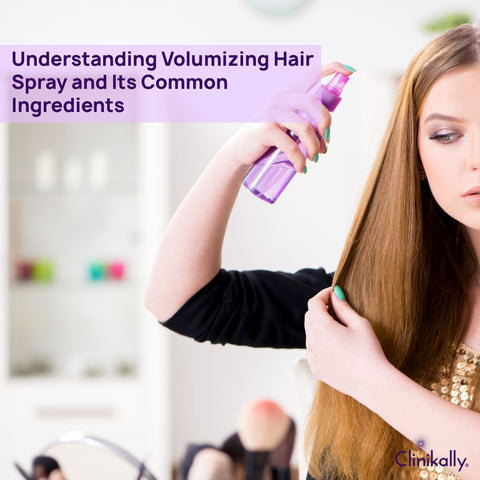
Volumizing hair spray is a fixative mist that adds lift and hold at the root or throughout the lengths. The volume effect comes from a thin film that stiffens or slightly thickens hair fibers so they resist collapse and separate more easily.
Chemical Composition: What’s Inside a Hair Spray?
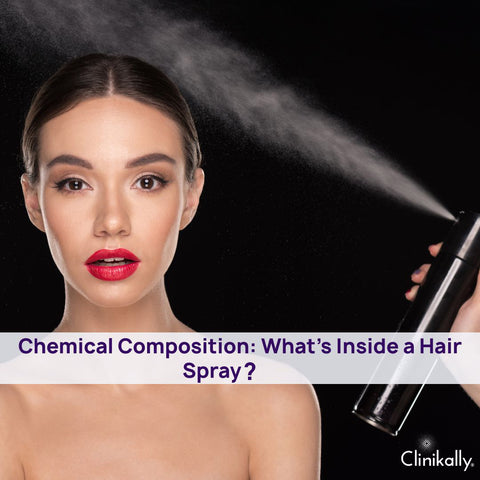
Volumizing hair spray can appear as a basic, simple styling mist, but one can easily find that each can is a well-designed cosmetic formula. No matter the type of volumizing spray, texture spray, or strong-hold finishing mist that you are using, they generally have four main building blocks, all of which work in somewhat different ways with your hair and scalp.
1. Film-Forming Polymers
These are the constituents of any hair spray. The film-forming polymers cover every hair strand with a very thin, invisible coating that allows the hair to stay put in the shape you styled it.
Typical ingredients: PVP (polyvinylpyrrolidone), VP/VA copolymer, and copolymer of vinyl acetate-crotonic acid.
Function: They form a stretchy net that holds the volume at the roots, helps keep the hair in the air, and prevents humidity that can flatten styles.
Why it matters: Hairspray would simply feel like perfumed water without these polymers - no hold, and no memory of the shape.
2. Solvents
The Carrier Which Conveys the Formula. Polymers are not liquids and hence require a medium to dissolve in; solvents come in.
Common solvents: Alcohol denat, ethanol, or an alcohol and water mixture.
Function: They hold the polymers in a liquid state in the can, and upon spraying, they rapidly evaporate so that the film dries quickly.
Pros and cons: Fast-drying alcohols will provide that immediate set, but constant use may result in dryness of hair and scalp. Search for formulas that are in balance with conditioning agents when your hair is brittle.
3. Plasticizers & Neutralizers- The Flex Factor
An extremely rigid film would stiffen the hair, and it could break easily. That is solved with plasticizers and neutralizers.
Examples: Aminomethyl Propanol and some cosmetic esters.
Function: They make the polymer film soft and plastic, hence flexible, so that hair can move naturally without snapping.
Benefit: This set of ingredients is what makes it possible to brush through your hair (at least partially) even after applying a good-quality spray.
4. Propellants - The “Power” Behind Aerosols
Propellants are found in aerosol sprays and are what propel the liquid out of the can and make it a fine and even mist.
Popular propellants: Butane, isobutane, propane, or hydrofluorocarbon-152a.
How These Ingredients Interact with Hair and Scalp
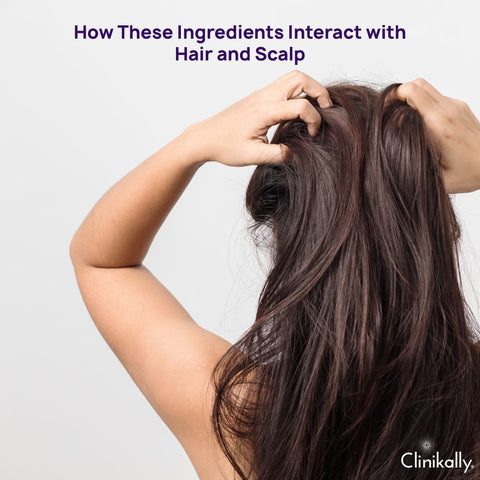
On hair: As you spray, the film-forming polymers (such as PVP or VP/VA copolymer) envelop each strand and dry to a thin and invisible layer. This coating firms the hair shaft slightly, which causes strands to be separated from one another - providing that desirable lift, bulk, and hold all day long. These polymers prevent the hair from collapsing in rainy seasons because they are resistant to moisture.
-
Silicone is commonly incorporated into hairspray, and it is an oily slime that is applied to the surface of the hair to give it a smooth, shiny look. They also decrease the friction between strands, which contributes to avoiding tangling. But when overused, it can accumulate, leaving hair feeling heavy, sticky, or coated, and it needs clarifying shampoos to get all of it off.
Zarywin Anti Hair Fall Shampoo
Treatroot Shampoo For Silky & Shiny Hair
Justhuman Hair Fall Therapy Shampoo
-
With time, when repeated polymering is done and cleansing mechanisms are not implemented, the polymer can become dull and hard, where the hair is no longer elastic and may break easily when brushing.
On scalp/skin: Hair sprays are not commonly made to be applied on the scalp directly, but to be applied on the hair fiber.
-
Cosmetic alcohols (as solvents) may strip natural scalp oils when used regularly, resulting in dry or tight skin.
-
Fragrances are considered one of the leading causes of cosmetic allergies and may cause allergic contact dermatitis, which can cause itching, redness, or scaly hairline and part.
-
Individuals who have seborrheic dermatitis, eczema, or psoriasis tend to have flare-ups when sprays contact the scalp frequently, as preservative or fragrance ingredients may worsen the disorder.
Volume Today, Damage Tomorrow: An Overview
It's like magic when you use a brief spritz of volumizing hair spray; your hair looks full, bouncy, and ready for the day. However, issues start when it becomes a daily habit or is used improperly, even if infrequent use is usually regarded as harmless and only slightly harmful.
A thick layer of polymers may be applied to your hair and scalp from frequent, intense spraying, which can hinder the skin's ability to breathe and the natural oils' ability to balance. This can result in some problems over time:
-
Brittle, stiff hair: The very polymers that give you sky-high volume can also make hair less flexible. When hair becomes too rigid, it’s more likely to snap while brushing or styling.
-
Breakage: Several uses without proper cleansing causes residue buildup, which roughens the hair shaft and leads to split ends and mid-shaft breakage.
-
Dry, itchy scalp: Solvents and Alcohols in spray formulas can strip away natural moisture, leaving your scalp feeling tight and uncomfortable.
-
Dandruff-like symptoms: Residue mixed with sebum can clog follicles and create scalp buildup that looks like dandruff from hair spray, even if it’s irritation rather than a fungal issue.
-
Allergic reactions: For fragrance-sensitive individuals, even a small amount of scented hairspray can cause redness, itching, or rash along the hairline, neck, or ears.
Side Effects of Frequent Use of Hair Spray
Hair spray as a volumizer will provide temporary lift, but overuse of this product will do silent damage to your hair and scalp. The polymers and alcohols used to form become fragile and lose moisture over time, build up, and make the strands more vulnerable. Itching, flaking, dryness, or even breakage may occur when sprays become part of your everyday routine. To help you learn to wear your smart clothes and still maintain a healthy head of hair, let’s take a look at the most popular volumizing hair spray side effects:
Scalp Irritation and Sensitivity
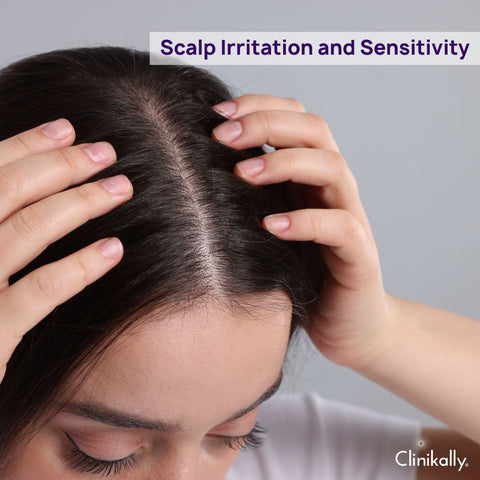
Scalp irritation from spray doesn’t always show up immediately; sometimes it’s subtle at first, like a mild itch or tightness that you ignore after styling. However, just a couple of hours or even the following day, you may find your head turning red or have little flakes and even a burning itch, which makes you want to scratch your head all the time. This happens to the majority of individuals who use volumizing sprays regularly, and more so when the product is applied to the head rather than to the hair alone.
There are two main reasons this happens:
1. Fragrance Allergens: Fragrance is one of the biggest hidden triggers of scalp irritation. Ingredients like Balsam of Peru, limonene, and linalool hydroperoxides are frequently flagged by dermatologists as top causes of allergic contact dermatitis. Even if you love that fresh, salon-like scent when you spray, your scalp might see it as an invader and react with inflammation. If you already deal with sensitive scalp care, eczema, or psoriasis, the risk is even higher. That’s why dermatology experts almost always recommend choosing fragrance-free products rather than “unscented” ones; the latter may still contain masking fragrances that can irritate your skin just as much.
2. Irritation from Alcohol and Residue Build-Up: A lot of hair sprays rely on fast-drying alcohols to provide that fastening. Although these alcohols are effective, they have the potential to dry out the skin barrier in the long run and leave your scalp bone dry, tight, and flaking. Top that with the coating of product residue that accumulates unless you rinse it out, and you have a formula for continued inflammation. Individuals having seborrheic dermatitis or naturally dry skin usually observe that their symptoms outbreak on days when they apply styling sprays to their hair generously.
What to Look Out For
Some warning signs are easy to miss if you aren’t paying attention. Common symptoms include:
-
Persistent itching that worsens after styling
-
Burning or Redness along the hairline
-
Fine white or yellowish flakes that look like dandruff but worsen after spray use
-
Rash or bumps on the scalp, around the ears, or down the back of the neck
If these symptoms stick around even after switching products or reducing usage, it’s best to see a dermatologist. They can perform a patch test to pinpoint which ingredient is causing the reaction and guide you toward safer alternatives that won’t compromise your scalp health.
Hair Breakage, Dryness, and Brittleness
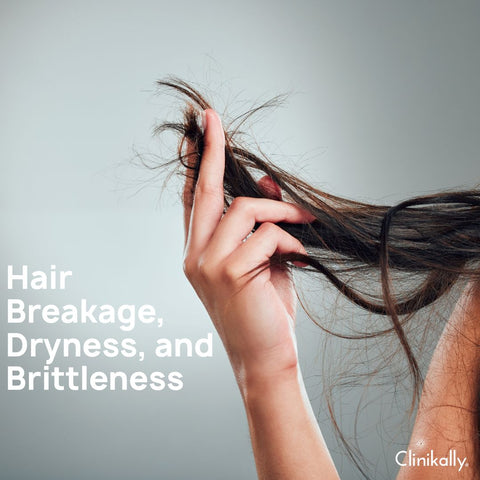
The damage some volumizing sprays can cause to the texture and strength of your hair is one of the most significant issues that worries us whenever it comes to using regular volumizing sprays. Its effect is not universal, varies with the formula you employ and how frequently you employ it, but the tendency is not difficult to observe once you have learned what to observe.
Sprays that contain a lot of alcohol are ideal in terms of instant hold since the alcohol dries up almost instantly, leaving a clean cut, weightless style. However, this has a trade-off with repeated application; surface moisture can be washed away from the hair cuticle, the outer coating that makes each strand of hair smooth. This makes your hair rough, straw-like, and dry after some time, thus increasing your susceptibility to frizzy hair.
Then, there is another problem with the polymer film- the invisible coating that gives hair its adhering ability. Although it does an excellent job in maintaining volume, it may also cause strands to be stiff and rigid. When you attempt to restyle or brush through hair with this film still in place, you can create mechanical breakage, tiny, mid-shaft snaps that leave your hair looking ragged and disheveled. This particularly applies to fine, bleached, or chemically treated hair, in which the cuticle is already fragile.
And we cannot bypass buildup. Each spritz of hairspray has a residue of various polymers, silicones, and other environmental pollutants (such as dust or pollution), which, in a thin sheet coat, coats the hair fiber as time passes. Unless you clarify regularly, this layer becomes thicker and causes hair to appear dull, flattened, and lifeless, besides intensifying tangling and snagging. The result? More separation when you attempt to detangle or arrange.
Your ponytail is a good litmus test. When you touch it and it goes crunchy instead of soft, folds awkwardly instead of moving naturally, or gets into small knots after a few days of spray-heavy weather, you most likely need to deal with hair styling spray damage.
Allergic Reactions and Respiratory Concerns
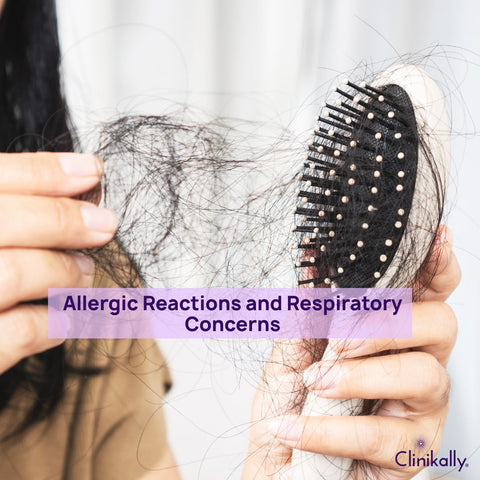
Skin allergies: Fragrance and certain preservatives are leading causes of allergic reaction to hair spray (a type IV delayed hypersensitivity). Patch testing can identify culprits so you can shop smarter.
Eye irritation: Aerosol mists and volatile organic compounds can irritate the eyes, nose, throat, and lungs, particularly in enclosed spaces or with heavy, repeated exposure (salons, backstage). Ventilation and technique matter.
Safety basics: Aerosol labels exist for a reason: avoid eyes, heat/flames, and high temperatures; don’t puncture or store above 120°F.
Safer Styling: Reducing the Risks of Volumizing Spray Use
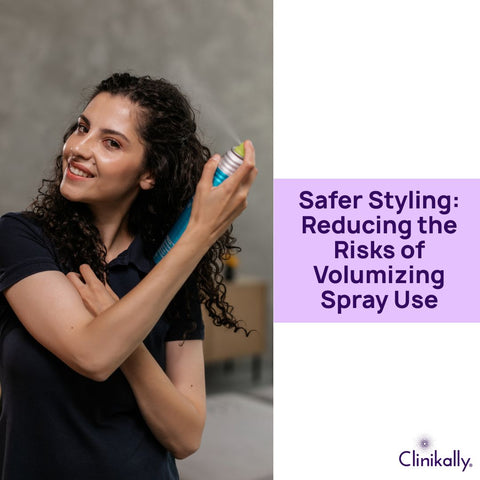
To keep your hair healthy, you don't have to give up your favorite hairstyles. The secret is to understand how to strategically apply volumizing spray so that you may achieve the lift and hold you desire without causing long-term harm. You can style smarter, not harder, with these recommendations, which range from choosing the best recipe to reducing buildup and irritation of the scalp.
Choosing the Right Formula for Your Hair Type
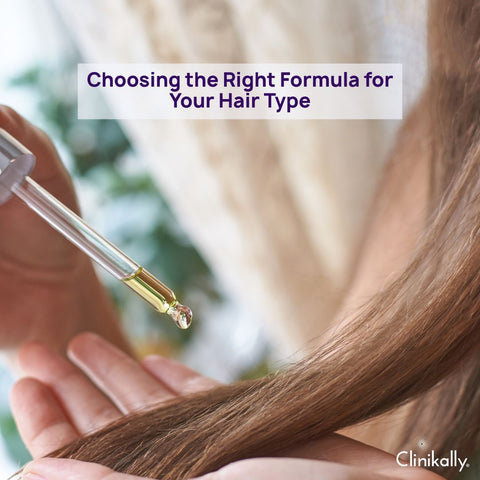
Match your hair spray ingredients to your hair and scalp:
-
Fine, easily weighed-down hair: Look for lightweight polymers (VP/VA, PVP) in non-aerosol or “flexible hold” formats. Avoid heavy silicones.
-
Dry or color-treated hair: Use lower-alcohol or alcohol-balanced sprays, plus plasticizers for flexibility. Follow with hydration on wash days.
-
Sensitive or itchy scalp: Select the fragrance-free sprays and avoid direct scalp application. Patch-test on the inner arm for 48-72 hours if you’re reactive.
-
Frizz-prone waves/curls: Consider a hybrid texture with volume mists that use sugar/rice protein or seawater derivatives, but be cautious: sea salt can be drying, balance with leave-in conditioners.
3Tenx HydraRevive Conditioner For Dull & Dehydrated Hair
Volumizing Hair Spray Alternatives and Natural Options
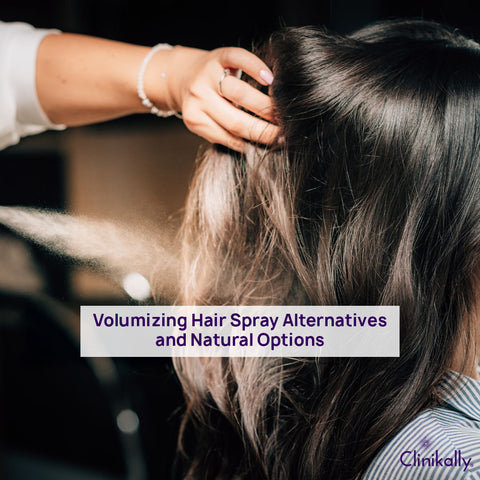
Looking for safe hair styling alternatives or non-toxic hair spray options?
-
Pump (non-aerosol) sprays: Fewer propellants, easier to keep off the scalp.
-
Fragrance-free formulas: Dramatically lower risk if you’re allergy-prone.
-
Root-lifting mousse/foam: Uses similar polymers but distributes via comb, reducing inhalation.
-
Lightweight styling powders: Silica/starch-based for instant root lift; use sparingly to avoid buildup.
-
Heatless setting methods: Velcro rollers at the crown, overnight foam rollers, or clip-setting the section for lift without heavy product.
-
Blow-dry technique: Rough-dry upside-down to 80% before a round brush pass; finish with a small amount of flexible spray held away from the scalp.
Tips for Safe and Occasional Usage
These practices cut the risk of hair fall due to spray (from breakage), flakes, and irritation:
-
Spray Distance: Spray in front of an open window or exhaust fan. Hold the can 8–12 inches (20–30 cm) away; use short bursts.
-
Target hair, not scalp: Lift sections and spray through the mid-lengths and ends, or mist above the head and let it fall onto hair.
-
Hands-scalp contact: After spraying, use fingers/a comb to place hair. Avoid massaging product into the scalp.
-
Brush gently: Use a soft detangler; if hair feels “glassy,” mist with water or a lightweight leave-in before brushing to reduce snap.
-
Rotate products and rest days: Aim for occasional usage, not daily dependency; your hair and scalp get time to recover.
-
Patch-test: Especially if you’ve had allergic contact dermatitis or seasonal flare-ups.
-
Label safety: Keep away from heat or use heat protection hair spray, flames, and eyes; don’t puncture; avoid high-temp storage.
Milk Shake Lifestyling Thermo-Protector
Lador Thermal Heat Protection Hair Spray
Final Thoughts on Healthy, Damage-Free Hair Styling
Each strand of hair is hair, and an optimal hair care routine takes into account your hair type, scalp type, and lifestyle. The following are healthy hair styling tips that you can use to maintain your hair without losing the same volume and style that you love:
-
Know Your Hair Type and Needs: The straight hair is fine and can take light sprays and maybe very little to provide lift, and the coily or curly hair can take alcohol-free or moisturizing versions to prevent drying. The safest choice depends on whether your scalp is sensitive to dandruff, which is why fragrance-free or hypoallergenic products are the best choice.
-
Prep Before You Style: Good, healthy styling begins with a good foundation. Shower frequently enough to clean out the product accumulation, but not so frequently as to divest yourself of your natural oils, usually 2-3 times a week. Apply a very light conditioner on the middle sections and ends to avoid tangling and snapping in the future.
-
Use the Right Technique: Always hold the spray at least 8–12 inches away from your hair and mist in short, controlled bursts. Focus on the mid-lengths and ends rather than directly on the scalp to minimize irritation. Let each layer dry before adding more product to avoid overloading the hair.
-
Give Your Hair Rest: Just like your skin, your hair needs rest. Reserve volumizing spray for special occasions or days when you really need extra hold. On other days, try heatless volume tricks like braiding overnight, using velcro rollers, or simply flipping your part for instant lift without extra product.
-
Clarify and Replenish: Make clarifying shampoo a part of your weekly or biweekly routine to remove polymers, silicones, and environmental debris. Follow up with a nourishing hair mask or deep conditioner to restore moisture and keep your cuticle smooth.
-
Watch for Warning Signs: Persistent itchiness, redness, flaking, or an unusual increase in shedding can be a sign your scalp isn’t happy. If symptoms don’t improve after switching products or reducing spray use, consider visiting a dermatologist for professional advice.
By paying attention to your hair’s signals and adjusting your products and techniques accordingly, you can enjoy fuller, more voluminous styles without sacrificing the long-term health of your hair or scalp.