Why You Should Try Egg Hair Masks: The Benefits and What to Expect
Egg hair masks are a simple yet powerful natural treatment that can transform your hair care routine. Rich in proteins, vitamins, and essential nutrients, eggs offer a range of benefits for all hair types. Whether you’re dealing with dry, damaged, or oily hair, egg masks can help restore strength, shine, and moisture. The proteins in eggs strengthen hair strands, reduce breakage, and promote healthy growth, while the fats in the yolk provide deep hydration. Moreover, egg masks can help improve scalp health by balancing oil production and preventing dandruff. This easy-to-make DIY treatment is a cost-effective alternative to chemical-laden products, delivering nourishment and rejuvenation without the harsh side effects. By using egg masks, your hair will turn out smoother, shinier, and more manageable; it would also help specifically on hair issues such as hair fall, dry hair, or lifeless hair. It's a natural way to healthier and shinier hair.
Exploring the Benefits of Egg Hair Masks
Egg hair masks are popular since they are one of the most natural solutions for boosting hair health. Rich in essential proteins, vitamins, and fatty acids, eggs cater to all types of hair by providing benefits that make hair grow healthier, make it stronger, and bring out shine and moisture from roots to tips. The yolk is deeply hydrating and softening, and the white helps regulate excessive oil production and fortify hair follicles. With dry, damaged, or hair thinning, there's an easy, cheap remedy in the form of egg masks that can bring the life and shine back into your hair. By adding this very simple DIY treatment to the routine, you can always have healthier, more attractive hair without having to take expensive salon treatments.
Nourishing Hair with Protein: How Eggs Enhance Hair Health
Eggs are a rich source of proteins and essential nutrients that help promote healthy hair. They are full of biotin, vitamins, and fatty acids, which help in strengthening hair and prevent breakage and encourage hair growth. Here's how eggs benefit hair health:
-
Protein Content: Eggs are a rich source of high-quality protein, which is essential for hair growth and strength.
-
Biotin Boost: Biotin in eggs promotes healthy hair growth and can help reduce hair loss.
-
Nutrient-Rich: Eggs contain vitamins E, D, and A, which are beneficial for the scalp and hair follicle.
-
Moisturizing: The natural fats in eggs help nourish and hydrate dry, brittle hair.
-
Shine and Luster: Regular use of eggs on hair can result in shiny, smooth strands by improving hair texture.
Adding eggs to your hair care routine, either through diet or topical treatments, can significantly boost hair health, ensuring stronger, shinier, and more vibrant hair.
Boosting Shine and Strength: The Role of Egg Yolk and White
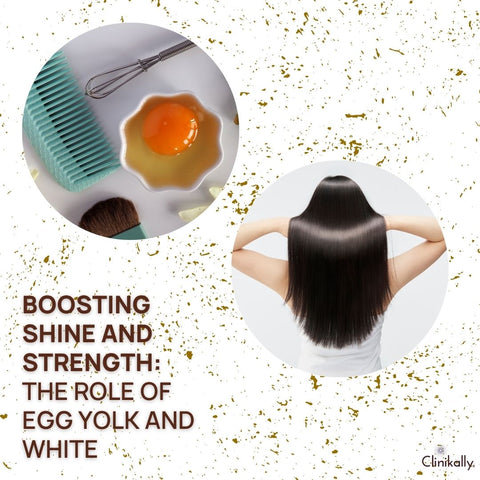
Both egg yolk and egg white have specific roles in the enhancement of hair health. Every part of the egg offers different benefits toward stronger, shinier hair. Here's how they work:
-
Egg Yolk: Rich in fats and proteins, egg yolk deeply nourishes and moisturizes hair. It helps repair damaged hair and adds shine by locking in moisture.
-
Egg White: It's rich in proteins and enzymes and strengthens the hair shaft with a resistance that prevents breakage. It helps tighten the scalp and reduces extra oil.
-
Facilitates Growth: Each part contains nutrients like biotin, vitamins, and minerals that can stimulate hair growth and maintain the health of each follicle.
-
Improves Texture: The application of both parts on a consistent basis can leave hair looking and feeling smooth, easy to manage, and voluminous.
Adding both egg yolk and egg white to your hair can give a complete treatment toward shine, strength, and better health of hair.
Repairing Damage: How Egg Masks Restore Hair Vitality
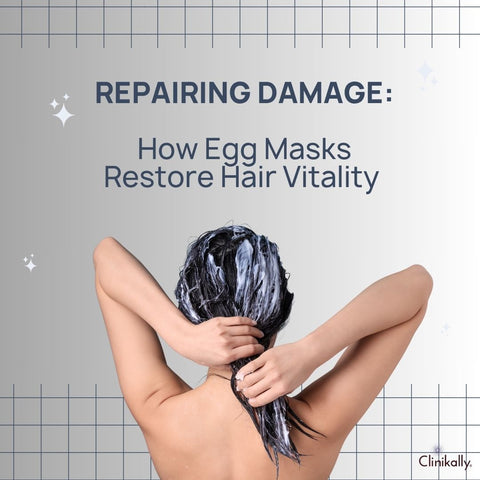
A true restorative remedy for restoring damaged hair, egg masks involve a combination of nourishment through eggs and other natural ingredients. Here is how it works in repairing hair and giving back its life to the strands:
-
Deep conditioning: Achieved when proteins and fats penetrate the hair shaft and restore moisture and elasticity to it.
-
Strengthen Hair: Egg masks assist in strengthening the hair so it does not break easily or acquire split ends, and that makes hair more resilient.
-
Repair Damage: Vitamins and nutrients in the eggs contain biotin, repairing damaged follicles to have hair grow stronger and healthier.
-
Shine Enhancement: Usage of egg masks over time makes dull hair shine by adding the natural shine to hair to make it look smooth and shiny.
-
Restores Texture: Egg mask helps in improving the texture of dry and brittle hair and leaves it softer and easier to manage.
Regular use of egg masks can really make a huge difference in repairing and restoring damaged hair to restore its natural strength, shine, and vitality.
How to Create Effective Egg Hair Masks: Recipes and Tips
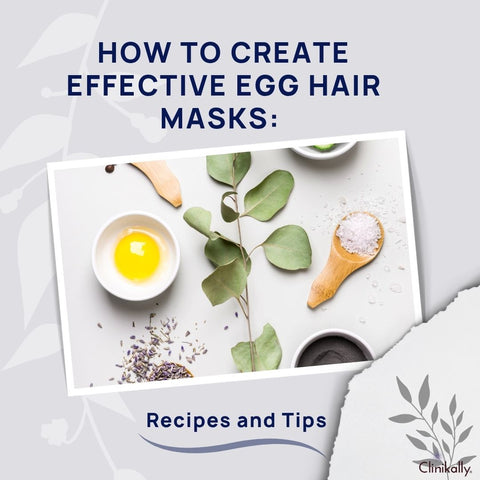
Egg hair masks are the most natural and effective methods of nourishing and strengthening hair. They are rich in proteins, vitamins, and all the essential nutrients that help repair damage by deep conditioning. There are so many different types of hair - dry, oily, damaged, etc. So there are a variety of egg masks to suit every requirement. Here are some simple recipes and tips to create the perfect egg mask for healthy, vibrant hair.
Basic Egg Hair Mask Recipe: Simple and Effective
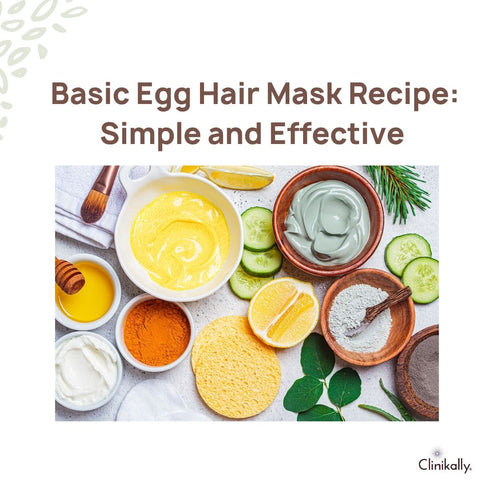
To make a simple egg hair mask, crack one egg into a bowl and whisk it well until the yolk and egg white are fully combined. Add a tablespoon of olive oil or coconut oil to the egg mixture, stirring well to ensure that the oils blend smoothly with the egg. Olive oil is rich in nourishment and moisturizing capacity, while coconut oil contributes to the penetration of oil into the hair shaft while giving it shine. Take your mixture and apply it fairly generously to damp hair; start at the roots while massaging gently to assure that the scalp is properly coated, then down toward the tips. All parts should be treated equally in the distribution of masks on the scalp. So that all can penetrate it, including other nutrients through the egg, and possibly nourish a hair strand. Apply the masks and stay for around 15 to 20 minutes to get your hair and its internal system absorbing nutrient-rich effects. When done, start rinsing from lukewarm water-avoid extremely hot water-cooking that might cause this egg mess on your hairs. Follow up with a mild shampoo to ensure that all remnants are washed away. Simple treatment can lead to enhancing hair strength, lustrous shine, and healthy feel altogether, making it feel silky soft, rejuvenated, and more radiant.
Customized Egg Masks: Adding Ingredients for Specific Hair Needs
This process of creating effective egg hair masks is simple and customizable to suit your hair type. Here are some recipes and tips to make the most out of egg masks for healthy, nourished hair:
-
For a moisturizing egg and honey mask, whisk one egg yolk with one tablespoon of honey and one tablespoon of olive oil. Apply the mask to your scalp and hair, massaging it gently after combining the ingredients. Cover your hair with a shower cap and leave it for 20-30 minutes before rinsing thoroughly.
-
For oily hair, an egg white and yogurt mask is best. Mix one egg white with two tablespoons of plain yogurt and whisk until smooth. Apply the mixture to your scalp and hair, focusing on the roots. Leave it on for 15-20 minutes and rinse well.
Application Tips: How to Use Egg Masks for Best Results
Tips for Good Hair Masks are as Follow:
-
Use Warm Water: One should never use hot water because the egg gets hardened and remains inside your scalp. Rinse your head with warm water.
-
Limit Usage: One must only use it once in a week as using more could lead to oily hair.
-
Patch Test: Do this patch test always as we may have allergy issues regarding some proteins from eggs.
-
Adjust Ingredients: Tailor the mask based on your hair type. For dry hair, add oils or honey; for oily hair, use egg whites and yogurt.
-
Consistency is Key: Regular application of egg masks can lead to noticeable improvements in texture, shine, and strength.
Understanding Potential Side Effects and Considerations
There are various benefits of egg hair masks, but it should also be noted that there could be side effects and concerns for its safe and effective usage.
-
Allergic Reactions: Some might be allergic to eggs; this could lead to irritation, itching, or even redness on the scalp. A patch test may be done before applying an egg mask by putting a small quantity of the mixture on the skin. If there's no reaction after 24 hours, then it can be safely applied.
-
Risk of Overuse: Using egg masks too frequently, especially on dry or damaged hair, can cause product buildup. This can weigh the hair down, making it feel heavy and greasy. It is best to apply egg masks in moderation, once a week, to avoid this problem.
-
Egg Smell: Many people notice that their hair smells a little after an egg mask. To avoid this, rinse the mask thoroughly with lukewarm or cold water, as hot water will cook the egg and make it harder to rinse out and more likely to leave an odor.
-
Egg Consistency: When applying the mask, make sure that the egg mixture is well-blended so that there are no clumps in your hair. Unmixed or too thick egg masks can be hard to wash out and may leave residue behind.
-
Scalp Sensitivity: Such masks may be too harsh on people with sensitive or inflamed scalps. In such cases, it may be best to avoid using raw eggs and instead opt for an alternative like a commercial protein treatment that is designed with sensitive skin in mind.
-
Nutrient Balance: Eggs contain a lot of proteins and fats, yet they have to be put in proper perspective in an overall hair care routine. Simply depending on egg masks for health might not be enough; there needs to be supplementing through other treatments, as well as a sound hair care regimen.
By being aware of these factors, you can make the most out of egg hair masks while avoiding the potential side effects.
Allergies and Sensitivities: What to Watch For

When applying egg-based hair masks, monitor for possible allergy or sensitivities:
-
Egg Allergy: If redness, itching, swelling, or rashes develop. Be sure to apply a patch test before using the mask if an allergy is suspected.
-
Sensitivity: An allergy to eggs might not exist but irritation of the scalp from egg proteins occurs for some individuals. On such sensitive scalps, mixing the eggs with calming agents such as oils is suggested.
-
Bacterial Risk: Raw eggs could carry the bacteria Salmonella, resulting in infection or gastrointestinal conditions. Use fresh eggs and store them safely. Clean with cool or lukewarm water and avoid contact with bacteria and other impurities.
-
Contact Dermatitis: People have sensitive skin, which becomes red and develops blisters. Ask a dermatologist in case of such conditions.
Always patch test, try pasteurized eggs, and balance them with soothing ingredients for reactions prevention.
Frequency of Use: Balancing Benefits and Risks
The use of egg hair masks requires balance in frequency to maximize benefits and avoid risks. Here's how to manage its use:
-
Ideal Frequency: Most hair types can use an egg mask once a week to reap the benefits of nourishment, moisture, and strength. Overuse leads to protein buildup, causing hair to feel heavy or greasy.
-
Dry or Damaged Hair: It can be used more frequently, like once a week, to repair and moisturize hair.
-
Oily Hair: Limit its use to once every two weeks because added oils and proteins can weigh the hair down.
-
Normal Hair: Usually, once a week is enough to maintain the strength and shine of hair without overloading it.
-
Potential Risks of Overuse: Too many egg masks can lead to protein overload, making hair stiff, prone to breakage, or build up. It's very important to balance egg masks with other nourishing treatments, such as moisturizing hair masks or conditioners.
-
Adjustment for Sensitivity: In case of a sensitive scalp, decrease the frequency and watch out for signs of irritation or dryness.
Through egg mask moderation, you would use these full benefits while lowering your chance of damage or irritation.
Alternative Treatments: When to Consider Other Options
Egg masks do have some beneficial effects, but not for everyone. If irritation, excessive dryness, or allergic reaction develops, one needs to move on to a different treatment option. Oils like argan oil, coconut, or olive, for dry and damaged hair, can hydrate from the innermost level without protein build-up. Aloe vera is another good option which will soothe the scalp while moisturizing the hair. For oily hair, lighter treatments like lemon juice or apple cider vinegar can help to balance oil production and clarify the scalp. If you are looking for a protein boost without eggs, consider plant-based alternatives like avocado, which is rich in healthy fats and vitamins. Commercial protein treatments or conditioners formulated for specific hair types can also provide targeted solutions without the potential side effects of raw egg. Always choose a treatment based on your hair's unique needs and sensitivities.
Final Thoughts: Maximizing the Benefits of Egg Hair Masks for Healthier Hair
Egg hair masks can be a very powerful, natural way of nourishing and strengthening your hair when applied properly. Using them appropriately as part of a well-balanced hair care program can lead you to enjoy healthier, shinier hair that will look more robust. Yet, they are best applied in moderation. Perform patch tests for allergies; know your hair type, including what may cause any sensitivities. With the right approach, egg masks can be great in giving long-lasting benefits to the hair, restore vitality and shine, and promote overall hair health.