Understanding Perioral Wrinkles: Causes, Care & Correction
Perioral wrinkles, often known as "lip lines," "smoker's lines," or "barcode lines," are small lines and wrinkles that form around the lips, particularly on the top lip. Whether you're in your twenties or reaching your sixties, understanding the reasons that cause perioral wrinkles will help you take proactive actions toward healthy skin. This article discusses the reasons, preventative tactics, and treatment choices for perioral wrinkles, as well as proven skincare solutions available in our store.
What Causes Wrinkles Around the Mouth?
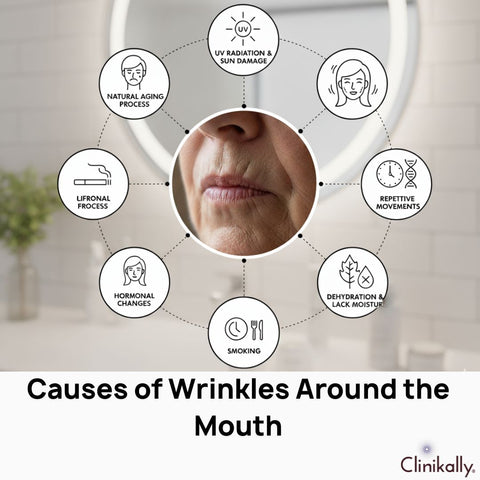
Wrinkles around the mouth, also known as perioral wrinkles, are caused by a combination of intrinsic and extrinsic factors. Below is a breakdown of the most typical causes:
-
Natural Aging Process: The key proteins that maintain skin tightness and elasticity deteriorate over time, leading to sagging and wrinkles. As a result, the skin becomes more delicate and prone to creases.
-
Repetitive muscular movements: Orbicularis oris muscles (around the lips) are frequently used during conversing, smiling, laughing, and puckering. Over time, these repeated motions create dynamic lines that can become static (permanent) wrinkles.
-
Sun Damage (Photoaging): UV radiation degrades collagen and elastin. Causes accelerated aging and intensifies creases around the lips. Thinner skin makes the lips and especially perioral area vulnerable.
-
Smoking: It combines two key wrinkle-causing forces: Inhaling causes puckering of the lips. Cigarette chemicals cause toxic oxidative stress, which degrades skin structure. Nicotine also lowers blood flow, which disrupts the skin's normal repair process.
-
Genetics: Your skin type, facial structure, and aging pattern are partly inherited. Some people are genetically predisposed to developing early or deep wrinkles.
-
Hormonal changes: Specifically, falling estrogen levels during menopause. This impacts skin hydration, elasticity, and collagen synthesis.
-
Dehydration and improper skin care: Dry skin causes fine wrinkles to seem deeper. Inadequate skincare, particularly a lack of moisturization and exfoliation, can degrade look.
-
Lifestyle factors: Alcohol consumption, a poor diet, and a lack of sleep all contribute to skin aging. High sugar consumption hastens glycation, a process that destroys collagen and elastin.
The Role of Facial Movements and Muscle Contraction
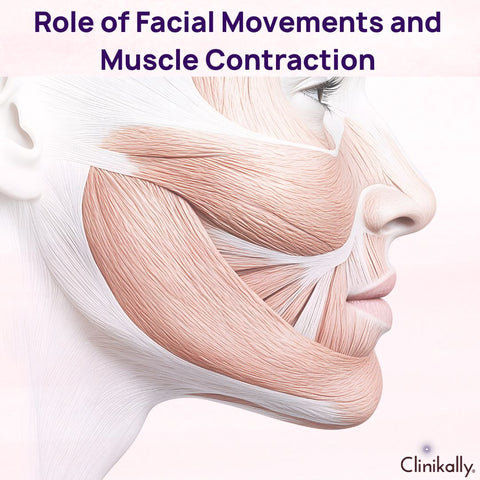
Facial expressions are necessary for communication and emotion—but over time, these repetitive movements add significantly to wrinkle creation, particularly around the mouth.
-
Muscle movement is one of the primary causes of wrinkle development around the mouth.
-
Repetition and expression patterns, combined with aging skin, cause the transition from dynamic to static wrinkles.
-
Balancing expression and prevention—via smart habits, skincare, and, in some cases, medical treatments—can help to reduce their impact.
Impact of Collagen and Elastin Degradation

Collagen and elastin are structural proteins that help your skin remain firm, elastic, and youthful. Their breakdown is a major cause of wrinkle formation, particularly in delicate places like the mouth, where the skin is thinner and more flexible.
-
Perioral wrinkle formation is based on the degradation of collagen and elastin.
-
This breakdown causes loss of firmness, elasticity, and volume, particularly in high-motion areas such as the mouth.
-
Prevention and correction necessitate a multifaceted approach, including sun protection, targeted skincare, lifestyle changes, and professional treatments as needed.
How Sun Exposure and Pollution Accelerate Aging
The skin around your mouth is thin, sensitive, and extremely mobile, making it particularly susceptible to environmental aggressors. Sun exposure (UV radiation) and pollution are two of the most harmful causes, accelerating extrinsic aging and causing premature wrinkles, discoloration, and loss of suppleness.
-
Sun exposure (photoaging): UV-A rays penetrate the dermis and degrade collagen and elastin fibers. UV-B rays harm the outer skin layers, causing sunburns, inflammation, and DNA alterations. This continuous exposure causes premature aging, known as photoaging. Prevention tips include using broad-spectrum sunscreen (SPF 30+) every day, even on cloudy days. To protect the vermilion border (lip edge), apply SPF-infused lip balms. When spending time outside, use wide-brimmed hats and sunglasses. Reapply sunscreen every two hours, particularly after eating or wiping your mouth.
-
Pollution (particulate matter, poisons, and urban smog): Air contaminants such as PM2.5, nitrogen dioxide, and ozone pass through the skin barrier. These cause oxidative stress and persistent inflammation. Pollution inhibits the skin's barrier function, depletes antioxidants, and lowers oxygen delivery to tissues. Specific effects around the mouth include skin becoming dull, dry, and irritated. Fine lines and deep creases become more pronounced. When combined with sun exposure, pollution can double the aging impact, a phenomenon known as photo pollution.
Treating Perioral Wrinkles: Dermatologist-Approved Methods
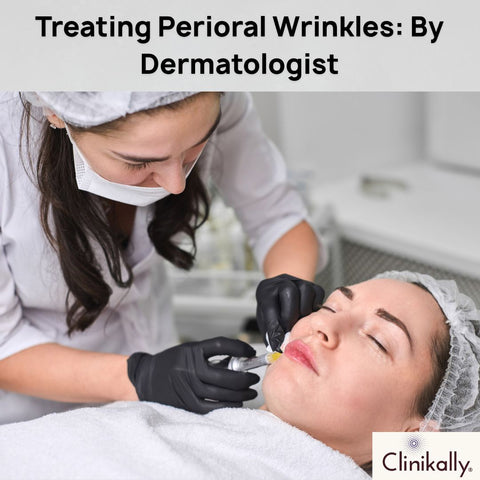
Perioral wrinkles, or small lines and creases around the mouth, can be particularly resistant due to the area's continuous movement and thin skin. Fortunately, dermatologists use a number of scientifically proven techniques to smooth, fill, and revitalize this delicate area.
-
Topical treatments: Retinoids (retinol, tretinoin) stimulate collagen formation and cell turnover while progressively smoothing out fine wrinkles. Apply at night; start with a lower strength to avoid irritation. Peptides stimulate the skin to repair and generate collagen, resulting in a firmer and smoother texture over time. Antioxidants (vitamin C, niacinamide, and resveratrol) neutralize free radicals from the sun and pollutants, while also supporting collagen and brightening the skin. Hyaluronic acid profoundly hydrates and plumps the skin, providing an immediate softening effect. It works well beneath a moisturizer or with barrier-repair treatments. Ceramide and barrier-repair moisturizers improve skin elasticity and decrease the appearance of fine wrinkles produced by dryness and thinned skin.
-
Injectable treatments: Botox temporarily relaxes the orbicularis oris muscle (located around the mouth). Smoothes dynamic lines created by movement, such as vertical lip lines. Results last three to four months. Dermal fillers, which include hyaluronic acid-based fillers, replenish lost volume and strengthen skin structure. Smooth down deeper perioral wrinkles and improve lip definition. Results usually last 6 to 12 months. Biostimulatory fillers stimulate your own collagen production over time. Ideal for deep or etched wrinkles.
-
Energy-based devices and resurfacing: Fractional laser resurfacing involves creating regulated micro-injuries to induce collagen reformation. Especially useful for carved, deep lines. Downtime is moderate; several sessions may be required. Microneedling (with or without PRP) helps to enhance texture and promotes collagen. Platelet-rich plasma (PRP) promotes wound healing and skin regeneration. Radiofrequency (RF), often known as RF microneedling, is a technique for firming and tightening the skin. Ideal for smoothing fine lines and increasing suppleness. Ultrasound-based therapies, which include non-invasive skin lifting and deep collagen creation stimulation. Results appear gradually over time.
-
Chemical peels: Glycolic and TCA peels are light to medium-depth exfoliants that encourage renewal. It enhances texture, pigmentation, and fine wrinkles. The best outcomes are obtained after a series of treatments.
-
Combination therapy: Dermatologists frequently combine treatments for optimal results, including fine lines and dullness (Topicals + microneedling + light peel), moderate static lines (Botox + filler + retinoid), deep etched wrinkles (fractional laser + biostimulatory filler), and loss of elasticity (RF + ultrasound + collagen-boosting skincare).
Topical Retinoids: Enhancing Cellular Turnover
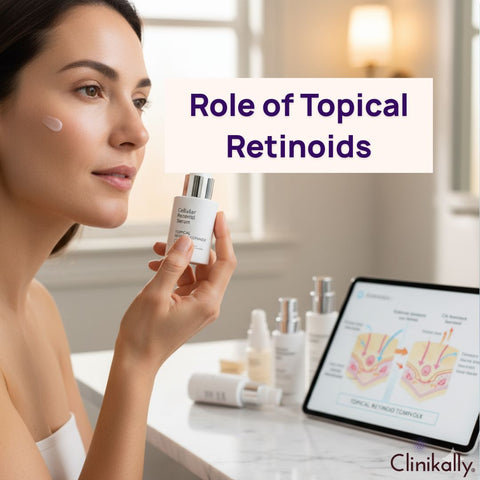
Topical retinoids are one of the most clinically validated therapies for aging skin, particularly for minimizing fine lines and wrinkles around the mouth. They function by increasing cellular turnover, boosting collagen formation, and improving skin texture, making them essential in the treatment of perioral aging. Key mechanisms of action:
-
Increase skin cell turnover: Encourage old, dull skin cells to shed more quickly, revealing newer skin underneath.
-
Stimulate collagen synthesis: This helps rebuild structural support and reduces wrinkle depth.
-
Unclog pores and refine texture: Reduce roughness and increase smoothness around the mouth.
-
Reduce pigmentation: Helps to fade age spots and post-inflammatory hyperpigmentation.
Peptides and Hyaluronic Acid: Hydration for the Lip Zone
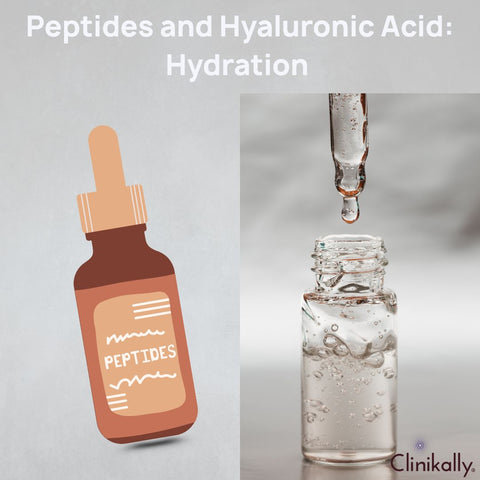
Because of its naturally thinner structure and frequent movement, the skin surrounding the mouth is more susceptible to dryness, volume loss, and fine wrinkles. Peptides and hyaluronic acid (HA) are two notable components that promote a perioral area that is smoother, firmer, and more moisturized.
-
Hyaluronic acid (HA): A naturally occurring molecule that can bind up to 1000 times its weight in water. It is found in the dermis of the skin and contributes to plumpness, elasticity, and moisture retention. Deep hydration benefits the lip and mouth area by smoothing out tiny wrinkles. The instant plumping effect minimizes vertical lip lines. Improves skin barrier function and prevents moisture loss. To reduce inflammation, works synergistically with actives such as peptides and retinoids. The best approach to use HA is to apply it to slightly damp skin to lock in moisture. Look for multi-weight Hyaluronic acid serums to provide multilayer hydration (low and high molecular weight). Use lip serums or masks laced with HA for focused treatment.
-
Peptides: Short amino acid chains serve as messengers for skin cells. Tell your skin to make more collagen, elastin, and structural proteins. Benefits around the lips include firming and rebuilding skin where collagen has been depleted. Help build the skin's barrier, decreasing irritation and dryness. Improve suppleness and minimize the appearance of fine expression wrinkles. Enhance the repair process, particularly after retinoid irritation or sun exposure. Popular peptides to seek out include palmitoyl pentapeptide (which stimulates collagen synthesis), acetyl hexapeptide (which relaxes muscular tension), and Matrixyl 3000 (which firms skin and improves tone).
In-Clinic Solutions: Fillers, Lasers & Microneedling
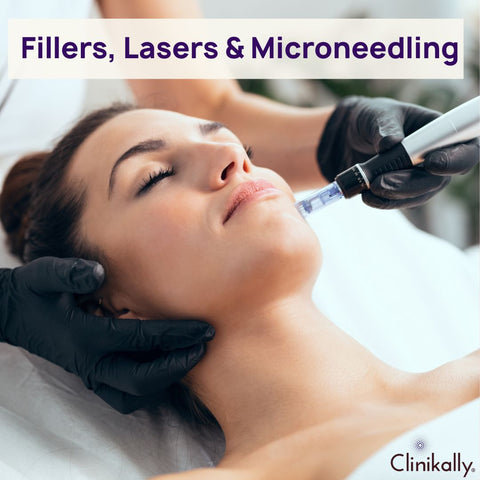
Fillers, lasers, and microneedling are common cosmetic procedures for a variety of skin issues. Fillers provide volume, smooth wrinkles, and improve facial shape. Lasers can resurface the skin, reduce scars, and remove hair. Microneedling increases collagen formation, resulting in enhanced skin texture and scar reduction.
-
Fillers: Injectable compounds (most commonly hyaluronic acid) that provide volume to the face, smooth wrinkles, and improve contours. Common applications include restoring volume to the cheeks and lips, smoothing nasolabial folds and marionette lines, and treating under-eye hollowness. Minimally invasive, rapid process, natural-looking outcomes, and suitable for a variety of facial locations.
-
Lasers: Devices that employ concentrated light beams to treat skin conditions. Common applications include skin resurfacing, scar reduction, hair removal, and pigmentation management. Benefits can target specific areas, be customized for different skin types, and provide long-term results.
-
Microneedling: A process that employs fine needles to cause micro-injuries in the skin, which stimulates collagen and elastin formation. Common uses include decreasing wrinkles, scars, pores, and stretch marks. Benefits include minimum invasiveness, increased natural collagen production, and improved skin texture and tone.
Lifestyle and Skincare Habits to Prevent Mouth Wrinkles
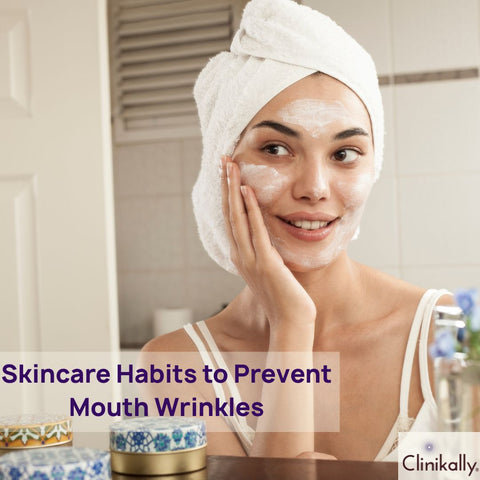
Prevention is the most powerful tool in the fight against perioral (around-the-mouth) wrinkles. Daily habits, both in your lifestyle and skincare routine, play a crucial role in preserving the skin’s firmness, elasticity, and hydration. By incorporating targeted practices early, you can significantly delay or soften the formation of fine lines.
Lifestyle habits for prevention
-
Avoid smoking: Smoking causes oxidative stress, collagen breakdown, and repetitive puckering, which deepen vertical lip lines. Quitting (or never starting) is one of the most impactful ways to protect this area.
-
Limit straw use: Regularly sipping from straws encourages the same puckering motion as smoking. Drink directly from cups when possible.
-
Manage facial expressions: Chronic pursing, frowning, or tension in the mouth area can lead to dynamic wrinkles that become permanent over time. Practice jaw and mouth relaxation, and be mindful of habitual expressions.
-
Sleep smart: Sleeping face-down or on your side can cause skin folding and wrinkles. Use a silk or satin pillowcase and aim to sleep on your back to reduce mechanical stress.
-
Practice consistent sun protection: UV rays break down collagen and elastin, accelerating wrinkle formation. Use broad-spectrum SPF 30+ daily on the entire face, including the upper lip and chin. SPF lip balms are essential for protecting the lip line.
-
Eat a skin-supportive diet: Focus on antioxidant-rich foods: berries, leafy greens, tomatoes, nuts. Get enough omega-3 fatty acids from sources like flaxseed, walnuts, or fatty fish. Stay hydrated—dry skin wrinkles faster.
-
Reduce stress: Chronic stress increases cortisol, which degrades collagen. Try mindfulness, yoga, or breathing exercises to support overall skin health.
Skincare habits to prevent mouth wrinkles
-
Gentle cleansing: To reduce dehydration around the lips, use a gentle cleanser that is not stripping and has a pH balance. Avoid harsh rubbing or exfoliating in the mouth area.
-
Moisturize every day: Use a moisturizing cream containing hyaluronic acid, ceramides, and peptides. Apply more product around the lips to strengthen the skin barrier and decrease creping.
-
Incorporate focused activities: Retinoids (retinol, retinoin) help to smooth fine wrinkles and enhance collagen. Peptides increase collagen formation and improve skin suppleness. Niacinamide enhances barrier repair and decreases inflammation. Vitamin C protects against environmental damage and increases collagen formation.
-
Treat lips like skin: Lips should be treated similarly to skin by using humectants and occlusives in lip masks, balms, and serums. Don't forget to lightly exfoliate your lips once a week to avoid dryness-related wrinkles.
-
Start early and keep consistent: Prevention is more successful than reversal. Introduce anti-aging chemicals gradually to reduce irritation and ensure long-term use.
Sun Protection and SPF Application Around the Lips
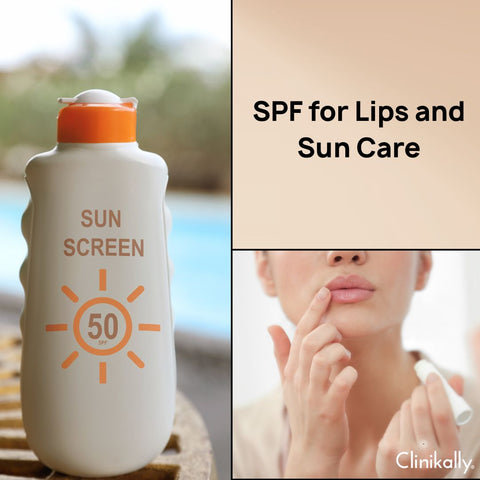
The skin around your lips, particularly the upper lip, is thin, sensitive, and susceptible to early aging. Without sufficient protection, UV damage hastens collagen loss, creates fine wrinkles, and raises the risk of hyperpigmentation and skin cancer. Consistent sun protection is critical for reducing perioral wrinkles and pigmentation.
-
Apply a broad-spectrum lip balm: Choose a lip-specific SPF 30 or higher product that blocks both UVA and UVB rays. For sensitive lips, consider using physical filters such as zinc oxide or titanium dioxide.
-
Cover the entire perioral zone: Apply not just to the lips but also above the top lip, corners of the mouth, chin, and nasolabial folds.
-
Reapply regularly: Reapply every two hours, particularly after eating, drinking, or cleaning your mouth. Reapplication is essential for maintaining optimum protection throughout the day.
-
Apply as the final step: Apply SPF lip balm as your final step after skincare and makeup. When applying foundation or powder, reapply balm or use a lip SPF setting spray.
Smoking and Wrinkle Formation: Breaking the Habit
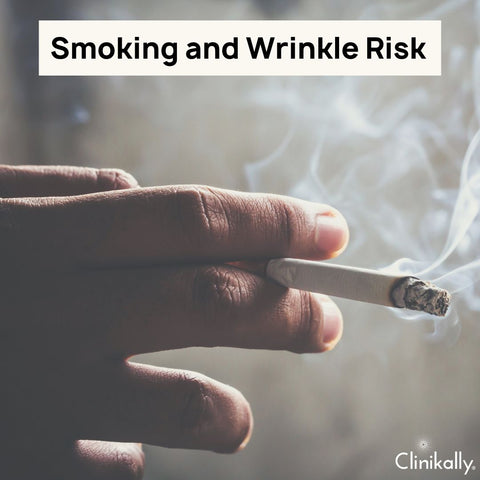
Smoking is one of the most harmful behaviors for your skin, particularly around the lips. It not only deepens wrinkles but also accelerates skin aging via a variety of damaging methods. Understanding how smoking causes perioral wrinkles and how to quit will help you keep your skin healthy and looking good.
-
Collagen and elastin breakdown: Tobacco smoke produces free radicals, which damage collagen and elastin, the proteins responsible for skin firmness and suppleness. Without this support, the skin begins to sag and fold, particularly in high-motion places like the mouth.
-
Repetitive lip puckering: The physical process of drawing a cigarette induces muscle spasms in the orbicularis oris (lip muscles). These repeated motions leave vertical lines on the skin, known as "smoker's lines."
-
Reduced blood flow: Nicotine causes vasoconstriction, shrinking blood vessels and decreasing oxygen and nutrient delivery to the skin. Slower cell turnover = dull, grayish skin tone + delayed healing.
-
Dehydration and barrier damage: Smoking dries out the skin and impairs the barrier, making it more prone to fine lines, scaling, and irritation. It also weakens the skin’s ability to retain moisture.
Daily Skincare Routine: Moisture and Barrier Repair
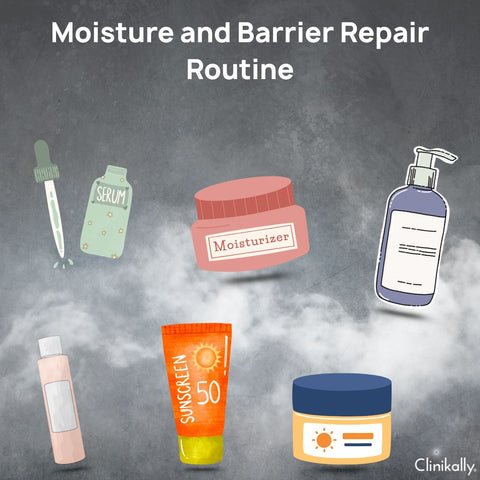
The perioral (around-the-mouth) region is highly expressive, thin-skinned, and prone to dryness, making it especially vulnerable to fine lines, irritation, and barrier damage. A dedicated moisture- and barrier-repair-focused skincare routine helps soothe, strengthen, and prevent further aging or sensitivity in this delicate zone.
Morning routine
-
Gentle cleanser: To retain the skin's natural barrier, use a gentle, low-pH cleaner that does not strip it. Avoid foaming or exfoliating products near your mouth. The recommended constituents are glycerin, panthenol, and oat extract.
-
Hydrating essence or mist: Increase moisture levels before applying stronger serums or creams. Look for rosewater, aloe vera, and hyaluronic acid.
-
Serum (Hyaluronic acid + peptides): Hyaluronic acid draws in water, plumping the skin. Peptides boost collagen formation and increase suppleness. Apply to wet skin and tap softly around the mouth, avoiding the lips themselves.
-
Ceramide-based moisturizer: Keeps skin hydrated and enhances the lipid barrier. Helps to reduce creases produced by dryness and facial movement. Ceramides, niacinamide, squalane, and fatty acids are the key constituents.
-
SPF Protection: Apply broad-spectrum SPF 30+ on and around the mouth. Use SPF lip balm to protect the vermilion border. Reapply every two hours, particularly after eating or drinking.
Night routine.
-
Double cleanse: To remove SPF and pollutants, use micellar water or a cleansing balm before using your gentle morning cleanser.
-
Treatment serum: Retinoids (retinaldehyde or retinol): Increase collagen and improve texture. If using retinoids, use a moisturizer to reduce irritation and avoid direct contact with the lips. On non-retinoid evenings, alternate between niacinamide and growth factor serums.
-
Barrier repair cream: Ceramides, cholesterol, and fatty acids help to repair skin strength. If non-irritating, apply generously about the mouth and even on the lips.
-
Lip treatment: Use a thick lip balm or mask to lock in moisture overnight. Look for petrolatum, lanolin, shea butter, and castor oil.
Personalized Skincare for Aging Concerns Around the Mouth
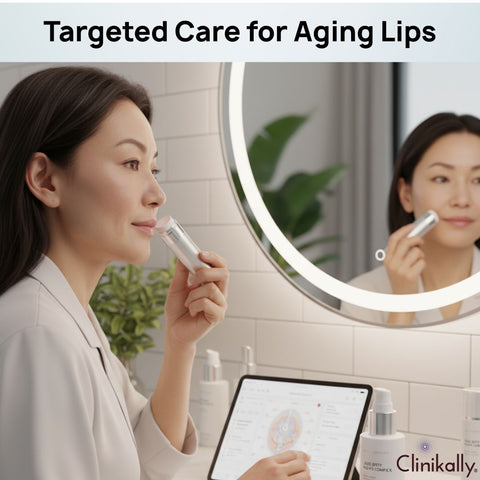
Addressing aging indicators around the mouth, such as fine lines, sagging skin, dryness, and volume loss, necessitates a focused, consistent practice that targets collagen loss, increases hydration, and strengthens the skin barrier. The following is a customizable guide to common perioral aging concerns that can be adapted to most skin types, particularly sensitive or elderly skin.
-
Morning regimen (hydrate, protect, brighten) includes a gentle hydrating cleanser, a hydrating serum containing hyaluronic acid and peptides, an antioxidant serum (optional), a barrier repair moisturizer, and broad-spectrum SPF 30-50.
-
Night routine (rebuild and stimulate) consists of cleanser, targeted treatment (alternating nights), Rich Night Cream, and lip mask/occlusive.
-
Weekly treatments (1-2 times per week) include lip exfoliation, a moisturizing sheet mask or eye patches, and an overnight collagen mask.