14 Superfoods to Boost Breast Health & Reduce Cancer Risk
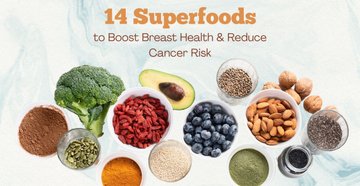
Certain fruits and vegetables, fatty fish, fermented foods, legumes, herbs and spices, whole grains, and walnuts can help lower your chance of developing breast cancer. Avoid alcohol, fast food, fried foods, processed meats, added sugars, and refined carbohydrates. Breast cancer may be caused by DNA damage or genetic alterations. Inheriting mutations in specific genes, such as BRCA1 and BRCA2, can further increase your risk, as can obesity. Lifestyle also has an important impact. Research has linked smoking, hormone exposure, heavy drinking, and specific dietarypatterns—notably Western diets strong in processed foods—to an increased risk of breast cancer. Notably, studies have linked other eating patterns, such as the Mediterranean diet, to a lower risk of breast cancer. Furthermore, certain meals may help prevent this condition. In this blog, we'll look at 14 superfoods that may help lower your risk of breast cancer, as well as several to avoid.
Understanding the Role of Diet in Breast Cancer Prevention
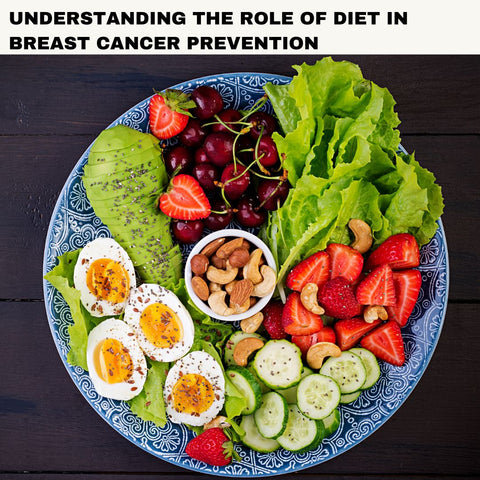
A nutritious diet rich in fruits, vegetables, whole grains, and lean proteins, with a restriction on alcohol and processed meats, can greatly lower the risk of breast cancer and enhance general health.
Key dietary recommendations for preventing breast cancer:
-
Prioritize plant-based foods, including fruits, vegetables, legumes, nuts, seeds, and whole grains.
-
Choose healthy fats, such as olive oil, avocados, and nuts.
-
Even moderate consumption has been linked to an increased risk of breast cancer.
-
Obesity increases the risk of developing breast cancer, particularly after menopause.
-
Beans, whole grains, fruits, and vegetables are high in fiber, which may help lower the risk of breast cancer.
-
According to research, eating a lot of red and processed meats may increase your risk of developing breast cancer.
-
Some studies suggest that soy foods may have a protective effect against breast cancer.
-
Berries, citrus fruits, and other brightly colored fruits and vegetables contain antioxidants that may help protect against cancer.
-
Consider the Mediterranean diet, which emphasizes fruits and vegetables, whole grains, and healthy fats and has been linked to a lower risk of breast cancer, particularly after menopause.
How Nutrition Impacts Breast Cell Health
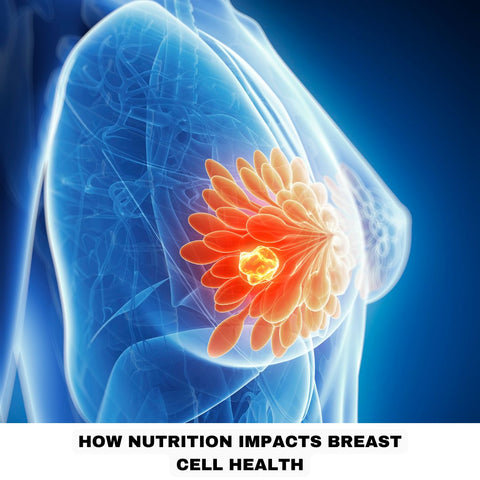
One effective strategy for promoting the health of breast cells is nutrition. A well-balanced diet full of vitamins, fiber, healthy fats, and antioxidants can boost DNA repair, lower oxidative stress, control hormones, and preserve normal cell function. Additionally, a nutritious diet can aid in the body's detoxification, immune system support, and inflammation management—all of which are critical for the best possible health of breast cells. You can promote the health of your breast cells and lower your risk of breast cancer by including foods high in nutrients and avoiding those high in toxins or inflammation.
Key Nutrients That Play a Protective Role

The most important nutrients for breast health include:
-
Antioxidants: It aids in shielding cells from oxidative stress, which raises the risk of cancer and damages DNA. Free radicals that may otherwise cause cellular mutations and aberrant development are neutralized by them.
-
Omega-3 Fatty Acids: These fats have anti-inflammatory properties that aid in lowering chronic inflammation, which is linked to an increased risk of breast cancer. They also help to stop the unchecked proliferation of malignant cells by controlling cell growth and apoptosis, or cell death.
-
Vitamin D: It is essential for controlling cell proliferation and encouraging healthy cell differentiation. A decreased risk of breast cancer is linked to adequate vitamin D levels, especially in postmenopausal women.
-
Folate: It plays an important role in DNA synthesis and repair, as well as maintaining normal cell division. Low folate levels raise the likelihood of DNA mutations and cancer formation, whereas adequate folate intake helps prevent DNA damage.
-
Selenium: It's a trace mineral with strong antioxidant effects. It improves immunological function and reduces oxidative stress, both of which can harm cells and raise the risk of developing cancer.
-
Phytoestrogens: They are plant chemicals that imitate estrogen in the body but have lower potency. They can help regulate estrogen levels and lower the risk of hormone-related malignancies like breast cancer.
-
Fiber: A high-fiber diet lowers the risk of breast cancer, particularly in premenopausal women. Fiber regulates estrogen levels by facilitating its excretion through the digestive tract. It also promotes good intestinal function, which is associated with general immunological health.
-
Zinc: It is necessary for DNA repair, immunological function, and proper cell division. Adequate zinc consumption helps to prevent mutations and strengthens the body's natural cancer defense mechanisms.
-
Curcumin: Curcumin, the main ingredient in turmeric, has strong anti-inflammatory and antioxidant capabilities. It can help to stop the growth and spread of cancer cells, particularly breast cancer cells.
-
Magnesium: It is necessary for cell division, protein synthesis, and healthy DNA activity. Additionally, it promotes a strong immune system, which is essential for preventing cancer.
-
Lycopene: It is a potent antioxidant that can be found in pink grapefruit, watermelon, and tomatoes. It may help shield breast cells from oxidative damage and has been demonstrated to slow the growth of cancer cells.
-
Iodine: It helps maintain hormone balance and promotes thyroid health. Because abnormalities in thyroid function can affect estrogen levels and raise the risk of cancer, thyroid hormones and breast health are closely related.
Lifestyle Factors That Complement a Healthy Diet
In addition to a balanced diet, various lifestyle variables can improve breast health and overall well-being, potentially lowering the risk of breast cancer and promoting breast cell health. A holistic approach to health, which encompasses balanced nutrition, physical activity, mental well-being, and other healthy practices, can supplement a nutritious diet and aid in maintaining maximum health. frequent physical activity, healthy weight maintenance, stress management, appropriate sleep, limiting alcohol intake, quitting smoking, sun protection, environmental toxin reduction, and frequent health screenings are all important lifestyle elements that complement a good diet.
Top 14 Foods That Support Breast Health
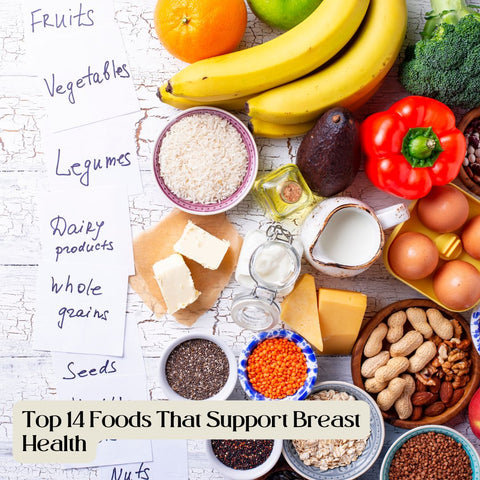
Some foods are especially beneficial to breast health because they reduce inflammation, promote hormone balance, provide antioxidants, and improve cellular health. Cruciferous vegetables (broccoli, cauliflower, kale, and Brussels sprouts), berries (blueberries, strawberries, and raspberries), flaxseeds, fatty fish (salmon, mackerel, and sardines), tomatoes (high in lycopene), leafy greens (spinach, kale, and Swiss chard), garlic, green tea, nuts (almonds, walnuts, and brazil nuts), soy products (tofu, tempeh, and edamame), pomegranate, avocados, turmeric, and beans and legumes (chickpeas, lentils, and black beans) are the top 14 foods that can promote breast health and possibly lower the risk of breast cancer.
Cruciferous Vegetables: The Cancer-Fighting Powerhouses
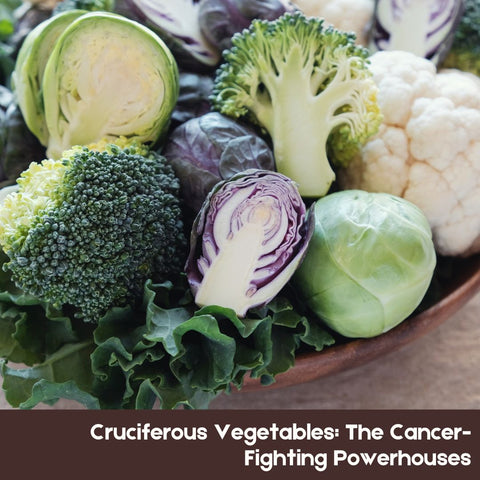
To reap the most cancer-fighting advantages, eat a variety of cruciferous vegetables on a regular basis. Here are some easy ways to do this:
-
Raw kale, arugula, and cabbage can be used as a nutritious salad base.
-
Roasting or steaming broccoli, cauliflower, or Brussels sprouts with olive oil and seasoning is a simple and delicious way to enjoy these vegetables.
-
Incorporate into soups and stews: Add chopped cruciferous vegetables to soups, stews, and stir-fries for added texture and nutrients.
-
Snack on raw cruciferous vegetables, such as radishes and baby broccoli, with a healthy dip, such as hummus or avocado.
Omega-3 Fatty Acids: Essential Fats for Cellular Protection
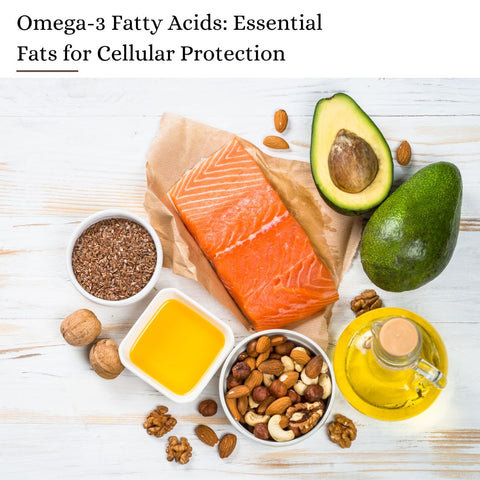
Omega-3s are essential for the construction and function of all cells in the body. They are an important component of cell membranes because they assist maintain flexibility and fluidity, which is required for efficient cell activity. Furthermore, omega-3 fatty acids help to regulate inflammation, which is essential for protecting cells and preserving overall health.
-
Reducing inflammation: Chronic inflammation contributes to a variety of diseases, including cancer, heart disease, and autoimmune disorders. Omega-3 fatty acids, especially EPA and DHA, have strong anti-inflammatory effects. They serve to suppress the body's production of pro-inflammatory chemicals including prostaglandins and cytokines, which can harm cells and cause disease.
-
Supporting healthy cell membranes: The cell membrane is composed of a lipid bilayer, and omega-3 fatty acids play a crucial role in its construction. Omega-3s are absorbed into cell phospholipid membranes, affecting their fluidity and function.
-
Protecting DNA and avoiding oxidative damage: Omega-3 fatty acids, particularly EPA and DHA, are potent antioxidants. They contribute to the protection of cells from oxidative stress, which occurs when free radicals destroy biological components such as DNA. Oxidative stress plays a crucial role in the development of cancer and aging.
-
Omega-3s help regulate the immune system: They contribute to a balance of pro-inflammatory and anti-inflammatory immune responses, which is critical for limiting chronic inflammation and developing immunological tolerance.
-
Regulating gene expression: Omega-3 fatty acids modulate the expression of genes involved in inflammation, cancer cell proliferation, and tumor suppression. They can help turn off pro-inflammatory genes while activating protective ones that lower cancer risk.
-
Supporting cardiovascular health: Omega-3s are also well-known for their cardiovascular health benefits. They help lower blood pressure, triglycerides, blood clots, and the danger of arterial plaque buildup, all of which can lead to heart disease. This protective effect on cardiovascular health indirectly promotes cellular health by lowering stress on organs and tissues.
Antioxidant-Rich Fruits and Berries: Nature’s Defense Against Free Radicals
-
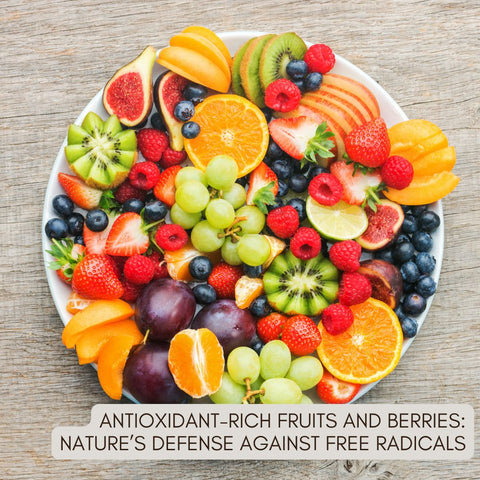
Blueberries: They are often recognized as one of the most antioxidant-dense fruits due to their high quantities of anthocyanins, a type of flavonoid responsible for their rich blue hue. Anthocyanins are powerful antioxidants that protect against oxidative damage and inflammation. Blueberries have been demonstrated to prevent DNA damage, reduce inflammation, and promote brain health. They may also assist in lessening the risk of cardiovascular disease and cognitive impairment as we age.
-
Strawberries: They are high in vitamin C, a potent water-soluble antioxidant that protects against free radicals and boosts immunological function. They also include flavonoids quercetin and kaempferol, which increase their antioxidant activity. Strawberries aid to minimize oxidative stress and inflammation and promote heart health by supporting healthy blood vessels. Their high vitamin C concentration stimulates collagen formation, which promotes healthy skin.
-
Raspberries: They contain ellagic acid, a polyphenol that has strong antioxidant and anti-inflammatory activities. This molecule has been found to protect against oxidative damage and may even inhibit the growth of cancer cells. It reduces oxidative stress, improves immunological function, and may lower the risk of cancer and heart disease. Their high fiber content promotes intestinal health.
-
Blackberries: Blackberries are high in anthocyanins and vitamin C, both of which aid to neutralize free radicals and protect the body from oxidation. The deep purple hue of blackberries indicates their strong antioxidant content. It reduces inflammation, protects the brain from oxidative damage, and promotes cardiovascular health. They also improve skin health and immunological function.
-
Pomegranates: They include punicalagins and ellagic acid, two strong antioxidants that help protect against oxidative damage and inflammation. Pomegranate juice is particularly high in these chemicals. It has been found to lessen the risk of heart disease, lower blood pressure, and prevent oxidative damage in many organs. According to studies, pomegranates may help delay cancer cell growth and reduce inflammation.
-
Grapes: Resveratrol, a polyphenol with strong antioxidant, anti-inflammatory, and anticancer effects, is found in the red and purple types. Resveratrol reduces oxidative stress and promotes cardiovascular health. It reduces oxidative damage to cells, lowers blood pressure, and improves circulation. Grape antioxidants also protect against cognitive decline and may lower the risk of cancer.
-
Cherries: Cherries, particularly tart cherries, are high in anthocyanins and vitamin C, which help to boost their antioxidant and anti-inflammatory qualities. The bright red color of cherry implies a high flavonoid concentration. Its natural melatonin content aids in inflammation reduction, arthritis symptom relief, and improved sleep quality. Their antioxidants promote cardiovascular health and may lower the risk of chronic illnesses.
-
Oranges: Oranges are a rich source of vitamin C, which protects cells from oxidative damage and boosts immune system. They also contain flavonoids, including hesperidin, which have antioxidant and anti-inflammatory properties. It boosts immunological function, improves skin health, and decreases inflammation. Their antioxidants also help prevent heart disease and cognitive loss.
-
Apples: They are high in quercetin, a flavonoid with strong antioxidant, anti-inflammatory, and anticancer properties. Apples also include vitamin C, fiber, and polyphenols, which have additional health advantages. It promotes heart health, improves digestion, and helps to reduce the risk of chronic diseases such as diabetes, heart disease, and cancer. Their high fiber content improves digestive health.
-
Kiwi: It is another fruit rich in vitamin C and E, both of which have potent antioxidant qualities. It also contains flavonoids, which add to its overall antioxidant value. It enhances immunological function, improves skin health, and protects against oxidative stress. It contains antioxidants that promote intestinal health and may lower the risk of cardiovascular disease.
Whole Grains: Balancing Hormones and Reducing Inflammation
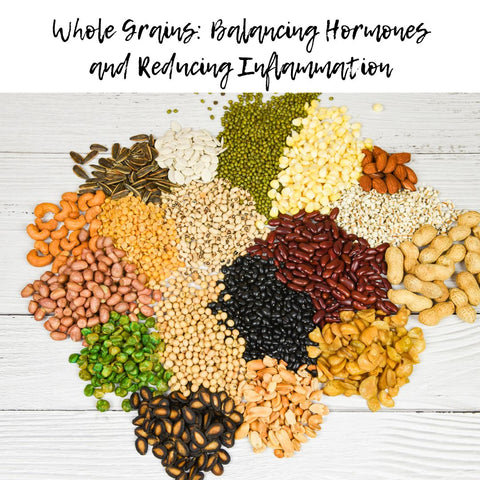
Balancing hormones
-
Stabilizing blood sugar levels: Whole grains assist in managing blood sugar levels by releasing glucose steadily into the system. This is due primarily to their high fiber content, which slows digestion and absorption. Stabilizing blood sugar is vital for hormonal balance since variations can induce insulin resistance, which can interfere with the function of other hormones such as estrogen and testosterone.
-
Supporting healthy estrogen metabolism: Whole grains contain phytoestrogens, which are plant substances that assist the body in regulating estrogen levels. Phytoestrogens are physically similar to the hormone estrogen and can help regulate estrogen levels by imitating or inhibiting estrogen receptors. This is especially good for women going through menopause or who have estrogen dominance.
-
Promoting healthy digestion: Hormonal health is intimately related to gut health. A healthy gut microbiome helps to metabolize hormones, particularly estrogen. Whole grains contain soluble fiber, which encourages the growth of beneficial intestinal bacteria. This promotes better digestion and the appropriate disposal of excess hormones, especially estrogen, which can lead to hormonal imbalances.
-
Reducing inflammation: Chronic inflammation can disrupt the body's hormone regulation, causing imbalances and contributing to illnesses including autoimmune disease and hormonal cancer. Whole grains lower inflammation by containing anti-inflammatory chemicals and antioxidants that can modify the immune response and protect against tissue damage.
Reduce inflammation
-
High fiber content: Whole grains are high in dietary fiber, particularly soluble fiber, which helps to reduce inflammation in the body. Fiber stimulates the formation of short-chain fatty acids (SCFAs) in the gut, which have anti-inflammatory characteristics and benefit gut health.
-
Antioxidants and phytochemicals: Whole grains contain antioxidants and phytochemicals that help counteract oxidative stress, which is a major contributor to chronic inflammation. These antioxidants, which include polyphenols and vitamin E, protect cells and prevent inflammation.
-
Healthy fats: Whole grains like quinoa, brown rice, and wild rice include healthy fats like omega-3 fatty acids, which have powerful anti-inflammatory properties. These fats inhibit the synthesis of inflammatory chemicals, which improves general health.
-
Magnesium and B vitamins: Magnesium is an essential mineral found in whole grains that helps to reduce inflammation. It is essential for lowering inflammatory molecules' activity and enhancing cellular healing. Whole grains contain B vitamins, such as B6 and folate, which have been demonstrated to lower inflammation and boost immunological function.
How to Incorporate These Superfoods Into Your Daily Diet

Incorporating superfoods like whole grains, antioxidant-rich fruits, cruciferous vegetables, and healthy fats into your daily diet doesn't have to be complicated. In fact, it can be enjoyable and easy to make small adjustments that enhance the nutritional quality of your meals. Some practical ways to include these nutrient-packed foods into your everyday routine are to start your day with a superfood breakfast, add superfoods to your salads, prepare superfood snacks, include superfoods in your lunch and dinner, supercharge your sauces and dressings, incorporate superfoods into soups and stews, hydrate with superfood drinks, and treat yourself with superfood desserts.
Easy Recipes for a Breast-Healthy Meal Plan

A few simple and nutritious recipes to incorporate into your diet:
-
Antioxidant-packed smoothie bowl: Incorporating superfoods like whole grains, antioxidant-rich fruits, cruciferous veggies, and healthy fats into your regular diet does not have to be difficult. Making tiny changes to improve the nutritional quality of your meals may be both pleasurable and simple. Start your day with a superfood breakfast, add superfoods to your salads, make superfood snacks, include superfoods in your lunch and dinner, supercharge your sauces and dressings, incorporate superfoods into soups and stews, hydrate with superfood drinks, and indulge in superfood desserts.
-
Roasted salmon with cruciferous veggies: Ingredients include 2 salmon fillets (wild-caught is best), 1 cup broccoli florets, 1 cup halved Brussels sprouts, 1 tablespoon olive oil, 1 teaspoon garlic powder, 1 teaspoon lemon zest, salt and pepper to taste, and lemon wedges for serving. Preheat the oven to 400 °F (200 °C). Place the salmon fillets on a baking sheet and sprinkle them with olive oil. Season with garlic powder, lemon zest, salt, and pepper. On the same sheet, mix the broccoli and Brussels sprouts with olive oil, salt, and pepper. Roast everything in the oven for 12-15 minutes, or until the salmon is done and the vegetables are soft and slightly caramelized. Serve the salmon alongside the roasted vegetables and a squeeze of fresh lemon juice.
-
Quinoa & chickpea salad: Ingredients include 1 cup cooked quinoa, 1 cup cooked chickpeas, 1 cup halved cherry tomatoes, 1/2 cup diced cucumber, 1/4 cup thinly sliced red onion, 1 tablespoon olive oil, 2 tablespoons lemon juice, salt and pepper to taste, 1 tablespoon chopped fresh parsley, and 1 tablespoon feta cheese (optional). In a large mixing bowl, add cooked quinoa, chickpeas, cherry tomatoes, cucumber, and red onion. Toss with olive oil and lemon juice until well combined. Season with salt and pepper, then top with fresh parsley and optional feta cheese. Serve chilled or room temperature.
-
Lentil & sweet potato stew: Ingredients are 1 cup dried lentils (rinsed), 2 medium sweet potatoes, peeled and diced, 1 chopped onion, 2 minced garlic cloves, 1 can (14 oz) diced tomatoes, 1 teaspoon ground turmeric, 1 teaspoon ground cumin, 4 cups vegetable broth, salt and pepper to taste, and fresh cilantro for decoration. In a large pot, cook the onion and garlic in a little olive oil over medium heat until tender. Combine the sweet potatoes, lentils, tomatoes, vegetable broth, turmeric, cumin, salt, and pepper. Bring to a boil, then reduce heat and simmer for 25-30 minutes, or until the lentils and sweet potatoes are cooked. Garnish with fresh cilantro and serve.
-
Roasted veggie & hummus wrap: Ingredients include one whole wheat or spinach wrap, 1/2 cup hummus, 1/2 cup roasted cauliflower florets, 1/4 cup shredded carrots, 1/4 cup spinach leaves, 1/4 cup sliced avocado, and salt and pepper to taste. Spread a thick amount of hummus on the wrap. Combine the roasted cauliflower, shredded carrots, spinach, and avocado. Season with salt and pepper and roll the wrap securely. Slice and serve.
-
Chia pudding with berries: Ingredients include 1/2 cup chia seeds, 1 cup almond milk (or other plant-based milk), 1 tablespoon maple syrup or honey, 1/2 teaspoon vanilla extract, and 1/2 cup mixed berries. In a bowl or container, combine the chia seeds, almond milk, maple syrup, and vanilla essence. Stir thoroughly and chill for at least 4 hours, or overnight, to allow the chia seeds to absorb the liquid and develop a pudding-like texture. Before serving, top with fresh berries.
Tips for Grocery Shopping and Meal Prep
Although meal preparation and grocery shopping can seem daunting, they can become efficient habits that promote a breast-healthy diet with a little preparation. Make a shopping list, plan your meals, purchase in bulk when you can, buy whole, fresh foods, read labels carefully, prepare ingredients rather than simply meals, cook in bulk and freeze them, store food correctly, buy containers, and cook once, eat twice.
Common Diet Mistakes to Avoid
Some common mistakes to look out for:
1. Relying too heavily on processed foods.
-
Mistake: Overconsumption of packaged or processed meals that appear nutritious but may contain refined sugars, salt, harmful fats, and preservatives.
-
How to Avoid It: Choose entire, unprocessed foods whenever feasible, such as fresh vegetables, fruits, whole grains, legumes, and lean proteins. When purchasing packaged foods, read labels carefully and select alternatives with few ingredients
2. Skipping Cruciferous Vegetables.
-
Mistake: Not consuming enough cruciferous veggies, which are high in fiber and contain sulforaphane and other substances related to a lower risk of cancer.
-
How to Avoid It: Aim to eat at least one serving of cruciferous veggies every day. Add broccoli to your salads, cauliflower to your stews, or cook Brussels sprouts as a side dish.
3. Ignoring healthy fats.
-
Mistake: Avoiding healthful fats due to worries about cholesterol or weight gain.
-
How to stay away from it: Consume foods high in healthful fats, such as avocados, nuts, seeds, olive oil, and fatty fish, such as salmon, in moderation. These fats maintain breast health and are vital for the hormonal balance of your body.
4. Consuming too much sugar.
-
Mistake: Over consumption of refined sugars and sugary drinks may lead to hormonal imbalances, inflammation, and an increased risk of chronic diseases.
-
How to Avoid It: Reduce your consumption of sugary beverages, sweets, pastries, and processed foods containing added sugars. Instead, use natural sweeteners like honey or maple syrup in moderation, or better yet, eat naturally sweet fruits like berries, apples, or grapes.
5. Not getting enough fiber.
-
Mistake: Not getting enough fiber, which is necessary for digestion, cleansing, and maintaining balanced hormone levels.
-
How to Avoid It: Eat plenty of complete grains (quinoa, oats, brown rice), legumes (lentils and beans), and fiber-rich veggies. Aim for 25-30 grams of fiber per day from plant-based foods.
6. Failing to balance protein sources.
-
Mistake: Not receiving enough fiber, which is essential for digestion, cleaning, and hormone balance.
-
How To Avoid It: Consume plenty of whole grains (quinoa, oatmeal, brown rice), legumes (lentils and beans), and fiber-rich vegetables. Aim to get 25-30 grams of fiber per day from plant-based meals.
7. Overlooking antioxidant-rich foods.
-
Mistake: Insufficient consumption of foods high in antioxidants, which help scavenge free radicals and shield cells from harm, such as berries, dark leafy greens, and vibrant veggies.
-
How to stay away from it: Colorful fruits and vegetables, especially berries, spinach, kale, carrots, and sweet potatoes, should make about half of your plate. Antioxidants, which are abundant in these foods, promote cellular health and immunological function.
Final Thoughts: Taking Charge of Your Health with the Right Nutrition
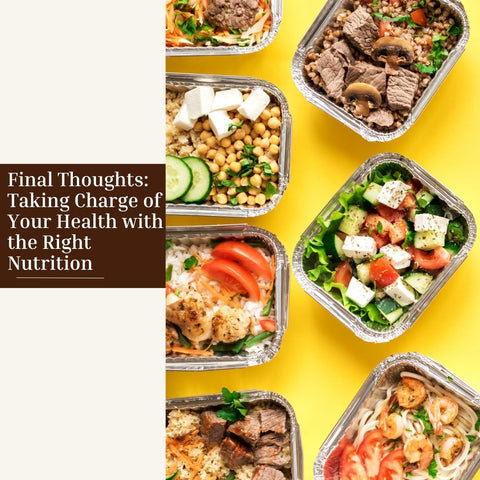
Reaching breast completeness and optimal health is a lifelong process; it is not a competition. By choosing nutrient-dense foods, maintaining balance, and making regular, deliberate choices, you're giving yourself the best chance for a healthy future. Although no single food or supplement can guarantee cancer prevention, a holistic approach to your nutrition, lifestyle, and overall health will allow you to truly take charge of your health. Your daily choices may have an effect on the outcomes of your health. You're allowing your body to thrive and stay strong by giving it the right kind of food.