Allergen-Free Haircare Explained: Hype or a Healthier Hair Revolution?
In a world of rising skin sensitivities, allergen-free haircare promises more than marketing buzz, it offers scientifically designed formulas for truly sensitive scalps. By eliminating common irritants like synthetic fragrance, harsh sulfates, parabens, and known contact allergens, these hypoallergenic shampoos, conditioners, and serums aim to reduce itching, redness, and flaking while protecting the scalp barrier. Dermatologist-tested, fragrance-free, vegan, and clean beauty claims now sit alongside buzzwords such as “sensitive scalp shampoo,” “non-comedogenic hair oil,” and “sulfate-free shampoo for dandruff,” reshaping how we shop for hair products.
Understanding Allergen-Free Haircare
Allergen-free haircare refers to shampoos, conditioners, and styling products formulated to minimize the risk of contact dermatitis, scalp irritation, and flare-ups in sensitive or allergy-prone individuals. These targeted formulas typically avoid high-risk ingredients such as fragrance mixes, formaldehyde releasers, MI/MCI, harsh sulfates (like SLS), certain dyes, and common preservative allergens. Instead, they prioritize dermatologically tested, hypoallergenic, pH-balanced, and often fragrance-free or ultra-gentle options that respect both the scalp microbiome and hair fiber. For consumers struggling with itchy scalp, redness, or unexplained reactions, switching to allergen-free haircare can be an important step alongside patch testing and professional dermatology advice. As online shoppers increasingly search for “hypoallergenic shampoo,” “fragrance-free conditioner,” and “sensitive scalp haircare,” brands are innovating cleaner, more transparent INCI lists to support safer daily routines without compromising performance or cosmetic elegance.
What “Allergen-Free” Really Means in Haircare Products
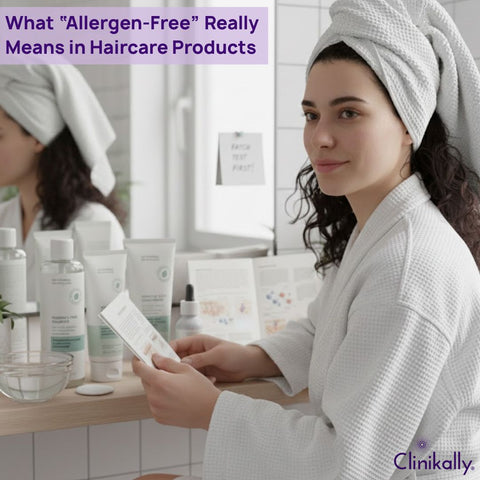
“Allergen-free” haircare doesn’t mean a product can never trigger a reaction; it means it’s formulated to minimize known triggers based on dermatological and cosmetic science. Brands typically exclude common contact allergens such as synthetic fragrance mixes, certain preservatives (like formaldehyde-releasers), and harsh sulfates linked to scalp irritation. Instead, they often use hypoallergenic surfactants, clinically tested botanical extracts, and dermatologically approved conditioning agents. When you see labels like “fragrance-free shampoo,” “sensitive scalp conditioner,” or “dermatologist-tested hair serum,” it indicates the formula has been designed for reactive, eczema-prone, or allergy-prone skin. However, individual sensitivities vary, so checking the INCI ingredient list and performing a patch test remains essential, even with allergen-free haircare products marketed as safe for daily use.
In haircare, “allergen-free” is closely tied to rigorous safety assessments, patch-testing data, and cosmetic regulatory standards. Products marketed as hypoallergenic haircare, scalp-soothing shampoos, and sensitive-skin conditioners typically avoid EU-listed fragrance allergens, common colorants, and problematic essential oils that may trigger contact dermatitis. Many allergen-conscious formulas highlight “no parabens, no sulfates, no phthalates” and use gentle, science-backed ingredients like panthenol, ceramides, and niacinamide to support the scalp barrier. For consumers searching “best shampoo for allergy-prone scalp” or “non-irritating haircare for dandruff and itching,” allergen-reduced products can be a smart choice. Still, “allergen-free” is not a legally absolute term, so consumers with severe allergies should look for clear allergen statements, clinical testing claims, and concise ingredient lists tailored to their personal triggers.
The Science Behind Allergic Reactions and Sensitive Scalps
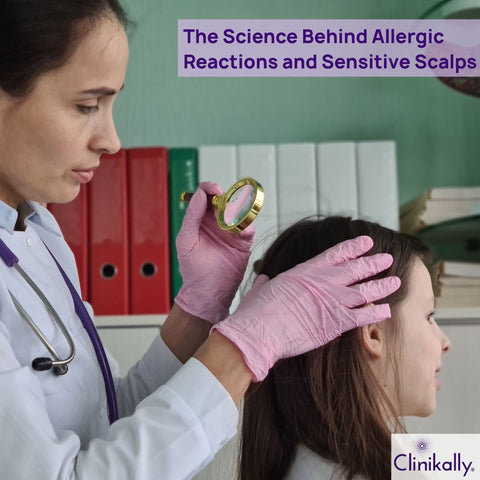
Your scalp is more than just where your hair grows; it is an active immune organ constantly interacting with shampoos, conditioners, hair dyes and pollution. When you have a sensitive scalp, even routine exposure to these everyday triggers can feel like “too much.” At the core of this sensitivity is the same biology that drives allergic reactions: a compromised skin barrier, hyper-reactive immune cells and overactive nerves. Understanding how these systems connect explains why some scalps itch, burn or sting from ingredients that others tolerate.
-
The scalp is packed with hair follicles, oil glands and blood vessels, and we load it with shampoos, conditioners, hair serums and hair dyes, so it becomes one of the most exposed areas for sensitive scalp, itchy scalp and scalp allergy problems.
-
With repeated use of hair care products, the immune system can get “trained” to see certain ingredients as dangerous, leading to chronic scalp allergy, burning scalp and tight, uncomfortable scalp skin, especially in people with a sensitive scalp type.
-
A healthy scalp barrier (outer skin layer plus natural oils) normally keeps hair product chemicals, pollutants and allergens out, which is why good scalp care focuses on barrier protection and repair.
-
Harsh sulfate shampoos, frequent hair coloring, chemical straightening, heat styling and sun (UV) exposure can damage this barrier, so people who style often are at higher risk for sensitive, reactive scalp and contact dermatitis on the scalp.
-
Once the barrier is weakened, common hair-care ingredients such as fragrance, preservatives, dyes and strong surfactants can penetrate deeper, triggering dry, flaky scalp, stinging, burning and exaggerated reactions even to everyday “normal” shampoos and conditioners.
-
Some small chemicals in cosmetics act like haptens and stick to scalp proteins; immune cells then react and create allergic contact dermatitis of the scalp, which is a key cause of itchy, inflamed scalp after using hair dye or new hair products.
-
After this “sensitization”, whenever the same ingredient touches the scalp again, memory immune cells or IgE antibodies react quickly, causing redness, swelling and intense itch that can spread from the scalp to the ears, neck and forehead, classic signs of a scalp product allergy.
-
Not every bad reaction is a true allergy; strong cleansers, solvents or acids in some shampoos and treatments can directly irritate the skin and cause irritant contact dermatitis of the scalp, with burning, tingling and tightness, even when allergy tests are negative.
-
Repeated irritation from over-washing, frequent clarifying shampoos or harsh anti-dandruff treatments keeps inflammation active and the barrier weak, making it much easier for a true scalp allergy to develop later and turning sensitive scalp syndrome into a long-term issue.
-
The scalp is rich in nerve endings, so irritants and allergens can trigger nerve-mediated (neurogenic) inflammation, leading to scalp tenderness, pain on light touch, discomfort while combing and an intense itchy scalp even when there isn’t much visible redness or dandruff.
-
The normal scalp microbiome (friendly bacteria and yeasts) helps keep the skin balanced, but when the barrier is damaged, Malassezia yeast and other microbes can overgrow, driving dandruff, seborrheic dermatitis, flaky scalp and itch, and creating a vicious cycle of sensitive, inflamed scalp.
-
People with eczema, asthma, allergic rhinitis or naturally dry, eczema-prone skin have a weaker barrier and more allergy-prone immune system, so they are more likely to develop scalp allergy from shampoo, hair dye or styling products and benefit from hypoallergenic, fragrance-free, sulfate-free hair care.
-
Hormonal changes, stress and overall body inflammation can lower the threshold for reactions, so the same shampoo or hair color that was fine before may suddenly cause itchy, burning, reactive scalp, which is why many adults search for “best shampoo for sensitive scalp” or “fragrance-free, sulfate-free shampoo for scalp allergy” later in life.
In short, allergic reactions and sensitive scalp are various expressions of the same underlying biology-a permeable barrier, primed immune cells, altered microbiome, and highly responsive nerves. When these systems interact with specific allergens or irritants, they turn what should be ordinary hair care into a source of discomfort. Framing "sensitive scalp" this way scientifically can help explain symptoms while guiding better ingredient awareness and product choices.
Myths and Misconceptions About Allergen-Free Formulas
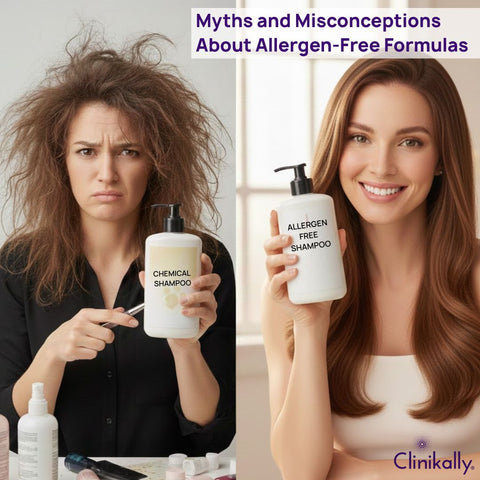
"Allergen-free" has become a powerful promise in skincare and hair care, especially for anyone with a sensitive scalp or history of contact dermatitis. Yet, the science behind allergen-free shampoo, conditioner, and serums is far more nuanced than the label would suggest. Immune responses are highly individual, regulations around "hypoallergenic" are looser than most people think, and even natural ingredients can sensitize the skin. Understanding the main myths helps you to read INCI lists more clearly and set realistic expectations from low-allergen, sensitive-skin formulas.
-
Myth 1: "Allergen-free means nobody will ever react"
Not a universal guarantee: In most cases, "allergen-free" simply means the formula avoids common listed allergens, not every possible trigger for every person. Immune systems are different, and a molecule that is completely harmless for the majority can still provoke allergic contact dermatitis among sensitized or genetically predisposed persons.
-
Myth 2: “Hypoallergenic and allergen-free are strict medical categories.
Most marketing language, in cosmetics, terms like "hypoallergenic", "allergen-free", and "for sensitive scalp" signal reduced-risk design, not absolute, regulated standards. Limited patch testing: "Dermatologist-tested" formulas are tested on a controlled group, which cannot predict rare and delayed reactions in the entire population.
-
Myth 3: “Natural, allergen-free formulas can’t cause scalp irritation”
Botanical does not imply non-allergenic: Essential oils, plant resins, and many botanical extracts are well-documented causes of contact dermatitis, even in “clean” hair care. Fragrance-free can still be scented: Products may avoid listed fragrance allergens but contain aromatic plant extracts that serve as fragrance to the immune system. Inflammation is multifactorial: High levels of surfactants, alcohols, or active plant compounds can disrupt the barrier and irritate a sensitive scalp, even without a classic allergen present.
Benefits of Allergen-Free Haircare
Allergen-free haircare offers more than comfort; it supports long-term scalp health and hair quality. By avoiding fragrance allergens, harsh sulfates, formaldehyde releasers, and sensitizing preservatives, allergen-free shampoo and conditioner can significantly reduce itching, redness, and flaking in reactive scalps. This helps maintain the skin barrier, stabilize the scalp microbiome, and minimize flare-ups in eczema-, psoriasis-, and dermatitis-prone individuals. Many hypoallergenic haircare formulas are also colour-safe and gentler on the cuticle, helping reduce breakage and dryness over time. For fragrance-intolerant users or those prone to headaches and respiratory triggers, fragrance-free shampoo for sensitive scalp provides a safer daily option. Ultimately, dermatologist-tested, allergen-conscious hair products can make it easier to build a consistent, soothing routine while shopping by offering clinically aligned care without sacrificing shine, softness, or styling performance. Such online dermatologist consultation are available at Clinikally also.
Reducing Scalp Irritation and Sensitivity
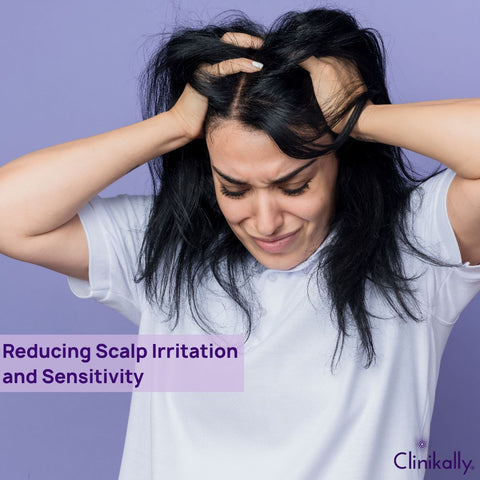
Allergen-free haircare helps in reducing scalp irritation and sensitivity by removing many of the molecules most likely to trigger an inflammatory response in sensitive skin. By avoiding common contact allergens such as fragrance mixes, certain preservatives, and harsh sulfates, an allergen-free shampoo or conditioner lowers the burden on the scalp barrier. This helps limit redness, burning, and itchy scalp flare-ups often mistaken for dandruff or “dry scalp.” Instead, formulas use milder surfactants, moisturizing humectants, and barrier-supporting lipids that respect the skin’s microbiome. For people with eczema, psoriasis, seborrheic dermatitis, or allergy-prone skin, switching to fragrance-free haircare can significantly decrease stinging after washing and improve everyday comfort. Over time, a consistent allergen-reduced routine may support a calmer, more resilient scalp with fewer product-related reactions.
Using allergen-free hair products is especially helpful for managing ongoing scalp sensitivity in people exposed to frequent styling, colouring, or heat tools. When shampoos, masks, and serums are formulated without high-risk allergens, the skin’s stratum corneum can repair more efficiently, reducing micro-inflammation that drives tightness, tingling, and soreness. Many modern hypoallergenic shampoos for sensitive scalp include soothing ingredients such as panthenol, aloe vera, and niacinamide to calm visible irritation while gently cleansing away sebum and product build-up. Choosing “allergen-free” or “fragrance-free” on the label can be an effective strategy if you experience recurrent itch or burning after washing. Paired with lukewarm water and minimal styling alcohols, allergen-conscious haircare supports long-term scalp comfort while keeping hair looking healthy, smooth, and salon-ready.
Safer Choices for Allergy-Prone Individuals
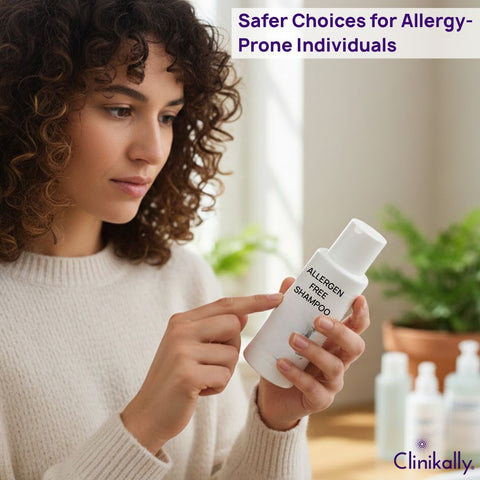
Allergy-prone scalps need the same things over and over: fewer known allergens, a stronger barrier and formulas that rinse off cleanly. Because hair dyes, fragrances and certain preservatives are top cosmetic allergens, especially in shampoos and conditioners, “safer choices” focus on removing or minimizing these triggers while still cleansing and conditioning effectively. 7 science-led choices to look for on labels and filters are:
-
Look for “fragrance-free” rather than just “unscented,” and avoid products that still list parfum, aroma or strong essential oils (like lavender, citrus or mint). Fragrance mixes are among the most frequent cosmetic allergens, and even natural perfumes can trigger contact dermatitis or scalp burning in sensitized users.
-
Choose sulfate-free shampoo with gentler surfactants (for example, glucosides, betaines or mild coconut-derived cleansers) instead of aggressive sulfates. Harsh surfactants strip lipids, increase permeability and make it easier for allergens such as dyes and preservatives to penetrate and irritate the scalp.
-
For allergy-prone individuals, targeting preservatives is key. Check INCI lists and favour products that avoid isothiazolinones (MI/MCI) and formaldehyde-releasing preservatives, which are well-recognized causes of allergic contact dermatitis from haircare.
-
If hair dye triggers reactions, look for PPD-free hair colour, semi-permanent or temporary tints, and always patch test. Paraphenylenediamine (PPD) in permanent dyes is one of the most common allergens linked specifically to scalp dermatitis and facial swelling after colouring.
-
While “hypoallergenic” is not an absolute guarantee, haircare lines that are hypoallergenic, dermatologist-tested and clinically tested for sensitive skin are usually formulated to reduce frequent triggers such as fragrances, dyes and certain preservatives. These products are often a safer starting point for people with eczema, asthma or a history of allergic contact dermatitis.
-
Look for pH-balanced (around 4.5-5.5) formulas with humectants (glycerin, panthenol) and barrier-friendly lipids. Maintaining an acidic pH and good hydration helps stabilize the scalp barrier, limiting allergen penetration and reducing the risk of irritation and sensitization over time.
-
For highly reactive scalps, short ingredient lists and simple rinse-off products are usually safer than complex leave-on treatments. Fewer botanical extracts, proteins and styling polymers means fewer potential haptens for the immune system to recognize, while thorough rinsing decreases the contact time between allergens and the skin.
Together, these seven safer choices do not remove all risk, but they significantly lower the allergen load on your scalp. Pairing fragrance-free, sulfate-free, preservative-conscious and PPD-free formulas with patch testing and careful label reading is the most practical way for allergy-prone individuals to enjoy modern haircare while keeping flare-ups, itching and scalp inflammation to a minimum.
Long-Term Wellness and Hair Health
Allergen-free haircare supports long-term wellness by protecting the scalp’s barrier, which is essential for healthy hair growth and overall skin health. When you consistently avoid high-risk allergens such as fragrance mixes, formaldehyde-releasing preservatives and harsh sulfates, you reduce chronic, low-grade inflammation around hair follicles. This helps stabilise the scalp microbiome, minimise oxidative stress and reduce the risk of recurring dermatitis or eczema flare-ups. Over time, using hypoallergenic shampoo and sensitive-scalp conditioner can improve scalp comfort, reduce itching and flaking, and create a more favourable environment for strong, resilient hair fibres. For people managing allergies, asthma or autoimmune conditions, an allergen-reduced routine also lowers the total “chemical load,” aligning haircare with a more holistic, wellness-focused lifestyle while still delivering salon-quality cleansing and shine.
In the long term, allergen-free hair products can help preserve both hair structure and colour integrity. Reduced irritation means less scratching and mechanical damage along the hair shaft, which helps limit breakage, frizz and thinning over time. Many allergen-conscious formulas pair gentle surfactants with evidence-based active ingredients such as niacinamide, panthenol and ceramides to support the scalp barrier while hydrating lengths. This science-driven approach benefits coloured, chemically treated or heat-styled hair that is already under stress. Consumers searching for “best hypoallergenic shampoo for hair fall,” “fragrance-free haircare for sensitive scalp,” or “dermatologist-tested hair serum” often find that allergen-free options deliver smoother texture, better manageability and long-term scalp comfort, making it easier to maintain consistent, healthy haircare habits.
Potential Downsides and Considerations
Allergen-free and hypoallergenic haircare can be a great option if you have a sensitive scalp, eczema, psoriasis or a history of contact dermatitis from shampoo or hair dye. But labels like “allergen-free shampoo” or “hypoallergenic shampoo” aren’t a magic fix. Here are the key things to know in simple, real-world terms.
-
In beauty products, words like “hypoallergenic”, “allergen-free” or “dermatologist-tested” are mostly marketing claims. There’s no single global rule or test that brands must pass to use them. One “allergen-free shampoo for sensitive scalp” can be formulated very differently from another. You can still react to these products, so don’t ignore early signs like redness, itching, burning or flaking just because the bottle sounds safe.
-
Most allergen-conscious haircare avoids common troublemakers such as certain fragrance mixes, preservatives or hair dye ingredients like PPD. But your skin might react to something else: a surfactant, plant extract, protein, or even a “natural” oil that isn’t on the brand’s radar. That means you can still get an itchy, flaky scalp or eczema flare from an allergen-free or fragrance-free shampoo if it doesn’t match your personal patch test results. Assuming it “can’t be the shampoo” can delay proper diagnosis.
-
When brands remove well-known allergenic preservatives, they have to keep the product safe with different systems. If the preservation is too weak, water-based products like shampoo, conditioner or scalp tonics can, in theory, be more prone to contamination once opened. If they rely on newer or less-studied preservatives, those ingredients themselves may become the “next big allergen” as more people start using them. Today’s “allergen-free formula” often just means free from the currently well-known allergens, not immune from future allergy trends.
-
Hypoallergenic and fragrance-free shampoo, especially if it’s also sulfate-free, can feel more basic: less scent, less foam, sometimes less slip or “salon” feel. That’s not bad for your health, but it can change how you use it. Many people compensate by using more product, washing twice, or layering a lot of styling creams, gels or hair sprays with stronger fragrance and resins. That extra build-up can increase overall exposure to other potential irritants, even if the core shampoo is gentle.
-
Problems like seborrheic dermatitis, scalp psoriasis, atopic eczema, dandruff and microbiome imbalance aren’t always caused by classic cosmetic allergens. If your main issue is barrier damage from over-washing, tight hairstyles, heat styling, or yeast-related inflammation, simply switching to allergen-free shampoo won’t always fix it. You may still need a targeted psoriasis or dandruff shampoo, medicated scalp treatment, or a dermatologist-developed routine to get real relief. Treat these products as part of sensitive scalp care, not a replacement for medical advice.
Hair dyes labelled “PPD-free”, “ammonia-free” or “allergen-reduced” often require more research, testing and careful formulation, which can make them more expensive than regular box dyes. In many markets there are also fewer options: fewer hair colour shades, fewer specialised stylers, fewer luxury-scented but fragrance-free shampoos and conditioners. Many people end up using gentler everyday products, but go back to high-risk hair dye or styling products for special occasions, exactly when exposure tends to be highest.
Limited Product Variety and Higher Costs
For many shoppers, a key drawback of allergen-free haircare is the limited product variety compared with conventional ranges. Because these formulas avoid common fragrance allergens, harsh sulfates and certain preservatives, brands often offer fewer options in terms of texture, styling benefits and hair type specificity. Curly hair, color-treated hair, brassy hair and scalp psoriasis sufferers may struggle to find an allergen-free shampoo, conditioner or mask that targets their exact concern. This can push consumers back to standard sensitive scalp shampoo lines that are not fully allergen-reduced.
Allergen-free haircare can also be more expensive, reflecting rigorous safety testing, specialised manufacturing and the use of gentle, high-purity ingredients. Hypoallergenic shampoo, fragrance-free conditioner and dermatologist-tested scalp serums are often produced in smaller batches, increasing per-unit costs compared with mass-market formulas. For people managing eczema or contact dermatitis, these prices may feel like a barrier to building a full sensitive scalp routine. Shoppers often balance budget with health by prioritising an allergen-free shampoo, then gradually switching other hair products as finances allow.
The Role of Marketing Hype vs. Scientific Evidence
In allergen-free haircare, marketing hype often leans on buzzwords like “clean,” “non-toxic,” and “dermatologist-approved” without always providing solid clinical data. Many “allergen-free shampoo” or “fragrance-free conditioner” claims are branding choices, not strictly regulated medical terms. True scientific evidence involves repeat-insult patch testing, safety dossiers, and assessment of known contact allergens in line with dermatology guidelines. When labels highlight “hypoallergenic haircare” but offer no testing details, it’s wise to be cautious and read the INCI list instead of relying solely on glossy, wellness-focused marketing language.
To separate hype from science, look for allergen-free haircare products that reference clinical studies, dermatologically tested protocols, or compliance with EU-listed fragrance allergen restrictions. Brands that publish data on sensitive scalp trials, eczema-prone volunteers, or irritation indices are generally more evidence-driven. Checking for clear ingredient transparency, fragrance-free or sulfate-free claims backed by full INCI disclosure, and endorsements from independent dermatology associations can help. This research-based approach ensures your hypoallergenic shampoo or sensitive scalp serum is chosen for proven safety, not just compelling marketing copy.
How to Identify Truly Allergen-Free Products
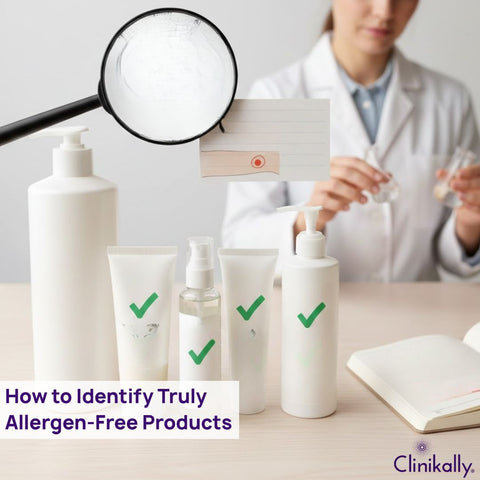
“Allergen-free” on a label can feel reassuring, especially if you have a sensitive scalp, eczema or a history of contact dermatitis. But there’s no universal legal definition, and different brands use the term in very different ways. Instead of trusting the front of pack, it’s smarter to read the formula like a scientist. These 9 practical, dermatologist-style tips will help you identify truly low-allergen, sensitive-skin-friendly products when you’re shopping for shampoo, conditioner, skincare or body care online or in-store.
-
Treat words like “allergen-free”, “hypoallergenic”, “clean” or “for sensitive skin” as starting points, not guarantees. Always flip to the full ingredient list (INCI) before putting anything on a sensitive scalp or face. Front labels are marketing; back labels are data.
-
If you are allergy-prone, treat fragrance as a red flag. Scan for terms such as parfum, fragrance, aroma, essential oil, citrus oil, menthol, limonene, linalool, citronellol. A better choice is fragrance-free, not just “unscented” (which can still contain masking fragrances).
-
If a dermatologist has done patch testing, use that report as your personalised allergen map. Search the INCI list for those exact names (for example, specific preservatives, hair dye components or fragrance mixes). A product is only “truly allergen-free” if it is free from your documented triggers.
-
Even without patch testing, you can reduce risk by knowing common problem groups:
-
Certain preservatives, such as isothiazolinones and formaldehyde-releasers
-
Fragrance blends and essential oils
-
Some permanent hair dye molecules (such as PPD)
-
For highly sensitive or reactive skin, fewer ingredients usually mean fewer potential allergens. When choosing allergen-free shampoo, conditioner or skincare, minimalist formulas without long botanical blends, strong actives or proteins are safer for daily use.
-
Many “sensitive” products remove fragrance but still include colorants or “natural” scents from plant extracts. For a truly low-risk option, look for fragrance-free + dye-free together, especially in leave-on products like scalp tonics, serums and face creams that stay in contact with skin for hours.
-
Stronger indicators of care include phrases like “dermatologist tested,” “tested on sensitive skin,” “clinically evaluated for tolerance” with clear methodology (often found on brand websites). While this still doesn’t guarantee zero reactions, it’s more meaningful than vague “skin friendly” language with no supporting detail.
-
“Natural” does not automatically mean non-allergenic. Essential oils, resins and many plant extracts are among the most common causes of cosmetic allergies. If a product markets itself as “allergen-free” but is heavily scented with botanicals, treat it as higher risk for a sensitive scalp or face.
-
Patch-test new products, even if the label looks perfect No matter how clean the ingredient list appears, always patch-test new products on a small area of skin or scalp before full use; especially hair dye, leave-in treatments and active skincare. A 24-48 hour patch test is your real-world check that a product is functionally “allergen-free” for you.
Truly allergen-free products are less about magic labels and more about matching ingredient science to your personal biology. When you read INCI lists carefully, know your own triggers and patch-test before committing, “allergen-free” and “hypoallergenic” shampoos, conditioners and skincare become powerful tools instead of marketing buzzwords. Over time, these habits help you build a routine that keeps your scalp and skin calm while still feeling luxurious and enjoyable to use.
Personalizing Your Haircare with Allergen-Free Options
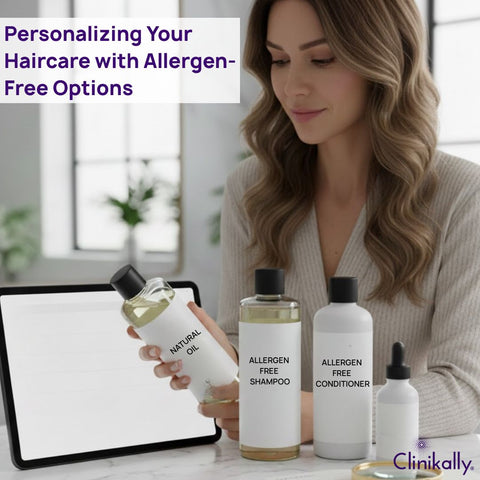
By personalizing your routine with allergen-free haircare, you can match each product to your specific scalp diagnosis, hair texture, and lifestyle. Start by identifying triggers: fragrance, sulfates, cocamidopropyl betaine, or certain preservatives, then choose a hypoallergenic shampoo, fragrance-free conditioner, and gentle scalp serum that minimize barrier disruption. Those with dandruff, seborrheic dermatitis, or eczema-prone skin may benefit from pH-balanced, dermatologist-tested formulas that support the microbiome while cleansing effectively. Over time, tracking symptoms, photographs, and wash frequency can help you see whether your sensitive scalp routine is truly working or whether you need additional medical guidance.
Online, it is easier than ever to build a targeted allergen-free haircare regimen using filters such as “sulfate-free shampoo,” “fragrance-free haircare,” “vegan,” or “for sensitive scalp type.” Focus on clear INCI lists, patch-test recommendations, and reviews from users with similar conditions like psoriasis or contact dermatitis. When in doubt, consult a dermatologist or trichologist to align your shampoo, conditioner, and scalp treatments with medical advice. In the long term, consistent use of gentle, non-comedogenic formulas can support stronger strands, fewer flares, and a calmer, more resilient scalp. This is especially important for those with chronic scalp sensitivity, fragrance intolerance, or a history of haircare-related allergies.