D-Panthenol for Skin: Real Benefits Backed by Science
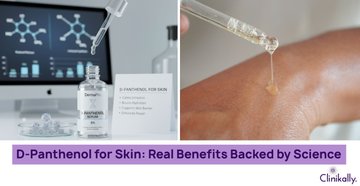
D-Panthenol, commonly known as provitamin B5, is a very effective skincare component valued for its moisturizing, calming, and barrier-repairing effects. It is found in a wide range of products, including moisturizers, serums, after-sun care, and post-treatment formulae, and it is essential for skin health and recovery. In this article, we'll take a scientific look at how D-Panthenol improves the skin.
Understanding D-Panthenol: What It Is and How It Works
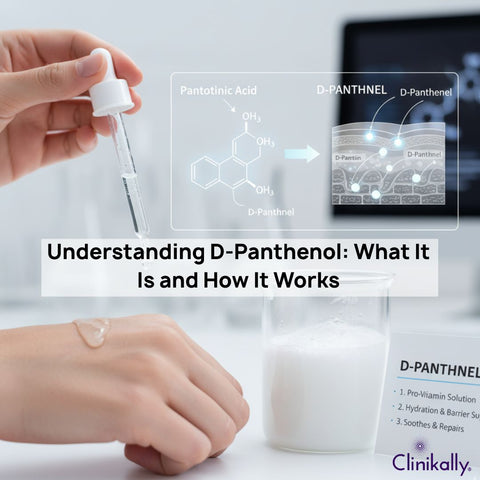
D-Panthenol is more than just a hydration booster; it's a cell-communicating, healing-promoting substance that tackles a variety of skin concerns. Its ability to moisturize, soothe, repair, and protect makes it an essential for sensitive or stressed skin, as well as a great supplement to any comprehensive skincare regimen.
The Chemistry of D-Panthenol: From Pro-Vitamin B5 to Pantothenic Acid
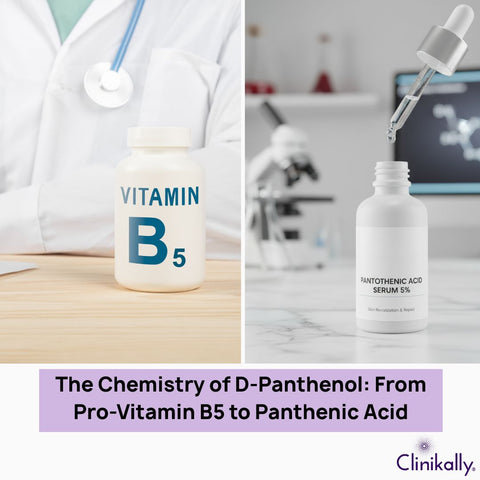
D-Panthenol, or provitamin B5, is a stable alcohol analog of pantothenic acid (vitamin B5). When absorbed by the body, it is quickly transformed into pantothenic acid, an important component of coenzyme A that is required for a variety of metabolic functions. From pro-vitamin B5 to pantothenic acid:
-
D-Panthenol (provitamin B5) D-Panthenol has the molecular formula C9H19NO4. It is an alcohol derivative of pantothenic acid.
-
D-Panthenol, once absorbed by the body, is rapidly converted to pantothenic acid (vitamin B5). This change takes place by the enzymatic oxidation of D-Panthenol.
-
Pantothenic acid (vitamin B5) Pantothenic acid is a water-soluble vitamin that is essential for the production of coenzyme A, a molecule involved in a variety of metabolic processes.
Pantothenic Acid's Chemistry:
-
Structure: Pantothenic acid consists of β-alanine and 2,4-dihydroxy-3,3-dimethylbutyric acid (pantoic acid) connected by an amide bond.
-
Function: It is required for the synthesis of coenzyme A, a cofactor involved in a variety of metabolic processes such as energy production, hormone synthesis, and the metabolism of fatty acids, proteins, and carbohydrates.
How D-Panthenol Interacts with the Skin’s Surface
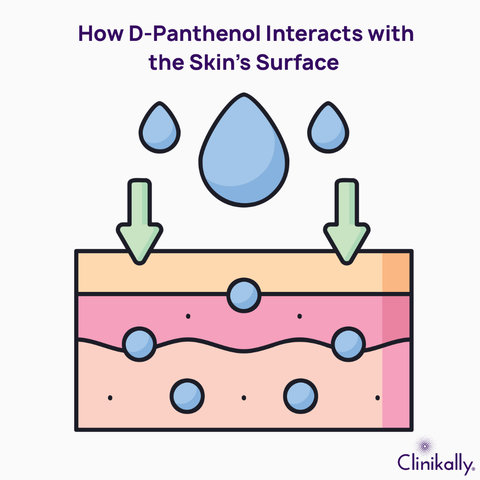
D-Panthenol serves as a humectant, drawing and retaining moisture, as well as an emollient, soothing and softening the skin. It also strengthens the skin's barrier function, which improves moisture retention and protects against external irritants. Here is a more detailed explanation.
-
Humectant: D-Panthenol draws moisture from the skin's deeper layers and the air into the outer layer (stratum corneum), hydrating and plumping the skin.
-
Emollient: Softens and smooths the skin, minimizing dryness and roughness.
-
Skin barrier enhancement: D-Panthenol promotes the skin's natural barrier function, which helps to protect it from environmental damage and moisture loss.
-
Anti-inflammatory properties: It can soothe irritated skin while also reducing redness and inflammation.
-
Wound healing: Studies have shown that D-Panthenol promotes wound healing by stimulating skin cell regeneration.
The Role of D-Panthenol in Hydration and Repair
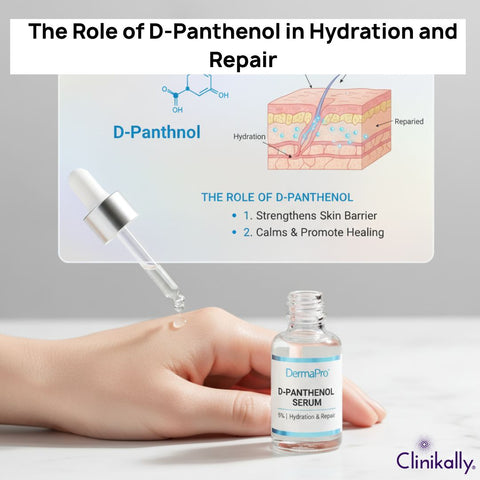
D-Panthenol's humectant and moisturizing characteristics make it essential for skin and hair hydration and restoration. It draws and holds moisture, increasing the skin's barrier and lowering water loss. Furthermore, D-Panthenol promotes wound healing and tissue repair, making it an important element in skincare and haircare products. Here's a detailed look:
-
Humectant: D-Panthenol draws moisture from deeper layers and the environment to the skin and hair, where it binds and attracts it.
-
Strengthens skin barrier: It improves the skin's capacity to hold onto moisture by lowering trans epidermal water loss (TEWL) and repairing and strengthening the skin's barrier function.
-
Long-lasting hydration: D-Panthenol prolongs the skin's ability to regulate its water content.
-
Healing of wounds: D-Panthenol is known to hasten the healing of minor burns, cuts, and wounds.
-
Tissue repair: It facilitates the healing process by supporting the restoration of injured skin cells and tissues.
-
Reduces inflammation: The anti-inflammatory qualities of D-Panthenol help to calm irritated and swollen skin.
-
Decreases redness and itching: It can aid in reducing the dryness, redness, and itching brought on by a number of skin disorders.
In skincare:
-
Moisturizers: D-Panthenol is a common ingredient in moisturizers that hydrate and soften the skin.
-
Anti-aging products: By increasing the elasticity and hydration of the skin, they can help minimize the appearance of fine lines and wrinkles.
-
Soothing products: Because of its anti-inflammatory and calming properties, D-Panthenol is frequently found in products for sensitive or irritated skin.
In haircare:
-
Shampoos and conditioners: D-Panthenol gives hair a glossy, hydrated finish that makes it easier to manage.
-
Reduces breakage: By increasing elasticity and halting moisture loss, it helps to fortify hair strands and lessen breakage.
Skin Benefits of D-Panthenol: Why It Deserves a Spot in Your Routine
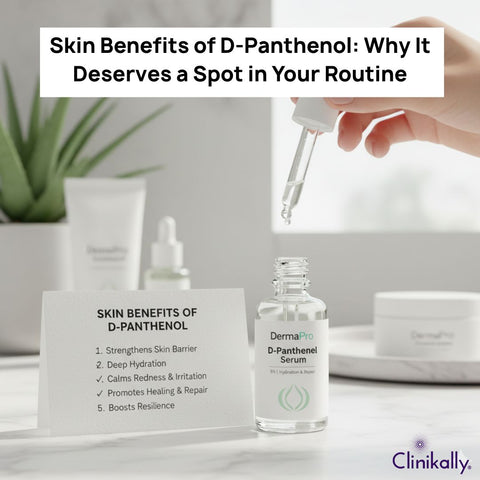
D-Panthenol is a good ingredient for skin and hair since it moisturizes, soothes, and regenerates. It serves as a humectant, attracting and retaining moisture, which helps to moisturize and enhance skin suppleness. D-Panthenol also aids in skin restoration by stimulating cell renewal and fortifying the skin barrier. Benefits of D-Panthenol:
-
Deep hydration: D-Panthenol acts as a humectant, attracting moisture to the skin and limiting water loss, resulting in long-lasting hydration.
-
Skin repair and regeneration: It promotes skin cell regeneration, which aids in the healing of minor cuts, burns, and irritations while also minimizing the appearance of scars and blemishes.
-
Soothing and Anti-inflammatory: D-Panthenol can help calm and soothe irritated or inflamed skin, making it ideal for sensitive skin and eczema.
-
Improved skin barrier function: It enhances the skin's natural protective barrier, preventing water loss and environmental harm.
-
Hair health: D-Panthenol can increase hair softness, gloss, and manageability while also preventing split ends and strengthening hair.
Moisture Locking: Preventing Water Loss in the Epidermis
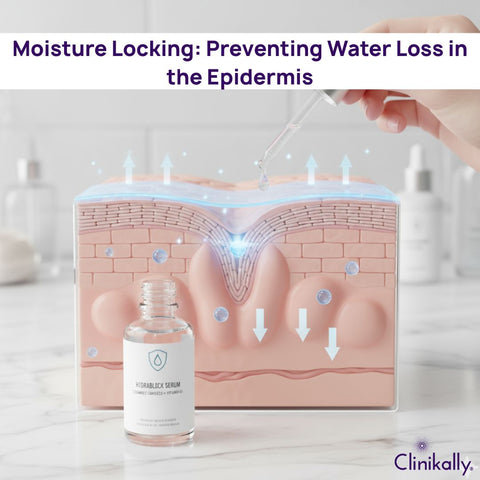
Moisture locking is vital for retaining hydration, keeping a healthy barrier, and preventing premature aging or irritation. D-Panthenol, glycerin, and ceramides work together to attract, retain, and seal in moisture, leaving your skin nourished, balanced, and robust over time.
Barrier Strengthening and Redness Reduction
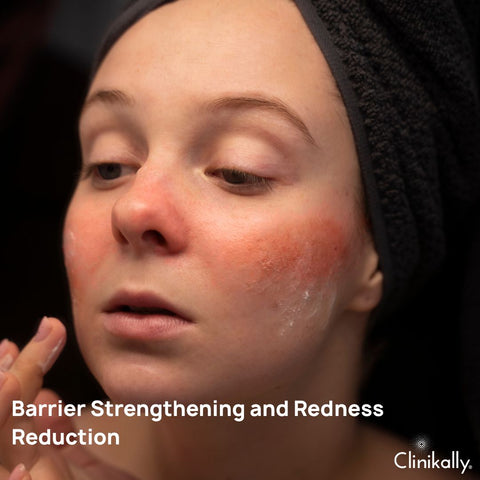
The skin barrier protects your body from external stressors, pollution, pathogens, and moisture loss. When it works properly, it seals in hydration and keeps irritants out. However, once compromised—whether from over-exfoliation, sun damage, allergies, or harsh products—it can cause redness, sensitivity, dehydration, and flare-ups.
Strengthening the skin barrier and lowering redness work in tandem. When the barrier is strengthened, inflammation decreases, hydration improves, and the skin gains resilience over time. Here's how to restore equilibrium with the correct nutrients and care methods. Overuse of acids, retinoids, or scrubs, harsh cleansers or soaps with a high pH, sunburn or unprotected UV exposure, environmental stress (pollution, wind, dry air), and underlying skin problems (rosacea, eczema, dermatitis) all contribute to barrier degradation. A weaker barrier causes trans-epidermal water loss (TEWL) and increased sensitivity to redness, stinging, and breakouts. Effective barrier-strengthening ingredients:
-
D-Panthenol (Provitamin B5): It is converted to pantothenic acid in the skin. Improves hydration and promotes lipid production. Calms inflammation and significantly lowers redness. Ideal post-treatment (e.g., following micro needling or peels).
-
Ceramides: They are naturally occurring lipids that are vital to the formation of the skin. Restore the intercellular "cement" that keeps skin cells together. Ideal for dry, eczema-prone, and sensitive skin. Work along with cholesterol and fatty acids.
-
Niacinamide (2–5%): Promotes barrier repair by boosting ceramide synthesis. Reduces blotchiness, redness, and blotchiness. Reduces irritation while balancing oil production. At low doses, it is not harmful to sensitive or rosacea-prone skin.
-
Centella Asiatica (CICA): High in madecassoside and Asiatic side. Proven to decrease redness and inflammation. Enhances collagen synthesis and wound healing.
-
Allantoin and colloidal oatmeal: They provide rapid, relaxing relief for itchy or sensitive skin. Strengthen the barrier by lowering inflammatory triggers. Suitable for everyday use on reactive skin.
Anti-inflammatory Effects on Sensitive and Irritated Skin
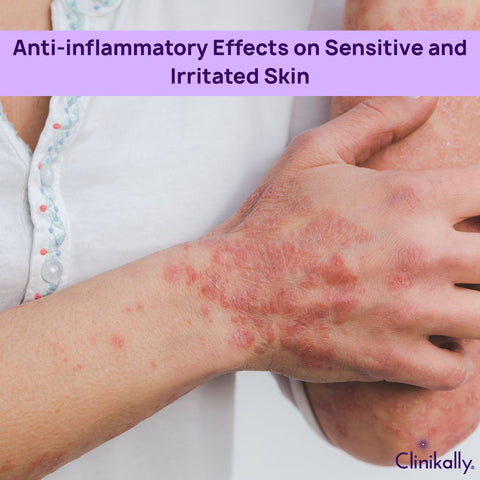
When dealing with sensitive or irritated skin, anti-inflammatory treatment is not only beneficial, but also necessary. D-Panthenol, niacinamide, Centella, and colloidal oatmeal help to relax, moisturize, and rebuild skin resiliency from the inside. Over time, persistent use results in significantly calmer, stronger, and more balanced skin.
Using D-Panthenol in Skincare: Forms, Combinations, and Suitability
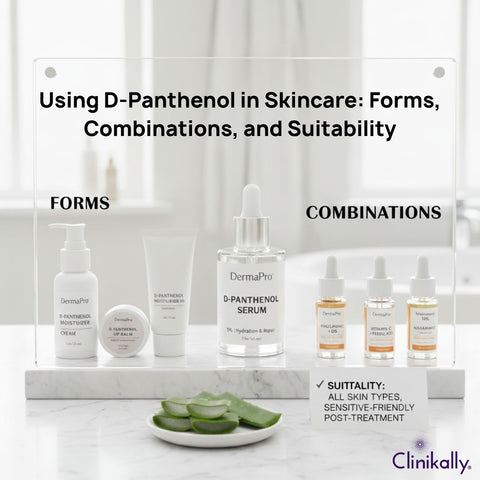
D-Panthenol is water-soluble and most often included in serums and essences to provide hydration and calming in a lightweight, fast-absorbing formula. Creams and lotions are ideal for barrier repair and long-term moisturization. Ointments and balms with high concentrations (5-10%) for irritated or post-treatment skin. Cleansers and toners are gentle formulations that avoid over stripping. Masks and sheet masks are frequently used in conjunction with other calming ingredients to provide intense hydration. Cosmetic products often contain concentrations ranging from 1-5%. Higher concentrations are designated for medicinal or therapeutic applications (such as burn creams or scar ointments). D-Panthenol complements a wide range of substances and frequently increases their benefits, particularly when used in a supportive or recovery-oriented practice.
-
Hydration boost: Combining humectant properties, hyaluronic acid attracts and retains moisture. Adding another layer of moisture retention, glycerin is perfect for dry skin. Additionally, beta-glucan reduces inflammation and hydrates.
-
Barrier repair: Ceramides work together to restore the lipid layer. Squalene or fatty acids can be used to provide emollient support and trap moisture. Niacinamide (≤5%) helps strengthen the skin barrier and reduce redness.
-
Sensitivity and irritation: Centella Asiatica (Cica) is an excellent post-treatment option for reducing inflammation. Allantoin softens the skin and helps to reduce itching and flaking. The best for extremely dry or eczema-prone skin is colloidal oatmeal.
-
Post-treatment care: After micro needling, peeling, or laser treatments, combine D-Panthenol with aloe vera (cooling, anti-inflammatory), madecassoside (supports collagen and tissue repair), and mineral SPF.
Popular Products That Feature D-Panthenol
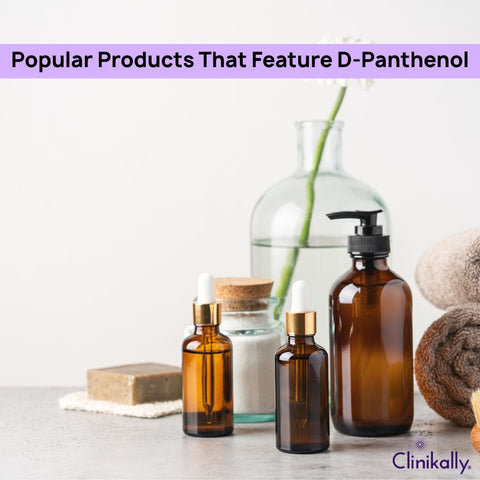
D-Panthenol (Provitamin B5) is popular in skincare due to its numerous benefits, particularly for sensitive, dry, or damaged skin. Whether it's in serums, creams, ointments, or cleansers, here are the unique properties that make D-Panthenol a standout component in skincare formulations:
-
Barrier Repair and Strengthening: It supports lipid synthesis in the epidermis, which aids in the rebuilding and strengthening of the skin's natural barrier. Reduces trans epidermal water loss (TEWL), allowing the skin to maintain hydrated and withstand environmental stress. Ideal for barrier-compromised skin, such as after micro needling, peeling, or excessive usage of actives.
-
Powerful hydration: It acts as a humectant, pulling moisture into the outer skin layer and retaining it. It leaves the skin feeling plump, silky, and elastic. Compatible with moisturizing ingredients like as glycerin and hyaluronic acid.
-
Anti-inflammatory and soothing: Reduces redness, burning, and irritation caused by dryness, sensitivity, or skin conditions such as eczema. It reduces itching and irritation, making it appropriate for use on sensitive or allergy-prone skin.
-
Accelerated healing and cell regeneration: Increases keratinocyte proliferation and fibroblast activity, which are required for skin restoration. It accelerates the healing of wounds, scars, and inflammation, making it an important element in post-procedure skincare and first-aid products.
-
Non-comedogenic: It means it does not clog pores, making it excellent for acne-prone or oily skin. Frequently used in oil-free products to give hydration without heaviness or residue.
-
Compatible with all skin types: Gentle enough for infants, pregnant ladies, and those with sensitive skin. It can be used every day, both morning and night, with no risk of irritation or sensitivity accumulation. When used in the same routine, it helps to build tolerance to stronger actives (such as retinoids or exfoliants).
-
Multi-use across skincare categories: Cleansers, moisturizers, serums, masks, eye creams, lip balms, and scalp treatments all contain this versatile ingredient. Works well in leave-on or rinse-off products and produces consistent results.
Synergistic Ingredients: Pairing D-Panthenol with Hyaluronic Acid or Niacinamide
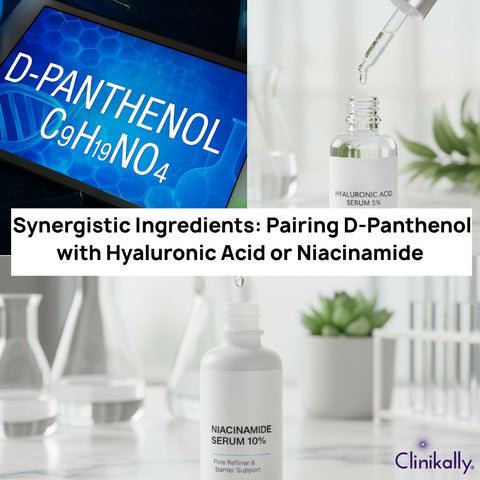
Combining D-Panthenol with Hyaluronic Acid or Niacinamide is a scientifically proven strategy to improve skin hydration, reduce inflammation, and repair the skin barrier. These combinations are especially useful in routines centered on:
-
Skin irritation or sensitivity
-
Post-operative recovery
-
Barrier repair or hydration support.
-
Maintaining a healthy glow without using harsh active ingredients.
Is D-Panthenol Safe for All Skin Types?
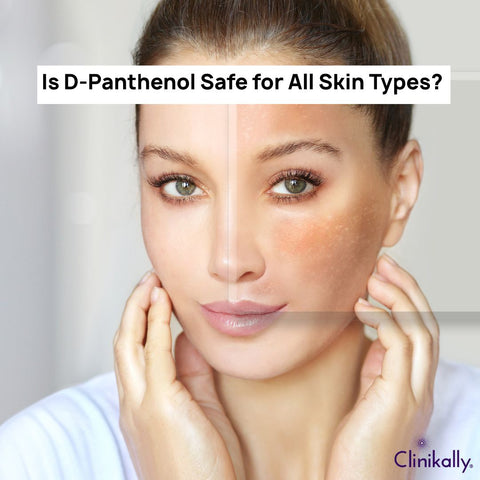
Yes, D-Panthenol is commonly regarded as safe and good for all skin types, including sensitive, acne-prone, dry, oily, compromised, and post-procedure skin. Its gentle, non-irritating nature and deep moisturizing capacity have won it a trusted place in dermatological treatment and daily skincare routines.
D-Panthenol is non-comedogenic: which makes it suitable for oily and acne-prone skin. It even relieves the irritation and redness that frequently accompany acne flare-ups.
Non-irritating and hypoallergenic: It has a reduced risk of allergic reactions and is gentle enough for eczema-prone skin, rosacea, and post-procedure care (e.g., micro needling, chemical peels). It is commonly used in baby skincare and medical ointments, indicating its safety profile.
D-Panthenol in Dermatology: Clinical Applications and Research Insights
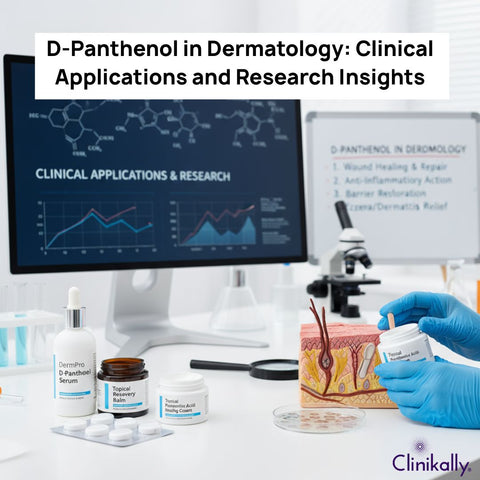
D-Panthenol has long been utilized in cosmetic and clinical dermatology for its moisturizing, anti-inflammatory, regenerative, and skin barrier-restoring characteristics. D-Panthenol is much more than just a moisturizer; it has an important function in wound care, post-procedure healing, dermatitis management, and skin barrier rehabilitation, and clinical studies back this up.
D-Panthenol is more than just a hydration booster; it is a clinically proven, versatile component with numerous applications in skin health and healing. Its anti-inflammatory, regenerative, and barrier-reinforcing properties make it invaluable for:
-
Medical dermatology (burns, eczema, radiation dermatitis).
-
Aesthetic dermatology (post-operative care)
-
Skin that is sensitive or at risk requires daily maintenance.
Its excellent safety profile and compatibility with other therapeutic agents reinforce D-Panthenol's status as a dermatologic essential.