Benfotiamine vs. Thiamine: Unpacking the Vitamin B1 Dilemma
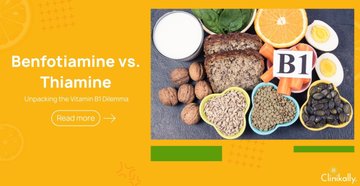
Vitamin B1, often known as thiamine, is a vital component that regulates energy metabolism and neuronal function. While thiamine has long been used to treat deficits and neurological problems, its derivative, benfotiamine, has emerged as an effective alternative with distinct features. In this article, we'll look at the key differences, applications, and potential benefits.
What Are Benfotiamine and Thiamine Exactly?
Benfotiamine and thiamine are both types of vitamin B1, which is essential for energy metabolism and nervous system health. However, they differ in structure, solubility, and how they are used in the body.
-
Thiamine (Vitamin B1): Thiamine is a naturally occurring, water-soluble derivative of vitamin B1. It is necessary for carbohydrate conversion and plays an important role in nerve function, muscular coordination, and glucose metabolism. Natural sources include whole grains, meats, legumes, nuts & seeds, and fortified cereals. Functions as a coenzyme in carbohydrate metabolism (mostly as thiamine pyrophosphate, or TPP). Promotes neuronal signaling and myelin sheath integrity. Helps generate neurotransmitters such as acetylcholine. It can cause beriberi, Wernicke's encephalopathy, and Korsakoff syndrome, especially in alcoholics or those who have malabsorption disorders.
-
Benfotiamine: Benfotiamine is a synthetic, fat-soluble derivative of thiamine. It is specifically engineered to promote absorption and increase thiamine levels within cells more effectively than regular thiamine. The chemical makeup is S-acyl derivative of thiamine (S-benzoylthiamine-O-monophosphate), which is lipid-soluble and thus more bioavailable. After absorption, functions that transform into active thiamine (TPP) improve vitamin B1 supply to nerves, kidneys, and blood vessels and provide antioxidant and anti-inflammatory properties not found in normal thiamine. Therapeutic uses include diabetic neuropathy, alzheimer's and parkinson's, retinal and kidney protection in diabetic patients, and cardiovascular health (owing to its anti-glycation characteristics).
Thiamine’s role in everyday health
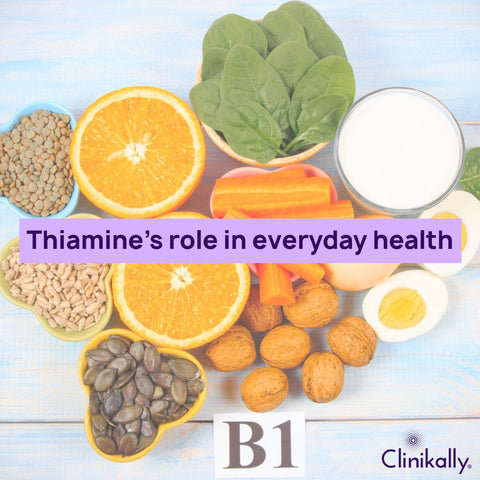
Thiamine, often known as vitamin B1, is a water-soluble vitamin that is essential for sustaining energy levels, brain function, and overall metabolic health. Even though it is only necessary in small amounts, a consistent supply is essential for keeping your body and mind functioning properly.
-
Energy metabolism: Thiamine works as a coenzyme in carbohydrate metabolism, converting glucose into ATP (the body's energy currency). Key enzyme reactions include pyruvate dehydrogenase, which connects glycolysis to the Krebs cycle, α-Ketoglutarate dehydrogenase, which is essential for energy synthesis; and transketolase, which works in the pentose phosphate route. Without thiamine, your cells are unable to efficiently convert food into energy, resulting in weariness, mental fog, and muscle weakness.
-
Nervous system function: Thiamine is essential for nerve signaling, maintaining the myelin sheath (which protects nerve fibers), and promoting the creation of neurotransmitters like acetylcholine. Benefits include promoting clear thinking and memory, supporting coordination and reflexes, and preventing nerve degeneration.
-
Cardiovascular health: Thiamine promotes vascular tone and heart function. It is necessary for proper cardiac contractions. Deficiency can cause cardiac enlargement and fluid buildup (as in "wet beriberi").
-
Digestion and appetite: Thiamine aids the muscles and nerves of the digestive tract while also regulating hunger. It is commonly included in B-complex supplements to stimulate a healthy appetite, particularly after illness or recovery.
-
Mood and mental health: The brain is a high-energy organ that relies substantially on thiamine. Deficiency has been associated with irritability, anxiety, melancholy, and difficulty concentrating. Some researchers are investigating its potential role in reducing cognitive deterioration in elderly persons.
What makes benfotiamine different?
Benfotiamine is a fat-soluble derivative of thiamine (vitamin B1) that was specifically designed to overcome the absorption and delivery limitations of ordinary thiamine. While both eventually support the same basic metabolic activities, benfotiamine is intended to supply more thiamine to your cells, particularly in high-demand or illness circumstances. Let's break down what distinguishes it:
-
Increased bioavailability: Thiamine is water-soluble and has limited absorption through the gut wall, particularly at large doses. Benfotiamine is lipid-soluble, therefore, it can pass through cell membranes more easily. As a result, benfotiamine considerably increases thiamine levels in the blood and tissues compared to thiamine supplements.
-
Superior cellular delivery: Benfotiamine is absorbed intact and transformed inside cells into thiamine pyrophosphate (TPP), the active form used by your body for energy metabolism and neuronal function. It works especially well on nerves, eyes, kidneys, and blood vessels, which are the tissues most vulnerable to diabetes and oxidative stress.
-
Potent anti-glycation and antioxidant effects: Benfotiamine has potent anti-glycation and antioxidant properties. It inhibits advanced glycation end-products (AGEs), which are harmful molecules formed when sugars bind to proteins or lipids. This makes it particularly useful in preventing diabetic neuropathy and kidney and retina damage. It also decreases inflammation and oxidative stress at the cellular level, which are duties that ordinary thiamine cannot accomplish as effectively.
-
Therapeutic advantages: Benfotiamine is used for diabetic neuropathy (nerve pain, numbness), retinopathy (eye damage), nephropathy (kidney damage), cognitive decline (under investigation in Alzheimer's disease), and arterial health (protecting blood vessels from sugar-related damage).
Natural vs synthetic origins explained
Understanding the origins of thiamine and benfotiamine can help explain why they work differently in the body, despite the fact that they are both vitamin B1s. Here's a clear breakdown of their natural and synthetic roots:
-
Thiamine (natural form): Thiamine is a naturally occurring vitamin present in food that is essential for survival. It was the first B vitamin identified, hence its name, B1. Whole grains, pork, legumes, seeds and nuts, as well as fortified cereals and breads, all include it. Your body either consumes it directly or transforms it into the active coenzyme form, thiamine pyrophosphate (TPP). Available as both natural and synthetic supplements. Thiamine, an essential vitamin found in both plants and animals, is required for basic energy metabolism and nervous system function.
-
Benfotiamine (synthetic derivative): Benfotiamine is a synthetic chemical created by altering thiamine's structure. It was first developed in Japan in the 1960s to increase thiamine's low bioavailability. Thiamine is converted into a fat-soluble form by adding a benzoyl group, which allows it to cross cell membranes more easily than native thiamine does. Taken orally, it is more efficiently absorbed and transformed into active thiamine (TPP) within the body. Not found in nature; used only as a medication or supplement. High amounts of natural thiamine are poorly absorbed, rapidly eliminated, and less effective at entering particular organs (nerves, kidneys). Benfotiamine was developed to address these concerns, particularly for those with diabetes, nerve injury, or persistent oxidative stress.
Comparing Absorption and Bioavailability
When it comes to vitamin B1 supplementation, two of the most essential considerations are absorption (how well it is taken up by the digestive tract) and bioavailability. Here, benfotiamine clearly surpasses thiamine.
-
Thiamine (water-soluble): Thiamine is absorbed in the small intestine, but only by active transport with a saturation point. At greater doses, absorption plateaus, and any excess is eliminated in the urine. Alcohol, gastrointestinal problems, and some drugs can also impair with absorption. Oral thiamine has low absorption, especially at higher doses of ~5-10 mg. Much of it is wasted before reaching the intended tissues (nerves or kidneys). Limitations include a low ability to pass lipid (fat-based) cell membranes, a short half-life in the body, and being unsuitable for therapeutic usage in chronic diseases.
-
Benfotiamine (fat-soluble derivative): Benfotiamine is lipid-soluble, which allows it to pass through cell membranes considerably more easily than water-soluble thiamine. It uses passive diffusion to get around the active transport constraint. Once within the body, it is transformed to thiamine pyrophosphate (TPP), which is the same active form as thiamine. Benfotiamine has been shown in studies to achieve blood levels of thiamine that are up to 5 times greater than equal dosages of thiamine. It distributes more active vitamin B1 to tissues, particularly neurons, retinas, and kidneys, which are common sites of damage in illnesses such as diabetes. Advantages: sustained, higher tissue concentration; more effective in therapeutic contexts; and longer half-life than thiamine.
Why benfotiamine is fat-soluble

Benfotiamine is fat-soluble because it was designed to circumvent the absorption limitations of natural thiamine and supply more vitamin B1 where it is needed. This makes it an effective treatment for nerve damage, diabetes problems, and oxidative stress, all of which normal thiamine fails to address.
Thiamine and its water-soluble nature
Thiamine's aqueous solubility makes it safe, quick-acting, and simple to lose. While it is good for normal metabolic support, it is not the best option for deep tissue administration or long-term retention; this is where derivatives such as benfotiamine come in handy.
Which form lasts longer in the body?

Benfotiamine is the most obvious choice for a type of vitamin B1 that lasts longer in your body, penetrates deeper into tissues, and gives extended protection. Thiamine is helpful for daily nutritional demands or acute deficiency, but it does not remain active long enough to provide long-term therapeutic benefit.
Choosing the Right B1 for Your Health Goals

Vitamin B1 is necessary, but the best form depends on your specific health goals. Whether you want to stay energized, recover from a deficiency, or manage a chronic illness, understanding when to take thiamine vs. benfotiamine can make a major difference.
-
Thiamine can be used to supplement routine needs and treat minor deficiencies.
-
Benfotiamine is recommended when you require targeted therapeutic support, particularly for nerves, blood vessels, or chronic metabolic damage.
Managing diabetes and nerve health

Diabetes frequently produces problems such as nerve damage (diabetic neuropathy), which results in pain, numbness, and other unpleasant symptoms. Managing nerve health is critical for quality of life, and vitamin B1—especially benfotiamine—can be an effective ally.
-
Nerve health is important in diabetes. High blood sugar levels impair nerves by glycation, a process in which toxic sugar molecules attach to proteins and disrupt normal function. This leads to oxidative stress, inflammation, and decreased blood flow in nerves. Symptoms include tingling, numbness, burning pain, and weakness, particularly in the feet and hands.
-
Thiamine (natural B1) helps nerve cells regulate their energy metabolism. Helps to preserve normal nerve function. However, its low absorption and fast elimination make it ineffective in diabetic nerve injury.
-
Benfotiamine (enhanced B1) is fat-soluble, enabling increased absorption and deeper tissue penetration. Increases the activity of enzymes that inhibit damaging glycation processes. Reduces oxidative stress and inflammation in the nerves. Improves nerve conduction and relieves neuropathy symptoms.
Energy support and metabolic function

Vitamin B1 is essential for converting food into energy, keeping your metabolism working properly, and promoting general health. Here's how thiamine and benfotiamine help with these critical functions:
-
Thiamine (classic energy booster): An important role is as a coenzyme in the carbohydrate metabolism pathway, specifically in the conversion of glucose into usable energy (ATP). It increases the activity of enzymes like pyruvate dehydrogenase and alpha-ketoglutarate dehydrogenase, which are required for cellular respiration. The nervous system supplies energy for nerve signals and brain function. It helps to maintain regular energy levels during daily activity. Ideal for people with normal metabolic function wanting to sustain energy, correct mild thiamine deficiency, and promote cognitive alertness and attention.
-
Benfotiamine (enhanced metabolic protector): It increases intracellular thiamine levels and enters cells more effectively because it is fat-soluble. Beyond energy, it shields cells from oxidative stress and advanced glycation end-products (AGEs), which are dangerous substances that build up with age and exposure to excessive sugar. Maintains the "powerhouses" of cells operating at their best, particularly in the face of metabolic stress, by supporting mitochondrial function. People with insulin resistance, diabetes, or metabolic syndrome can benefit from improved glucose metabolism and reduced cellular damage.
Cognitive and cardiovascular considerations

Vitamin B1 has other functions beyond energy metabolism, most notably brain function and cardiovascular health. Both thiamine and benfotiamine contribute, although their contributions differ in important ways.
-
Cognitive Health: Thiamine is required for nerve transmission and neurotransmitter production. Deficiency can lead to memory issues, confusion, and, in severe cases, Wernicke-Korsakoff syndrome. Promotes proper brain metabolism and cognitive function. The water-soluble nature limits the amount that actually reaches brain tissues at high doses. On the other hand, benfotiamine penetrates cell membranes and the blood-brain barrier more effectively. Demonstrates potential in shielding neurons from oxidative stress and inflammation, which are frequent in aging and neurodegenerative disorders. It may assist in boosting memory and focus while also protecting against cognitive deterioration. Because of its higher brain bioavailability, it is being studied for usage in illnesses such as Alzheimer's disease and vascular dementia.
-
Cardiovascular health: Thiamine is essential for heart muscle metabolism and the maintenance of normal cardiac function. Deficiency can result in beriberi, an illness characterized by heart failure and fluid retention. Promotes regular energy production in heart cells. Limited bioavailability can impede therapeutic usage in heart diseases. Benfotiamine, on the other hand, lowers vascular inflammation and oxidative stress, both of which are significant risk factors for atherosclerosis and heart disease. May improve blood vessel function and reduce the effects of elevated blood sugar. Promotes microvascular health, which is required for proper heart and kidney function. It is often used in studies on diabetic cardiovascular issues.
When and How to Use These B1 Variants

Your health needs, goals, and lifestyle determine the appropriate form, timing, and dose of vitamin B1. Here's a simple way to get the most out of your thiamine and benfotiamine supplements.
-
When to use thiamine: Ideal for everyday nutritional support, correcting modest thiamine deficit, boosting energy under typical metabolic stress (e.g., exercise, brief illness), and providing short-term supplementation following illness or poor nutrition. Thiamine hydrochloride or mononitrate (water soluble). The average daily intake ranges from 1 to 10 mg, with deficiency or increased demand reaching 100 mg per day for short periods of time. For optimal absorption, take with meals, and if more is required, take once daily or in split doses.
-
When to use benfotiamine: Ideal for controlling chronic metabolic disorders such as diabetes or metabolic syndrome, promoting nerve health and lowering neuropathic pain, preventing oxidative stress and inflammation, and long-term use in age-related cognitive decline or cardiovascular protection. Benfotiamine (a fat-soluble derivative of thiamine). Common therapeutic doses vary from 150 to 600 mg per day, typically divided into two doses. With meals to increase absorption, or as directed by a healthcare provider. For a long-lasting benefit, apply consistently on a daily basis throughout several weeks or months.