Exercise After Microneedling: Aftercare Guide
Microneedling is a cosmetic procedure that improves skin texture, reduces acne scars, and increases collagen production. To achieve the best results, patients must adhere to strict aftercare guidelines and avoid specific activities. This begs the question of whether you can exercise following microneedling. It is advised to avoid exercising until your skin has completely recovered from microneedling. Sweating and strenuous exertion can irritate your skin and hinder recovery. Before returning to your training routine, wait until any redness or discomfort has subsided. In this blog, we will learn about microneedling.
Understanding Skin Sensitivity After Microneedling
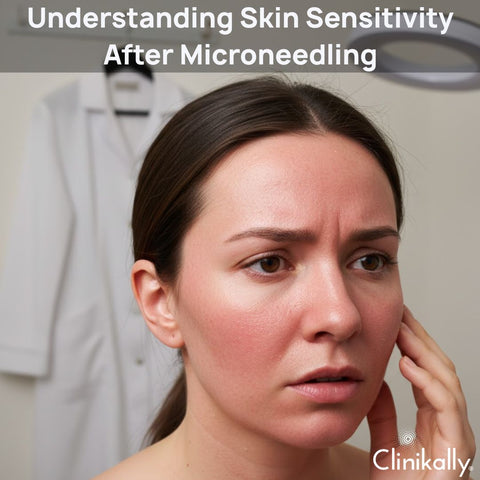
Skin irritation during microneedling is a frequent, transient adverse effect. Redness, swelling, and a tightness or sunburn-like sensation are all common and usually go away within a few days. This is because the technique involves making tiny punctures in the skin, which activates the body's natural healing process. While the initial redness and swelling should go rapidly, the skin's sensitivity may last for a few days as it recovers.
The Science of Microneedling and Its Impact on Skin
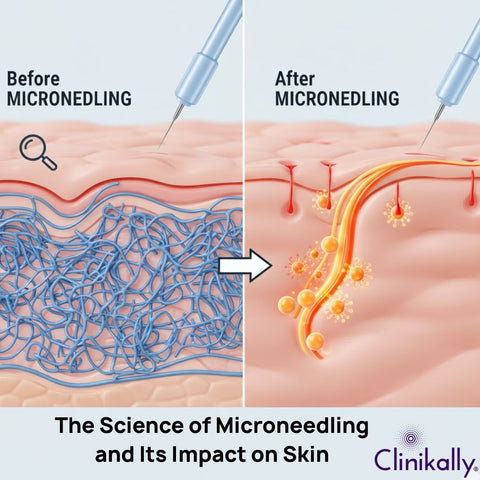
Microneedling, sometimes referred to as collagen induction therapy, is a minimally invasive cosmetic technique that employs fine needles to create regulated micro-injuries in the skin. This procedure stimulates the body's natural wound-healing response, resulting in enhanced collagen and elastin production, all of which are essential for skin firmness, smoothness, and a young appearance.
-
Micro-injuries: Tiny needles penetrate the skin's surface, causing a natural healing response.
-
Collagen and elastin production: The body heals these micro-injuries by making more collagen and elastin, proteins that give skin structure and elasticity.
-
Dermal remodeling: This process improves skin texture, tone, and appearance.
-
Reduces scars: Microneedling can successfully reduce the appearance of acne scars, surgical scars, and stretch marks by breaking down old tissue and encouraging new collagen synthesis.
-
Reduces wrinkles and fine lines: By increasing collagen formation, microneedling can plump the skin and reduce the appearance of fine lines and wrinkles.
-
Improves skin texture and tone: Microneedling can help with hyperpigmentation, uneven skin tone, and enlarged pores by stimulating the production of new, healthy skin cells.
-
Enhances product absorption: Microneedling creates micro-channels that can increase the absorption of topical skincare products by allowing active substances to penetrate deeper into the skin.
-
Treats age spots: Microneedling can help peel away the layer of skin with pigmentation disorders, leaving fresh, young skin beneath.
Why Skin Is Vulnerable Post-Treatment
Post-treatment skin is fragile since it's in an active repair mode, with:
-
A weakening barrier.
-
The ongoing inflammatory response
-
Increased permeability and water loss
During this time, your skincare should prioritize protection, hydration, and repair above aggressive actives. Fucoidan, ceramides, panthenol, and hyaluronic acid make ideal post-procedure allies.
The Role of Inflammation in Recovery
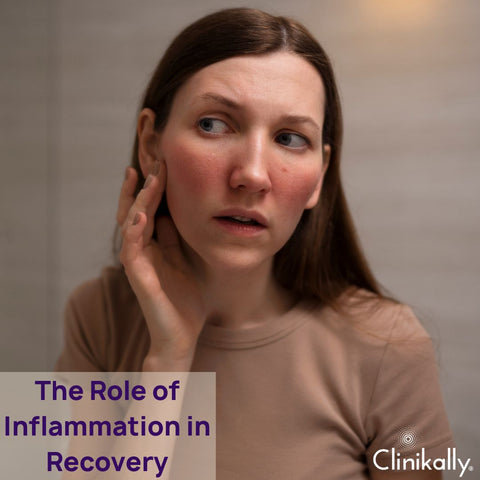
Inflammation is sometimes viewed as something to avoid in skincare; yet, regulated inflammation is necessary and good for post-treatment recovery. Whether you're recovering from microneedling, chemical peels, or laser resurfacing, identifying the appropriate type of inflammation allows you to support your skin without interfering with its natural repair process. Inflammation is the body's initial immunological response to injury or stress. It protects against infection, attracts repair cells, and initiates tissue regeneration during skin healing. However, there is a distinction between acute (helpful) and chronic (damaging) inflammation.
-
Clears away damaged cells and debris: Immune cells such as neutrophils and macrophages eliminate cellular waste and dead tissue. This cleansing is essential for healthy new skin creation.
-
Stimulates growth factors: Inflammation activates growth factors such as TGF-β, PDGF, and VEGF, which enhance collagen and elastin synthesis, angiogenesis (new blood vessel growth), and keratinocyte migration (to seal wounds).
-
Improves skin immunity: Temporary inflammation produces a protective environment that keeps germs and infections at bay while the skin is impaired.
Exercise Considerations After Microneedling
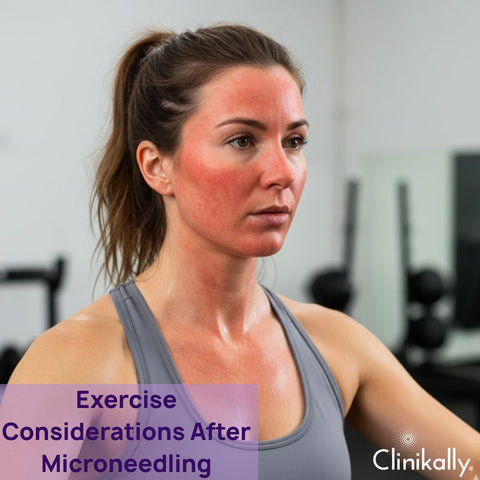
Following microneedling, it is generally recommended that you avoid intense exercise and activities that induce significant sweating for at least 24 to 72 hours. This is because activity can increase blood flow, which can cause inflammation, edema, and bruising, while sweat can irritate the treated skin and raise the risk of infection. Here's a thorough breakdown:
-
Increased blood flow: Exercise increases blood flow, which can exacerbate redness, edema, and sensitivity in treated regions.
-
Sweating and infection risk: Sweating can introduce germs into the open micro-injuries generated by microneedling, raising the possibility of infection and discomfort.
-
Delayed healing: Increased inflammation and the possibility of infection can impede the skin's natural healing process.
Is Sweating Harmful After Microneedling?

Yes, sweating might be detrimental following microneedling. It is advised to avoid intense activity and other sweat-inducing activities for at least 24-72 hours following the operation. Sweat can irritate the skin, reopen microscopic wounds caused during microneedling, and cause infection or inflammation. Here's why sweating is an issue following microneedling:
-
Increased infection risk: Sweat contains bacteria, and the open micro-wounds caused by microneedling allow bacteria to enter the skin, raising the risk of infection.
-
Irritation and inflammation: The salt and other elements in sweat can irritate newly treated skin, causing increased redness, swelling, and discomfort.
-
Reopening of wounds: Sweating can cause pores to reopen, potentially undoing some of the benefits of microneedling by interfering with the healing process.
How Heat and Movement Affect Healing
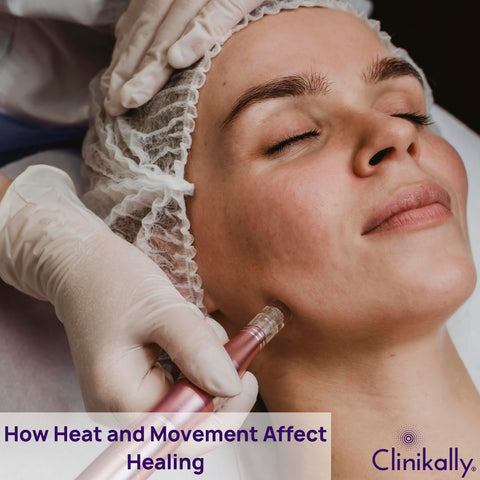
When your skin is in active recuperation, controlling external heat and facial movement is equally as vital as the products you use. If not treated effectively, both elements can cause healing to be delayed, inflammation to be prolonged, and even results to be compromised.
-
Heat: Heat—whether from hot showers, saunas, exercises, or sun exposure—increases inflammation and can disrupt your skin's natural repair cycle. Heat causes blood vessels to dilate, which increases swelling and redness. Increases inflammatory messengers (e.g., IL-6, TNF-α), slowing the clearance of inflammation. Heat promotes trans-epidermal water loss (TEWL), weakening the skin barrier even further. Heat (especially from the sun) can promote melanocyte activity, increasing the risk of post-inflammatory hyperpigmentation (PIH), particularly in darker skin tones.
-
Movement: Facial movement (talking, chewing, laughing, or making expressive motions) strains healing tissue. While this may appear to be a small issue, micro-injuries are in the delicate rebuilding period after microneedling or comparable therapies. Mechanical stress can expand microchannels or microtears, prolong epithelial closure, and impair new collagen matrix synthesis. High-tension locations (around the lips, eyes, or between the brows) are particularly sensitive to persistent redness, micro scarring or uneven healing, and surface texture concerns if continuously stretched during early restoration.
When Is It Safe to Resume Physical Activity?
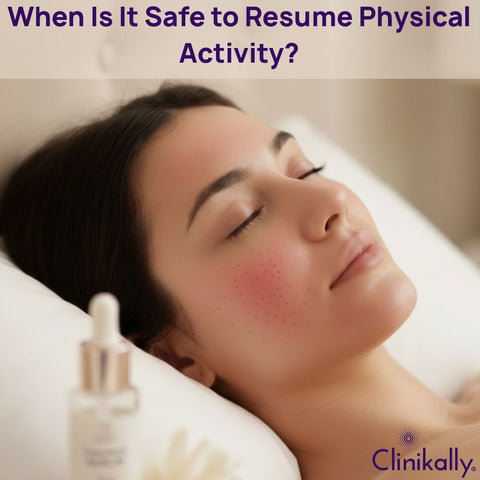
To protect your investment and promote healthy skin regeneration, wait 3-5 days following most resurfacing or microneedling procedures before engaging in strenuous physical activity. Allow your skin to rest, cool, and heal during this period; rushing back too soon can reverse improvements and cause undesired side effects.
Best Practices for Active Individuals Post-Treatment

If you exercise regularly, participate in sports, or live an active lifestyle, you need temporarily change your routine to allow your skin to recover without setbacks. After treatments that disrupt the skin barrier, such as sweat can irritate sensitive skin and clog healing microchannels, heat worsens inflammation and prolongs redness, friction and movement can stretch delicate tissue and delay collagen remodeling, and UV exposure significantly increases the risk of post-inflammatory hyperpigmentation.
-
Take a 3 to 5 day "sweat break": Avoid high-intensity workouts, saunas, and hot yoga. Gentle walks, modest mobility work, and stretching are usually safe after 24 hours (unless your practitioner advises otherwise).
-
Time your workouts strategically: Exercise before therapy, not after. Once cleared, exercise during cooler times of day (early morning or evening) to minimize perspiration and UV exposure.
-
Keep everything cold and clean: Avoid heated workouts and stuffy environments. After sweating, quickly cleanse your skin with a soft, non-stripping cleanser. Wear moisture-wicking, breathable fabrics to avoid rubbing or irritation.
-
Use protective skincare before and after activity: To soothe and preserve the skin barrier, apply a lightweight, non-occlusive moisturizer or fucoidan serum. If you want to exercise outside, wear a physical sunscreen (zinc oxide). After your workout, gently cleanse, rehydrate with hyaluronic acid or panthenol, and seal in moisture with a barrier cream or ceramide lotion.
-
Avoid them until your skin has completely recovered: Avoid the following until the skin has fully recovered: aggressive sweat wiping (can abrade or spread bacteria on healing skin), tight headbands/hats (traps heat and friction on the forehead), hot water or scrubbing (worsens TEWL and barrier disruption), and outdoor workouts without SPF.
Tips for Minimizing Irritation During Recovery
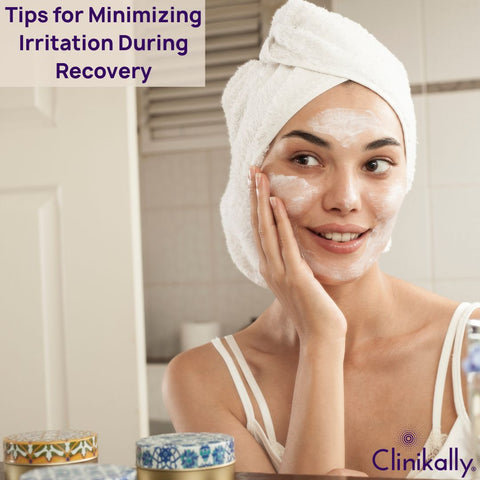
During the recovery phase after treatments like as microneedling, chemical peels, or laser resurfacing, your skin is extremely sensitive, and limiting irritation is critical to good healing and long-term outcomes. Tips to reduce discomfort during skin recovery:
-
Maintain a simple skincare routine: During healing, less is more. Stick to 3-4 relaxing, important steps: gentle cleanser (non-foaming, pH-balanced), soothing serum (e.g., fucoidan, hyaluronic acid, panthenol), barrier-repair moisturizer (ceramides, squalane), and broad-spectrum physical sunscreen (zinc oxide or titanium dioxide).
-
Avoid annoying components: Common post-treatment irritants to avoid for at least 5-7 days include fragrance (even natural essential oils), alcohol (particularly SD alcohol and denatured alcohol), retinoids (retinol, tretinoin), acids (AHA, BHA, PHA, vitamin C in low pH form), and physical exfoliants or scrubs.
-
Prioritize hydration: Dehydrated skin is tight, irritable, and more susceptible to microcracks. Use a moisturizing serum containing hyaluronic acid, glycerin, or fucoidan. If necessary, seal in moisture with an occlusive layer (for example, squalane balm or petrolatum in specific places).
-
Keep the skin cool: Heat exacerbates inflammation and discomfort. Avoid hot showers, saunas, and steam rooms. Take 3-5 days off from working exercise. To relieve post-treatment heat or swelling, apply a cool compress or jade roller (clean and chilled).
-
Sleep smarter: Sleep on your back with a clean pillowcase to reduce friction and compression. Avoid sleeping on treated regions (particularly after face or neck surgery). Use a silk pillowcase to minimize mechanical discomfort.
-
Hands off: Don't touch, rub, or pick at your face. Allow flaky or shedding skin to exfoliate naturally rather than actively peeling it. Avoid using makeup brushes, sponges, or washing devices until completely healed.
-
Daily SPF is non-negotiable: Daily SPF is essential since healing skin is extremely photosensitive and susceptible to sunburn, hyperpigmentation (particularly in deeper skin tones), and collagen breakdown. Use zinc oxide-based SPF 30+ even indoors, and reapply if outside.
-
Use active substances to relax and repair: Look for fucoidan (anti-inflammatory, barrier support, collagen-boosting), Centella Asiatica (wound healing, redness relief), Panthenol (deep hydration and tissue regeneration), ceramides (lipid replacement for barrier function), and colloidal oatmeal (anti-itch, calming, irritant protection).
-
Patch-test new items carefully: Even gentle products can cause reactions when the skin is damaged. Patch test behind the ears or around the jawline. Wait 24–48 hours before applying to the entire face.
-
Listen to your skin: If it feels hot or throbbing, lower the product load and apply cold compresses. To relieve stinging or itching, enhance moisture and avoid occlusive chemicals until the skin calms down. For tight or flaky skin, apply a barrier-repair cream and limit cleaning to once per day.
Safe Alternatives to Intense Workouts

When your skin is in a fragile post-procedure state, excessive physical activity (sweating, heat, friction) might cause inflammation, discomfort, or delayed healing. What is the good news? You can exercise your body safely with low-impact, skin-friendly options that stimulate circulation without posing dangers.
-
Gentle yoga: It improves flexibility, reduces tension, and promotes lymphatic drainage. If your face is sore, avoid doing inversions or deep inhaling via your nose. Best for days 1-3 after treatment.
-
Slow, careful walking: It keeps your body engaged without overheating. Improves circulation to accelerate healing and avoid fluid retention. 15-30 minutes of leisurely walking is great.
-
Seated stretching or mobility work: Seated stretching or mobility training is ideal for patients recovering from more intensive treatments since it maintains joints flexible without raising body temperature.
-
Breathwork or meditation with mild movement: Lowers cortisol (the stress hormone), promoting healing. Enhances the parasympathetic response for skin renewal. Combine diaphragmatic breathing and moderate shoulder or spine rolls.
-
Swimming: It is low-impact and cool, but should be avoided until the skin has completely closed. Once permitted, use only chlorine-free pools or fresh water.
-
Active Recovery Tools: Light foam rolling for legs and back (avoid the face and neck). Use massage guns with caution and never near treated areas. Balance boards or desk bikes provide for effortless circulation. Use tools only on areas that have not been treated.
Supporting Skin Repair with Proper Aftercare
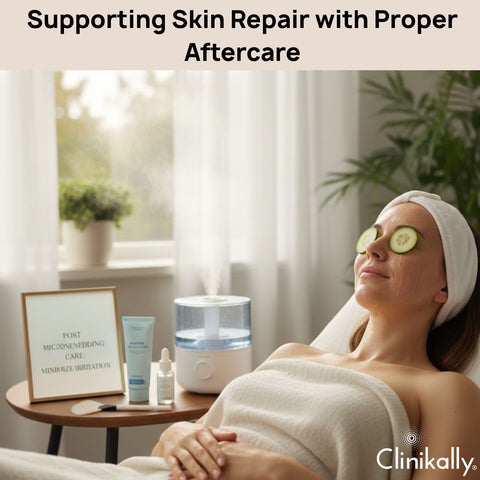
Post-treatment aftercare is essential for your skin's healing. Focus on reducing inflammation, replenishing hydration, mending the barrier, and protecting your skin from further damage. With the proper support, your skin may heal faster, stronger, and more radiantly than before.
Tailoring Your Skincare Journey: Personalized Recommendations for You
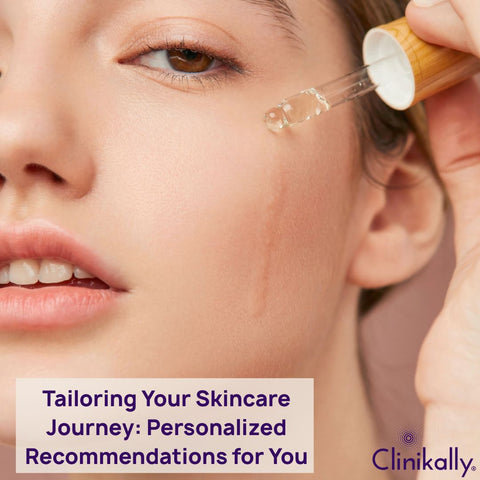
Your skincare routine should evolve in accordance with your skin's health, recovery stage, and goals. In the first few days, prioritize barrier-first care and gradually reintroduce actives as your skin stabilizes. Fucoidan, ceramides, and niacinamide are flexible ingredients that work on all skin types to soothe, restore, and improve your results.