Is Creatine Safe and Effective for Women?

When most people hear the word creatine, they picture bodybuilders and high-intensity male athletes. This often leads to a common question: Is creatine only for men, or can it help women too?
Despite lingering myths about bulking up or unnecessary water weight, the reality is that women often stand to gain the most from this supplement. Research shows that women naturally have 70–80% lower endogenous creatine stores than men, making supplementation a powerful tool for closing that gap.
Whether your goal is to build lean muscle, improve bone density during menopause, or combat the mental fatigue associated with hormonal shifts, creatine is a safe, evidence-based ally. In this guide, we dive into the science of how creatine works specifically for the female body and why it belongs in your daily wellness routine.
Role of Creatine in Women's Health

Creatine is a naturally occurring compound synthesized from three amino acids: arginine, glycine, and methionine. While your body naturally produces about 1 to 2 grams daily (primarily in the liver and kidneys), women often have lower natural stores compared to men.
Once in the body, it is stored in your muscles as phosphocreatine. During high intensity activities like lifting weights or sprinting, phosphocreatine is converted into Adenosine Triphosphate (ATP), which is the energy currency of your cells.
How It Works for the Female Body
-
Rapid Energy Regeneration: Creatine accelerates the recycling of ATP, allowing your muscles to maintain peak power during short and intense bursts of movement.
-
Cellular Hydration: Creatine draws water into the muscle cells (intracellularly). This is not bloating; it is essential hydration that improves muscle protein synthesis and gives muscles a toned and healthy appearance.
-
Strength and Hypertrophy: By providing more energy for that final rep, creatine creates the stimulus needed for muscle hypertrophy. This helps in building lean metabolic muscle without the bulk.
Different Types of Creatine for Women

Not all creatine is created equal. To get the best results, you need the form that matches your body's sensitivity and your budget.
|
Type |
Best For |
Key Takeaway |
|
Creatine Monohydrate |
Most Efficient |
The most researched, affordable, and effective form with a 99% absorption rate. |
|
Creatine HCL |
Sensitivity |
Highly soluble and a great choice if you experience digestive issues or minor bloating. |
|
Buffered Creatine |
Stomach Comfort |
pH buffered to be less acidic, making it very gentle on the stomach. |
|
Creatine Malate |
Endurance |
Linked to malic acid, which may help with stamina and long term energy production. |
Note on Ethyl Ester (CEE): Contrary to some marketing claims, research published in the Journal of the International Society of Sports Nutrition shows CEE is less effective than monohydrate because it degrades into waste (creatinine) before reaching your muscles.
Key Benefits of Creatine for Women

Beyond the gym, creatine acts as a multi-tool for female health, supporting everything from bone density to mental clarity.
1. Muscle Tone and Strength
Creatine allows women to build lean muscle mass, which is the most effective way to boost resting metabolism. Because women have significantly lower testosterone than men, creatine will help you look toned and athletic rather than bulky.
2. Bone Health and Osteoporosis Prevention
For women, bone density is a major concern, especially post menopause. Studies show that combining creatine with resistance training can stimulate osteoblasts, which are the cells that build bone. This helps to prevent osteoporosis and fractures.
3. Cognitive Function and Mental Focus
The brain is an energy hungry organ. Research indicates that creatine supplementation improves memory, concentration, and mental clarity. This is particularly helpful when you are fatigued, stressed, or experiencing brain fog due to hormonal fluctuations.
4. Hormonal and Metabolic Support
Creatine may improve insulin sensitivity, helping your body regulate blood sugar more effectively. Additionally, its ability to reduce muscle damage and inflammation means you can recover faster, making your fitness routine more sustainable.
5. Heart and Neuroprotective Health
Emerging research suggests creatine supports mitochondrial function, which is vital for heart health and protecting against neurodegenerative conditions. It also aids in maintaining a healthy electrolyte balance through better cellular hydration.
Safe Use of Creatine: Essential Guidelines for Women
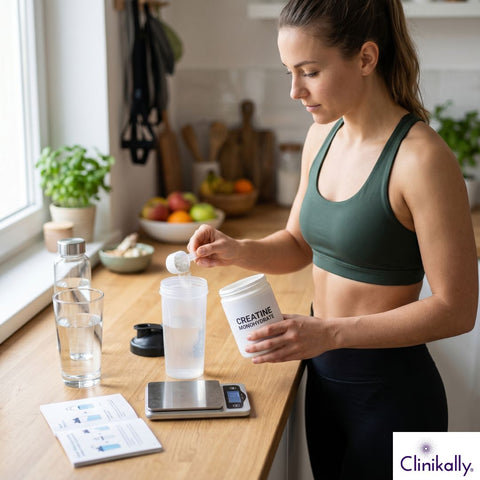
Creatine is one of the most rigorously tested supplements on the market. For women looking to enhance muscle strength, athletic performance, and overall wellness, it offers a high safety profile. By following a few simple guidelines, you can ensure the supplement fits seamlessly into your lifestyle.
Recommended Dosage
Consistency is the most important factor in seeing results.
-
Maintenance Dose: A daily intake of 3 to 5 grams is sufficient to keep your muscle stores saturated.
-
The Loading Phase (Optional): While some take 20 grams per day for the first week to see results faster, starting with a maintenance dose is often better for women. This prevents sudden water weight shifts and digestive upset.
Managing Potential Side Effects

Side effects are rare and generally mild. Understanding how your body reacts will help you stay consistent with your routine.
-
Water Retention: Initial weight gain is typically water moving into the muscle cells to support repair. This is not the same as gaining body fat.
-
Digestive Comfort: If you experience sensitivity, avoid taking creatine on an empty stomach. You can also try a micronized powder for better solubility.
-
Hydration: Creatine draws water into the muscles, so it is vital to increase your daily water intake. Aim for an extra 500ml to 1 liter of water per day.
Timing and Consistency: Maximizing Your Results

Research suggests that taking creatine consistently every day is far more important than the specific time you take it.
Strategic Daily Usage
-
Pre-Workout: Taking creatine 30 to 45 minutes before exercise ensures your muscles have a fresh supply of energy.
-
Post-Workout: Adding 3 to 5 grams to your post-workout shake can aid in recovery and muscle tissue repair.
-
Rest Days: Take your dose every day, even on rest days. Creatine works through accumulation, so consistency is key.
Expert Usage Tips
-
Mix Thoroughly: Ensure the powder is fully dissolved to help with absorption and prevent grittiness.
-
Combine with Nutrients: Taking creatine with protein or carbohydrates can help the body transport it into the muscles more efficiently.
-
Listen to Your Body: If you are new to supplements, start with a smaller dose and gradually work your way up to 5 grams as you adjust.
Conclusion: Getting the Best Results From Creatine

Creatine has evolved far beyond its reputation as a supplement just for bodybuilders. For women, it serves as a scientifically backed powerhouse that supports much more than just physical strength. By improving muscle quality, protecting bone density, and enhancing cognitive focus, creatine offers a comprehensive approach to wellness that adapts to the unique physiological needs of women at every stage of life.
Whether you are looking to shatter a personal record in the gym, manage the metabolic shifts of menopause, or simply maintain higher energy levels throughout a busy day, creatine is a safe, accessible, and highly effective tool. By maintaining a consistent daily routine and prioritizing hydration, you can unlock the full potential of this supplement to build a stronger, more resilient version of yourself.