Cryotherapy for Hair: How Cold Temperatures Boost Follicle Strength
Cryotherapy for hair is a novel approach gaining favor in hair care. This procedure promises to strengthen hair, heal damaged ends, and bring out its natural shine. What are the treatment's benefits, and are there any limitations or precautions? Let's look at the benefits of cryotherapy for hair and the potential negatives to help you decide whether it's the best choice for your hair care needs.
The Science Behind Cryotherapy: Boosting Follicle Strength
Cryotherapy for hair includes exposing the scalp to freezing temperatures, which may improve follicle strength and encourage hair growth. This is accomplished by first inducing vasoconstriction (narrowing of blood vessels), followed by vasodilation (widening of blood vessels), which stimulates blood circulation and delivers nutrients to the hair follicles. Furthermore, cryotherapy may reduce inflammation and promote hair follicle activity.
How Cold Works: The Mechanism of Cryotherapy on Hair
Cryotherapy's impact on hair health extends beyond surface advantages; it triggers biological responses that stimulate, protect, and strengthen hair follicles from within. By administering controlled cold to the scalp, cryotherapy causes a series of physiological changes that promote stronger, healthier hair. This is how the cold works.
-
Thermal shock response: Cold exposure creates a "thermal shock" that triggers the body's defensive mode. On the scalp, this causes vasoconstriction (blood vessels momentarily narrow to limit heat loss) and rebound vasodilation (after the cold is gone, blood vessels dilate quickly, flooding the area with oxygen- and nutrient-rich blood).
-
Follicle stimulation at the cellular level: Cold causes subtle changes in the scalp's cellular environment, such as the activation of dermal papilla cells, which regulate hair cycle phases; improved mitochondrial activity; increased energy (ATP) in hair matrix cells; and the potential stimulation of growth factors such as IGF-1 (insulin-like growth factor), which promotes follicle health and proliferation.
-
Anti-inflammatory action: Cold inhibits the activity of inflammatory enzymes and cytokines. This relieves scalp irritation and itching, reduces disorders such as folliculitis and seborrheic dermatitis, and fosters a better scalp environment for long-term hair development.
-
Sebum and microbiome balance: The cold regulates sebum (oil) production and maintains microbial balance, preventing clogged follicles caused by excess oil. It also inhibits the growth of hazardous scalp bacteria or fungi and promotes a clear, oxygen-rich follicular environment.
-
Cuticle sealing and shaft strength: Although cryotherapy is used to treat the scalp, the cooling impact also affects the hair strands, tightening the cuticle, reducing porosity, and making hair less prone to breakage, split ends, and frizz.
Enhancing Scalp Health: The Role of Temperature in Circulation
Temperature is important for scalp health, especially because it affects blood circulation. Because healthy hair growth is intimately related to vitamin and oxygen delivery via the bloodstream, understanding how heat variations affect circulation might lead to more effective techniques for stronger, fuller hair. The role of temperature in circulation is outlined below:
-
Scalp circulation matters: The scalp contains thousands of blood arteries that nourish over 100,000 hair follicles. To stay active and in the growth (anagen) phase, follicles require oxygen, amino acids (keratin building blocks), hormonal signals, and nutrients such as zinc, biotin, and iron. Poor circulation can deplete follicles of these critical nutrients, resulting in hair thinning, shedding, or stunted growth.
-
Heat vs. cold: Heat increases blood flow (vasodilation), such as expanding blood vessels and improving the quick supply of oxygen and nutrients. Heat is frequently used in scalp massages and steam treatments to "wake up" follicles. It relaxes and improves product absorption. Prolonged or extreme heat can result in irritation or oil overproduction. Cold promotes circulation by causing blood vessels to constrict and then dilate. Effects such as Vasoconstriction are the temporary restriction of blood vessels. This phase is followed by a rebound vasodilation, in which blood rushes back in at a larger volume. It causes a repair-focused reaction that stimulates follicles. It provides long-term vascular stimulation with anti-inflammatory properties. It should be used in regulated sessions to minimize overexposure.
-
Cryotherapy as a circulation enhancer: Cryotherapy uses cold exposure in brief bursts to improve circulation without harming tissue. The scalp reacts by improving microvascular flow, reducing edema or congestion in follicular units, and stimulating growth factors and keratinocyte activity. This makes cryotherapy particularly useful for patients experiencing hair thinning due to inadequate vascularization, scalp inflammation, and hormonal imbalances that influence follicle nourishment.
-
Synergistic use of temperature therapies: Begin with modest heat (e.g., a warm cloth or steam cap) to open pores and increase early flow, then follow with cold therapy to seal the cuticle, minimize inflammation, and improve circulatory rebound.
Cryotherapy vs. Traditional Treatments: A New Path to Resilience
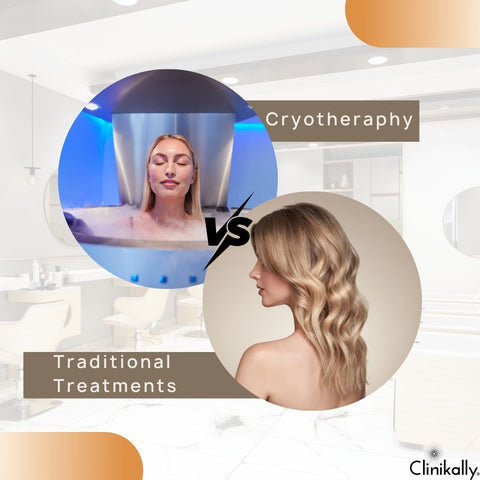
Cryotherapy, also known as whole-body cold therapy, may provide a speedier and more thorough approach to healing and resilience than traditional cold therapy, which concentrates on individual locations. Cryotherapy exposes the entire body to intense cold, resulting in systemic advantages such as decreased inflammation, faster muscular recovery, and increased mood. While traditional cold therapy is still useful for localized pain and swelling, cryotherapy's whole-body approach can provide additional benefits, particularly for athletes and anyone with widespread pain.
Cryotherapy:
-
Enhanced muscle recovery: Cryotherapy can help eliminate lactic acid from tissues, lowering muscle discomfort and speeding up recovery, which is very useful for athletes.
-
Reduced inflammation: Cryotherapy's systemic cooling effect can aid in lowering inflammation all over the body, which may be beneficial for long-term wounds or problems resulting from excessive use.
-
Better circulation: Cryotherapy has the ability to increase blood flow, which may improve the delivery of nutrients and oxygen to tissues and promote healing.
-
Mood and stress relief: Some studies suggest that cryotherapy can improve mood and reduce stress by influencing endorphin release.
-
Weight loss potential: Cryotherapy may increase metabolism and burn calories, but more research is needed in this area.
-
Improved Skin Health: Cryotherapy may reduce inflammation and improve skin conditions such as eczema and psoriasis, while also increasing collagen production.
-
Improved Joint Mobility: Cryotherapy can help with pain relief and muscle spasms, allowing for more effective joint mobilization and range of motion exercises.
Traditional cold therapy:
-
Localized pain and swelling relief: Traditional cold therapy, such as ice packs or cold compresses, is still beneficial for treating specific pain or swelling.
-
Numbing effect: Cold can numb nerve endings, lowering discomfort and allowing for easier movement or treatment.
-
Reduced inflammation: Similar to cryotherapy, classical cold therapy can help reduce inflammation in the target area.
Benefits of Frost Follicle Therapy for Hair Wellness
Frost Follicle Therapy is a specific type of scalp cryotherapy that combines precise cold exposure with nourishing treatments to improve hair health at the root. This novel treatment uses regulated temperature decreases to elicit biological reactions that rejuvenate the scalp, reinforce follicles, and improve overall hair quality. The major benefits that set Frost Follicle Therapy apart in the modern hair care scene.
-
Stimulates hair growth naturally: Frost Follicle Therapy stimulates natural hair growth by increasing blood flow via a process known as rebound vasodilation. Following the first cold-induced vessel constriction, circulation returns to the area, bringing important nutrients and oxygen to dormant or underperforming follicles, promoting new hair growth cycles, quicker cellular turnover, and revitalizing thinning areas.
-
Reduces scalp inflammation: Chronic scalp inflammation is a leading cause of hair thinning and loss. The cold utilized in Frost Follicle Therapy reduces inflammation and irritation, soothes sensitive, itchy, or flaky scalps, and improves conditions including seborrheic dermatitis and folliculitis.
-
Improves follicle strength and longevity: Frost Follicle Therapy directly targets follicular function by activating dermal papilla cells, increasing mitochondrial efficiency within hair-producing cells, and retaining hair strands in the anagen (growth) phase for longer.
-
Improves hair shaft quality: Cold exposure tightens each hair strand's cuticle, locking in moisture and nutrients while increasing resilience to breakage and environmental stress, leaving hair smoother, shinier, and less frizzy.
-
Increases topical product effectiveness: When used with serums or nutrient-rich masks, Frost Follicle Therapy prepares the scalp for deeper absorption, seals in active ingredients, and improves the efficacy of other hair development products.
-
Non-invasive and chemical-free: Unlike some hair growth treatments (e.g., minoxidil or corticosteroids), Frost Follicle Therapy requires no medication, has minimal side effects, and provides a natural and gentle method ideal for most hair and scalp types.
-
Stress-relieving and refreshing: Aside from the physiological benefits, many users describe a cooling, spa-like experience that reduces tension, encourages relaxation, and contributes to general scalp wellness and self-care routines.
Strengthening Follicles: Building Tougher, Healthier Strands
To grow stronger, healthier hair, begin with the follicle. From nutrition and scalp care to advanced therapies like cryotherapy, each layer of support helps to make strands stronger, shinier, and last longer. Consider your follicle to be a foundation; when it is strong, everything that develops on it prospers.
Reducing Scalp Stress: Soothing Inflammation with Cold
A tense, inflamed scalp can gradually damage hair health, causing irritation, loss, and stunted growth. Scalp inflammation, which can be induced by environmental factors, product buildup, autoimmune diseases, or tension, destroys the delicate ecosystem on which follicles depend. Cold treatment is one of the most natural and efficient ways to combat this.
Promoting Growth: How Cryotherapy Supports Thicker Hair
Thick, abundant hair is frequently the product of a healthy scalp environment and active follicles—two areas in which cryotherapy shines. By utilizing the force of cold to promote biological responses in the scalp, cryotherapy improves the circumstances required for hair to grow not just longer, but also denser and fuller. Here's how chilling therapy encourages stronger hair growth.
-
Reactivates dormant follicles: Hair thinning is frequently caused by follicles going into a lengthy resting (telogen) phase. Cryotherapy helps kickstart these sluggish follicles by enhancing oxygen and nutrient flow through rebound circulation, stimulating dermal papilla cell activity, which is essential for follicle regeneration, and facilitating the transition from telogen to anagen (growth) phase.
-
Reduces inflammation: Chronic scalp irritation can clog follicles and reduce their size. Cryotherapy inhibits cytokine activity that causes inflammation, calms irritated tissue, reduces oxidative stress, and prevents follicular shrinkage, which is a major contributor to fine or wispy strands.
-
Improves blood flow to follicles: Cold exposure causes vasoconstriction, followed by rebound vasodilation—an increase in blood flow that supplies more nutrients, hormones, and oxygen, as well as stimulates keratinocyte proliferation, which grows the hair shaft and supports longer retention in the growth phase.
-
Supports the scalp microbiota and oil balance: A healthy scalp biome is necessary for proper growth. Cryotherapy decreases sebum overproduction, which can clog follicles, eliminates pathogenic bacterial and fungal overgrowth, and promotes an oxygen-rich, balanced environment.
-
Improves hair shaft appearance: Though cryotherapy acts at the follicular level, its cooling action on strands also seals the cuticle, making hair appear thicker and shinier, minimizing frizz and breakage, maintaining strand integrity, and enhancing moisture retention, which adds volume and body.
-
Complements other growth treatments: Cryotherapy can enhance the benefits of topical growth agents (such as minoxidil or peptide serums) and nutritional assistance by increasing vitamin and mineral delivery, and microneedling and PRP by decreasing inflammation after treatment.
Incorporating Cryotherapy into Your Hair Care Routine
Cryotherapy is no longer just for athletes or skincare; it's quickly gaining popularity as a cutting-edge way to improve scalp health and hair development. When used with your usual hair care routine, it can help reduce inflammation, promote follicle activity, and strengthen hair from the roots up. Here's how to include the cooling benefits of cryotherapy into your daily routine, whether at home or in the salon.
-
Choose your cryotherapy method: Depending on your goals, budget, and preferences, there are several ways to use cryotherapy, including at-home methods like cold water rinses, cryo scalp rollers or ice globes, and cold gel caps or masks. Professional options include frost Follicle Therapy and cryo-laser combinations.
-
Incorporate cryotherapy into your routine: To maximize results, combine cryotherapy with other hair care measures. After washing (calms scalp, tightens pores, and seals cuticles), after serum/mask (increases absorption and locks in active ingredients), before styling (soothes scalp) and reduces heat styling irritation), and once a week (as a final step to stimulate growth and eliminate buildup).
-
Combine with other growth-stimulating practices: Cryotherapy works best when combined with other growth-stimulating practices like scalp massages (stimulate circulation before applying cold for a double-boost effect), growth serums or oils (apply before cold therapy to deepen penetration), and microneedling (soothe skin and reduce redness after cold).
-
Frequency guidelines: Mild methods (2-4 times per week), moderate cold therapy (1-2 times per week), and rigorous clinical appointments (every 2-4 weeks, depending on hair loss severity or scalp health).
-
Benefits over time: With constant use, you may notice less scalp redness or irritation, less hair shedding and breakage, a fuller, shinier hair appearance, more balanced scalp oil production, and apparent thickening in sparse regions after 8-12 weeks.
Application Methods: Using Cold Therapy Effectively
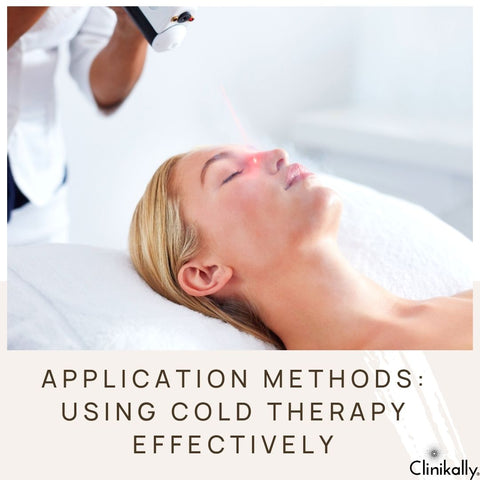
Cold therapy can transform your hair care regimen, but like with any treatment, careful application is essential for optimal results. Whether you want to encourage growth, alleviate irritation, or strengthen follicles, knowing how to utilize cold treatment correctly can maximize its advantages. Here's a guide to help you implement cold treatment into your daily routine in a way that maximizes its effectiveness.
-
Cold water rinses: Cold water is used as the final rinse after shampooing and conditioning. This procedure helps to seal the hair cuticle, making hair shinier, less frizzy, and more resistant to harm. It also calms the scalp and boosts circulation. After washing and conditioning your hair, use cold (not freezing) water for the final 30-60 seconds of the rinse. To promote circulation, gently massage your scalp. Allow cold water to trickle over your hair to seal the cuticles.
-
Cryo scalp rollers or ice globes: Cryo scalp rollers and ice globes are handheld devices that apply cold directly to the scalp. These methods help to increase circulation, reduce inflammation, and improve follicle health. Place the cryo roller or ice globes in the refrigerator. Gently roll them across your scalp for 5-10 minutes, concentrating on areas with thinning hair or discomfort. To avoid frostbite, move in circular motions and keep the device from making prolonged contact with the skin.
-
Cold gel caps or masks: Cold gel caps or masks are worn on the scalp to provide extended cold exposure. These are typically used for more targeted, intensive cryotherapy. Place the cold gel cap or mask in the refrigerator (or freezer) for at least 30 minutes before use. Apply the cap or mask to your scalp and leave it on for 15–20 minutes. Gently massage your scalp through the cap to increase circulation.
-
Cryo-laser or professional treatments: Cryo-laser therapy uses cold exposure and low-level laser light to increase follicle activity and minimize hair thinning. This is a more complex approach that is commonly found in specialized salons or clinics. Under professional supervision, a technician targets the scalp with a gadget that delivers both cold air and laser light. Each treatment session normally lasts 15 to 30 minutes.
-
Frost Follicle therapy: Frost Follicle Therapy (advanced cold therapy) is a specialist cryotherapy technique that stimulates the scalp and follicles directly with controlled cold air. This approach uses localized, precision cooling to improve circulation and follicle health. A specialist will cool your scalp with cold jets or specialized cryotherapy devices, focusing on regions with hair thinning or irritation. The process is short, usually taking 10-15 minutes every session and requiring minimal downtime.
-
Cold scalp massages: It combines the therapeutic benefits of both cold and massage therapy. Applying cooling to the scalp while gently rubbing improves circulation and relieves tension. Massage your scalp with a cold roller, ice pack, or chilly fingers for 5-10 minutes. Concentrate on regions that feel tight or irritated, using soft pressure and circular strokes.
Combining with Other Products: Maximizing Cryotherapy Benefits
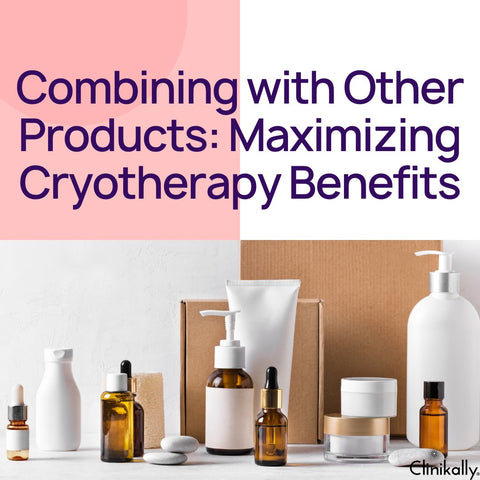
Cryotherapy is an effective tool in your hair care routine, but its effects can be enhanced when combined with the correct products. By boosting the effects of cryotherapy, you can boost hair growth, improve scalp health, and encourage thicker, shinier strands. Here's how to combine cryotherapy with other specialized hair care treatments for the best results.
-
Hair growth serums & oils: Hair growth serums and oils include active compounds such as minoxidil, biotin, peptides, and caffeine, which stimulate hair follicles and encourage hair growth. When used with cryotherapy, these products enter the scalp more deeply. Apply the hair growth serum or oil immediately to the scalp. Massage lightly to get even coverage. Use cold therapy (ice roller, cryo mask, or cold water rinse) to help nutrients stay in place and absorb more easily. Cold therapy promotes deeper penetration and calms the scalp, making it more sensitive to the substance.
-
Scalp masks and treatments: Scalp masks are commonly made with soothing, nourishing components such as aloe vera, charcoal, salicylic acid, or zinc to treat scalp disorders such as dandruff, seborrheic dermatitis, and dryness. Cold treatment boosts the cooling and soothing properties of these masks, allowing them to penetrate deeper and calm the skin. Apply the scalp mask or treatment to your scalp after shampooing. Cover your scalp with a cooling gel cap or use an ice roller to gently massage the mask into place. Allow 10-15 minutes before rinsing.
-
Anti-dandruff and anti-inflammatory treatments: If you suffer from dandruff or scalp inflammation, anti-inflammatory substances (such as niacinamide, zinc, and tea tree oil) can soothe and calm the scalp. Cold therapy works synergistically to constrict blood vessels and soothe inflamed skin, offering an ideal environment for these therapies to work. Wet your hair and then apply an anti-dandruff shampoo or treatment. Cryotherapy (cold water rinse or cryo scalp roller) can help soothe the scalp, reduce inflammation, and increase product absorption.
-
Moisturizing scalp treatments: A dry scalp can limit hair development and cause irritation. Moisturizing scalp treatments (such as hyaluronic acid, glycerin, or argan oil) can help restore hydration. When combined with cryotherapy, these treatments are more effectively sealed in, keeping the scalp hydrated without clogging pores. Use a hydrating scalp serum or treatment directly on your scalp. Use cold therapy (a cryo roller or a cold gel mask) to improve absorption and retain moisture.
-
Keratin and protein-based treatments: Keratin and protein-based treatments strengthen hair strands and restore their natural structure. Cold therapy can be applied following protein treatments to seal the cuticle, ensuring that the proteins remain locked in and do not wash out too rapidly. Use a keratin or protein treatment on moist hair, concentrating on the scalp and hair shaft. Following application, perform a cold rinse or cryotherapy session to establish the treatment and limit the danger of protein breakdown.
-
UV and heat protection sprays: Cryotherapy protects hair from heat damage by thickening the cuticle and sealing in moisture, making it more resistant to environmental stresses. Combining it with heat protection sprays provides an additional layer of protection against styling tools and sun exposure. Apply a UV and heat protection spray on damp hair before styling. After styling, apply cryotherapy to seal the cuticle and enhance shine.
Tailoring to Your Hair: Choosing the Right Cryotherapy Approach
Cryotherapy has several advantages for various scalp and hair issues. However, the best benefits come from tailoring your cryotherapy program to your unique hair type, condition, and goals. Whether you want to promote hair growth, thicker strands, or a healthier scalp, personalizing your approach can help the treatment work better. Select the appropriate cryotherapy method for your specific requirements, such as hair thinning or loss, oily scalp and dandruff, dry scalp and flaky skin, sensitivity or scalp irritation, fine or limp hair, and overall hair wellness and maintenance. You may get the most out of cryotherapy by personalizing it to your hair type and specific needs.
The Future of Hair Care: Personalized Frost Follicle Solutions
Personalized Frost Follicle Therapy is changing the way we care for our hair, making it smarter, more responsive, and highly personalized. By combining cryotherapy, biofeedback, and advanced skincare science, this futuristic treatment treats the underlying causes of common hair concerns rather than just the symptoms.