Gluten vs Gluten-Free Foods: A Complete Guide to Skin, Hair, and Wellness

Gluten is a protein found in some cereals, including wheat, rye, and barley. It helps food keep its shape by adding flexibility and moisture. It also allows the bread to rise and has a chewy consistency. Although gluten is healthy for the majority of people, those who have celiac disease should avoid it to avoid negative health consequences. Many foods include gluten-containing substances. As a result, if you cannot ingest gluten, you should carefully read ingredient labels or only buy gluten-free products. In this blog, we will look at gluten and gluten-free meals and their effects on skin, hair, and overall health.
Gluten Versus Gluten-Free: What Sets Them Apart Nutritionally
Gluten is a protein present in wheat, barley, and rye that provides elasticity to dough and structure to baked foods. It is harmless to most people and provides valuable nourishment; nevertheless, it can cause digestive and autoimmune problems in persons with celiac disease, wheat allergy, or gluten sensitivity.
Gluten containing grains, such as wheat and barley, are high in fiber, B vitamins (thiamine, niacin, folate), iron, and zinc, all of which promote metabolism, energy, skin, and hair health. Whole grains contain antioxidants such as ferulic acid, which protect against oxidative stress. However, when ingested in refined forms, such as white bread or pastries, they lose much of their nutritional value and frequently lead to high glycemic levels.
Gluten-free foods include grains that are naturally gluten-free, such as rice, quinoa, millet, amaranth, buckwheat, and corn. Many of these are extremely nutritious: quinoa and amaranth have complete proteins with all essential amino acids, whilst buckwheat and millet are abundant in minerals such as magnesium, manganese, and phosphorus. Brown rice and quinoa have a relatively low glycemic index. These foods are essential for gut health and nutrient absorption in people with gluten intolerance. Gluten-free processed alternatives, such as breads, cookies, and pastas, frequently lack fiber, iron, and B vitamins since they are not as heavily fortified as wheat-based items. They may also contain more starch, sugar, or fat, all of which can have a negative impact on metabolic health if consumed in excess.
In essence, gluten-containing whole grains are nutrient-dense and advantageous to those who can handle them, whereas gluten-free grains are life-saving for people with sensitivities but must be carefully picked to prevent nutritional gaps. A balanced approach that emphasizes whole, minimally processed grains—gluten or gluten-free—provides the greatest benefit to general health.
Comparing Nutrients of Gluten & Gluten-Free Food
Gluten is a protein present in grains such as wheat, barley, and rye that provides elasticity and structure to dough and baked foods. Gluten is a good part of most people's diets, supplying necessary nutrients; however, persons with celiac disease, wheat allergy, or gluten sensitivity must avoid it due to digestive and immunological responses.
-
Gluten-containing grains are naturally high in fiber, B vitamins, iron, zinc, and antioxidants. Whole wheat, barley, and rye all promote good digestion, energy metabolism, and immunological function. Thiamine, niacin, riboflavin, and folate are essential for healthy skin, hair, and cells. Minerals such as iron and zinc help to create red blood cells and promote hair development. Antioxidants like ferulic acid and lignans protect cells from oxidative damage. However, processed gluten goods, such as white bread or pastries, lose most of their nutritional content and frequently have a high glycemic index.
-
Gluten-free grains include naturally gluten-free foods such as quinoa, millet, buckwheat, amaranth, rice, and maize. Many of these are extremely nutritious: quinoa and amaranth are complete proteins with all required amino acids, whilst buckwheat and millet are strong in minerals including magnesium, manganese, phosphorus, and copper. Gluten-free grains also contain antioxidants, such as rutin. However, many processed gluten-free meals lack fiber, B vitamins, and minerals, and are heavy in carbohydrates, sugar, or fats, which can have a negative impact on metabolic health if consumed in excess.
Influence of Gluten-Free Food On Vitamin Intake
Gluten and vitamins:
Gluten-containing grains like wheat, barley, and rye are naturally high in B vitamins (thiamine, riboflavin, niacin, and folate) and are frequently fortified in processed meals. These vitamins are essential for:
-
Energy metabolism involves the conversion of carbohydrates, lipids, and proteins into energy.
-
Skin and hair health promotes cell regeneration, collagen synthesis, and healthy hair development.
-
Nervous system function ensures healthy nerve signaling and brain health.
Whole wheat and barley include plenty of minerals such as iron, zinc, and selenium, which help with red blood cell formation, immunological function, and antioxidant defense.
Gluten-free options and vitamin intake:
A gluten-free (GF) diet replaces wheat, rye, and barley with naturally gluten-free grains and processed GF substitutes. While whole GF grains like quinoa, millet, buckwheat, and amaranth include minerals and protein, they are frequently poorer in B vitamins than fortified wheat products. Potential nutrition gaps:
-
B Vitamins manufactured gluten-free breads, pastas, and cereals are not fortified, resulting in reduced folate, thiamine, niacin, and riboflavin intake.
-
Iron and zinc processed gluten-free food may be deficient in wheat germ and bran, which are good sources of these minerals.
-
Low folate consumption can impair energy metabolism and DNA synthesis.
-
Some gluten-free meals lack vitamin D and calcium, which can have an indirect impact on bone health.
Whole Grains Versus Processed Alternatives
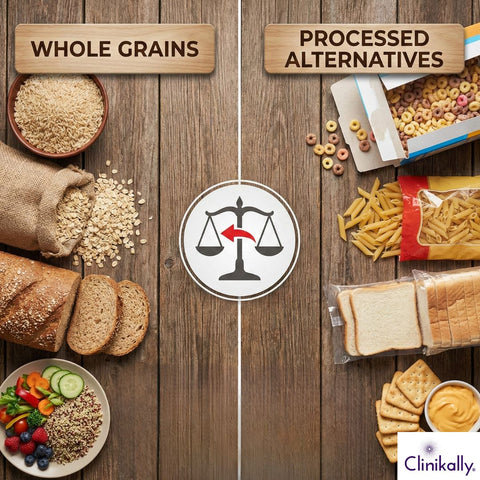
Whole grains:
Whole grains have all three portions of the grain: bran, germ, and endosperm, which preserve fiber, vitamins, minerals, and antioxidants. Examples include brown rice, oats, quinoa, barley, and whole wheat.
-
Fiber-rich foods improve good digestion, regulate blood sugar levels, and increase satiety.
-
Nutrient-dense foods include B vitamins (thiamine, niacin, folate), iron, magnesium, zinc, and antioxidants.
-
Heart health Regular ingestion is associated to a lower risk of cardiovascular disease.
-
Weight management high fiber and protein content helps regulate appetite.
-
Skin and Hair Support Zinc, iron, and B vitamins help to promote healthy hair development and skin regeneration.
Processed grain alternatives:
The bran and germ are often removed from processed grains, such as white bread, refined pasta, pastries, and many gluten-free packaged products, leaving largely starchy endosperm.
-
Reduced nutrients include less fiber, B vitamins, iron, and antioxidants.
-
A high glycemic index results in fast blood sugar spikes, which contribute to insulin resistance, weight gain, and energy crashes.
-
A lack of fiber can decrease gastrointestinal motility and jeopardize microbial health.
-
Indirect skin and hair effects: Nutrient shortages from processed grains can cause brittle hair, dull skin, and poor tissue healing.
How Gluten Impacts Skin, Hair, And Your Wellness
Gluten can have an impact on skin, hair, and overall health, primarily by causing inflammation in those with celiac disease or gluten sensitivity, which can manifest as skin conditions such as dermatitis herpetiformis, eczema, or acne, as well as hair issues such as thinning or loss caused by nutrient deficiencies or inflammation. A strict gluten-free diet is the suggested treatment for these gluten-related diseases in order to minimize inflammation, enhance nutrient absorption, and resolve skin and hair issues.
-
Gluten and skin health: Dermatitis herpetiformis, a blistering, itchy rash commonly associated with celiac disease, is one of the most direct effects of gluten on the skin. Beyond that, gluten can cause systemic inflammation in sensitive people, potentially worsening illnesses like eczema, psoriasis, or acne. Furthermore, poor absorption of key nutrients such as zinc, vitamin A, and vitamin E, which is frequent in gluten-related malabsorption, can cause dull, dry skin, sluggish wound healing, and increased sensitivity to environmental stresses.
-
Gluten and hair health: Gluten sensitivity can indirectly create hair problems owing to vitamin shortages. Iron and zinc deficits can cause hair thinning and loss, but a lack of B vitamins, particularly biotin, can result in brittle, weak hair. Individuals who are gluten sensitive are more likely to develop certain autoimmune hair problems, such as alopecia areata. Adopting a gluten-free diet can lead to increased hair thickness, less shedding, and healthier scalp conditions over time.
-
Gluten and general wellness: Gluten can have an impact on overall well-being, especially for people who are sensitive. Damage to the intestinal lining impairs nutrient absorption, which can result in weariness, poor energy, and anemia. Chronic inflammation can impair immune function and worsen other medical issues. Even modest sensitivities can produce digestive issues such as bloating, diarrhea, or stomach discomfort, which can have an impact on everyday well-being.
Role of Gluten in Inflammation And Skin Conditions

Gluten consumption has been related to inflammation, which can cause a variety of skin problems in genetically sensitive people, most notably dermatitis herpetiformis, the skin manifestation of celiac disease, and may alleviate symptoms of conditions such as psoriasis and some types of eczema. A gluten-free diet (GFD) can be an effective treatment for many disorders, but eliminating gluten will only assist if you have a diagnosed gluten-related problem, such as celiac disease or non-celiac gluten sensitivity.
-
Dermatitis herpetiformis: It is one of the most common cutaneous symptoms of gluten sensitivity. This illness manifests as an exceedingly itchy, blistering rash that typically appears on the elbows, knees, scalp, and buttocks. Gluten consumption directly causes these rashes in people with celiac disease. Following a strict gluten-free diet can typically result in significant improvement, including less itching and the prevention of new lesions.
-
Eczema and atopic dermatitis: Gluten-induced inflammation can exacerbate chronic skin disorders like eczema. Gluten causes redness, irritation, and dryness in sensitive people because their immune systems overreact to it. This inflammatory response may worsen flare-ups and make the skin more susceptible to irritation from environmental factors.
-
Acne and rosacea: New research reveals a relationship between gluten sensitivity and acne or rosacea, especially in patients with underlying gut inflammation. Gluten may exacerbate systemic inflammation, making the skin more reactive and raising the risk of breakouts, redness, and discomfort. While additional research is needed, some patients have reported improved skin after limiting gluten consumption.
-
Psoriasis: It is an autoimmune illness in which the immune system assaults skin cells, resulting in red, scaly areas. Gluten can cause inflammation in vulnerable people, exacerbating their symptoms. According to clinical data, patients with psoriasis may benefit from a gluten-free diet by improving skin clarity, reducing scaling, and having fewer flare ups.
-
Nutritional considerations: Gluten sensitivity can affect the absorption of minerals that are necessary for skin health, such as zinc, vitamins A, and E. Deficiencies in these nutrients can slow wound healing, diminish skin suppleness, increase dryness, and aggravate inflammation. Incorporating nutrient-dense gluten-free grains, fortified goods, and antioxidant-rich foods can assist to maintain skin integrity while controlling inflammation.
Impact of Gluten on Hair Loss, and Aging

Gluten can cause hair loss by harming the intestines and impeding nutritional absorption, a typical side effect of illnesses such as celiac disease, which causes an inflammatory reaction that results in hair thinning. Gluten can also have a deleterious impact on collagen formation, leading to dull skin and premature aging indications such as wrinkles. While gluten is not a direct cause, the underlying inflammation caused by gluten sensitivity can deprive hair follicles of crucial nutrients and oxygen, reducing hair quality and increasing shedding.
-
Hair loss and gluten: Gluten-related malabsorption can lower amounts of important nutrients required for hair follicle activity. Iron deficiencies can weaken hair strands, causing thinning and frequent shedding. Zinc deficiency slows hair growth and makes it brittle, but a shortage of B vitamins, particularly biotin, can cause dull, weak hair. Furthermore, people who are gluten sensitive are more likely to have autoimmune hair problems like alopecia areata. For individuals affected, adopting to a gluten-free diet often improves nutrient absorption, lowers hair losing, and strengthens hair over time.
-
Aging and collagen production: Gluten-induced chronic inflammation in sensitive individuals can accelerate collagen breakdown, lowering skin suppleness and encouraging the formation of fine lines and wrinkles. Collagen, the protein that gives skin its firmness and durability, is synthesized using important minerals including vitamin C, zinc, and copper. Gluten malabsorption may reduce nutritional intake, increase oxidative stress, and impede collagen formation. This can lead to dull, weakened skin that is more prone to sagging, dryness, and early indications of aging.
-
Supporting hair and skin health: To offset these consequences, sensitive persons must maintain a nutrient-rich, gluten-free diet. Gluten-free whole grains like quinoa, millet, and amaranth provide fiber, minerals, and antioxidants. Consuming zinc-rich foods like pumpkin seeds and legumes, as well as iron-rich meals like spinach, lentils, and lean meats, promotes hair development. Nutrients that promote collagen formation, such as vitamin C from citrus fruits and bell peppers, copper from nuts and seeds, and an appropriate protein consumption, help to preserve skin elasticity and firmness. Reducing processed gluten-containing meals can help reduce inflammation and oxidative stress, benefiting both hair and skin.
Absorption of Gluten & Its Influence on Gut Health
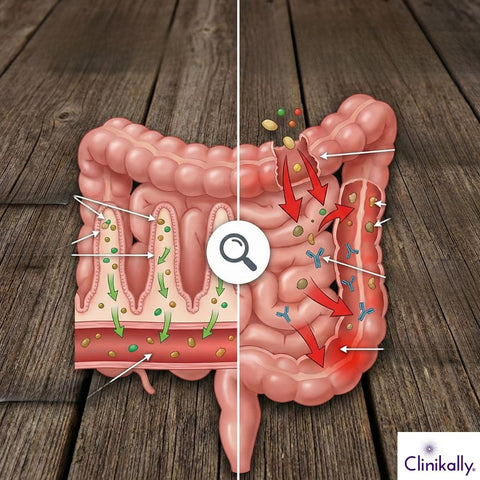
The gut is essential for overall health since it is where nutrients are absorbed, the immune system is regulated, and digestion occurs. A healthy gut lining permits vital vitamins, minerals, and macronutrients to enter the circulation properly. However, disturbances in gut integrity, such as celiac disease or non-celiac gluten sensitivity, can impair nutritional absorption and provoke systemic immune responses.
-
Gluten’s role in gut health: It have a significant impact on gastrointestinal health in sensitive individuals. Gluten causes an immunological reaction in celiac disease, which damages the intestinal lining, notably the villi—tiny finger-like projections that aid food absorption. This damage impairs the gut's capacity to absorb important nutrients like iron, zinc, calcium, magnesium, B vitamins, and fat-soluble vitamins (A, D, E, and K). Over time, these deficiencies can cause weariness, anemia, brittle hair, poor skin health, and decreased immunity. It can cause gut inflammation and permeability, making the gut lining more sensitive to toxins and antigens, even in those who do not have Celiac disease. This may not result in obvious villi destruction, but it can still limit nutritional efficiency and produce systemic inflammation.
-
Autoimmune reactions: When the gut lining is damaged, the immune system may overreact to otherwise harmless substances. Celiac disease is classified as an autoimmune disorder because gluten causes the body to attack its own gut tissue. Chronic inflammation caused by this immune reaction can spread beyond the gut, impacting the skin, joints, hair, and general metabolic health. For example, nutrient malabsorption causes hair thinning, skin disorders such as dermatitis herpetiformis, and exhaustion and poor energy owing to vitamin and mineral deficiencies.
Benefits of Gluten-Free Foods
Gluten-free eating is important for some people, especially those with celiac disease, non-celiac gluten sensitivity (NCGS), wheat allergy, and certain autoimmune diseases. Gluten causes an immunological response in celiac disease patients, damaging the villi of the small intestine and reducing food absorption. This can cause iron, B vitamin, zinc, and other nutrient shortages, leading in fatigue, digestive troubles, hair thinning, and skin problems. To avoid long-term issues and restore gut health, these people must adhere strictly to a gluten-free diet.
Non-celiac gluten sensitivity may not cause intestinal damage, but it is common to acquire symptoms such as bloating, stomach pain, brain fog, headaches, and fatigue. Gluten elimination decreases intestinal irritation and systemic inflammation, increasing overall comfort and energy levels. Similarly, those with wheat allergies benefit from gluten-free eating since it avoids allergic reactions such as skin rashes and lung problems. Some autoimmune disorders, such as Hashimoto's thyroiditis, rheumatoid arthritis, and psoriasis, may also benefit from gluten restriction since it reduces inflammatory triggers in susceptible individuals.
The changes noticed on a gluten-free diet are due to increased nutritional absorption and decreased inflammation. As the stomach lining recovers, important nutrients are more easily absorbed, promoting energy metabolism, skin health, and hair growth. Collagen production may increase, resulting in more durable skin, and nutrient-rich circulation strengthens hair and reduces excessive shedding. In addition, systemic inflammation lowers, reducing autoimmune flare-ups and improving general health. People who are not gluten sensitive may not benefit from these benefits because gluten from whole grains contains fiber, B vitamins, and minerals that help with digestion, energy, and overall health.
Diagnosing Celiac Disease & Gluten Sensitivity
Gluten-related illnesses include celiac disease, non-celiac gluten sensitivity (NCGS), and wheat allergy, all of which have distinct underlying causes but frequently share symptoms such as digestive discomfort, exhaustion, bloating, skin rashes, and neurological difficulties. Accurate diagnosis is critical for effective therapy.
-
Celiac disease: It is an autoimmune disorder in which gluten damages the villi of the small intestine, decreasing food absorption. The diagnosis begins with a medical history and symptom assessment, followed by serological tests for tTG-IgA, EMA, or DGP antibodies. Genetic testing for HLA-DQ2 and HLA-DQ8 can reveal vulnerability, and a tiny intestinal sample shows villi atrophy, resulting in a final diagnosis.
-
Non-celiac gluten sensitivity: This is a diagnosis of exclusion. Patients tested negative for celiac antibodies and had a normal biopsy. Symptoms improve with a gluten-free diet but return when gluten is reintroduced.
It is important that patients do not begin a gluten-free diet before testing because this can result in false negatives. Accurate diagnosis avoids unnecessary dietary limitations and ensures adequate nutrient intake. The collaboration of gastroenterologists, dietitians, and primary care providers enables successful management.
Understanding Gluten Role in Dermatitis Herpetiformis

Dermatitis herpetiformis (DH) is a persistent, extremely itchy skin disorder caused by gluten sensitivity that is most commonly found in people with celiac disease. It appears as small, clustered blisters and red pimples, usually on the elbows, knees, scalp, and buttocks. Unlike other rashes, DH is caused by immune system overactivity in reaction to gluten consumption.
Immune connection:
-
Gluten in celiac disease causes an autoimmune response that not only damages the small intestine but also results in the development of IgA antibodies.
-
These antibodies accumulate in the skin, particularly in the dermal papillae, resulting in irritation, itching, and blistering.
-
This immune-mediated skin reaction is a systemic response to gluten, indicating a relationship between gut health, immunity, and skin symptoms.
Symptoms and diagnosis:
-
Symptoms include itching, burning blisters or bumps on the elbows, knees, buttocks, and scalp, which are generally symmetrical.
-
Diagnosis verified by skin biopsy and direct immunofluorescence, which revealed IgA deposits in the dermal papilla. Blood tests for celiac-related antibodies may help confirm the diagnosis.
Balancing Diet For Lifelong Health
A well-balanced diet contains the proper ratio of macronutrients (carbohydrates, proteins, and fats) and micronutrients (vitamins and minerals) to promote energy, immunity, cognitive function, and overall health. It promotes good weight management, lowers the risk of chronic diseases, and improves skin, hair, and intestinal health. Key suggestions for lifelong dietary balance are:
-
Prioritize whole foods: It include foods such as fruits, vegetables, whole grains, legumes, nuts, and seeds. Whole foods are nutrition dense, containing fiber, antioxidants, and phytonutrients that aid digestion, immunity, and skin health.
-
Balance the macronutrients: Carbohydrates like whole grains such as quinoa, oats, and brown rice. Protein sources include lean meats, seafood, eggs, lentils, and plant-based foods. Fats concentrate on healthy fats such as olive oil, avocado, nuts, and seeds.
-
Include variety: Eating a diverse selection of foods ensures that you acquire all of the necessary vitamins and minerals. Rotate fruits, vegetables, and proteins to fill nutritional shortages.
-
Stay hydrated: Water promotes digestion, circulation, skin elasticity, and toxin elimination. Include herbal teas, coconut water, and watery fruits and vegetables.
-
Limit processed and sugary foods: Reduce processed carbohydrates, added sugars, and trans fats. Excessive processed foods can cause inflammation, weight gain, and skin concerns.
-
Mindful Eating: Pay attention to hunger and fullness cues. Eating attentively decreases overeating while improving digestion and nutrient absorption.
-
Personalize your diet: By taking into account any dietary restrictions, allergies, or intolerances you may have. A tailored approach provides appropriate nutrient intake while reducing inflammation.
Taking Decisions For Whole Body Wellbeing
Gluten affects individuals differently. While most people can eat gluten-containing foods without problem, those who have celiac disease, non-celiac gluten sensitivity (NCGS), wheat allergy, or certain autoimmune diseases may experience digestive pain, nutritional malabsorption, or overall inflammation. Personalizing gluten intake guarantees that your diet promotes digestive health, nutrient absorption, skin vibrancy, and hair strength while avoiding unnecessary limits. Steps for personalizing gluten decisions are:
-
Assess your symptoms: Keep track of gastrointestinal problems, fatigue, mental fog, skin rashes, and hair thinning. Symptom patterns can indicate gluten sensitivity or intolerance.
-
Get adequate testing: For suspected celiac disease, get blood testing (tTG-IgA, EMA) and, if necessary, an intestinal biopsy. Allergy tests can help to rule out wheat allergy. NCGS is diagnosed when symptoms improve on a gluten-free diet and return after gluten reintroduction.
-
Evaluate the nutritional impact: If not carefully planned, avoiding gluten can lead to a decrease in B vitamin, fiber and iron intake. Include gluten-free whole grains like quinoa, millet, buckwheat, and amaranth to keep nutrients balanced.
-
Monitor your overall health: Monitor energy levels, digestion, skin clarity, hair quality, and immunological function following dietary modifications. Instead of imposing blanket restrictions, tailor your gluten intake to your tolerance, lifestyle, and wellness goals.
-
Integrate anti-inflammatory foods: To combat inflammation caused by gluten sensitivity, increase your intake of fruits, vegetables, legumes, nuts, seeds, and healthy fats.