Harnessing the Power of Copper: Top 20 Foods for Optimal Health
Copper is an essential trace mineral that plays a critical role in numerous bodily functions, including energy production, connective tissue maintenance, iron metabolism, and antioxidant defence. Incorporating copper-rich foods into your diet is vital for maintaining optimal health and preventing deficiencies. Here are the top 20 foods that are excellent sources of copper in your diet, ensuring you receive the health benefits of copper-the vital nutrient.
-
Oysters: High in copper and other essential minerals.
-
Liver: Particularly beef liver, rich in copper and vitamin A.
-
Crab: A tasty source of copper and protein.
-
Cashews: A nutty snack loaded with copper.
-
Sunflower Seeds: Great for a copper boost and healthy fats.
-
Sesame Seeds: High in copper and beneficial minerals.
-
Dark Chocolate: Not only delicious but also a good source of copper.
-
Lobster: Offers a substantial amount of copper.
-
Squid: Contains copper along with other vital nutrients.
-
Mushrooms: Especially shiitake, which are rich in copper.
-
Kale: A dark leafy green with significant copper content.
-
Quinoa: A whole grain that provides copper and protein.
-
Almonds: A nutritious snack with a good copper content.
-
Spinach: Packed with copper and other essential vitamins.
-
Chickpeas: A versatile legume high in copper.
-
Avocados: Provide copper along with healthy fats.
-
Tofu: A plant-based source of copper and protein.
-
Asparagus: Contains copper and is a great addition to any meal.
-
Sweet Potatoes: Rich in copper and other essential nutrients.
-
Prunes: Dried fruit that offers a good amount of copper.
Incorporating these foods into your diet can help ensure you meet your daily copper needs, supporting overall health and well-being.
Essential Copper Sources: Where to Find Them in Your Diet
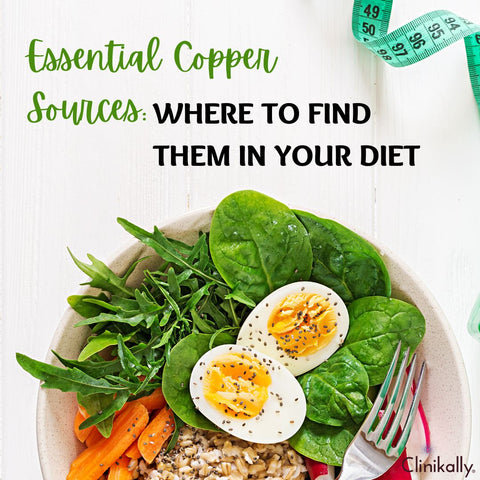
Copper is an essential trace mineral vital for numerous bodily functions, including the production of red blood cells, maintenance of nerve cells, and immune system support. Incorporating copper-rich foods into your diet is essential for maintaining optimal health. Some of the best dietary sources of copper include shellfish like oysters and crab, organ meats such as liver, and nuts and seeds like sunflower seeds, almonds, and cashews. Whole grains, dark chocolate, legumes, and leafy greens also provide significant amounts of copper. To maximize copper absorption, combine these foods with vitamin C-rich fruits and vegetables, such as citrus fruits, bell peppers, and berries, as well as protein sources and healthy fats. Balancing these elements in your diet can help ensure adequate copper intake and support overall well-being. Keep on reading to know in detail:
-
Copper-Rich Foods: Incorporate natural foods high in copper, such as:
-
Shellfish (oysters, crab, lobster)
-
Nuts and seeds (sunflower seeds, almonds, cashews)
-
Organ meats (liver)
-
Dark chocolate
-
Whole grains (quinoa, barley)
-
Legumes (lentils, beans)
-
Leafy greens (spinach, kale)
-
Vitamin C-Rich Foods: Vitamin C enhances the absorption of copper. Combine copper-rich foods with foods high in vitamin C, such as:
-
Citrus fruits (oranges, lemons, grapefruits)
-
Berries (strawberries, blueberries, raspberries)
-
Bell peppers
-
Tomatoes
-
Broccoli
-
Brussels sprouts
-
Protein-Rich Foods: Protein can help improve copper absorption. Include lean meats, fish, eggs, dairy products, and plant-based proteins like beans and tofu in your diet.
-
Avoid Excessive Zinc: High levels of zinc can interfere with copper absorption. While zinc is essential, balance your intake to avoid potential competition for absorption. Foods high in zinc include red meat, poultry, and fortified cereals.
-
Iron-Rich Foods: Copper and iron often work together in the body. Eating foods rich in iron can support copper utilization. Include lean red meat, poultry, fish, lentils, and fortified cereals.
-
Healthy Fats: Dietary fats can aid in the absorption of copper. Combine copper-rich foods with healthy fats such as avocado, olive oil, nuts, and seeds.
Seafood and Shellfish: Ocean's Copper Bounty
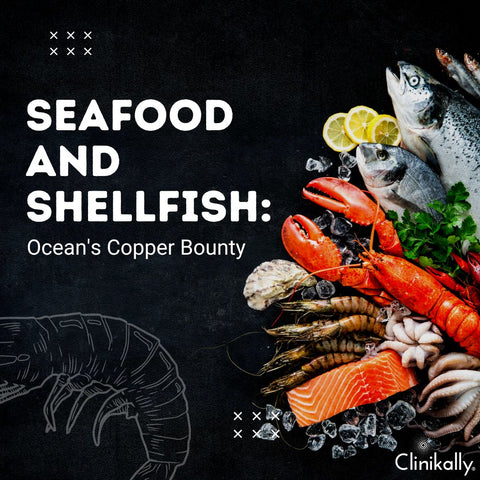
Seafood and shellfish are the ocean's treasure troves of copper, an essential mineral vital for maintaining overall health. Copper supports energy production, iron metabolism, and the health of connective tissues and the nervous system. Incorporating a variety of seafood and shellfish, such as oysters, crab, lobster, and shrimp, into your diet ensures a rich supply of this nutrient along with omega-3 fatty acids, proteins, and other vital minerals. Enjoy the diverse flavors of the sea while reaping the nutritional benefits of its copper bounty.
Nuts and Seeds: Crunchy Copper Reserves
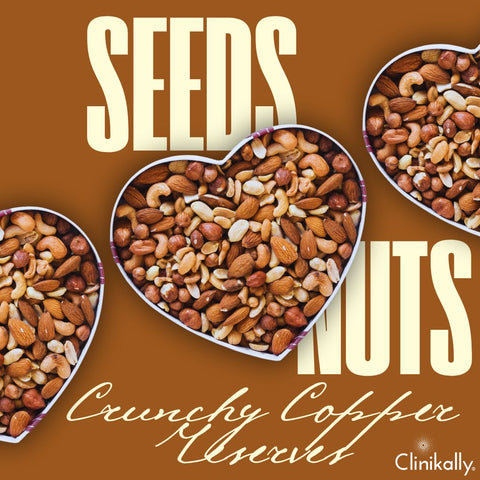
Nuts and seeds are not just crunchy snacks; they are rich reservoirs of copper, an essential mineral for overall health. Copper plays a crucial role in energy production, iron metabolism, and the maintenance of healthy connective tissues and the nervous system. Including a variety of nuts and seeds, such as almonds, walnuts, chia seeds, and sunflower seeds, in your diet can help meet your daily copper requirements while also providing beneficial fats, fiber, and other vital nutrients. Enjoy these tasty powerhouses to boost your health naturally.
Fruits and Vegetables: Nature’s Copper Trove
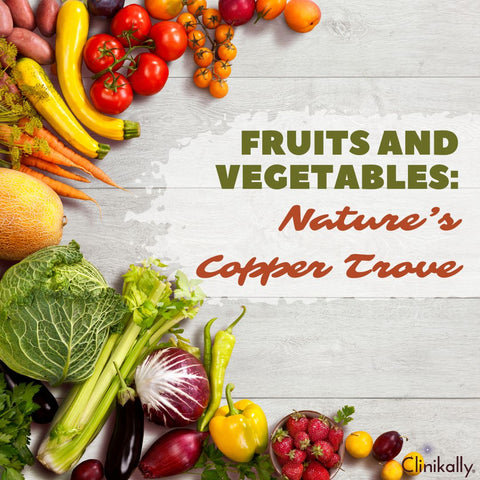
Fruits and vegetables are nature’s abundant trove of copper, an essential mineral that supports numerous bodily functions. Copper is crucial for energy production, iron metabolism, and the maintenance of healthy connective tissues and the nervous system. Integrating a variety of copper-rich produce like spinach, kale, potatoes, mushrooms, and avocados into your diet can help you meet your daily copper needs. These nutritious powerhouses not only provide copper but also offer a wealth of vitamins, minerals, and antioxidants, promoting overall health and well-being. Enjoy the colorful bounty of fruits and vegetables for a natural copper boost.
Copper’s Role in Wellness: Unveiling Its Health Benefits
Copper is a vital trace mineral that plays a crucial role in overall wellness by supporting various bodily functions. It is essential for energy production, helping convert nutrients into usable energy (ATP) through enzymes in the mitochondrial electron transport chain. Copper also aids in the formation and maintenance of connective tissues, contributing to the synthesis of collagen and elastin, which ensure the integrity and elasticity of skin, blood vessels, bones, and joints. Additionally, copper is important for iron metabolism, facilitating the absorption, transport, and utilization of iron, crucial for forming haemoglobin and red blood cells. Its antioxidant properties, as a component of superoxide dismutase, help neutralize free radicals and protect cells from oxidative stress. Incorporating copper-rich foods such as shellfish, nuts, seeds, whole grains, and dark leafy greens into your diet can help ensure adequate intake of this essential mineral, promoting overall health and wellness.
Boosting Immunity: Copper’s Protective Edge
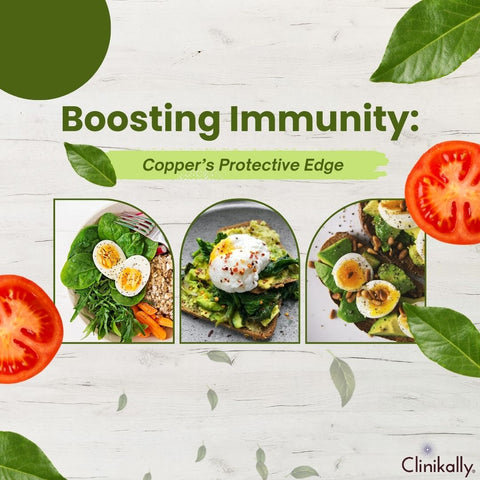
Copper plays a pivotal role in boosting immunity, offering a protective edge for overall health. This essential trace mineral is a key component of several enzymes and proteins that contribute to immune function, aiding in the production and activation of immune cells. Copper helps maintain the integrity of connective tissues, which acts as a barrier against infections. It also possesses antioxidant properties, neutralizing free radicals and reducing oxidative stress, which can weaken the immune system.
-
Immune Cell Production: Copper aids in the production and activation of immune cells.
-
Connective Tissue Integrity: It helps maintain the integrity of connective tissues, acting as a barrier against infections.
-
Antioxidant Properties: Copper neutralizes free radicals and reduces oxidative stress, which can weaken the immune system.
-
Blood Cell Formation: Copper is involved in the formation of red and white blood cells, enhancing oxygen transport and pathogen defence.
-
Protein Regulation: It helps produce and regulate important proteins like interleukins and cytokines, crucial for immune response.
Incorporating copper-rich foods into your diet, such as nuts, seeds, seafood, whole grains, and dark leafy greens, can help ensure adequate intake of this vital nutrient. By maintaining optimal copper levels, you support your immune system’s ability to protect against infections and diseases, fostering resilience and overall health. Embrace copper’s protective edge to strengthen your immunity naturally and effectively.
Energizing Your Body: How Copper Fuels Vitality

Copper is a critical mineral that plays a vital role in energizing your body and fueling vitality. As an essential trace element, copper is involved in numerous physiological processes that contribute to overall energy levels and well-being. Incorporating copper-rich foods into your diet can help maintain adequate copper levels and promote vitality. Foods such as shellfish, nuts, seeds, whole grains, and dark leafy greens are excellent sources of this essential mineral.
-
ATP Production: Copper is a key component of cytochrome c oxidase, crucial for ATP production in mitochondria.
-
Iron Metabolism: Copper facilitates the absorption and utilization of iron, ensuring efficient oxygen transport and energy use.
-
Neurotransmitter Synthesis: Copper supports the synthesis of neurotransmitters, enhancing brain function and energy regulation.
-
Connective Tissue Health: Copper contributes to the maintenance of healthy blood vessels, bones, and joints, supporting physical activity and energy levels.
-
Dietary Sources: Shellfish, nuts, seeds, whole grains, and dark leafy greens are excellent sources of copper.
By maintaining optimal copper levels through a balanced diet, you can enhance your body's energy production, support mental clarity, and sustain overall vitality. Embrace the power of copper to fuel your energy and promote a vibrant, active life.
Supporting Heart and Bone Health: Copper's Crucial Contributions
Copper is an essential mineral that plays a crucial role in supporting heart and bone health, making significant contributions to overall well-being. As a vital trace element, copper is involved in various physiological processes that ensure the proper functioning of the cardiovascular and skeletal systems.
-
Collagen Production: Copper is essential for collagen synthesis, maintaining the strength and elasticity of blood vessels and bones.
-
Cardiovascular Protection: Copper’s antioxidant properties protect the heart by neutralizing free radicals and preventing oxidative damage.
-
Bone Matrix Formation: Copper supports the formation and maintenance of the bone matrix, enhancing bone strength and flexibility.
-
Calcium Utilization: Copper aids in the absorption and utilization of calcium, critical for maintaining bone density and preventing osteoporosis.
-
Dietary Sources: Shellfish, nuts, seeds, whole grains, and dark leafy greens are excellent sources of copper.
By ensuring optimal copper levels through a balanced diet, you can support your cardiovascular and skeletal systems, promoting overall health and preventing related disorders. Embrace copper’s crucial contributions to maintain a healthy heart and strong bones.
Balancing Your Copper Intake: Strategies for a Healthy Diet
Balancing your copper intake is crucial for maintaining overall health, as both deficiency and excess can lead to health issues. Copper is vital for energy production, connective tissue maintenance, iron metabolism, and antioxidant defence. To ensure a healthy intake, incorporate a variety of copper-rich foods like shellfish, nuts, seeds, whole grains, and dark leafy greens into your diet. Balance copper with zinc, as these minerals compete for absorption, and monitor supplement use to avoid excessive intake. Pay attention to signs of deficiency, such as fatigue and anaemia, and seek medical advice if needed. By doing so, you can harness the full benefits of copper while minimizing potential risks.
Identifying Signs of Copper Deficiency: What to Watch For

Copper deficiency can lead to various signs and symptoms due to its essential role in several bodily functions, including the production of red blood cells, maintenance of nerve cells, and the immune system. Here are some common signs and symptoms:
-
Anaemia: Copper deficiency can impair iron metabolism, leading to anaemia, which causes fatigue, weakness, and pale skin.
-
Bone Abnormalities: Copper is crucial for bone health, and its deficiency can lead to osteoporosis or brittle bones.
-
Neurological Symptoms: These may include numbness, tingling in the extremities, unsteady gait, and muscle weakness due to impaired nerve function.
-
Immune System Impairment: Increased susceptibility to infections and a weakened immune response can occur due to reduced white blood cell production.
-
Cardiovascular Issues: Copper deficiency can lead to heart and blood vessel problems, including high cholesterol levels and heart disease.
-
Skin and Hair Issues: Symptoms can include depigmentation of the skin and hair, as well as thinning hair.
-
Fatigue and Weakness: General fatigue and muscle weakness are common due to the body's reduced ability to produce ATP, the primary energy carrier.
-
Vision Problems: Copper deficiency can affect the optic nerve, leading to vision issues.
-
Difficulty Walking: Neurological symptoms can cause problems with coordination and balance.
-
Cold Sensitivity: Copper plays a role in maintaining normal body temperature, and deficiency can cause increased sensitivity to cold.
If you suspect copper deficiency, it's important to consult a healthcare professional for proper diagnosis and treatment.
Daily Copper Needs: Finding Your Ideal Intake
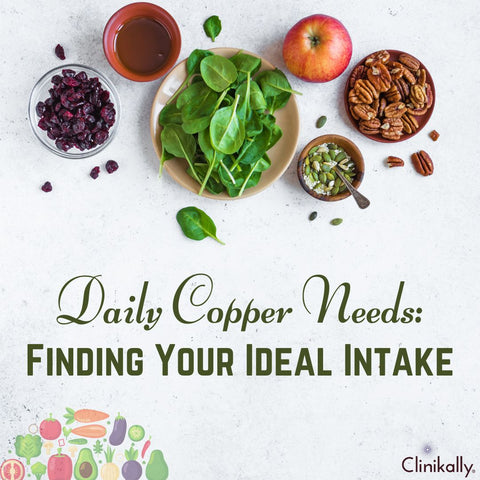
Copper is an essential trace mineral that plays a vital role in numerous bodily functions, including energy production, connective tissue maintenance, iron metabolism, and antioxidant defence. However, maintaining a balanced copper intake is crucial, as both deficiency and excess can lead to health issues. Here are some strategies for ensuring a healthy copper intake through your diet.
-
Eat a Variety of Foods: Incorporate a diverse range of copper-rich foods such as shellfish, nuts, seeds, whole grains, and dark leafy greens into your meals to meet your daily copper needs.
-
Balance with Zinc: Maintain a proper balance between copper and zinc intake, as these minerals can compete for absorption. Foods rich in zinc include meat, dairy products, and legumes.
-
Monitor Supplement Use: Be cautious with supplements containing copper. Only take them if recommended by a healthcare professional to avoid excessive intake.
-
Cook with Copper: Using copper cookware can increase the copper content of your food, but be mindful of not overdoing it.
-
Check for Deficiencies: Pay attention to signs of copper deficiency, such as fatigue, weakened immune function, and anaemia, and seek medical advice if you suspect an imbalance.
Maintaining a balanced copper intake is essential for overall health and well-being. By incorporating a variety of copper-rich foods into your diet and being mindful of your intake, you can ensure that you receive the benefits of this essential mineral while avoiding potential health risks associated with imbalance.
Combining Foods for Maximum Copper Absorption
Maximizing copper uptake through dietary combinations involves choosing foods rich in copper and combining them with other nutrients that enhance copper absorption while avoiding those that inhibit it. Here are some tips:
-
Foods Rich in Copper
-
Shellfish: Oysters, crabs, and lobster.
-
Seeds and Nuts: Sunflower seeds, cashews, almonds, and hazelnuts.
-
Organ Meats: Liver and kidney.
-
Dark Chocolate: High in copper and other antioxidants.
-
Legumes: Lentils, chickpeas, and beans.
-
Whole Grains: Quinoa, barley, and whole wheat products.
-
Leafy Greens: Spinach and kale.
-
Dried Fruits: Raisins and apricots.
-
Foods Enhancing Copper Absorption
-
Vitamin C: Found in citrus fruits, strawberries, bell peppers, and broccoli. Combining these with copper-rich foods can help increase absorption.
-
Amino Acids: Found in meat, fish, and dairy products, amino acids can enhance copper uptake.
-
Fermented Foods: Yogurt, kefir, and sauerkraut may help improve overall mineral absorption due to their probiotic content.
-
Foods Inhibiting Copper Absorption
-
High Zinc Intake: Excessive zinc can interfere with copper absorption. Avoid combining high-zinc foods (like certain meats and seeds) with high-copper foods in the same meal.
-
Phytates: Found in high-fibre foods like whole grains and legumes, phytates can bind to copper and inhibit absorption. Soaking and cooking these foods can reduce their phytate content.
-
Iron Supplements: Taking iron supplements separately from copper-rich meals can help avoid absorption competition.
-
Sample Meal Combinations
-
Breakfast: Greek yogurt with sunflower seeds and a side of citrus fruit.
-
Lunch: Spinach and kale salad with chickpeas, topped with nuts and a citrus vinaigrette.
-
Dinner: Grilled liver served with quinoa and steamed broccoli.
-
Snack: Dark chocolate with a handful of dried apricots.
-
Cooking and Preparation Tips
-
Soak and Cook Legumes and Grains: This reduces phytates and enhances mineral availability.
-
Combine with Vitamin C-Rich Foods: Adding fruits like oranges, strawberries, or bell peppers to meals can boost copper absorption.
-
Moderate Zinc Intake: Be mindful of zinc-rich foods and try to balance their intake with copper.
By strategically combining these foods and considering the enhancers and inhibitors of copper absorption, you can optimize your dietary copper intake.
Crafting a Copper-Filled Menu: Tips for Incorporating These Foods into Your Routine

Crafting a copper-filled menu is a delicious and nutritious way to support your overall health. By incorporating a variety of copper-rich foods into your diet and being mindful of maintaining a balance with other essential minerals, you can enjoy the numerous benefits copper offers while avoiding potential health risks. Embrace these tips to seamlessly integrate copper into your daily routine and promote a healthier lifestyle. By doing so, you’ll ensure your body receives the vital nutrients it needs to function optimally, from energy production and connective tissue maintenance to iron metabolism and antioxidant defence. With careful attention to your copper intake, you can enhance your well-being and enjoy a healthful, balanced diet with copper.