Hydrogen Water Benefits: Understanding the Science Behind Its Health Impact
Hydrogen water, sometimes called a next-gen health drink, is simply water that has molecular hydrogen (H₂) infused into it—a potent, specific antioxidant. Unlike ordinary water, hydrogen water provides therapeutic doses of hydrogen gas that can penetrate deep into cells, tissues, and even the brain. Scientific research indicates that it can possibly combat oxidative stress, aid in cellular repair, lower inflammation, and enhance energy and hydration levels. As people become increasingly interested in natural solutions to health problems, hydrogen water is also being investigated for possible applications in conditions like aging, metabolism, recovery from exercise, and even the health of skin. As more research continues, so too does our understanding of how such a simple drink might affect complicated biological systems.
What Is Hydrogen Water and How Does It Work?
Hydrogen water is plain water (H₂O) that has been infused with molecular hydrogen gas (H₂), a potent antioxidant renowned for its purported health benefits. In contrast to the hydrogen that is already bonded with oxygen in water molecules, the molecular hydrogen added to hydrogen water is unbound and bioavailable—i.e., easily absorbed and usable by the body. This hydrogen dissolved in the water is believed to neutralize toxic free radicals, lower oxidative stress, and maintain cellular wellness. Consequently, hydrogen water gained popularity among people who practice well-being for being able to promote energy enhancement, hydration, as well as anti-aging processes.
The mechanisms behind hydrogen water's action revolve around how molecular hydrogen easily penetrates into cell membranes to access areas the other antioxidants fail to reach. Upon entry into the cells, it might selectively neutralize and decrease the most toxic free radicals, e.g., hydroxyl radicals, without disturbing critical cellular functions. Research has indicated that hydrogenated water can decrease inflammation, improve athletic performance, and optimize metabolic health. Though further research is necessary to fully endorse these advantages, hydrogen water has become more prevalent as a functional drink in dermatological wellness, sports recovery, and anti-inflammatory wellness regimens.
The Chemistry of Hydrogen Water: Key Components
Hydrogen water, known for its potential antioxidant and anti-inflammatory benefits, is created by infusing molecular hydrogen gas (H₂) into pure drinking water. Though it appears simple, its chemistry involves intricate mechanisms like redox balance, gas solubility, and precise production techniques that preserve the effectiveness of dissolved hydrogen. Here's a breakdown of its key chemical components and interactions:
-
Molecular hydrogen (H₂) is the active ingredient, dissolved in water under pressure.
-
H₂ acts as a selective antioxidant, targeting harmful hydroxyl radicals (•OH) without affecting beneficial reactive species.
-
Electrolysis is the most common method of infusing hydrogen, splitting water molecules into H₂ and O₂.
-
Other production methods include magnesium-water reactions and high-pressure infusion systems.
-
The pH of hydrogen water typically remains neutral, unless altered for taste or formulation reasons.
-
ORP (Oxidation-Reduction Potential) values are often negative, indicating strong antioxidant capacity (typically between -200 to -600 mV).
-
The dissolved hydrogen concentration (DH) is measured in ppm (parts per million); therapeutic benefits start around 0.5 ppm.
-
Water purity is essential—minerals or contaminants can affect hydrogen solubility and reactivity.
-
Hydrogen is a volatile gas and escapes easily; packaging in aluminum pouches or pressurized cans helps retain H₂.
-
Hydrogen tablets and cartridges are sometimes used for on-the-go preparation and higher H₂ concentration delivery.
In conclusion, hydrogen water's benefits lie in its ability to deliver bioavailable molecular hydrogen, but its effectiveness depends heavily on the chemical stability and delivery method. A sound understanding of these components ensures both product integrity and health impact.
How Hydrogen Molecules Act in the Body
Hydrogen water functions at the cellular level by introducing molecular hydrogen (H₂) into the system, where it demonstrates therapeutic effects through antioxidant and anti-inflammatory activities. After ingestion, the dissolved gas of hydrogen is rapidly diffused into the blood, tissues, and even the blood-brain barrier to facilitate its interaction with different biological systems in an effective manner.
-
Molecular hydrogen specifically targets and inactivates the most toxic free radicals, like hydroxyl radicals (•OH), without interfering with helpful reactive oxygen species essential for cell signaling.
-
H₂ alleviates oxidative stress, which is responsible for aging and other chronic diseases like cardiovascular disease, neurodegeneration, and diabetes.
-
It assists in regulating gene expression through the modulation of pathways like Nrf2, which regulates the body's innate antioxidant defense system.
-
Hydrogen molecules have anti-inflammatory actions by suppressing pro-inflammatory cytokines such as TNF-α and IL-6.
-
It can be protective to mitochondria, the energy-producing organelles of cells, by preserving their integrity during stress.
-
H₂ is found to penetrate into the cell and reach subcellular structures, such as the nucleus and mitochondria, to deliver profound cellular protection.
-
It maintains cellular homeostasis by preserving redox balance and inhibiting lipid peroxidation.
-
In neurological well-being, hydrogen molecules are able to shield neurons and enhance cognitive performance in models of neurodegenerative disease.
-
H₂ supports athletic recovery by reducing muscle fatigue and inflammation after exercise.
-
It's breathed out through the lungs or eliminated through urine and does not build up in the body, making it safe to use even at high doses.
Essentially, hydrogen molecules are intelligent antioxidants and cellular modulators that exert therapeutic effects exactly where they are needed while maintaining overall biochemical balance without toxicity or interference.
Methods of Infusing Hydrogen into Water
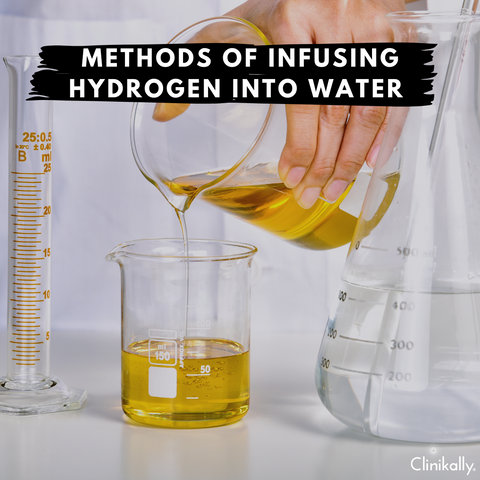
Injecting molecular hydrogen (H₂) into water is done through methods that facilitate the dissolution of the gas and its stability for intake. The methods differ in their complexity, expense, and efficacy but share a goal of providing bioavailable hydrogen for health benefits. Below is an overview of the most popular ways this is achieved:
-
Electrolysis using water ionizers: Most common, where electrical energy dissociates water into hydrogen and oxygen, with dissolved H₂ left behind in the water.
-
Magnesium reaction method: In this technique, metallic magnesium reacts with water to form molecular hydrogen and magnesium hydroxide (e.g., from hydrogen-generating tablets or sticks).
-
High-pressure hydrogen infusion: Molecular hydrogen gas is injected into water under high pressure for enhanced solubility and retention.
-
Hydrogen-rich water generators: These are devices that either utilize electrolysis or magnesium-based cartridges to generate H₂-enriched water on demand.
-
Hydrogen gas bubbling: Hydrogen gas is bubbled through purified water in a controlled system, although proper sealing is needed to hold the gas.
-
Ready-to-drink hydrogen water pouches or cans: Ready-to-consume hydrogen water is filled with pressure infusion and then sealed in aluminium or multilayer packets to avoid hydrogen leakage.
-
Electrochemical hydrogen cartridges: Handheld units that employ replaceable cartridges to produce H₂ when activated in water—perfect for travelers or athletes.
Each approach has advantages and disadvantages in terms of hydrogen concentration, simplicity of use, and long-term stability. But the primary objective in all is to provide a therapeutic concentration of dissolved hydrogen while avoiding rapid gas escape.
Exploring the Health Benefits of Hydrogen Water
Hydrogen water has become a popular wellness beverage due to the potential of its antioxidant and anti-inflammatory effects. By infusing the body with molecular hydrogen, this improved water is thought to be able to neutralize free radicals, which are unstable molecules associated with aging, chronic inflammation, and a host of diseases. Daily intake of hydrogen-rich water could benefit cellular health, enhance skin texture, and diminish fatigue signs—making it highly sought after by individuals looking for natural anti-aging and wellness. It's also advocated for its capacity to encourage hydration at the deeper level of cells, which is why it's a favorite among athletes and health aficionados.
A second significant advantage of hydrogen water has to do with its ability to enhance metabolism and recovery. Early studies have indicated that it can assist in minimizing lactic acid accumulation during heavy exercise, resulting in quicker muscle recovery and enhanced sports performance. Some consumers also experience improved mental focus and decreased brain fog after consistent consumption. With its increasing popularity in both medical and cosmetic health communities, hydrogen water continues to be researched for its potential to enhance immunity, maintain cardiovascular health, and enhance overall wellness.
Antioxidant Effects: Reducing Oxidative Stress

Hydrogen water's greatest fame stems from its antioxidant activity, most specifically its capacity to decrease oxidative stress—a dominant role in aging and most chronic conditions. Unlike regular antioxidants that might interfere with redox balance, molecular hydrogen has a more specific and balanced approach, eliminating only the most deleterious free radicals without disrupting beneficial ones.
-
Molecular hydrogen (H₂) attacks harmful reactive oxygen species (ROS) such as hydroxyl radicals (•OH), which are very toxic and cannot be quenched by traditional antioxidants.
-
H₂ will not react with beneficial ROS such as nitric oxide (NO) or hydrogen peroxide (H₂O₂), which are needed for normal cell signaling.
-
By quenching excessive oxidative molecules, hydrogen keeps redox homeostasis—keeping oxidation in balance with antioxidant action within cells.
-
Reduced oxidative stress can shield DNA, proteins, and lipids from damage, leading to anti-aging and disease prevention.
-
It stabilizes mitochondrial function, which is usually compromised by oxidative damage, resulting in enhanced energy production and cell survival.
-
H₂ boosts the body's own antioxidant systems by activating pathways such as Nrf2, which regulates the expression of protective enzymes such as glutathione and catalase.
-
In clinical situations, lowered oxidative stress from hydrogen therapy has exhibited potential in the treatment of such conditions as metabolic syndrome, neurodegenerative disorders, and cardiovascular disease.
-
It is capable of decreasing inflammation associated with oxidative damage by reducing stress-induced pro-inflammatory cytokines.
-
The antioxidant effect of hydrogen is quick but temporary, precluding long-term interference with normal oxidative signaling.
-
Daily use of hydrogen-rich water could help provide cellular protection against normal daily oxidative stressors like pollution, UV radiation, or severe exercise.
In short, hydrogen is a smart antioxidant—selective, non-disruptive, and extremely effective at neutralizing deleterious oxidative stress without the disadvantages of common antioxidant overload.
Boosting Skin Health: A Natural Glow from Within

Hydrogen water isn't only good for internal health—it's also gaining attention for its ability to improve skin health and create a natural, radiant glow from the inside out. Due to its antioxidant and anti-inflammatory effects, molecular hydrogen protects skin cells from environmental stress while maintaining overall skin vitality and balance.
-
Hydrogen neutralizes free radicals that cause premature aging, fine lines, and dullness in the skin.
-
It minimizes oxidative stress induced by UV exposure, pollution, and blue light—usual perpetrators of pigmentation and skin inflammation.
-
H₂ controls sebum secretion, which is why it's suitable for oily and acne skin types.
-
Anti-inflammatory properties of hydrogen can soothe irritated or sensitive skin, lessening redness and flare-ups.
-
Hydrogen can help maintain collagen integrity by inhibiting oxidative degradation of skin structure proteins.
-
Better function of mitochondria in skin cells results in superior cellular repair, hydration, and radiance.
-
Hydrogen water consumption might increase skin barrier function, holding moisture in place and defending the skin against outside aggressors.
-
It aids cellular detoxification, which might combat puffiness and irregular tone.
-
Daily consumption may enhance blood supply and oxygen to skin tissue, providing a younger, fuller complexion.
-
Others indicate further benefits from topical hydrogen-rich water for soothing skin and enhanced elasticity.
Generally speaking, hydrogen water acts from within to fuel, shield, and revitalize the skin—a sensitive yet forceful addition to every skincare program that promotes durable sheen and elasticity.
Hydrogen Water and Improved Hydration Levels
Hydrogen water improves overall well-being through its antioxidant effects as well as in its supportive capacity of enhancing cellular levels of hydration. In contrast to regular water, hydrogen-infused water could bring additional efficacy to fluid intake and cellular healing, particularly among exercising or dehydrated people.
-
Water's molecular hydrogen is incredibly light and fast-diffusing through cell membranes, encouraging enhanced cellular hydration more quickly.
-
It can increase aquaporin function—proteins that control water movement in and out of cells—maximizing intracellular hydration.
-
Hydrogen water maintains electrolyte balance, allowing the body to hold onto hydration better during exercise or heat stress.
-
It can alleviate oxidative stress caused by dehydration, keeping cells more stable and functional.
-
Athletes experience increased endurance and less fatigue, perhaps because of improved hydration and antioxidant protection.
-
Increased hydration can enhance skin moisture, elasticity, and texture from the inside out.
-
Some research indicates that hydrogen water assists in keeping plasma osmolality, contributing to more balanced water retention.
-
It can reduce organ inflammation in the kidneys, helping regulate fluid and detoxify.
-
Ingestion of hydrogen-rich water can prevent muscle cramps and accelerate recovery after exercise.
-
Since hydrogen is non-poisonous and naturally excreted, it is safe even with repeated use for hydration assistance.
As a whole, hydrogen water provides a two-way advantage—hydrating the body effectively while also shielding cells from oxidative stress—so it is particularly useful for active living, skin well-being, and long-term health.
Is Hydrogen Water Right for You?
Hydrogen water has become increasingly popular over the past few years due to its purported health benefits, from enhanced hydration to antioxidant protection. With molecular hydrogen (H₂) infused into it, this water is said to assist in fighting oxidative stress, boost energy levels, and improve overall health. It may sound like another fad, but increasing scientific interest indicates that hydrogen water may have a supporting role to play in many areas of health. But is it the best option for all? Knowing how it works and who might be helped by it is the key to making an informed choice.
Understanding Its Role in Modern Wellness

Hydrogen water has become a potential contender in the world of contemporary wellness due to its singular capacity to integrate hydration, antioxidant defense, and cellular equilibrium into a single easy beverage. As people become increasingly aware of holistic health, biohacking, and longevity, hydrogen water integrates perfectly into prevention, recovery, and peak performance routines.
-
It is marketed to wellness consumers in search of natural methods of diminishing oxidative stress and inflammation without the use of drugs.
-
Sports personalities and fitness circles utilize it for accelerated recovery, increased energy levels, and alleviation of post-exercise fatigue.
-
Longevity seekers and biohackers appreciate its mitochondrial protective role, repair of cells, and mental acuity.
-
Hydrogen water is being consumed orally and applied topically in skincare and dermatology for anti-aging and anti-inflammatory properties.
-
It promotes immunity through redox balance and avoidance of chronic inflammation stimuli.
-
Its non-toxic, clean ingredient profile allows it to be safe for long-term use, which is not typical for most synthetic supplements.
-
Hydrogen water is being added to detox regimes to help wash away toxins and diminish oxidative stress on the liver.
-
It augments mindfulness and wellness rituals by promoting hydration and self-care behaviors.
-
As people become more informed, more companies are launching hydrogen-infused items in convenient, lifestyle-friendly delivery forms.
-
It's being researched as a therapeutic adjunct to chronic illness such as metabolic syndrome, arthritis, and neurodegeneration.
In wellness culture today—which is all about prevention, customization, and achievement—hydrogen water is one of the only versatile, scientifically supported tools out there that contributes to inner wellbeing and outer radiance in an effective yet delicate manner.
Evaluating Potential Risks and Myths

While hydrogen water is lauded for its health advantages, it's also vital to be balanced in assessing the risks and prevailing myths about using it. Even if existing evidence attests to its antioxidant and anti-inflammatory characteristics, overstatements and insufficient regulation in certain products may result in misinformation or abuse.
-
Myth: Hydrogen water heals diseases.
Although it can be beneficial to health, hydrogen water is not a treatment for long-term diseases such as cancer or diabetes. It must be considered an adjunct wellness tool, not a substitute for medical care.
-
Myth: More hydrogen means more benefits.
Too much hydrogen does not ensure greater outcomes. The body requires only a low therapeutic dose (approximately 0.5–1.6 ppm) to feel possible effects.
-
Myth: Hydrogen water is equivalent to alkaline water.
They are completely different products. Alkaline water is based on pH, but hydrogen water is based on dissolved molecular hydrogen for antioxidant purposes.
-
Myth: Hydrogen water substitutes for hydration requirements.
It cannot be depended on as a sole source of hydration. Even though it increases hydration benefits, basic water consumption is still necessary.
-
Myth: It's dangerous or toxic.
Molecular hydrogen is produced naturally in the gut during digestion and is generally recognized as safe (GRAS) with no known toxicity, even at high doses.
-
Myth: Results are immediate and dramatic.
Effects of hydrogen water are usually subtle and accumulate over time, particularly when combined with a healthy lifestyle.
-
Risk: Low-quality products.
Certain hydrogen water brands might not maintain therapeutic levels of H₂ because of inadequate packaging or manufacturing standards. Hydrogen gas escapes rapidly without proper sealing.
-
Risk: Misleading advertising.
Certain manufacturers might make unsubstantiated or exaggerated claims, particularly in the beauty and fitness market, without scientific evidence.
-
Risk: Variable dosage.
Homemade hydrogen water through tablets or generators can lead to variable hydrogen concentration if not handled correctly.
-
Risk: Overdependence on trends.
Relying solely on hydrogen water and failing to attend to diet, sleep, or stress management can result in disappointment.
Overall, hydrogen water does indeed have science-backed potential, but it's important to control expectations, select good sources, and recognize that it is at its best when used as part of a larger wellness plan—not a magic solution.
Tips for Choosing High-Quality Hydrogen Water
Choosing high-quality hydrogen water can make a significant difference in its effectiveness and health benefits. Since hydrogen is a volatile gas that easily escapes from water, the quality of packaging, production method, and hydrogen concentration are key factors to consider. Here are some essential tips to help you select the best hydrogen water product:
-
Check the hydrogen concentration: Look for a product with at least 0.5 ppm (parts per million) of dissolved H₂—ideally closer to 1.0–1.6 ppm for therapeutic effect.
-
Look for ORP (Oxidation-Reduction Potential) values: A negative ORP (typically -200 mV to -600 mV) indicates strong antioxidant capacity.
-
Choose proper packaging: High-quality hydrogen water is stored in aluminum pouches or lined cans to prevent hydrogen from escaping. Avoid plastic bottles, which leak hydrogen rapidly.
-
Check the expiration or bottling date: Hydrogen dissipates over time. Fresher products retain more dissolved hydrogen, so always check for a recent production date.
-
Prefer products with lab testing or certifications: Reputable brands often provide independent lab results verifying hydrogen content and water purity.
-
Avoid vague or exaggerated claims: Be cautious of brands that promise instant cures or make non-scientific health claims. Stick to those backed by credible studies.
-
Consider on-demand generators: Devices that produce hydrogen-rich water instantly via electrolysis or magnesium tablets can be more reliable than pre-packaged water.
-
Read reviews and brand reputation: Choose brands with transparent sourcing, clear ingredient labeling, and positive consumer feedback.
-
Check for purity of source water: Ensure the product uses filtered or demineralized water, as contaminants can affect hydrogen generation and stability.
-
Avoid added chemicals or sweeteners: Pure hydrogen water should be free from artificial additives or unnecessary flavoring for maximum benefit.
By following these tips, you can ensure you're investing in genuine, effective hydrogen water that aligns with your wellness goals and delivers the antioxidant support it promises.
Conclusion: Unlocking the Potential of Hydrogen Water
Hydrogen water offers a promising entry into the realm of functional wellness, with the potential to enhance hydration, fight oxidative stress, and promote general health. As more research is required to make some of its assertions, preliminary findings and anecdotal experiences indicate a variety of subtle but profound benefits. Whether you're looking for improved recovery, radiant skin, or simply a convenient upgrade to your hydration regimen, hydrogen water may be something worth investigating. As with any health decision, it's key to tune in and listen to your body, and to consult with a doctor if necessary—because the trick to seeing its full benefits lies in how it integrates into your individual lifestyle.