




- Effect on Changing Temperature on Hair
- Effect of Humidity on Frizz
- Effect of Pollution on Hair
- Effect of Water Quality on Hair
- Common Hair Problems
- Building Climate-Proof Hair Care Routine
- Diet & Lifestyle Tips for Healthy Hair
- FAQs
Climate change is already influencing many aspects of daily life. It is also affecting the health of your hair. Understanding the link between climate change and hair damage is crucial for maintaining strong, resilient locks in today’s changing environment. Increased UV exposure, rising temperatures, fluctuating humidity, and air pollution can all weaken hair strands, cause dryness, accelerate scalp issues, and even contribute to hair loss. From sustainable hair care practices to earth-friendly products that shield not just your hair, but the planet, too, there are good solutions to the problem. By understanding how climate factors influence hair health, you can adjust your care routine to reduce damage, stimulate growth, and nourish a more balanced scalp. With Clinikally, learn the relationship between climate changes and hair, and how conscious change can restore balance naturally.
How Climate Change Influences Hair Health

Climate change is not only remaking our surroundings but also influencing how our bodies, including hair, react to external stressors. Increasing global temperatures, elevated UV radiation, unstable humidity, and deteriorating air pollution all put a strain on your scalp and locks. Seasonal pattern shifts unbalance the natural oil of the scalp, leading to hair loss, dandruff, and frizz. Chronic exposure to the sun can also contribute to dryness and brittleness, while dirty air leaves toxins that leave hair follicles weakened and thinning driven faster. Knowing directly how climate change affects hair health is crucial in implementing protective strategies and selecting appropriate care solutions. Through identification of these climatic triggers, you can develop a healthy haircare system that not only revitalizes the hair but also reduces long-term harm in an evolving world.
Rising Temperatures and Increased Hair Dryness

As global warming increases, it causes greater dryness of hair. Increased heat removes necessary moisture and hydration from scalp and hair. This makes the hair prone to breakage and frizz, and vulnerable to split ends. Thus, it is important to know how heat affects hair wellness.
-
Heat elevates the cuticle, leaving hair susceptible to breakage and tangling.
-
Excessive heat hastens water evaporation from the hair shaft, drying out strands and leaving them dull.
-
Dry, hot air interferes with the natural moisture balance, creating uncontrollable damage and frizz, leaving the hair unsmooth.
-
Higher temperatures tend to be accompanied by increased sun exposure, which degrades keratin proteins and speeds up color degradation.
-
Increasing heat can dehydrate the scalp, resulting in flakiness, itchiness, and irritation.
Hence, increasing environmental temperatures are a primary climate change driver that accelerates hair dryness and brittleness. Modifying your haircare routine to these climatic adjustments not only returns shine and elasticity but also provides long-term protection against climate-related damage.
Humidity and Frizz: A Constant Struggle

Humidity is one of the greatest saboteurs of chronic frizz and unmanageable strands. As climate change increases, volatile humidity levels make it more difficult to keep your hair smooth and manageable. High moisture in the atmosphere interferes with the natural bonds in your hair shaft, making it swell, lose its shape, and look frizzy. Apart from making hair styling difficult, humidity can actually cause hair to weaken with repeated use:
-
Hydrogen bonds in the hair break and reform as humidity is high, causing strands to puff and lose definition.
-
The cuticle layer on the outside gets lifted with exposure to moisture, resulting in a frizzy, rough texture.
-
Curls lose definition, waves lose structure, and straight hair picks up unwanted volume in a humid environment.
-
Sustained swelling and contraction from changing humidity weaken hair, resulting in split ends and hair breakage.
-
Too much humidity can also cause oily scalp or fungal problems. This can impact overall scalp health.
Humidity is an ongoing battle for anyone seeking sleek, frizz-free hair, and it’s only becoming more challenging with climate shifts. By understanding how humidity affects hair, you can choose smarter solutions to maintain shine, strength, and manageability year-round.
Air Pollution and Its Role in Hair Damage

Air pollution is one of the most neglected hair health threats in today's world. Pollutants fall onto the scalp that clog the pores and damage the hair structure. This often leads to hair thinning, breakage, and even early hair loss. With worsening climate change, increased levels of smog, dust, and harmful particles in the environment are directly affecting scalp and strand vitality. It is critical to recognize this link for hair protection:
-
Particles from pollutants clog the hair follicles. This not only irritates the scalp, but also slows down healthy hair growth.
-
Toxic chemicals in the air destroy keratin. It is the central protein that makes hair healthy, robust and resistant.
-
Repeated exposure to dust and smog weakens the roots. This causes excessive hair shedding and hair thinning.
-
Free radicals due to pollution induce cellular damage. It causes dryness, brittleness, and premature greying of the hair.
-
Polluted atmosphere removes natural and artificial pigments from hair, making it dull and lifeless.
Hence, air pollution is an enemy of healthy, lively locks, but its effect can be minimized by using the right protective shields. By protecting your locks from environmental pollutants, you can combat pollution-induced damage and keep your hair stronger, shinier, and healthier.
Water Quality Shifts and Scalp Health Concerns

Due to declining climate and environmental conditions, water quality is also depleting. As a result, hair and scalp health is being influenced. From mineral-laden hard water to chemically processed municipal water supplies, changes in the chemical makeup of water have lasting impacts on both scalp equilibrium and hair health. Low-quality water doesn't only dehydrate the hair strands, but also it compromises pH balance of the hair, makes the hair follicles stronger, and provides buildup that inhibits healthy growth.
-
Hard water lays down calcium and magnesium on the scalp, causing dryness, dandruff, and itchiness.
-
Toxins and chlorine interfere with the scalp's natural microbiome, damaging hair roots.
-
Excess minerals form a coating on strands. This makes the hair become dull, rough, and resistant to moisture.
-
Increased Breakage: Buildups from low-quality water make the hair shaft stiff, resulting in brittleness and split ends.
-
Chemicals and impurities in water can trigger irritation, inflammation, and even scalp eczema.
Alterations in the water quality plays a critical role in scalp health and overall hair resilience. Including effective hair care products ensures your hair remains strong, shiny, and balanced, even in regions with fluctuating water quality.
Common Hair Problems Linked to Environmental Stressors

From climate change to city living, environmental stressors have a direct effect on hair and scalp health. Increasing temperatures, changes in humidity, pollution, and compromised water quality all play a role in hair issues that impact millions globally. Being aware of these frequent issues can enable you to take proactive measures to secure and restore your hair's original strength and beauty:
-
Frizz & Unmanageability: Humidity breaks hydrogen bonds, resulting in frizz and loss of luster.
-
Dryness & Dehydration: Heat and UV light dry out the hair, causing it to become brittle.
-
Split Ends: Environmental abuse lifts the cuticle, leading to breakage and split tips.
-
Hair Thinning: Pollution and oxidative stress make follicles weak, resulting in thinner density.
-
Scalp Irritation: Dust, toxins, and contaminated water bring about itchiness, redness, and flakiness.
-
Color Fading: UV exposure and dirty air speed up fading of both natural and colored hair.
-
Dandruff & Flakes: Pollution and hard water interfere with scalp balance, causing dandruff.
-
Excess Oil Production: Temperature and humidity fluctuations overstimulate sebaceous glands.
-
Premature Greying: Oxidative stress-induced free radical damage speeds up pigment loss.
-
Loss of Shine: Mineral deposits and toxins envelop strands, leaving hair dull and lifeless.
Hence, environmental stressors are stealth but potent players in daily hair issues. Knowing these triggers and embracing specific haircare, external damage to the hair can be prevented.
Breakage, Thinning, and Loss of Shine

Environmental stressors such as increasing temperature, humidity changes, and air pollution not only have an impact on the scalp, but also compromise hair structure directly. This causes hair breakage, hair thinning, and a dull lack of luster.
-
Thinning: Toxins, pollutants, and imbalances on the scalp cause follicle clogging. As a result, hair growth gets hindered and hair density decreases. Stress due to fluctuating climates further speeds up the process.
-
Breakage: UV light, heat, and contaminated water degrade the cuticle layer. As a result, hair gets brittle and susceptible to breakage. This results in split ends, irregular lengths, and difficulty in styling healthy hair.
-
Loss of Luster: Mineral deposits, dust, and oxidative stress remove natural oils. This results in a dull appearance as hair becomes rough and lifeless rather than smooth and lustrous.
Briefly, hair breakage, thinning, and loss of shine are some of the most apparent results of environmental and climate-related stressors. To fight these effects, it is recommended to use hydrating treatments, scalp and hair cleansing routines, antioxidant-based hair oils, and protective products that seal in moisture while guarding against pollution and UV damage. With ongoing care, one can revive strength, density, and intrinsic shine even in hostile environmental conditions.
Scalp Sensitivity and Inflammation in Harsh Climates

Extreme weather conditions can be a culprit for scalp sensitivity and inflammation. Any sort of climate change often increases the severity of these issues. It happens because of disturbed natural barrier of the scalp. Irritation in the scalp not only brings about discomfort but also damages hair roots, resulting in permanent harm if ignored.
-
Extreme weather weakens the protective layer of the scalp. It makes it more reactive to haircare products or pollutants.
-
Dry air and cold winds remove natural oils, leaving the scalp dry, itchy, and flaky.
-
Warm, humid environments cause increased sweating, clogged pores, and fungal infections.
-
Heat and sun exposure inflame the scalp, making it red and tender.
-
Cold air indoors and outdoors exacerbates sensitivity, resulting in eczema-like symptoms.
Hence, scalp inflammation and sensitivity are immediate outcomes of weather stress to the skin barrier. By incorporating climate-specific scalp care into your regimen, you can alleviate irritation, rebalance, and encourage healthful hair growth in spite of weather conditions.
Premature Graying and Changes in Hair Texture

Climate change-associated environmental stressors like air pollution, UV radiation, and increased temperatures are accelerating outward signs of aging hair. These changes aren't merely genetic, instead, they're greatly influenced by oxidative stress and outside damage that degrade the natural structure and color of the hair over time.
-
Free radicals caused by pollution and UV light destroy melanin-producing cells. It significantly speeds up premature graying.
-
Sunlight overexposure depletes natural pigments. This results in lighter hair strands to appear sooner.
-
Climate toxins and mineral deposits raise the cuticle. It makes the hair brittle and less manageable.
-
Weakened strands already absorb color unevenly, and dyeing is less effective and fades more quickly.
-
Climate stress loosens keratin bonds. It makes the hair brittle and lose its natural spring.
Premature graying and changed texture are definite indicators of environmental stress on hair health. Preventative care can prevent loss of pigment, softness, and elasticity, thus keeping your hair looking youthful and resilient despite climatic adversity.
Effective Solutions to Protect Hair in a Changing Climate

In the present era, when climate change is altering our environment, it is more critical than ever to protect hair health. Certain extreme environmental factors drive long-term hair damage and scalp problems. Changes in temperature, changes in humidity, air pollution, and impure water are major factors that make the hair dry, brittle, frizzy, thin, and even prematurely grey. Therefore, embracing efficient haircare solutions applicable to climate issues is vital. From antioxidant-enriched serums to sustainable products and protective styling, the proper strategy not only shields your hair from outside harm but also revitalizes strength, shine, and resistance. By learning about the relationship between fluctuating climates and hair care, you can create an active regimen that responds to your surroundings while having healthy, radiant hair.
Building a Climate-Resilient Hair Care Routine

Changing climate amplifies the stress and damage causing components in the atmosphere. As a result, the hair quality starts to suffer. To maintain the strength, hydration and health of the hair strands, it's crucial to implement a climate-resilient haircare plan. Scalp and hair damage can be reduced by designing the haircare regimen according to seasonal preferences.
-
Use moisturizing shampoos such as Sebamed Hair Care Everyday Shampoo and intensive deep-conditioning hair masks like Wella Professionals Invigo Nutri-Enrich Deep Nourishing Hair Mask that seal in moisture. This helps to combat hot and sun-induced dryness.
-
Employ clarifying shampoos such as Yumedics Scalp Dose Advance Action Dermo-Clarifier Shampoo or a shower filter to reverse hard water. This helps prevent chemical residue buildup that causes scalp irritation.
-
Spray or apply creams containing UV filters and heat protectants to prevent sun damage and inhibit protein breakdown in hair. BioUV Spray Sunscreen SPF 50 PA+++ is a great recommendation.
-
Use antioxidant hair serums and leave-in treatments such as Tango Hair Serum. These help to counteract free radicals and protect against pollution and toxins.
-
Balance your scalp health with gentle scalp exfoliation, pH-neutral hair cleansers, and calming oils such as tea tree or aloe vera.
-
Try braids, buns, or silk wraps to minimize frizz, breakage, and friction in humid or windy environments.
-
Use sulfate-free, paraben-free, and eco-friendly haircare products. These help protect both scalp and environment.
-
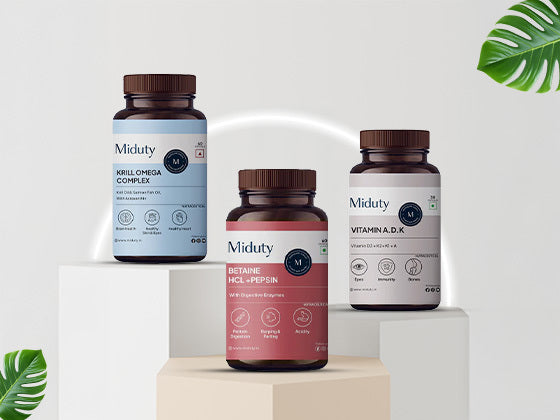
Nourish hair with a nutrient rich diet containing omega 3 fatty acid, biotin, vitamin E, and antioxidant-containing foods. These help to fight pollution and UV-induced oxidative stress and damage. Supplements containing these essentials can also be taken after a dermatologist consultation to boost scalp and hair health. Few highly recommended supplements are:
-
Maintain daily water intake to keep your body and scalp moist. This helps in avoiding dryness and irritation in unstable weather conditions.
-
Remove split ends every 6-8 weeks to reduce breakage and keep hair healthy, strong strands in spite of environmental stressors.
By adding hydration, scalp health, and protective components, you can keep your hair strong, shiny, and full of life despite the unpredictable vagaries of environmental change. A forward, green-thinking routine is the secret to achieving truly beautiful and sustainable hair health.
Protective Products: Sunscreens, Oils, and Serums

Defensive hair products are crucial to maintain the strength and shine of hair, and scalp well-being. Increasing heat, damaging UV radiation, pollution in the air, and poor water quality continually stress hair with destructive forces. Without protection, hair can become frizzy, prone to breakage, eventually scalp becomes more susceptible to baldness. This underlines the importance of using protective hair care products:
-
Lightweight antioxidant serums combat free radical destruction. This helps in restoring luster, and fortifying damaged hair strands.
-
Protective sunscreen sprays and creams offer protection to hair against sun damage, thus inhibiting dryness, color loss, and keratin degradation of the hair.
-
Oils and serums calm scalp inflammation, normalize scalp pH, and encourage healthier follicle functioning.
-
Several protective products form a micro-layer that keeps dust and toxins from sticking to the hair shaft.
-
Natural oils such as argan, coconut, and jojoba restore lost moisture in the hair, tame frizz, and guard the cuticle from stress.
Hence, protective products are the primary protection against climate-induced hair damage. Incorporating sunscreens, oils, serums and other hair protective products into your routine not only safeguards against external stressors but also enhances long-term resilience, hydration, and vibrancy in hair. With consistent use, these essentials help your hair thrive, even in the harshest environments.
Lifestyle and Dietary Adjustments for Stronger Hair

A healthy diet and a balanced lifestyle play a significant role in creating stronger, healthier and lustrous hair. By transforming your daily routine and modifying nutrition and eating habits with simple yet effective adjustments, you can accelerate hair growth, slow down hair breakage, and preserve natural shine.
-
Add salmon, chia seeds, and walnuts for Omega 3 Fatty Acid boost to nourish hair follicles and enhance scalp hydration level.
-
Add protein rich diets for hair such as eggs, lean meats, lentils, and nuts to provide keratin. It is the main protein that is essential for the structure of robust hair.
-
Hydrate yourself with lots of water every day. This helps to minimise scalp dryness and retain elasticity in hair fibers.
-
Do yoga, meditation, or regular exercise to reduce stress hormones that stimulate hair thinning and loss.
-
Maintain biotin, vitamin E, iron, and zinc intake to promote growth and avoid premature aging.
In short, lifestyle and diet changes form the basis of sustained hair well-being. Coupled with shield products and a weather-aware haircare regimen, these changes protect your locks from environmental stress while supporting growth, luster, and strength from within.
When to Seek Dermatologist or Trichologist Guidance

Hair issues brought about by climate change, pollution, and lifestyle stressors usually can be managed with the proper products and regimens, but other times professional intervention is necessary. Having an idea of when to see a dermatologist or trichologist can make a huge difference in averting long-term damage and rejuvenating scalp health. Chronic problems such as serious dandruff, excessive hair fall, unusual thinning, scalp irritation, or premature whitening can be signs of underlying issues that need professional diagnosis. Timely consultation not just helps diagnose underlying issues but also ensures quicker recovery and thicker, healthier hair. In the shifting climate of today, professional help is an important first step toward resilient, healthy hair and long-term scalp health.
Final Thoughts: Adapting Your Hair Care to a Changing World

With climate change, pollutants, and environmental irritants redrawing the map of everyday life, adjusting your hair care regimen has never been more important. Increased heat, changing humidity levels, low-quality water, and sun exposure have a direct impact on scalp health and strand vitality, making anticipatory care a priority. By embracing climate-smart haircare routines, protective styling products, and wholesome lifestyles, you can shield your hair from damage caused by the outside world while fostering long-term strength. With proper prevention and sustainable products and methods, healthy hair can be attained even in harsh conditions. In the end, evolving your haircare for an ever-changing world means healthier, brighter, and more confident locks ahead.