Impact of Meal Timing on Metabolism & Weight Management
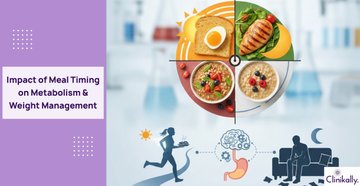
Timing isn’t just about what you eat - it’s about when you eat. The science of meal timing reveals that syncing your eating schedule with your body’s natural circadian rhythm can profoundly impact metabolism, energy levels, and overall health. Research shows that eating at the right times helps regulate blood sugar, improve digestion, and support weight management while reducing risks of insulin resistance and inflammation. Whether you’re exploring intermittent fasting, early time-restricted eating, or optimizing meal frequency, understanding the best time to eat for energy and fat loss can help you unlock sustained vitality and focus throughout the day. From morning fuel-ups to evening meal cutoffs, strategic meal timing aligns your biological clock for better sleep, performance, and gut health. In this guide, we uncover how the science of when transforms your eating habits into a powerful tool for well-being, longevity, and sustained energy.
Understanding Meal Timing and the Body’s Natural Rhythm

Your body operates on an internal 24-hour clock called the circadian rhythm; timing your meals according to this natural pattern has the potential to greatly enhance your energy, metabolism, and overall well-being. This seemingly simple concept of meal timing-eating in coordination with your body's biological schedule-has been recently noticed in modern nutrition science and wellness trends like chrononutrition and intermittent fasting. When you eat at regular times synchronized with daylight hours, nutrients are digested more efficiently, improving digestion, blood sugar balance, and metabolism of fat. On the other hand, eating late or not having structured meals interferes with hormones that regulate weight, making you gain weight, feel tired, and sleep poorly. Understanding how meal timing and circadian rhythm cooperate enables you to optimize your daily routine for better concentration and performance, while also improving long-term health. This article explores how listening to your inner time keeper can help you eat wiser, feel more energized, and live in harmony with your natural rhythm.
The Role of Circadian Rhythms in Nutrition
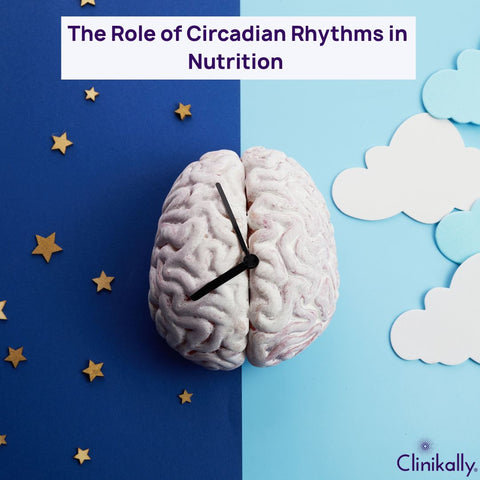
The human body runs on an inner 24-hour biological clock called the circadian rhythm, which influences sleep, hormone secretion, metabolic rate, and digestion. Over the last couple of decades, the role that circadian rhythms play concerning nutrition has become central in health-related studies. Timing food intake according to natural biological cycles, hence the concept of chrononutrition, offers potential for improved metabolic health, allowing better energy and weight control. Understanding just how meal timing influences the body's inner clock will hold the secret to better health and disease prevention.
-
Timing is a critical element in the way the body metabolizes food. Eating out of hours, especially late into the night, disrupts the natural circadian rhythm, leading to reduced fat oxidation and metabolic slowdown. Consuming the majority of daily calories earlier in the day supports better blood sugar regulation and energy balance.
-
Circadian-related metabolic activities, such as insulin sensitivity and digestion, work best in daylight. This means that breakfast and lunch are important to maintain energy levels and avoid overeating later in the day. Late dinners impede glucose control and promote fat accumulation.
-
Late-night eating disrupts melatonin production and interferes with normal sleep cycles, increasing obesity, insulin resistance, and metabolic disorders. Evidence shows that eating after 9 p.m. is associated with higher calorie retention and altered fat metabolism.
-
Metabolic hormones controlling appetite and satiation, including insulin, leptin, and ghrelin, follow a circadian pattern. Interruptions to these patterns- due to inconsistent eating times or poor sleep- can lead to increased hunger and reduced feelings of satiation, which increase food intake.
-
Adequate sleep promotes proper digestion and nutrient absorption. Poor sleep conditions and circadian misalignment could have an adverse effect on the gut microbiome, impair nutrient uptake, and enhance the desire to eat high-calorie, sugary foods.
-
Artificial light at night basically disrupts the circadian rhythm by suppressing melatonin and shifting appetite cues. It is morning sunlight that helps in regulating eating patterns, hormone cycles, and digestive efficiency.
-
Chrononutrition is a developing science that pegs eating to natural circadian rhythms. Methods such as time-restricted eating, in which food is consumed only during daylight, have been shown to increase metabolic flexibility, fat burning, and blood sugar stabilization.
-
Genetic variation affects the individual response to meal timing. The knowledge of one's chronotype-morning or evening preference-allows for personalization of diet plans, optimization of energy use, and helps control body weight in the long run.
Integrating circadian rhythm science into nutrition is a forward-thinking approach-one that works toward metabolic balance and the prevention of chronic disease. Eating in sync with the biological clock enhances digestion, balances hormones, and raises energy efficiency. As chronobiology and nutritional science research continues to progress, it becomes clear that when to eat may be just as important as what to eat. By honoring the natural rhythm of the body, individuals can sustain better health and experience overall wellness.
The Science Behind Early vs. Late Eating

In the world that keeps changing with new nutritional and metabolic research, one thing has continued at the top of the agendas: meal timing. Whether one eats in the early part of the day or closer to bedtime really matters in terms of the way digestion, storage, and utilization of the food take place. The difference between early eating vs. late eating goes far beyond calorie counts; it's rooted in the body's internal circadian rhythm. Scientific studies reveal that the time of eating affects hormone balance, blood sugar levels, energy metabolism, and even weight loss outcomes. Such an understanding empowers you to synchronize your eating with the natural biological clock for the best health.
-
Eating earlier in the day aligns with the body’s peak metabolic activity. Morning and midday meals are digested more efficiently, leading to better insulin sensitivity, faster glucose metabolism, and improved fat utilization. Research shows that front-loading calories earlier supports sustained energy and prevents overeating later.
-
Late-night eating also disrupts the circadian rhythm and leads to a decrease in the body's capability for carbohydrate and fat metabolism. Studies have shown that late-night eating is associated with higher blood sugar, lower fat oxidation, and higher fat storage, which correlate with weight gain and metabolic disorders.
-
Key hormones such as insulin, leptin, and ghrelin have changes throughout the day. Early eaters typically have higher insulin sensitivity and better hunger regulation, while late eaters have more intense evening cravings and reduced satiety, which may lead to overconsumption.
-
Eating close to bedtime interferes with melatonin production and disrupts sleep quality. Poor sleep not only affects digestion but also alters hunger-regulating hormones, leading to increased appetite and lower energy levels the following day.
-
Evidence shows that those individuals who consume most of their calories before 3 p.m. tend to lose more weight compared to those who consume the same amount later in the day, simply because their food intake is better synchronized with the metabolic cycle.
-
Regular late-night snacking is associated with obesity, type 2 diabetes, heart disease, and digestive problems. This, in turn, is due to the fact that the body’s ability to process nutrients diminishes at night, which eventually causes inefficient energy use.
-
Time-restricted eating, emerging under the umbrella of chrononutrition, underlines the importance of meal timing in tune with biological rhythms. Limiting food intake to an 8-10 hour window earlier in the day improves metabolic health, blood pressure, and inflammatory markers.
-
Lifestyle, work schedules, and cultural eating habits determine when a person eats. However, consistent late-night meals-especially those dense in processed carbohydrates or fats-have been shown to raise post-meal glucose levels and hinder digestion efficiency.
The science is clear: eating early supports metabolic harmony, while eating later works in opposition. Synchronizing meal timing with the circadian rhythm of the body fosters better digestion, weight control, and long-term metabolic health. By consuming larger meals earlier and minimizing late-night eating, individuals can improve energy levels, stabilize blood sugar, and reduce chronic disease. When it comes to modern nutrition, when you eat is just as important as what you eat-making meal timing one of the cornerstones of long-term health and wellness.
Debunking Myths About Skipping Meals

In today's fast-paced world, meal skipping has become common, for either a busy schedule, weight concerns, or popular trends like intermittent fasting. However, many different opinions on meal skipping sometimes leave people confused about the actual influence it has on health. Does skipping meals slow down your metabolism? Will it cause weight gain or fatigue? It is time to separate fact from fiction. In this presentation, we will bust five common myths associated with meal skipping and will present what science really says about this controversial nutrition practice.
1. Myth: Skipping Meals Slows Down Your Metabolism
Fact: Skipping one meal from time to time does not drastically lower your metabolism. While long-term calorie deprivation will indeed lower metabolism, periods of short-term fasting or holding off meals can enhance metabolic flexibility. Intermittent fasting research indicates that short-term fasting might improve insulin sensitivity, facilitate fat burning, and support cellular repair processes such as autophagy.
2. Myth: You'll Automatically Gain Weight if You Skip Meals
Fact: Missing a meal can't cause weight gain by itself; what's more important is the total calorie intake along with the quality of food. Some overeat to make up for having skipped lunch, thus negating any caloric deficit, while for others, pre-planned times of eating reduces hunger and controls cravings. Time-restricted eating patterns, for example, may foster weight loss when combined with nutrient-dense meals.
3. Myth: Skipping Breakfast is Always Unhealthy
Fact: The long-held notion that breakfast is "the most important meal of the day" is not universally applicable. While breakfast might support focus and energy for some, other people thrive on delayed eating schedules. Indeed, studies have found that skipping breakfast may help to regulate blood sugar levels and improve fat metabolism-epecially when total daily nutrition remains balanced. The key is in personalization: your optimal pattern of eating is determined by your lifestyle and your metabolism.
4. Myth: Missing Meals Leads to Muscle Loss
Fact: Muscle loss only occurs when the body has a long-term deficiency in calories or protein, never from missing one meal. Sufficient intake of proteins, strength training, and balanced meals after fasting protect lean muscle mass. As a matter of fact, controlled fasting can trigger growth hormone release, which helps preserve muscle while enhancing fat burning.
5. Myth: Skipping Meals Causes Nutrient Deficiency
Fact: Not eating occasionally does not always result in nutrient deficiency. What is essential is the quality and variety of the foods taken when consumed. Provided that whole grains, lean proteins, healthy fats, fruits, and vegetables are part of your meal, your requirements can be easily met. Chronic undereating or poor eating during those eating windows can cause a problem.
Skipping meals is not inherently bad-it's the how and why that determines its effect on your health. When done with consciousness and combined with healthy, regular meals, it can improve metabolic health, weight management, and energy balance. On the other hand, unconscious meal skipping-for stress or the lack of planning-can easily backfire into lethargy and overeating. The bottom line? Listen to your body, choose quality food, and explore eating patterns-like intermittent fasting-that align with your personal lifestyle and health goals.
The Benefits of Eating at the Right Time

Eating healthy isn't just about what you eat, but also about when you eat. What's important to note, from the science of meal timing, or chrononutrition, is that eating in conjunction with your body's natural circadian rhythm can seriously affect digestion, metabolism, energy, and overall well-being. Whether one's goal is weight management, improved sleep, or better digestion, eating correctly at the right time plays an important role in maintaining a healthy lifestyle.
-
Boosts metabolism: Eating during your body’s active hours enhances metabolic rate, helping the body efficiently convert food into energy rather than storing it as fat.
-
Improves digestion: Eating meals in regular intervals helps in maintaining regular digestive enzyme action and avoiding bloating, acidity, and indigestion.
-
Regulates Blood Sugar Levels: Timely meals stabilize glucose levels, reducing the risk of energy crashes, cravings, and insulin resistance.
-
Improves Energy and Focus: Eating at optimal times maintains steady energy throughout the day, improving one's focus, mood, and productivity.
-
Supports Healthy Weight Management: Well-timed eating regulates appetite hormones such as ghrelin and leptin, facilitating easier maintenance or loss of weight naturally.
-
Reduces the Risk of Obesity: By eating late, the circadian rhythm gets disrupted, and fat builds up. Early meals help utilize calories much better and reduce fat storage.
-
Balances Hormones: Proper meal timing supports hormonal balance, which influences appetite regulation, metabolism, and sleep quality.
-
Improves Sleep Quality: Eating your last meal at least 2–3 hours before bedtime prevents digestive strain and supports the natural rise of melatonin for restful sleep.
-
Prevents Overeating: Regular meal schedules prevent extreme hunger and binge eating, enabling one to have better portion control throughout the day.
-
Enhances Nutrient Absorption: Good eating patterns enhance nutrient absorption, therefore permitting the effective utilization of vitamins, minerals, and proteins.
-
Promotes Heart Health: The studies attribute early and balanced eating to low cholesterol levels, less inflammation, and better cardiovascular functions.
-
Supports Gut Health: Timely eating promotes a balanced gut microbiome, reducing digestive issues and supporting immune function.
-
Improves Mental Health and Mood: Food intake at balanced times stabilizes blood sugar, hence preventing mood swings, anxiety, and fatigue associated with irregular eating.
-
Improves Exercise Performance: Timing your meals before and after exercise optimizes muscle recovery, endurance, and replenishes energy stores.
-
Strengthens the body’s internal clock: Aligning eating patterns with daylight hours reinforces the circadian rhythm, leading to better sleep, digestion, and overall metabolic harmony.
All it really takes to turn your health around is the timing of your meals. Eating on time can boost your metabolic rate, regulate hormones, stabilize energy, and control body weight. In a world dominated by convenience and speed, it is easy to overlook meal timing, but doing so is an amazingly simple and effective means of optimizing wellness in the long run. After all, when it comes to nutrition, sometimes knowing what to eat is less important than knowing when to eat.
Enhancing Digestion and Metabolic Efficiency
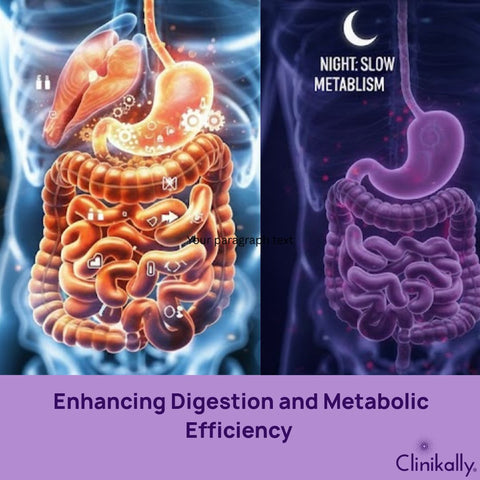
Eating at the right time is just as important as choosing the right foods when it comes to optimizing digestion and metabolic efficiency. Your body follows a natural circadian rhythm that regulates key processes such as enzyme production, nutrient absorption, and energy metabolism. When meals are timed to align with this internal clock- typically eating more during daylight hours and less at night- your digestive system works more efficiently, breaking down food faster and converting nutrients into energy more effectively. Studies show that eating earlier in the day supports better gut health, blood sugar control, and fat metabolism, while late-night eating can slow digestion and increase the risk of weight gain, acid reflux, and insulin resistance. By adopting mindful meal timing and maintaining consistent eating patterns, you can enhance your body’s ability to process food, stabilize energy levels, and boost overall metabolic health. In short, timing your meals right can be the key to unlocking better digestion, improved nutrient utilization, and sustained vitality.
Meal Timing for Energy, Focus, and Mood
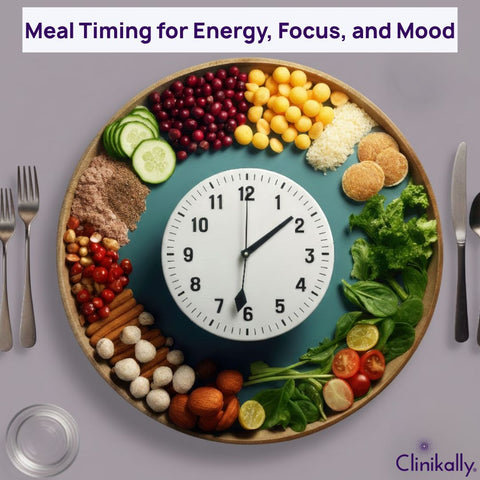
Timing of your meals plays an important role in terms of maintaining consistent energy levels, sharp mental focus, and a stable mood throughout the day. Your body's circadian rhythm influences how efficiently you process and utilize nutrients, which essentially means that when you eat can be as crucial as what you eat. Eating regular, timely meals helps regulate blood sugar levels and avoid energy crashes or mood swings due to glucose highs or lows. Morning meals with protein and complex carbohydrates can help increase alertness and concentration, whereas late or missed meals commonly result in lethargy, irritability, and low productivity. Consistent patterns of meal times also support neurotransmitter balance in the promotion of serotonin and dopamine production, responsible for emotional wellness and motivation. By aligning your eating schedule with your hardwired biological clock, you can sharpen mental clarity, maintain energy throughout the day, and enhance overall mood stability. In essence, mindful meal timing fuels not just your body, but your brain and emotions too.
Weight Management and Blood Sugar Control

Eating at the right time of day is one of the most powerful, yet least recognized, strategies for weight management and blood sugar balance. The natural rhythm of your body, governed by its circadian rhythm, dictates your nutrient processing, making when you eat much more important than you might think in regard to fat accumulation, insulin sensitivity, and general metabolic efficiency. Eating earlier in the day, when your metabolism is peaking, helps optimize calorie use and block excess fat storage. On the other hand, late eating and skipping meals can dislodge your body from its natural rhythm and lead to elevated levels of blood sugar, insulin resistance, and a gain in weight over time. Studies demonstrate that organized meal timing, such as early time-restricted eating or regular intermittent fasting, may promote superior glucose regulation, reduce late-night cravings, and foster long-term fat loss. By synchronizing your eating habits with your body's internal clock, you promote stable energy levels, balanced hormone function, and a healthier metabolism. Above all, eating at the right time is not an issue of discipline; it is one grounded on science for natural weight management and metabolic health.
Practical Approaches to Meal Timing
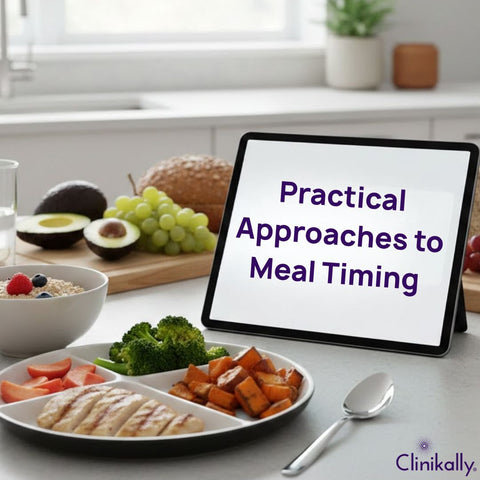
Timing is everything when it comes to nutrition. How you time your meals can make a huge difference in your metabolism, energy levels, managing weight, and even sleep quality. This idea, often referred to as chrononutrition, will review how determining eating times in coordination with your body's circadian rhythm can enhance overall health and performance. To make this science work for you, here are 12 practical applications of meal timing that can work within your lifestyle.
1. Start Your Day with a Balanced Breakfast
Eating a healthy breakfast one to two hours after rising jump-starts metabolism and gives energy that lasts all morning. Include protein, complex carbohydrates, and healthy fats to keep blood sugar stable.
2. Avoid Skipping Meals Regularly
While occasional fasting can be beneficial, regularly skipping meals disrupts metabolism and hunger cues. Eat every 3–5 hours to maintain energy balance and prevent overeating later in the day.
3. Eat during the daytime
Your body digests and metabolizes food more efficiently during daylight hours; therefore, eating larger meals earlier in the day and lighter meals in the evening will support optimal glucose control and fat metabolism.
4. Practice TRE
Eat within an 8-10 hour window; for example, eat from 8 a.m. to 6 p.m. and then don't eat the rest of the time. Based on intermittent fasting research, it regulates the circadian rhythm, minimizes inflammation, and supports metabolic health.
5. Time Meals with Physical Activity
Plan meals around your workout schedule. Eat a light meal with carbs and protein 1–2 hours before exercise, and refuel afterward with lean protein and complex carbs to aid recovery and muscle repair.
6. Limit Late-Night Eating
Eating late disrupts digestion and melatonin production, negatively affecting sleep and promoting fat storage. Try to finish dinner at least 2–3 hours before bedtime to keep your metabolic function at its best.
7. Maintain the Same Meal Timings
Consistency trains your body’s internal clock to expect meals at certain times, enhancing digestion and hormone balance. A predictable eating routine also helps regulate hunger and prevent cravings.
8. Choose Whole, Nutrient-Dense Snacks
If you need to snack between meals, opt for nutrient-dense options like nuts, yogurt, or fruit instead of processed snacks. This helps sustain energy without spiking blood sugar levels.
9. Hydrate Before and Between Meals
Drinking water before meals can help with digestion and prevent overeating. Even staying hydrated throughout the day supports nutrient transport, metabolism, and overall energy.
10. Eat Mindfully and Slowly
Meal timing isn't just about the clock; it's about awareness, too. Eating slowly takes time and thus aids in digestion, promotes satiety, and reduces stress-related eating patterns.
11. Adjust Meal Timing for Shift Work
For night shifts or irregular working hours, schedule meals around active times and avoid food intake close to sleep. This will minimize disturbance to the circadian rhythm and metabolic stress.
12. Listen to Your Body's Natural Hunger Cues
While structure is helpful, your body is the best guide. Pay attention to genuine hunger and fullness signals rather than eating purely out of habit or emotion.
Effective meal timing is less about timing but rather about synchronizing your eating habits with lifestyle and biology. Eating at similar times, focusing more on daytime meals, and being mindful of balanced nutrition can all significantly improve metabolic efficiency, stabilize energy levels, and maintain overall health. In today's fast-paced world, applying these practical methods of meal timing will pay dividends toward a sustainable nourishing approach to wellness.
Structuring Meals Around Daily Activity Levels

Meal timing and structure are as important as calorie intake in maintaining energy, supporting performance, and managing weight. Plan your meals according to the arc of your day to help your body get the nutrients it needs when it needs them: fuel for productivity, workouts, and recovery. If you are an athlete or a professional looking to get the most out of your diet, consider implementing these five practical tips into your daily eating routine.
-
Start your day with a nutrient-rich breakfast that includes complex carbohydrates, lean proteins, and healthy fats. This combination replenishes glycogen stores, stabilizes blood sugar, and provides lasting energy for mental and physical performance. If you work out in the morning, include quick-digesting carbs like oats or fruit to fuel your session.
-
Plan your main meals and snacks around your workout schedule.
a. Pre-workout: Consume 1–2 hours prior to training, with easily digestible & carbohydrates and a small amount of protein for an energy kick.
b. Post-workout: Refuel within 30–60 minutes after exercise with protein for muscle recovery and carbohydrates to restore energy stores.
Not all days require the same amount of calories. On high-activity days, increase your intake of carbohydrates and lean proteins to sustain energy. On rest or low-activity days, gear more toward fiber-rich vegetables, healthy fats, and portions for moderation in order not to store excess energy. This will help with metabolic balance by preventing energy crashes.
-
Consuming big portions of food late in the evening interferes with digestion, sleep quality, and fat metabolism. Your energy needs decrease as you get closer to bedtime, so dinner should be lighter, yet full of vegetables, lean protein, and healthy fats. Aim for your last meal to be 2-3 hours before sleeping for optimal metabolic health.
-
Consistency helps your body predict at what time it should expect food, thus helping improve digestion, regulation of hormones, and stability in energy levels. Eat at regular times- three square meals usually, with one or two snacks if necessary. A routine keeps the body on course with its natural circadian rhythm and keeps hunger cues well managed.
Aligning your meal structure with your activity levels is a simple yet powerful way to enhance performance, recovery, and overall well-being. By eating more when you’re active and less when you’re sedentary, you can maintain steady energy, support metabolism, and improve long-term health outcomes. Remember, effective nutrition isn’t just about choosing the right foods- it’s about eating them at the right time for your lifestyle.
Intermittent Fasting and Eating Windows Explained
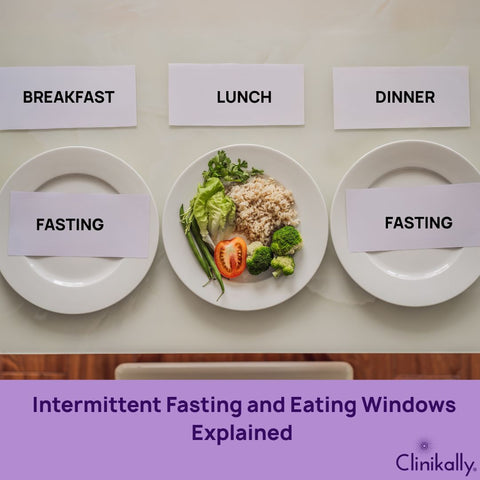
In recent years, intermittent fasting has gained a reputation as one of the most popular approaches to health and nutrition. But beyond the hype, what does it really mean-and how does it work? At the center of everything, intermittent fasting isn't about what you eat but when you eat. By framing your meals within specific eating windows, you align your food intake with your body's natural circadian rhythm, giving your digestive system time to rest and reset. This pattern of eating, when done well, has the potential to support weight loss, metabolic health, and longevity. Intermittent fasting is a kind of eating where one alternates periods of eating with fasting. Rather than focusing on calorie restriction, it emphasizes timing-allowing the body to alternate between fed and fasted states. During fasting, insulin levels fall, which encourages the body to utilize stored fat as a source of energy, while digestion slows down and gives your system a restorative break.
Popular intermittent fasting methods include:
-
16/8 Method: 16 hours of fasting followed by an 8-hour eating window (e.g., eat from 10 a.m. to 6 p.m.).
-
14/10 Method: 14-hour fast with a 10-hour eating window, ideal for beginners.
-
5:2 Diet: Eat normally five days a week, then restrict calories to about 500-600 on two non-consecutive days.
-
Alternate-day fasting: On alternate days, either do not eat anything or greatly reduce intake.
Eating windows are those periods in which all daily calories are ingested. This restriction of feeding to an eating window can help align metabolism with the body's internal clock, also called the circadian rhythm. Research has shown that our bodies tend to metabolize food much easier during daylight hours, so earlier eating windows (e.g., 8 a.m.- 4 p.m.) show better blood sugar control and fat metabolism compared to eating at night.
These include:
-
Improved insulin sensitivity and blood sugar regulation
-
Enhanced fat burning and metabolic flexibility
-
Reduced inflammation and oxidative stress
-
Support for weight management and cellular repair through autophagy
The best fasting schedule for you will depend on your lifestyle, goals, and energy needs.
For early risers (morning types), an earlier window, such as 7 a.m.- 3 p.m., coincides with peak metabolism. For evening types (late workers), a later window is more likely to be sustainable, such as 12 p.m.-8 p.m. For active individuals, schedule meals around workouts to ensure proper fueling and recovery. Shorten your eating window over time as your body adapts. The goal is consistency, not restriction.
Intermittent fasting is not a fad- it’s a science-backed approach that can enhance metabolic health and longevity when personalized. By managing your eating windows and respecting your body’s internal clock, you can experience improved energy, mental clarity, and balanced weight control. The key is to focus on quality nutrition within your chosen window and consistency in your routine. When done right, intermittent fasting becomes less about restriction and more about rhythmic nourishment for lasting well-being.
Common Challenges and How to Overcome Them

Even the most dedicated individuals face certain obstacles in eating a proper diet with timely meals. Between busy schedules, social commitments, and the pressures of the modern lifestyle, staying on track with nutrition can be daunting. On the other hand, understanding these challenges- and knowing how to overcome them- can make all the difference in achieving long-term nutrition success. Below are three of the most common barriers people face when it comes to managing meal timing, nutrition goals, and daily habits, along with tested strategies on how to conquer them.
-
Many people skip meals or eat at inconsistent times due to hectic routines or lack of planning. This disrupts the body’s circadian rhythm, leading to unstable energy levels, cravings, and poor digestion. To overcome it, create a basic schedule. Set standard times for breakfast, lunch, and dinner-even if the times are flexible by 30 minutes. Smartphone notifications can help establish eating consistency. Incorporate protein, fiber, and healthy fats into every meal to see you through to the next eating window.
-
Busy lifestyles often push meal planning to the bottom of the priority list, resulting in frequent takeout meals or processed food choices. Over time, this can hinder progress toward better health and weight management. To overcome it, meal prep once or twice a week and cook in bulk and store portions in reusable containers and choose quick, nutritious options: Smoothies, overnight oats, or wraps are fast, balanced choices.
-
Many people struggle with late-night snacking, which can disrupt digestion, affect sleep quality, and contribute to unwanted weight gain. This often happens when meals are skipped earlier in the day or when emotional eating takes over after work. To overcome it, eat balanced meals during the day: Ensure adequate calories and nutrients to prevent hunger at night. Identify triggers: This involves recognizing whether cravings are due to boredom, stress, or actual hunger. Choose light, healthy snacks if needed such as Greek yogurt, nuts, or fruit can satisfy hunger without overloading calories. Try to keep the last meal 2–3 hours before bedtime, allowing for natural digestion and metabolism.
Managing nighttime eating habits helps with keeping hormonal levels in check, sleeping more soundly, and maintaining weight. Closing Paragraph Overcoming meal timing and nutrition challenges is about building sustainable habits, not seeking perfection. By planning ahead, eating consistently, and addressing emotional or environmental triggers, you can develop a healthy relationship with food that aligns with your lifestyle. Remember, progress comes from daily choices- structured meals, mindful eating, and self-awareness are your best tools for long-term health and vitality.
Personalizing Your Eating Schedule for Long-Term Wellness

Personalizing your eating schedule holds the secret to long-lasting wellness, energy balance, and metabolic harmony. There’s no one-size-fits-all approach-your ideal meal timing is determined by lifestyle, activity level, sleep patterns, and even genetic makeup. By listening to your body and aligning meals with your circadian rhythm, you'll be supporting better digestion, blood sugar stabilization, and both mental and physical performance. Whether you're an intermittent faster, a fan of up to three square meals per day, or an early time-restricted eater, the key to success all lies in one word: consistency. This personalized eating schedule will not only keep your metabolism running at an optimal rate but also support long-term heart health, hormonal balance, and emotional well-being. The science is clear-when you eat can be just as transformative as what you eat. By fitting your eating pattern to your body's natural rhythm, you can build a healthier relationship with food and unlock lasting vitality, focus, and longevity.