Brighten and Soothe Your Skin with Kojic Acid and Allantoin
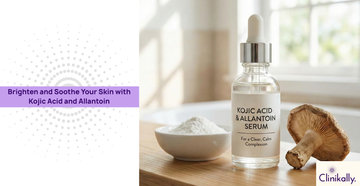
Combining kojic acid, a proven skin brightening agent, with allantoin, a time-honored soothing substance, results in an unusual combination of correction and comfort. Kojic acid acts by directly suppressing tyrosinase, the enzyme responsible for melanin formation, making it extremely efficient for treating dark spots, uneven tone, and post-inflammatory hyperpigmentation. However, like many pigment-fighting actives, kojic acid can occasionally produce minor irritation or dryness, particularly in sensitive or impaired skin types. In this blog, we will look at how kojic acid and allantoin work together to provide a clear, serene complexion.
Science Snapshot: Mechanisms Behind Pigment Control & Skin Repair
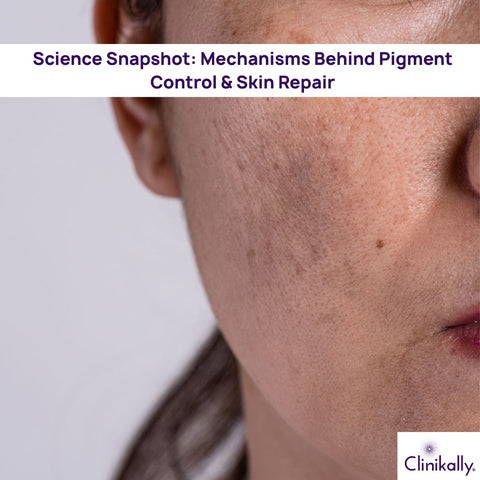
The combination of kojic acid and allantoin works on two parallel biological fronts: pigment regulation and barrier repair.
-
Kojic acid is best known for its activity as a tyrosinase inhibitor. Tyrosinase is the copper-dependent enzyme responsible for melanin synthesis within melanocytes. Kojic acid inhibits the conversion of tyrosine to melanin precursors by binding to the active site of tyrosinase, hence limiting pigment synthesis at the source. This makes it very useful for treating melasma, sunspots, and post-inflammatory hyperpigmentation (PIH). In addition to melanin inhibition, kojic acid has antioxidant properties, scavenging free radicals that would otherwise promote melanogenesis or contribute to photoaging.
-
Allantoin, on the other hand, functions as a tissue soother and healing agent rather than a pigment corrector. It has a keratolytic effect, which encourages the removal of damaged, roughened corneocytes to show fresher skin. At the same time, allantoin promotes cell proliferation and extracellular matrix repair, resulting in improved barrier function. It also increases water retention in the stratum corneum, making the skin more supple and lowering the risk of irritation from active compounds such as kojic acid.
When coupled, kojic acid's melanin-blocking accuracy complements allantoin's healing and protecting qualities. This synergy ensures pigment reduction while reducing barrier disruption and sensitivity, which is sometimes difficult to achieve using brightening actives alone. The end result is not just brighter skin, but also a complexion that feels serene, hydrated, and strong.
Tyrosinase Blockade: Kojic’s Direct Path to Melanin Reduction
At the heart of kojic acid's brightening ability is its direct suppression of tyrosinase, the enzyme that catalyzes the conversion of the amino acid tyrosine into melanin precursors. Tyrosinase activity is the rate-limiting stage in melanogenesis; hence, its management directly affects how much pigment is produced. By attaching to copper ions in tyrosinase's active site, kojic acid deactivates or slows the enzyme's action, lowering melanin formation at the source.
Unlike exfoliating acids and retinoids, which operate indirectly by increasing cell turnover to shed pigmented cells, kojic acid employs a more targeted biochemical approach. This makes it very beneficial for treating disorders including melasma, sun-induced patches, freckles, and post-inflammatory hyperpigmentation (PIH). Furthermore, kojic acid contains antioxidants, which assist in reducing oxidative stress, a recognized promoter of melanocyte overactivity.
The result of this blockage is a gradual but noticeable reduction in uneven pigmentation. Because melanin turnover is a lengthy process, results often need weeks of constant application, but the effects can be dramatic, especially when kojic acid is paired with other barrier-friendly actives. However, while kojic acid is quite effective, it can occasionally cause moderate irritation, tingling, or dryness in sensitive skin. This is why it is frequently used with calming or moisturizing substances like allantoin, which balances its potency by improving barrier health. Together, these steps pave the way for clearer, brighter skin with less irritation.
Micro‑Exfoliation Boost: Enhancing Penetration Without Harshness
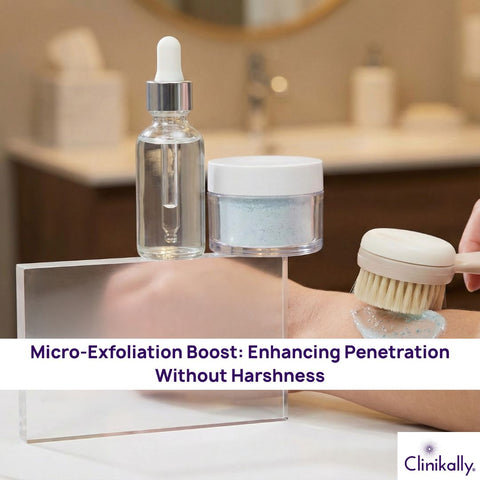
One of the more subtle but significant benefits of allantoin in a kojic acid formulation is its capacity to promote micro-exfoliation—the gradual, non-abrasive shedding of dull, surface corneocytes. Unlike alpha-hydroxy acids (AHAs) and beta-hydroxy acids (BHAs), which use chemical disintegration of intercellular bonds to generate stinging or peeling, allantoin promotes a regulated keratolytic action. It softens keratin, a structural protein that holds dead skin cells together, allowing them to shed more easily.
This technique accomplishes two things at once: it displays a smoother, more radiant skin surface while also paving the way for better penetration of actives such as kojic acid. Allantoin helps kojic acid access melanocytes more efficiently by gently erasing the highest barrier of compacted dead cells, eliminating the need for harsh exfoliation. In essence, it primes the skin so that kojic acid can more effectively block tyrosinase.
Because this exfoliation is gentle and cumulative, it does not impair barrier function. In fact, allantoin's moisturizing and anti-irritant capabilities balance out any potential dryness or sensitivity. This makes the mixture ideal for people who battle with pigmentation but cannot endure the more severe side effects of heavier peels or acids. The end result is a dual-action pathway: kojic acid inhibits melanin formation at the enzymatic level, while allantoin renews the skin surface and increases absorption—all while keeping a serene and moisturized complexion.
Allantoin’s Role in Cell Renewal, Comfort & Barrier Support
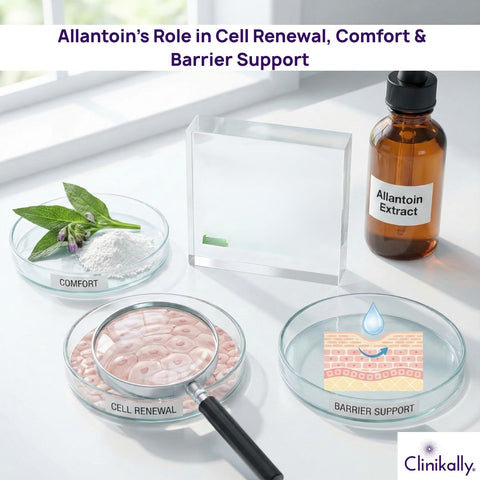
While kojic acid regulates pigment, allantoin restores balance by supporting the skin's healing and resilience mechanisms. Its principal role is to promote cellular renewal by gently stimulating keratinocyte growth, allowing the epidermis to replace damaged or stressed cells with newer, healthier ones. This rejuvenation not only smoothes rough texture but also improves the supply of brightening agents like as kojic acid to deeper layers, where pigment suppression occurs.
Aside from rejuvenation, allantoin is a significant comfort agent. It is known for its calming characteristics, which help to reduce irritation, redness, and sensitivity, all of which are common side effects of pigment-correcting actives. By acting on sensory nerve endings and lowering micro-inflammation, it allows the skin to endure kojic acid's tyrosinase-blocking action without irritation, making the brightening process more long-lasting.
Equally significant is its role in barrier reinforcement. Allantoin improves stratum corneum hydration by enhancing water retention and decreasing transepidermal water loss. A well-hydrated barrier protects against external stressors, keeps skin supple, and reduces the risk of overdrying or peeling. For those with sensitive or acne-prone skin, this function is crucial in reducing flare-ups during pigmentation treatment. Together, these functions make allantoin the ideal companion to kojic acid: it protects while kojic corrects. The end result is not just a clearer tone, but also a complexion that feels calm, robust, and well-balanced, demonstrating that pigmentation treatment does not have to sacrifice barrier health.
Visible Benefits & Best‑Fit Skin Types
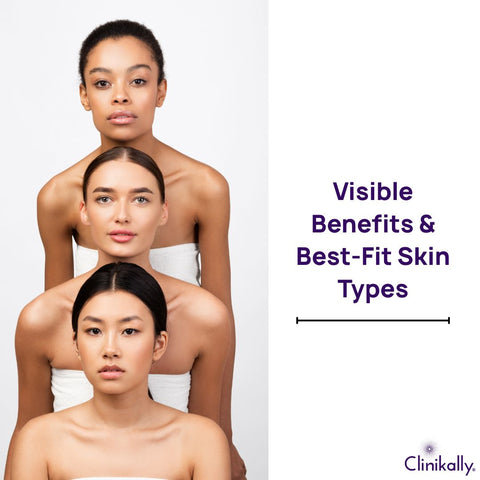
Integrating kojic acid and allantoin results in a dual-action skincare treatment that balances potency with comfort. Tone correction and texture enhancement provide the most evident effects. Kojic acid inhibits tyrosinase, which helps reduce hyperpigmentation such as melasma, post-inflammatory dark spots, freckles, and sun damage. Skin appears more even, luminous, and radiant after persistent application, as pigment abnormalities fade.
At the same time, allantoin moisturizes, soothes, and micro-exfoliates, smoothing rough spots and reducing surface dullness. This synergy produces not just clearer skin tone but also softer, calmer, and more resilient skin. For those who frequently experience irritation from other brightening regimens, the use of allantoin greatly decreases downtime and enhances long-term tolerability.
This duo is particularly well-suited to the following skin types:
-
Allantoin protects sensitive skin from kojic acid's potential irritation, allowing for brightening without causing flare-ups.
-
Allantoin's calming repair and kojic acid's mild antibacterial action work together to reduce post-acne marks (PIH) while maintaining skin comfort in oily and acne-prone skin.
-
Combination skin benefits from a balance of pigment correction and hydration, supporting both dry and oily zones.
-
Benefits for mature or sun-damaged skin include improved glow, comfort, and smoothness, in addition to fading dark spots.
This brightening-soothing combo provides visible clarity, balanced moisture, and long-lasting barrier health, making it a versatile option for people seeking an even, radiant complexion without harshness.
Dark Spot Fading & Tone Evening for PIH and Sun Damage
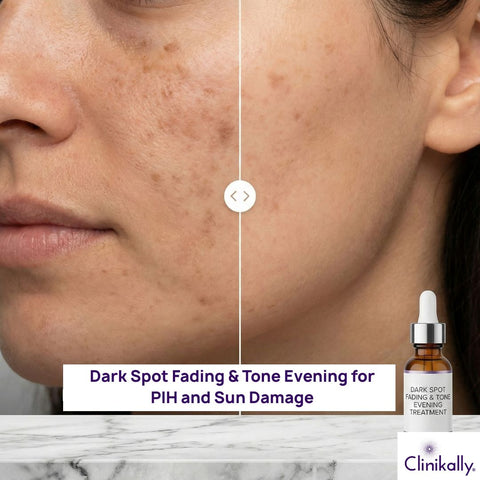
Hyperpigmentation, whether caused by acne-induced post-inflammatory hyperpigmentation (PIH) or prolonged sun exposure, is a frequent skin concern—and one of the most difficult to address without causing irritation. Kojic acid directly addresses the underlying cause of uneven pigmentation by blocking tyrosinase, the enzyme responsible for melanin formation. By slowing down excess pigment development, it allows dark spots to progressively brighten and prevents new discolouration from forming. For sun-induced pigmentation, which typically shows as freckles, solar lentigines, or patchy dullness, kojic acid regulates overactive melanocytes caused by UV exposure. With continued usage, this results in a more even, uniform tone and apparent brightness over the skin.
Allantoin enhances this process by addressing the secondary concerns that frequently accompany pigmentation, such as irritation, dryness, and surface roughness. Its keratolytic effect enables gradual renewal of the stratum corneum, smoothing the skin while also increasing kojic acid penetration into deeper levels where pigment control occurs. Furthermore, its relaxing, barrier-supporting properties enable sensitive or inflamed skin withstand repeated brightening treatments. This pair provides a balanced correction pathway: kojic acid combats the enzymatic overproduction of melanin, while allantoin keeps skin calm, moisturized, and robust throughout the process. The end effect is a gradual lightening of dark spots—from obstinate PIH to UV-linked damage—accompanied by a dramatically brighter, more even-toned skin that appears healthy rather than over-processed.
Redness Relief: Post‑Procedure and Sensitive‑Skin Friendly
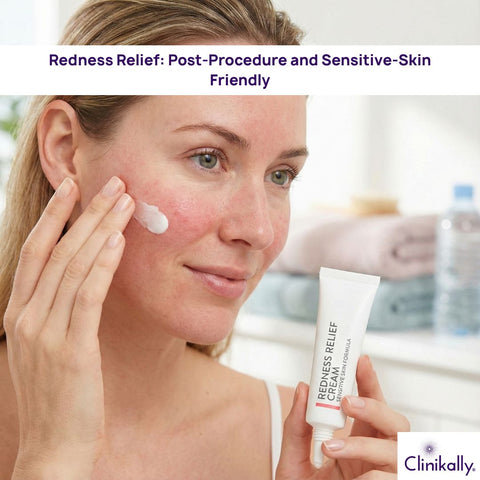
Inflammation and redness are common side effects of pigmentation treatment, particularly following procedures including chemical peels, laser resurfacing, and microneedling. Skin in this state is extremely reactive, and using a powerful brightener like kojic acid alone can occasionally exacerbate sensitivity. This is where allantoin comes in handy—it acts as a buffering agent, calming irritated skin. Allantoin alleviates erythema (visible redness) via regulating inflammatory pathways and relaxing nerve endings in the skin. Its gentle keratolytic effect promotes the removal of damaged cells without causing irritation, which is especially beneficial for skin recuperating from in-office treatments. It shortens the healing time by encouraging faster epidermal renewal, lowering the chance of persistent blotchiness.
Allantoin promotes barrier integrity and hydration in sensitive skin types that are prone to reactive flushing, stinging, or dryness. This protective cushioning enables kojic acid to act as a melanin regulator without overpowering sensitive skin. They work together to provide a brightening regimen that is both effective and comfortable, which is unusual for people who can't take strong pigment-correcting actives. The dual action is especially beneficial for patients suffering from red-brown PIH caused by acne, which includes both residual inflammation and pigmentation. While kojic acid fades the discolouration, allantoin reduces redness and irritation, resulting in more consistent healing.
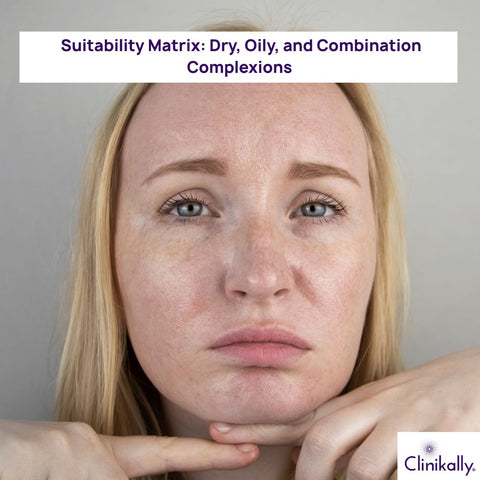
Suitability Matrix: Dry, Oily, and Combination Complexions
When skin is stressed, whether from professional procedures such as peels, lasers, or microneedling, or from regular irritation, redness is a common indicator of barrier breakdown. Brightening actives, such as kojic acid, can sometimes worsen this sensitivity. When combined with allantoin, the combination changes into a targeted yet relaxing remedy that respects sensitive skin's boundaries. Allantoin is known for its calming and anti-inflammatory properties. It works by lowering micro-inflammation, relaxing reactive nerve endings, and promoting faster repair of stressed tissue. This makes it especially useful in post-procedure procedures, where the skin's healing window requires actives that promote renewal without causing irritation. In addition, allantoin increases hydration and boosts barrier resilience, limiting excessive transepidermal water loss, which frequently causes redness.
For sensitive skin types, allantoin functions as a buffer, allowing kojic acid to inhibit melanin without causing stinging or flushing. The end result is a treatment that may combat stubborn pigmentation and uneven tone while remaining comfortable. This is especially useful for those with post-acne markings that are both red and dark, as fading and calming must occur simultaneously. The end result is not only pigment reduction, but also a visibly calmer, more uniform complexion. This combination of kojic acid's brightening effect and allantoin's soothing shield provides a dual-benefit approach—clarity without compromise and correction without irritation.
Application Guide & Safety Takeaways
When implementing a kojic acid + allantoin regimen, strategy and moderation are essential for achieving consistent outcomes. Because kojic acid is a powerful melanin regulator, it should be used at low to moderate quantities (1-2%) in serums, spot correctors, or creams. Allantoin, which is often added at 0.2-0.5%, enhances the mix by relaxing and buffering any potential discomfort.
-
Best practice layering: After cleansing, use a moisturizing toner or essence to prepare the skin. Next, use the kojic acid-allantoin combination, concentrating on regions of uneven pigmentation rather than the entire face if sensitivity is an issue. Apply a barrier-supporting moisturizer next, and always finish with broad-spectrum sunscreen during the day. This process is absolutely necessary since kojic acid-treated skin is more susceptible to UV damage.
-
Frequency: Beginners should start with 2-3 applications per week, gradually increasing to daily use if tolerated. For post-procedure or sensitive skin, space treatments widely apart and couple with barrier-repair creams to promote comfort.
-
Safety considerations: While kojic acid is useful, excess might cause sensitivity or paradoxical irritation. A patch test is required before complete treatment, particularly for sensitive or damaged skin. Avoid using strong exfoliants (high-strength AHAs/BHAs or retinoids) in the same routine since they may overwhelm the barrier. If you're using many activities, try alternating on various nights.
This routine achieves clarity, even tone, and calm skin by combining the brightening action of kojic acid with the comfort and repair of allantoin—all while focusing on safety and balance.