

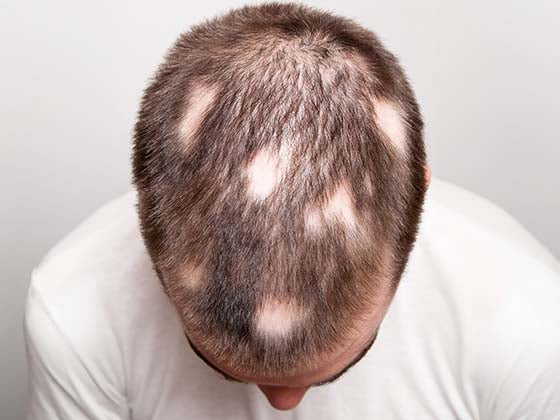
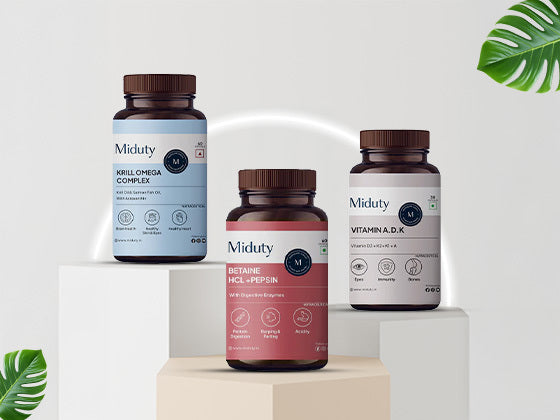


The scalp biome is the unique ecology of microorganisms (bacteria, fungus, etc.) that live on the scalp. A balanced scalp biome is essential for good hair and general scalp health. This blog provides personalized haircare suggestions to support your scalp biome and promote optimal hair health depending on your specific needs.
Understanding Scalp Biomes: Exploring the Microbial World on Your Scalp

Understanding scalp biomes entails investigating the intriguing microbial world that lives on your scalp. The scalp biome is the complex population of microorganisms found on the scalp's surface, including bacteria, fungus, and other microbes. This blog takes a closer look at the scalp biome and its importance in scalp health and hair maintenance.
The Science of Scalp Biomes: How Microorganisms Impact Hair Health

Understanding the science of scalp biomes emphasizes the need to keep the scalp's microbial ecosystem balanced for optimal hair health and maintenance. Scalp-friendly techniques and products that support a healthy scalp biome can help you foster healthy, vibrant hair and scalp. Pay attention to your scalp's needs and endeavor to create a healthy scalp environment that promotes general hair health and well-being.
Dispelling Myths: Common Misconceptions About Scalp Microbiomes

Dispelling myths regarding scalp microbiomes is essential to understanding the role of bacteria in scalp health and hair care. Here are some prevalent misconceptions concerning scalp microbiomes, coupled with answers to clear things up:
-
Myth 1: All Microbes on the Scalp are Harmful.
-
Reality: The scalp has a complex variety of microorganisms, including beneficial bacteria and fungus, which play an important role in scalp health. Not all microorganisms are dangerous; in fact, many are beneficial and help to maintain a healthy scalp biome.
-
Myth 2: Washing Hair Frequently Eliminates Scalp Microbes.
-
Reality: While washing hair is necessary for scalp cleanliness, using strong shampoos can disrupt the scalp ecosystem by removing beneficial microorganisms and disrupting the pH balance. Gentle washing is essential for keeping a healthy scalp biome.
-
Myth 3: Scalp Microbes Cause All Scalp Issues.
-
Reality: While variations in the scalp microbiome can contribute to scalp disorders such as dandruff or seborrhoeic dermatitis, microbial factors are not the exclusive source of scalp problems. Genetics, hormonal variables, food, and lifestyle all have a substantial impact on scalp health.
-
Myth 4: Natural Oils Always Benefit the Scalp Microbiome.
-
Reality: While some natural oils, such as coconut oil or tea tree oil, have antibacterial characteristics and can assist the scalp biome, using too much oil or the wrong type of oil for your scalp type might result in clogged pores or worsen scalp problems.
-
Myth 5: Probiotic Hair Products Completely Restore Scalp Biome Imbalances.
-
Reality: Probiotic hair products containing beneficial bacteria can help maintain a healthy scalp biome, but they may not completely correct imbalances caused by underlying causes such as food, stress, or environmental exposure.
-
Myth 6: Only Certain Hair Types Need to Pay Attention to Scalp Health.
-
Reality: Scalp health is essential for everyone, regardless of hair type. Whether you have oily, dry, curly, or straight hair, keeping a healthy scalp biome promotes overall hair health and can help avoid scalp problems.
-
Myth 7: Treating Scalp Issues Requires Harsh Chemicals.
-
Reality: Scalp disorders such as dandruff or itching are generally treated with mild, targeted techniques that promote scalp biome equilibrium. Harsh chemical treatments can further alter the scalp flora, causing additional problems.
-
Myth 8: The Scalp Biome is Static and Unchangeable.
-
Reality: Diet, lifestyle, hygiene practices, and environmental variables all have an impact on the scalp biome, which is always changing. Making positive changes can lead to a healthier scalp biome over time.
-
Myth 9: More Products Equals Better Scalp Health.
-
Reality: Using too many hair care products or switching between them regularly might disrupt the scalp ecosystem, resulting in product buildup or discomfort. It's critical to utilize quality products in moderation and pay attention to how your scalp reacts.
-
Myth 10: Only Dermatologists Can Help with Scalp Issues.
-
Reality: While dermatologists can offer expert guidance and treatment for scalp problems, trichologists, Ayurvedic practitioners, and other hair care specialists can also provide useful insights and solutions for scalp health.
Scalp Biomes vs. Traditional Hair Care: Embracing Personalized Solutions

The investigation of scalp biomes and personalized hair care is exciting, and it signifies a trend toward more individualized approaches to hair and scalp health. Let's examine the differences between scalp biome-focused care and typical hair care procedures.
Scalp Biomes:
-
The scalp biome is the diverse population of microorganisms (bacteria, fungus, etc.) that naturally live on the scalp. These microorganisms are essential for maintaining scalp health because they protect against harmful pathogens and contribute to the general balance of the scalp ecosystem.
-
Each person's scalp biome is unique, and influenced by factors such as genetics, lifestyle, and environment. Understanding this variability is key to developing personalized hair care solutions.
-
Research suggests that disruptions in the scalp biome can lead to issues like dandruff, itchiness, or even hair loss. Therefore, nurturing a healthy scalp biome is essential for maintaining optimal hair health.
Traditional Hair Care:
-
Traditional hair care typically involves using generic products that are not tailored to individual scalp needs. This approach may not address specific scalp biome imbalances or concerns.
-
Many conventional hair care products contain harsh chemicals that can disrupt the scalp biome and strip the scalp of its natural oils, leading to dry scalp or irritation.
-
Traditional methods often focus solely on cosmetic outcomes (like shinier hair or reduced frizz) rather than addressing underlying scalp health issues.
Benefits of Personalized Scalp Biome Care: Nourishing Your Hair from the Roots

Personalized scalp biome care provides a variety of benefits that nourish your hair from the root, resulting in healthier, stronger, and more vivid hair. Balances Scalp pH, supports Healthy Microbial Diversity, reduces Scalp Irritation and Sensitivity, improves Nutrient Absorption, supports Hair Follicle Health, promotes Optimal Hair Growth, reduces Hair Shedding Breakage, improves Hair Texture and Appearance, supports Overall Scalp Health, and provides Tailored Solutions for Individual Needs. By adopting personalized scalp biome care, you may use these advantages to nourish your hair from the roots, supporting optimal hair health, vitality, and attractiveness. Consult with hair care professionals or dermatologists to create a personalized scalp care routine based on your specific scalp type and needs, and then experience the transforming impact on your hair's appearance and overall health.
Radiant Locks: Enhancing Hair Health Through Scalp Biome Optimization

Achieving radiant locks entails improving hair health through scalp biome optimization. The scalp biome, which is made up of a diverse collection of microorganisms, is essential for maintaining scalp health and growing strong, beautiful hair. Here are some tips for optimizing your scalp biome to promote radiant locks: use a gentle cleansing routine, incorporate probiotic hair products, nourish with natural oils and treatments, eat a balanced diet and stay hydrated, manage stress, avoid harsh chemicals and heat styling, exfoliate your scalp regularly, monitor scalp health, seek professional advice, and be patient and consistent. By optimizing your scalp biome with these techniques, you may improve hair health, encourage greater hair growth, and obtain radiant locks that reflect overall scalp well-being.
Transforming Your Tresses: Achieving Hair Vitality with Balanced Flora

Transforming your tresses and reaching hair vitality entails maintaining a healthy scalp flora, which promotes general scalp health and vibrant, gorgeous hair. Here's how you can use the power of balanced scalp flora to boost your hair's vitality: gentle cleansing and maintenance, probiotic hair products, balancing scalp pH, nourishing with natural oils and treatments, maintaining a balanced diet, protecting from environmental stressors, minimizing heat styling and chemical treatments, regular scalp care, stress management, and seeking professional advice. By focusing on these methods to maintain a balanced scalp flora, you can transform your tresses and obtain vibrant, healthy hair that represents ideal scalp health.
Integrating Scalp Biome Care: Tips for Incorporating Personalized Haircare

Integrating scalp biome care into your personalized haircare routine is critical for maintaining scalp health and improving overall hair quality. Here are some practical ways to help you successfully incorporate scalp biome care into your haircare regimen:
-
Understanding Your Scalp Type: Determine whether your scalp is oily, dry, sensitive, or has any specific issues (e.g., dandruff, itching). This insight will help you plan your scalp biome care program.
-
Choose gentle hair products: Choose sulfate-free, pH-balanced shampoos that clean the scalp without removing natural oils or upsetting the scalp biome. Look for hair products that contain natural components such as plant extracts, essential oils, and probiotics to help maintain a healthy scalp biome.
-
Limit Washing Frequency: Limit your washing frequency to 2-3 times per week to avoid overdrying and maintain a healthy scalp environment.
-
Incorporate Scalp Massages: Regularly massage your scalp with nourishing oils (e.g., coconut oil, argan oil) to improve circulation, stimulate hair follicles, and support scalp biome health.
-
Use Probiotic Hair Products: Integrate hair care products containing probiotics to promote a balanced scalp biome and support beneficial microorganisms.
-
Balance Scalp pH: Choose hair care products that maintain the scalp's natural acidity (pH level around 4.5-5.5) to support a healthy scalp biome.
-
Gentle Scalp Exfoliation: Occasionally exfoliate the scalp to remove buildup and dead skin cells, promoting a clean and balanced scalp environment.
-
Maintain a Balanced Diet: Consume foods rich in vitamins (e.g., A, C, E), minerals (e.g., zinc, iron), and omega-3 fatty acids to nourish the scalp and support hair growth.
-
Protect from Environmental Factors: Protect your hair and scalp from excessive sunlight, pollution, and harsh weather conditions by wearing hats or using protective hair products.
-
Monitor Scalp Health: Be mindful of any changes in scalp condition (e.g., itching, flaking, irritation) and adjust your haircare routine accordingly.
-
Stress Management: Engage in stress-relief activities such as yoga, meditation, or deep breathing exercises to reduce stress levels, which can impact scalp health.
-
Consult with Professionals: If you have recurrent scalp difficulties or are concerned about your scalp's health, see a dermatologist or trichologist for personalized advice and treatments.
Professional vs. DIY Scalp Biome Care: Making Informed Choices

When it comes to scalp biome care, you may pick between expert treatments and DIY (do-it-yourself) methods. Both systems have their advantages and disadvantages. To make an informed decision between expert scalp biome care and DIY approaches, you must first grasp the distinctions and determine which is best for you. Here is a comparison to help you decide:
Professional Scalp Biome Care:
-
Expertise and guidance, personalized treatment plans, advanced treatments, and monitoring and follow-up are some of the benefits.
-
Considerations include cost, time commitment, and accessibility.
DIY Scalp Biome Care:
-
Benefits include convenience, affordability, control and flexibility, and ongoing maintenance.
-
Considerations include knowledge and education, effectiveness, and the risk of overuse or misuse.
DIY Scalp Biome Tips: Nurturing Your Hair Microbiota at Home

Nurturing your hair microbiome at home with DIY scalp biome care is an excellent approach to promoting scalp health and encouraging optimal hair development. Here are some useful DIY scalp biome ideas for nurturing your hair microbiota at home:
-
Gentle Cleansing: Choose gentle, sulfate-free shampoos to cleanse your scalp without removing natural oils or upsetting the scalp microbiota. After shampooing, apply a diluted apple cider vinegar rinse (1 part vinegar, 2 parts water) to help restore scalp pH and discourage the growth of dangerous microorganisms.
-
Scalp Massages: Regularly massage your scalp with nutritious oils like coconut oil, argan oil, or jojoba oil. Massage boosts circulation, distributes natural oils, and promotes a healthy scalp biome.
-
Probiotic Hair Masks: Make a DIY hair mask using plain yoghurt and honey. Yoghurt includes probiotics that help improve scalp health, and honey has hydrating and antibacterial effects.
-
Essential Oils: Add a few drops of tea tree oil to your shampoo or carrier oil to help combat dandruff and promote a healthy scalp environment. Lavender oil has soothing properties and can help reduce scalp inflammation and irritation.
-
Scalp Exfoliation: Mix fine sugar or salt with a carrier oil (e.g., coconut oil) to create a gentle scalp scrub. Use this scrub once a month to remove buildup and dead skin cells, promoting a clean scalp environment.
-
Balanced Diet: Consume a balanced diet rich in vitamins, minerals, and antioxidants to support overall scalp health and nourish the scalp microbiota from within.
-
Stress Reduction: Engage in stress-relief activities such as yoga, meditation, or deep breathing exercises. Chronic stress can negatively impact scalp health and the microbiota.
-
Hydration: Stay hydrated throughout the day to maintain optimal scalp hydration and support a healthy scalp environment.
-
Avoid Harsh Chemicals: Opt for natural and chemical-free hair care products to minimize exposure to harsh ingredients that can disrupt the scalp microbiota.
-
Monitor Scalp Health: Be aware of any changes in scalp condition, such as itching, peeling, or irritation. Adjust your DIY scalp care routine as needed based on how your scalp reacts.
Prioritizing Safety: Considerations for Successful Scalp Biome Care Practices

When it comes to effective scalp biome care procedures, safety must always come first. While maintaining your scalp microbiota can increase scalp health and improve hair quality, there are some safety precautions you should take to minimize potential hazards or side effects. Here are some important considerations for safely implementing scalp biome care practices: patch testing, using gentle products, avoiding over-washing, diluting essential oils, monitoring scalp reactions, gentle scalp massage, maintaining hygiene, staying hydrated, protecting from environmental factors, consulting professionals, and avoiding DIY remedies with unknown risks. By putting safety first in your scalp biome care practices, you may efficiently feed your scalp microbiome while reducing the chance of unwanted responses or scalp disorders. Pay attention to your scalp's demands, be cautious of product ingredients, and seek professional help if you have specific scalp concerns or conditions. Implementing safe scalp care methods is critical for preserving scalp health and achieving ideal hair quality.
Beyond Hair Health: Personalized Recommendations for Your Scalp

When it comes to scalp health, it's critical to make personalized recommendations that go beyond hair care. A healthy scalp is essential for proper hair development and overall well-being. Some personalized advice for improving scalp health includes identifying your scalp type, gentle cleansing, scalp massage, a balanced diet, hydration, avoiding over-styling, managing stress, consulting a dermatologist, using scalp serums or treatments, and protecting from the sun and pollution. By following these personalized guidelines and paying attention to your scalp's demands, you may create a healthier scalp environment, resulting in stronger, more beautiful hair.
Real Stories: Successes in Restoring Scalp Biomes for Healthy Hair

These success stories demonstrate the value of personalized scalp care and the considerable impact of restoring scalp biomes on hair health. Individuals can enhance their hair quality and overall well-being by treating underlying scalp concerns and cultivating a healthy scalp environment through gentle care, dietary changes, and specialized therapies. Consulting with dermatologists or scalp specialists can provide personalized treatments based on individual needs and concerns, resulting in successful scalp biome restoration for healthy hair.
Elevating Your Haircare Routine: Makeup and Styling Tips for Vibrant Hair

Enhancing your haircare routine entails more than simply using the proper products; makeup and style techniques can also play an important role in increasing the vitality of your hair. Here are some suggestions for creating vivid, healthy-looking hair with cosmetics and styling:
Makeup Tips:
-
The colors you use on your face can increase the brilliance of your hair. For example, if you have warm-toned hair (such as red or golden blonde), choose cosmetics shades with peachy or golden undertones to achieve a cohesive effect. Cooler-toned hair (such as ash blonde or black) looks well with cool makeup colors like mauve or taupe.
-
Use makeup techniques to highlight your hair. Highlighting the inner corners of your eyes, cheekbones, and brow bones can brighten your appearance and match your hair color.
-
Try different lip colors to find which one best suits your hair. Deep reds, for example, can look stunning on brown hair, but coral or peach colors can offer a fresh appearance to blonde hair.
-
Choose foundation and blush shades that complement your skin tone, as this can indirectly affect how your hair color stands out.
Styling Tips:
-
Always use a heat protectant spray or cream before using heated styling products such as curling irons or straighteners. This helps to prevent damage and keeps your hair looking bright and healthy.
-
Adding volume to your hair can help it look more bright and dynamic. To lift and give your hair body, apply volumizing mousse or dry shampoo to the roots before styling.
-
Experiment with different hairstyles and textures to bring out your hair's inherent brilliance. Beachy waves, for example, can look great with sun-kissed highlights, while sleek styles can accentuate striking hair colors.
-
Hair accessories such as headbands, clips, and scarves can add interest and originality to your hairdo. Select accessories that match your hair color and suit without overwhelming them.
-
Keep your hair healthy and vibrant by scheduling regular trims to prevent split ends and maintain shape and volume.
-
Dry shampoo is not only useful for removing oil; it may also add texture and volume to your hair, making it appear fuller and more vivid.
-
Try using colorful scrunchies, ribbons, or hairpins to add pops of color to your hairstyle.
By adding these makeup and styling suggestions to your haircare routine, you may improve your appearance and make your hair look more bright and healthy. Experiment with various ways to see what works best for your hair type and color, and don't be afraid to have fun and express yourself with your hair and cosmetics!