Sunburnt Strands No More: Summer Hair Masks That Actually Work
Doctor's Desk
Author
23 Jul, 2025
Summer's UV radiation, saltwater, chlorine, and sweat can cause your hair to become dry, brittle, and fade. What's the fix? A very hydrating, reparative hair mask more than simply a glorified conditioner. In this article, we'll look into summer hair masks that genuinely perform, based on expert recommendations and notable ingredients.
Why Summer Wrecks Your Hair in the First Place
The sun-kissed glow may look fantastic on your skin, but what about your hair? Not very much. Here's why summer can cause your hair to get dry, dull, and damaged quickly.
-
UV rays degrade hair proteins: UV radiation affects hair in the same way that it does your skin. Prolonged sun exposure degrades keratin, the substance that gives hair its structure. This causes weakening strands, lost color, and brittleness, particularly if your hair is fine or light-colored.
-
Saltwater strips moisture: Saltwater depletes moisture, thus beach days result in dried strands. Saltwater drains moisture from your hair, leaving it dry, harsh, and difficult to manage. It can also open the cuticle, leaving your hair more porous and susceptible to tangling and breakage.
-
Chlorine damages hair health: Pool chlorine is harmful to your hair. It removes natural oils, degrades color, and can even cause a green tinge in light or blonde hair. Repeated exposure leaves strands brittle and porous, similar to over-bleached hair.
-
Heat + humidity = frizz and weakness: Heat with humidity equals frizz and frailty. Summer air can damage your style and strand strength. High humidity causes the cuticle to expand and frizz, while sweat and heat promote scalp imbalance, leaving roots greasy and ends dry.
-
Color-treated hair is especially vulnerable: If your hair has been colored, lightened, or chemically treated, it is already more porous and delicate, and summer factors exacerbate fading, brassiness, and dryness.
The Role of UV, Salt, and Chlorine
Summer hair problems are not an accident; they are caused by a combination of harsh elements: UV radiation, sea, and chlorine. Understanding how each affects your hair allows you to protect it more effectively.
-
UV Rays: UV light penetrates the hair shaft and degrades keratin proteins, which offer strength and flexibility. This degeneration results in weaker, brittle strands that are prone to breaking and splitting ends. UV radiation also diminishes hair color, particularly in dyed or light hair, resulting in dullness and brassiness. Additionally, UV rays can dry out the scalp, causing irritation or flakiness.
-
Saltwater: Salt in seawater acts as a desiccant, removing moisture from the hair strands. This makes hair dry, harsh, and porous, leaving it more susceptible to tangling and damage. The cuticle layer (hair's protective outer coating) is lifted, resulting in frizz and dullness. Salt residue can accumulate on hair, weighting it down and making it appear lifeless.
-
Chlorine: It is used in pools to fight bugs, but it is harmful to hair proteins and natural oils. It depletes hair of moisture and protective oils, leaving it dry, brittle, and straw-like in texture. Chlorine can give light or chemically treated hair a greenish tinge as a result of a chemical interaction with copper and metals in water. Frequent exposure weakens the hair cuticle, making it more vulnerable and causing color fading.
Signs Your Hair Is Sun-Damaged
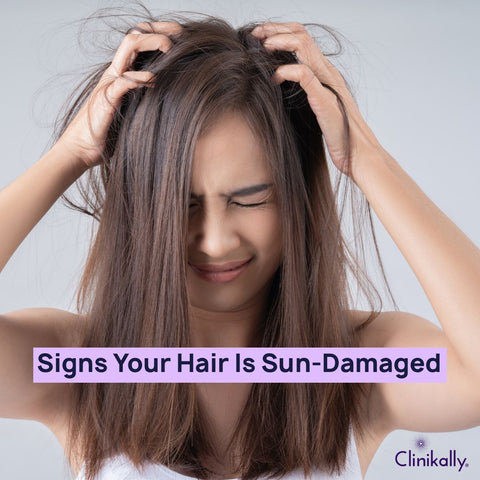
Sun damage can creep up on your strands, but these telltale indications will help you detect it early and take action before it worsens. Some signs of sun damage to hair include dry, brittle texture, faded or brassy color, increased frizz and flyaways, split ends and breaking, tangling and matting, and a dry or itchy scalp.
Why Ordinary Conditioners Aren’t Enough
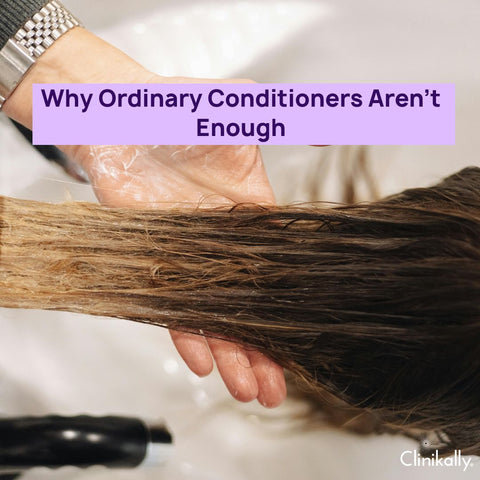
After a long day in the sun, saltwater, or pool, your hair requires more than just a fast rinse and some basic conditioner. Here's why your average conditioner frequently falls short, especially during or after summer exposure:
-
Surface-level moisture vs. deep repair: Ordinary conditioners coat the hair's surface and temporarily smooth the cuticle. They provide temporary softness and luster, but do not go deep enough to treat internal damage. Sun, salt, and chlorine promote protein breakdown and moisture loss deep into the hair shaft, which standard conditioners cannot address.
-
Damage requires targeted ingredients: Keratin, amino acids, and bond builders are essential for restoring damaged or scorched hair. These chemicals repair broken links and restore suppleness, which ordinary conditioners typically lack. Hydrating agents in deep masks (such as shea butter, oils, and humectants) are more concentrated and effective than in regular conditioners.
-
Longer contact time is essential: Conditioners are typically rinsed off quickly (1–3 minutes), limiting their ability to deeply nourish. Hair masks and treatments sit on the hair longer (10–30 minutes), allowing ingredients to penetrate and repair effectively.
-
Build-Up: Some common conditioners contain silicones, which temporarily smooth hair but also promote buildup, preventing moisture from entering. Overreliance on basic conditioners might hide issues without addressing the main cause.
Top Hair Mask Ingredients for Summer Repair
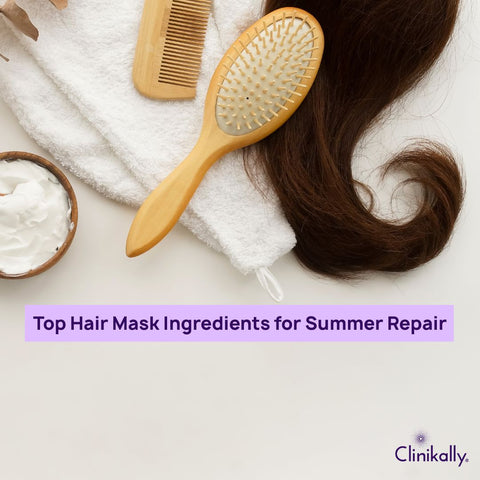
After all of that sun, salt, and chlorine, your hair requires powerful nutrients that hydrate, mend, and protect. Here are the top must-have ingredients for summer hair masks:
-
Coconut oil: Highly moisturizing and penetrates the hair shaft, helps minimize protein loss, and adds softness; perfect for dry, brittle hair that needs nourishment.
-
Avocado oil: Rich in vitamins A, D, and E for scalp and strand health, it nourishes and heals damaged cuticles and is excellent for restoring elasticity and luster.
-
Shea butter: Shea butter provides high hydration and seals in moisture, protects hair from environmental stressors, and is ideal for thick, coarse, or curly hair types.
-
Aloe Vera: Soothes and relieves irritation, moisturizes without weighing down hair, and is perfect for sensitive or burnt scalps.
-
Keratin and amino acids: Rebuilds broken hair links, strengthens strands, increases suppleness, and minimizes breakage; necessary for chemically treated or weaker hair.
-
Argan Oil: Rich in antioxidants and fatty acids, moisturizes and adds shine without greasiness, helps manage frizz, and smoothes cuticles.
-
Panthenol (Vitamin B5): It moisturizes and enhances hair texture, adds volume and shine, promotes hair elasticity, and decreases split ends.
What to Look for in a Post-Sun Treatment
After long days in the sun, your hair requires more than just a rinse and go. A post-sun treatment should aim to repair damage, rehydrate strands, and prepare hair to confront the environment again. Here's what you should look for:
-
Deep-hydration ingredients: Look for aloe vera (which soothes and moisturizes the scalp), glycerin, or hyaluronic acid. - Attract moisture to dry strands using shea butter, avocado oil, or coconut oil. Lock in moisture and smooth rough textures. Sun exposure depletes your hair's natural moisture barrier, but these chemicals can help restore softness and luster.
-
Protein or bond builders: Protein or bond builders include keratin, silk proteins, collagen, and amino acids. Ingredients used to repair bonds include bis-aminopropyl diglycol dimaleate. UV radiation and chlorine degrade the internal structure of your hair. These substances help to recover strength and avoid breaking.
-
Color-protecting antioxidants: Color-protective antioxidants include vitamin E, green tea, and sunflower extract. UV filters help to prevent fading and oxidation. The sun bleaches color-treated hair and creates brassiness; antioxidants protect pigments and combat free radicals.
-
Scalp-soothing agents: Scalp-soothing ingredients include aloe, witch hazel, and chamomile extract. Lightweight formulations that reduce redness and irritation. The scalp can also get burnt! A relaxed scalp encourages healthy hair development.
-
Lightweight, leave-in formulas (optional): Lightweight, leave-in formulae are optional. Excellent for long-term protection and moisture retention without the need to rinse. Suitable for beach bags, travel, and daily touch-ups. Choose sprays or lotions that provide UV and heat protection in one.
Natural Oils, Proteins, and Botanical Extracts
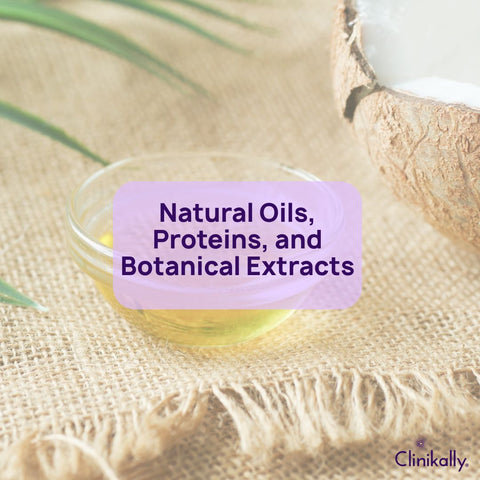
Sun, salt, and chlorine can make hair drab, dry, and brittle. What's the solution? Hair treatments with natural oils, strong proteins, and calming plant extracts are the ideal combination for revitalizing summer-stressed hair.
-
Natural Oils (deep moisture + protection): Natural oils penetrate the hair shaft, replenish depleted lipids, and lock in moisture. Top oils to look coconut oil (reduces protein loss; deeply conditions), argan oil (rich in antioxidants; tames frizz and adds shine), avocado oil (high in vitamins A, D, and E; strengthens and hydrates), jojoba oil (mimics the scalp's natural sebum; balances and smoothes), and olive oil (great for thick, dry, or coarse hair; helps prevent breakage). Dry, brittle, or sun-exposed strands require softening and gloss.
-
Proteins (strength + structure reconstruction): Proteins heal and strengthen UV and chemical-damaged hair by rebuilding its internal structure. Key proteins to look for include keratin (which restores elasticity and smoothness), silk protein (which adds shine and softness), hydrolyzed wheat or rice protein (which strengthens and minimizes breaking), and collagen. Chemically treated, color-damaged, or weakened hair requires strength and bounce.
-
Botanical extracts (scalp soothing and repair support): Botanical extracts contain antioxidants, anti-inflammatory compounds, and nutrients that promote general hair and scalp health. Beneficial Botanicals Include aloe vera (calms burnt scalps; hydrates and encourages healing), green tea (protects against UV and oxidative damage), chamomile (soothes irritation; improves softness), rosemary (stimulates circulation; promotes hair development), and calendula. Sensitive scalps, sunburn treatment, and overall hair health.
Avoid These Drying Agents in Hot Weather
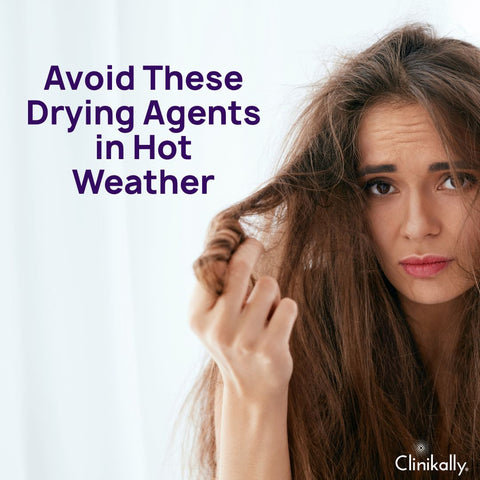
Summer already depletes your hair's moisture; don't make it worse with products containing these typical drying agents. Here's what to look out for on ingredient labels: alcohols (especially "bad" ones), sulfates, synthetic perfumes, high-silicone formulations, mineral oil, and petrolatum.
Editor-Approved Summer Hair Masks That Deliver
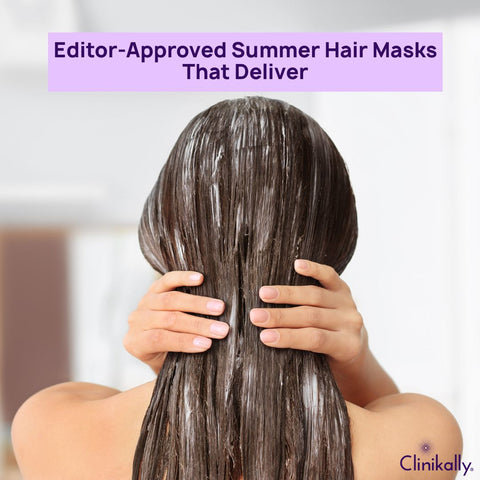
Apply once or twice a week after sun exposure, and always follow with a UV protectant or leave-in cream to seal in moisture and protect hair from further damage.
Lightweight Masks for Daily Use
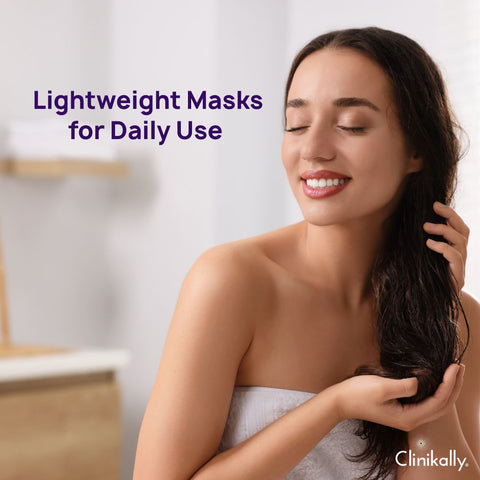
Daily-use masks are perfect for after swimming, going to the beach, or working out. Apply from mid-lengths to ends and leave on for 3-5 minutes to replenish moisture.
Deep Conditioners for Weekly Repair
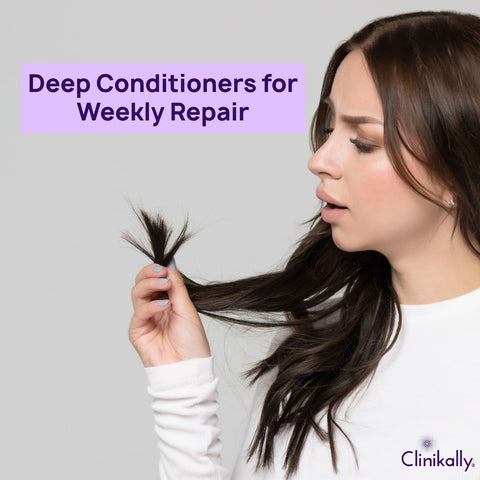
Stronger strands in 20 minutes or less. These masks deliver intense hydration, strengthen weakened hair, and help reverse UV, chlorine, and heat damage, making them great for a weekly refresh.
Leave-In vs Rinse-Off: What Works Best?
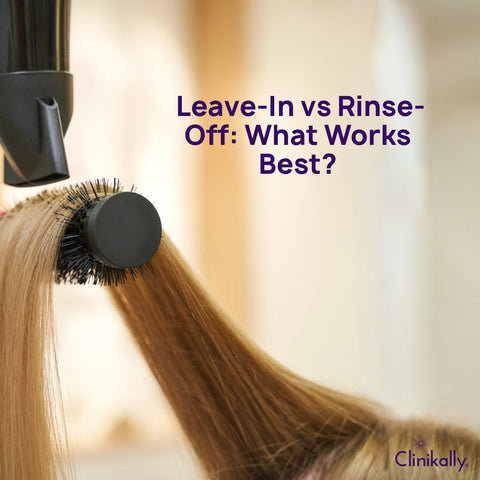
Both leave-in and rinse-off conditioners or masks can help hydrate and repair your hair, but understanding when and how to apply them makes all the difference.
-
Rinse-off masks and conditioners: Rinse-off masks and conditioners are ideal for deep hydration, weekly repairs, and shower detangling. Applied to damp hair, left on for 3-30 minutes, then rinsed, moisture and nutrients penetrate the hair cuticle and are frequently more concentrated (particularly masks). Ideal for intense restoration after exposure to the sun, salt, or chlorine, reversing dryness or breakage, and thicker hair that can handle rich compositions. Use once or twice each week, or after a long day in the sun.
-
Leave-in conditioners and treatments: Best Daily moisturizing, heat/UV protection, and frizz control. Applied to damp (or dry) hair after a wash. Stay on your hair for continued benefits. Formulas are typically lighter and faster to absorb. Ideal for everyday hydration and detangling, delicate or fragile hair that cannot withstand heavy masks, and preparing hair for sun, heat, or styling. Choose a lightweight composition to prevent buildup, especially on fine or greasy hair.
Final Take: The Smart Way to Rescue Sun-Damaged Hair
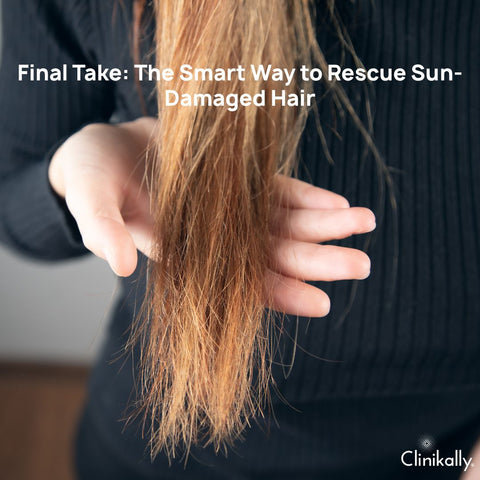
Sun, salt, and chlorine can make your hair dry, dull, and brittle, but a smart, consistent program can restore it to life. Here's how to care, protect, and restore your strands like an expert:
-
Start with a reset: Use a clarifying shampoo once a week to get rid of product, chlorine, and salty residue. This permits therapies to be more effective.
-
Repair with a weekly thorough treatment: Choose a protein-rich or bond-building mask to address compromised hair structure. Use it once a week after a long day in the sun or when swimming.
-
Hydrate every day with lightweight leave-ins: A leave-in conditioner softens hair, prevents breakage, and protects against UV radiation between washes. Look for components like as aloe, argan oil, or hyaluronic acid, and make sure it has UV protection.
-
Trim the damage: If your ends are split or straw-like, a trim will help. Even a half-inch cut can make hair appear and feel much healthier.
-
Reduce heat and mechanical stress: While your hair is mending, avoid frequent brushing, tight hairstyles, and heat styling. Allow it to air dry if feasible, and use a heat protector if styling is required.
-
Protect what you've repaired: When exposed to direct sunlight, wear a hat or scarf. Rinse your hair with fresh water before and after swimming. Use leave-in SPF sprays to protect your hair and scalp.