Sweet Almond Oil: Why It’s Beneficial for Your Skin
Doctor's Desk
Author
19 Dec, 2025
Sweet almond oil is superior to bitter almond oil in terms of skin benefits. It is high in nutrients and has anti-inflammatory properties. However, if you are not already aware of your allergy to almonds, perform a little patch test before applying it thoroughly. Almonds are more than simply a snack or ingredient in trail mix. This nutty oil may also assist your skin in several ways. For ages, ancient Chinese and Ayurvedic techniques used almond oil to soothe and soften the skin, as well as to cure small wounds and cuts. Almond oil is now widely used in cosmetics and cosmetic products. In this post, we will look at the benefits of almond oil and how to apply it to your skin.
Composition & Nutritional Profile of Sweet Almond Oil
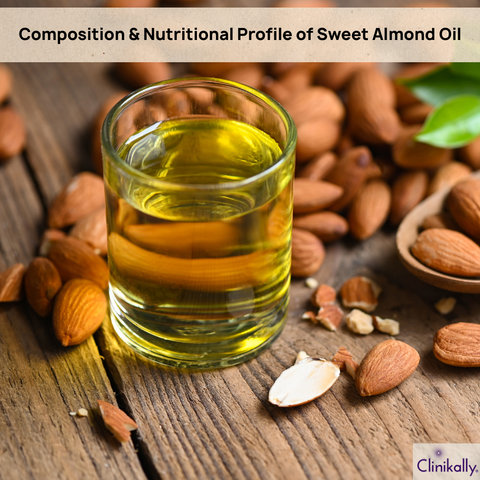
Sweet almond oil is mostly made up of monounsaturated fatty acids, with oleic acid (65-75%) being the most prevalent. It also includes high levels of polyunsaturated fatty acids, primarily linoleic acid, as well as low levels of saturated fatty acids such as palmitic and stearic acids. The oil contains high levels of vitamin E, phytosterols, and phenolic compounds, which contribute to its antioxidant qualities.
Fatty acid composition:
The oil is predominantly composed of triglycerides, with fatty acids being its main constituents:
-
Oleic acid (Omega-9, ~62-80%) improves moisture retention, permeability, and nutrient absorption.
-
Linoleic acid (Omega-6, ~12-30%) helps build the skin barrier, reduce water loss, and reduce irritation.
-
Palmitic acid (~5-8%) improves smoothness and creates a protective layer.
-
Stearic Acid (~1-3%) enhances emollience and stability in formulation.
Sweet almond oil's mixture of monounsaturated and polyunsaturated lipids makes it efficient while remaining lightweight, making it suitable for both dry and combination skin.
Other Notable Components:
Sweet almond oil contains vitamin E, one of the most powerful lipid-soluble antioxidants, which helps neutralize free radicals, protect against UV damage, and slow the appearance of aging. It also contains vitamin A, which promotes cell turnover, and trace levels of B vitamins (B1, B2, and B6), which aid in repair and regeneration. Additionally, phytosterols reduce inflammation and boost skin resiliency.
Nutritional Value:
-
According to a medical journal, sweet almond oil contains a lot of healthy fats, which can help with your lipid profile and potentially lower your risk of developing cardiovascular disease.
-
It contains plenty of vitamin E, a fat-soluble vitamin with antioxidant properties that can help protect the skin from damage.
-
The oil also contains phytosterols, which may help reduce cholesterol levels.
Fatty Acid Breakdown: Oleic, Linoleic, and Palmitic Acids
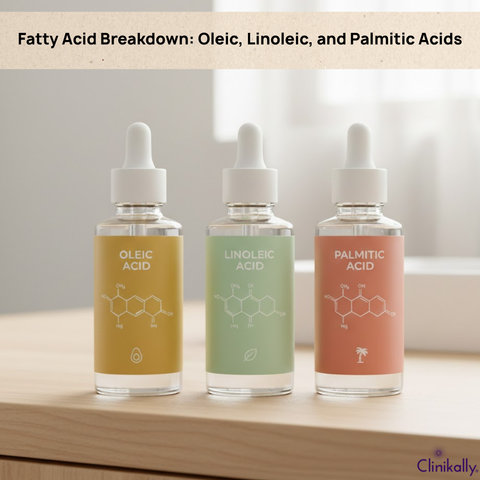
Oleic, linoleic, and palmitic acids are all fatty acids, although they have different structures and characteristics. Oleic acid is a monounsaturated fatty acid, while linoleic acid is a polyunsaturated fatty acid. Palmitic acid is a saturated fatty acid. These fatty acids are broken down via beta-oxidation in the mitochondrial matrix, resulting in acetyl-CoA, which can subsequently join the citric acid cycle. The fatty acid profile of sweet almond oil is shown below, with approximate ranges based on cosmetic-grade cold-pressed oil analyses:
-
Oleic Acid (Omega-9): Range approximately 62-86%. Role in skin care: highly penetrative emollient—softens and smoothes skin. Improves the permeability of the stratum corneum, allowing actives to permeate more effectively. Strengthens skin barrier lipids, resulting in long-lasting moisture. It may feel slightly richer, making it excellent for dry or mature skin.
-
Linoleic Acid (Omega-6): Range approximately 20-30%. Roles in skin care are essential for ceramide synthesis and maintaining a healthy skin barrier. Reduces transepidermal water loss. Anti-inflammatory—helps to relieve acne, redness, and irritation. Promotes skin repair, particularly in eczema-prone or damaged skin.
-
Palmitic acid (saturated fatty acid): Range approximately 5-8%. Role in skin care Sebum is normally present in the skin; it strengthens the lipid layer. Adds thickness and a protective layer to help prevent moisture loss. Improves softness and smooth texture without being excessively occlusive.
Vitamin E, Phytosterols, and Trace Minerals Explained
Sweet almond oil (Prunus amygdalus dulcis) is a nutrient-dense carrier oil known for its skin-nourishing properties. The fatty acid mix, which includes oleic acid (~62-86%), linoleic acid (~20-30%), and palmitic acid (~5-8%), promotes deep moisturization, barrier repair, and suppleness. Oleic acid penetrates deeply, replenishing lipids and increasing active absorption, whereas linoleic acid promotes ceramide production, lowers transepidermal water loss, and soothes inflammation. Palmitic acid strengthens the skin's protective barrier. A detailed examination of Vitamin E, phytosterols, and trace minerals in Sweet Almond Oil and how they benefit the skin:
-
Vitamin E (Tocopherols): Vitamin E content is approximately 39-45 mg/100 g, with α-tocopherol being the primary component. In skin care, antioxidant shields neutralize free radicals from UV, pollution, and oxidative stress. Barrier support shields polyunsaturated fatty acids in skin cell membranes from lipid peroxidation. Healing aids promote tissue restoration and may enhance the look of scars and stretch marks. Moisture retention strengthens the lipid barrier, which reduces transepidermal water loss (TEWL).
-
Phytosterols: Key phytosterols include β-sitosterol, campesterol, and stigmasterol. Anti-inflammatory properties in skin care aid in reducing redness, itching, and irritation. Barrier repair mimics cholesterol in the skin, thereby restoring barrier integrity. Wound healing may hasten epithelial restoration in cases of modest skin injury. Moisturizing synergy combines fatty acids to improve hydration.
-
Trace minerals: Zinc promotes wound healing, regulates oil production, and has mild antibacterial properties. Magnesium contributes to enzymatic skin healing and may help reduce inflammation. Potassium promotes optimal moisture balance in skin cells. Calcium has a significant role in epidermal barrier differentiation and cell turnover.
Cold-Pressed vs. Refined: Does Processing Matter?
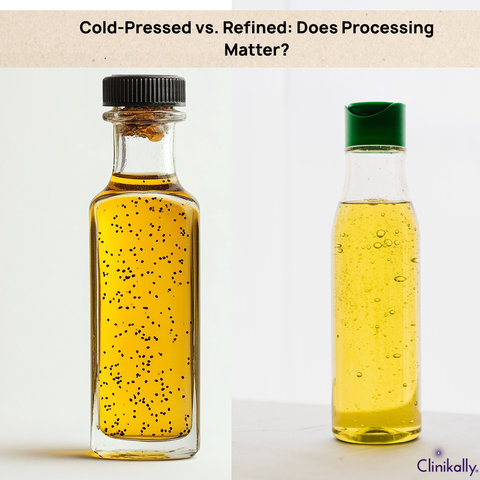
Yes, processing has a considerable impact on sweet almond oil, with cold-pressed and refined variants having differing properties. Cold-pressed almond oil preserves more of its natural elements, such as vitamin E and antioxidants, due to its little processing. Refined almond oil, on the other hand, is subjected to heat and chemical procedures that lower its nutritional content while resulting in a longer shelf life and neutral flavor. Here is a more detailed comparison.
-
Cold-pressed (unrefined) sweet almond oil: Mechanical pressing without high heat or harsh chemicals. Color and aroma are pale golden with a mild nutty scent. Nutrient profile, which includes higher levels of vitamin E and other heat-sensitive antioxidants. Retains more phytosterols and minor lipophilic compounds. The fatty acid profile remains intact. Skin benefits from more potent antioxidant protection, stronger barrier-repair action, and richer emollience. Drawbacks are a shorter shelf life (~6–12 months) and the natural scent, which may be noticeable in formulations.
-
Refined sweet almond oil: Processed using heat and sometimes solvents, followed by bleaching and deodorizing. The result is a clear to pale yellow oil that is virtually odorless. While the fatty acids are largely preserved, the nutrient profile shows some loss of vitamin E and phytosterols due to heat exposure. Regarding skin benefits, it remains highly moisturizing and barrier-repairing, though its antioxidant and anti-inflammatory effects may be reduced. It offers a longer shelf life (~1–2 years), greater stability, and a neutral scent ideal for sensitive formulations.
Evidence-Backed Skin Benefits You Need to Know
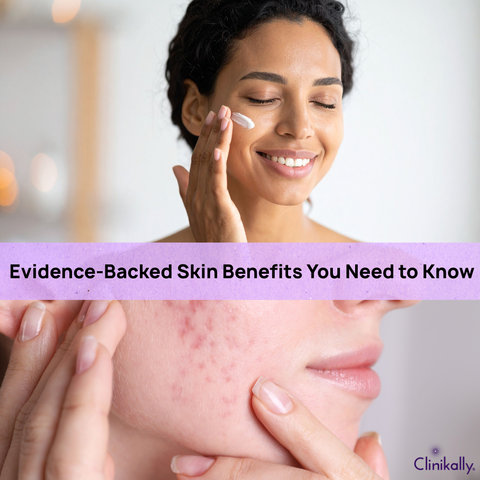
Sweet almond oil has been used in traditional medicine for generations, and modern research is now verifying many of its skincare advantages. The science-backed breakdown of sweet almond oil's skin benefits, including key evidence sources where available:
-
Deep moisturization and barrier repair: Research indicates that oleic- and linoleic-rich oils increase skin hydration by replacing intercellular lipids and lowering transepidermal water loss (TEWL). The benefits include softening skin, smoothing roughness, and strengthening barrier resilience—particularly for dry or damaged skin.
-
Anti-inflammatory and calming properties: Phytosterols and linoleic acid suppress inflammatory mediators, thereby alleviating mild dermatitis, irritation, and post-sun redness. Benefits include calming irritated skin and increasing comfort.
-
Antioxidant protection: Almond oil contains α-tocopherol (vitamin E), which neutralizes free radicals caused by UV exposure and protects collagen and lipids from oxidative damage. Benefits include reduced obvious symptoms of aging and improved overall skin health.
-
Support for scar and stretch mark management: Controlled experiments demonstrate that almond oil massage can enhance skin suppleness and reduce itching during pregnancy while also potentially reducing stretch mark severity. Benefits include increased suppleness and improved tissue healing.
-
Gentle cleansing ability: The non-polar lipids in almond oil remove sebum and oil-based pollutants without affecting the skin's pH or barrier. Benefits include excellent makeup removal and double cleansing without stiffness.
Deep Hydration and Barrier Reinforcement
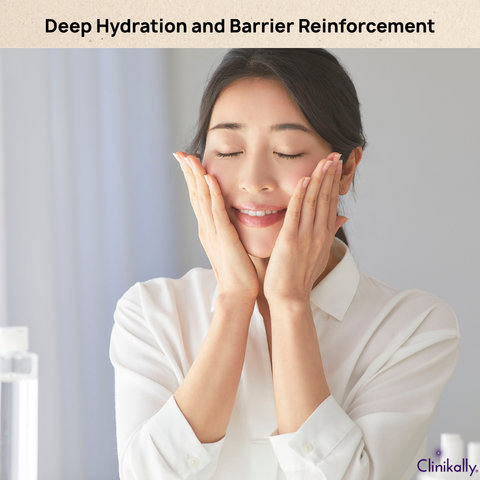
Healthy skin is mostly dependent on two interconnected factors: moisture and a robust barrier. Without enough water retention, skin becomes dry, flaky, and irritated. Similarly, a weaker skin barrier allows moisture to leave more quickly, making the skin more sensitive to environmental aggressors. Sweet almond oil, a time-tested natural extract, treats both issues. It is high in fatty acids, vitamins, and antioxidants, making it a natural way to keep your skin hydrated while also reinforcing its protective barrier.
-
Hydration booster: One of sweet almond oil's major advantages is its ability to provide deep hydration. Its high oleic acid (Omega-9) concentration allows it to be quickly absorbed into the skin, delivering nutrients and replenishing moisture from inside. Meanwhile, linoleic acid (Omega-6) helps to seal in water by strengthening the skin's lipid layer. Together, these fatty acids minimize transepidermal water loss (TEWL), keeping the skin plump, supple, and pleasant.
-
Research backs up this emollient activity: Clinical studies have shown that sweet almond oil improves skin hydration and smoothness within days of use, making it especially beneficial for persons who have dry, rough, or flaky skin. Its lightweight structure also allows it to hydrate without clogging pores, providing balanced care for all skin types.
-
Barrier reinforcement and repair: It strengthens and repairs the skin's barrier in addition to hydrating it. Its fatty acid profile closely resembles the natural lipids of the stratum corneum, restoring what may have been lost owing to age or environmental stress. By strengthening this protective layer, the oil improves resilience, allowing skin to resist irritants and allergens more effectively. Furthermore, its antioxidant-rich content (particularly vitamin E) protects against oxidative stress and environmental damage. UV radiation, pollution, and pollutants all produce free radicals, which can damage the barrier and breakdown vital skin proteins. Vitamin E neutralizes free radicals, keeping the barrier robust and functioning.
-
Soothing and protecting action: It has anti-inflammatory characteristics that reduce inflammation and redness. Individuals with eczema or dermatitis frequently experience increased sensitivity as a result of reduced barriers. Regular use of almond oil has been demonstrated to alleviate itching, irritation, and scaling while maintaining barrier integrity. Its combined action of relaxing and strengthening makes it ideal for delicate or reactive skin.
-
Integration: Sweet almond oil can be used alone as a face or body oil, or mixed with moisturizers, serums, and balms. Its versatility allows it to be used as both a daily moisturizer and a protective shield. Layered after cleansing, it helps to seal in hydration while regular usage strengthens the barrier over time.
Calming Inflammation and Reducing Irritation
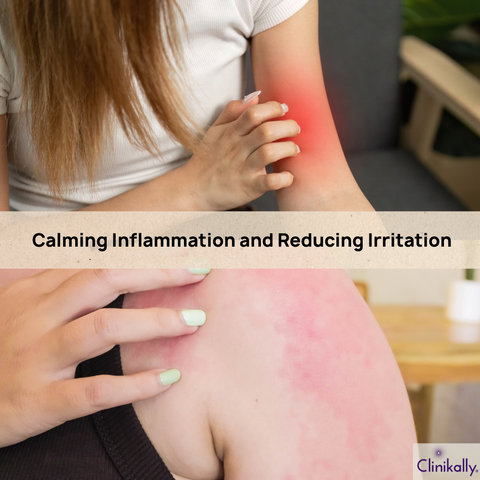
Skin irritation and inflammation are widespread issues in today's fast-paced world, caused by pollution, harsh weather, overuse of skincare products, and underlying disorders such as eczema and dermatitis. Left untreated, inflammation can cause redness, pain, and a compromised skin barrier. Sweet almond oil, a natural cure based on centuries of traditional medicine, has received current scientific acknowledgment for its capacity to soothe irritation, reduce inflammation, and restore comfort to sensitive skin.
-
Anti-inflammatory power: It includes a high concentration of linoleic acid (Omega-6 fatty acid) and phytosterols, both of which have well-documented anti-inflammatory properties. These substances inhibit the release of pro-inflammatory mediators in the skin, which helps to alleviate redness and swelling. Sweet almond oil targets the fundamental causes of inflammation by calming irritation at the cellular level, rather than simply concealing the symptoms.
-
Soothing irritated and sensitive skin: It soothes inflamed and sensitive skin due to its lightweight, non-irritating texture, making it suitable even for delicate skin types. It has been found in studies to alleviate discomfort in illnesses such as eczema, psoriasis, and dermatitis, where the skin barrier is impaired. Its emollient qualities soften rough spots and relieve itching and flaking. Almond oil soothes hypersensitive skin without causing more aggravation.
-
Barrier restoration and protection: Inflammation frequently occurs in conjunction with a compromised barrier, making the skin more susceptible to irritants. Sweet almond oil helps the barrier function by providing necessary fatty acids and lipids. Vitamin E, another important component, provides antioxidant defense against oxidative stress, which can aggravate inflammatory reactions. Sweet almond oil reduces reoccurring irritation by restoring and safeguarding the barrier.
-
Post-treatment recovery: Dermatological procedures such as chemical peels, laser therapy, or exfoliation can leave the skin red, irritated, and inflamed. Sweet almond oil can help to speed up recovery by reducing discomfort, moisturizing damaged skin, and forming a protective layer against external aggressors. Its relaxing effect makes it ideal for post-procedure treatment when the skin is most sensitive.
-
Everyday application: Sweet almond oil is easy to incorporate into your everyday skincare routine. It can be used as a calming face oil, a moisturizer, or a spot treatment for irritated regions. Its adaptability also makes it useful for skin treatment, as it soothes irritation caused by dryness or shaving.
Brightening Tone and Supporting Scar Recovery
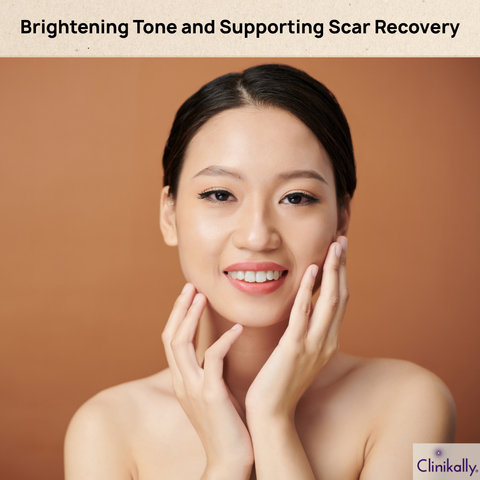
Uneven skin tone, pigmentation, and persistent scars are among the most prevalent skincare concerns. Acne, sun exposure, or small trauma can all generate these markings, which can have a long-term impact on confidence. Nature provides delicate yet powerful treatments, and sweet almond oil has long been regarded as one such medicine. It is high in vitamins, antioxidants, and fatty acids, which assist to brighten dull complexions and boost the skin's natural healing process, making it an effective scar treatment tool. Uneven skin tone is frequently caused by hyperpigmentation, which occurs when extra melanin is produced in response to UV exposure, inflammation, or trauma. Scars and dark spots develop when the skin fails to properly mend itself following acne, wounds, or irritation. Over time, this causes discolouration and a loss of shine.
-
Natural brightening: It contains retinoids and tocopherols, both of which promote cell turnover and minimize oxidative stress. Vitamin A promotes the shedding of old, pigmented cells and the regeneration of healthier, more even-toned skin. Vitamin E, a powerful antioxidant, defends cells against free radical damage, which worsens pigmentation. They work together to improve skin clarity and brightness, resulting in a more radiant, consistent tone. Furthermore, the oil's emollient characteristics promote hydration, which is essential for beautiful skin. Moisturized skin reflects light more effectively, appearing brighter and smoother.
-
Supporting scar healing and recovery: Scars grow as collagen fibers mend after a skin damage. Sweet almond oil aids in this process in two crucial ways: moisturization and barrier repair, which are accomplished through fatty acid content (oleic and linoleic acids), which keeps the skin pliable and decreases stiffness around repairing tissue. This reduces the visibility of scars over time. Vitamin E is a nutrient-dense supplement that has been well studied for its efficacy in scar therapy. It softens scar tissue, improves suppleness, and minimizes discoloration. Meanwhile, the zinc and trace minerals in almond oil aid in wound healing, accelerating recovery.
-
Gentle care for post-acne and stretch marks: It is very useful for improving post-acne and stretch marks. By dissolving fibrous tissue and increasing skin elasticity, it minimizes the prominence of existing markings while preventing new ones from emerging during periods of fast skin stretching, such as pregnancy or growth spurts.
-
Safe for long-term use: Unlike harsh bleaching treatments, sweet almond oil gently brightens and enhances tone without causing irritation. Its soft, non-comedogenic formula is ideal for sensitive skin and long-term use. When used consistently—as a standalone oil or incorporated into creams and serums—it promotes skin rejuvenation and clarity.
Practical Tips for Safe & Effective Use
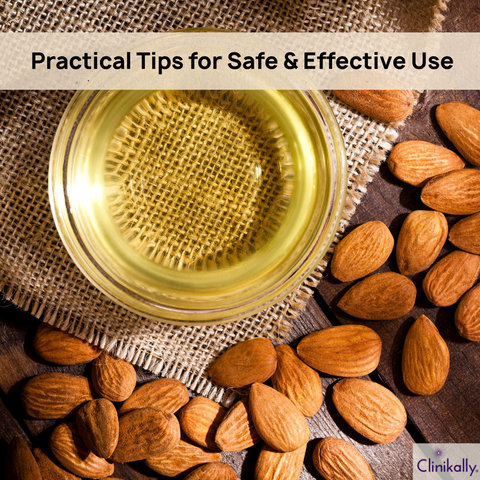
Almond oil has a variety of skin advantages, including moisturization, anti-aging, and calming characteristics. A patch test, using it as a moisturizer or in DIY cures, and being aware of potential nut allergies are all steps toward safe and effective use. Benefits of almond oil for skin:
-
Select the correct type: Cold-pressed, unrefined sweet almond oil contains the most nutrients; refined oil has a longer shelf life and is suitable for sensitive formulations.
-
First, test the patch: Apply a small amount to the inner forearm and monitor for 24 hours, especially if you have nut allergies or extremely sensitive skin.
-
Best application method: Apply to slightly damp skin to seal in moisture. Apply 2-3 drops to the face, or more to body areas, and massage gently until absorbed.
-
Layering tip: Use after water-based serums or treatments to lock in moisture, or add a few drops to your moisturizer for extra richness.
-
Makeup removal: Apply a small amount to dry skin and wipe with a warm, damp cloth before cleansing.
-
Frequency: Safe for daily use; adjust amount based on skin type—lighter for oily/combination, richer for dry skin.
-
Storage: Store in a cool, dark place; use within 6-12 months for cold-pressed and 12-24 months for refined oils.